

Last Updated on July 26, 2026 by Daniel Globe
Hiking sticks, often referred to as trekking poles, have gained immense popularity among outdoor enthusiasts for their wide-ranging physical and tactical benefits. Whether you are navigating rugged alpine trails or taking a casual walk on undulating paths, utilizing hiking sticks significantly enhances balance, conserves energy, and protects your body from repetitive stress.
Quick Answer
Hiking sticks (trekking poles) reduce knee joint strain by up to 25% during descents, improve stability across uneven terrain, and boost endurance by engaging your upper body muscles. To maximize their effectiveness, keep your elbows at a 90-degree angle on flat ground, shorten poles for uphill climbs, and lengthen them when heading downhill.
Key Takeaways
- Joint Protection: Offloads compressive force from knees, ankles, and lower back by up to 25%, especially on steep descents.
- Enhanced Balance: Adds two extra contact points with the ground, drastically reducing slip and fall hazards on loose rocks or mud.
- Full-Body Engagement: Shifts a portion of the workload to arms, shoulders, and core, boosting endurance and calorie burn.
- Custom Fit & Sizing: Adjust pole length so your forearm forms a 90-degree angle with the pole planted vertically beside your foot.
At a Glance
| Setup Time | 2–5 minutes (initial sizing and strap adjustment) |
| Skill Difficulty | Beginner (easy to learn, intuitive rhythm) |
| Equipment Needed | Pair of adjustable trekking poles, terrain tips (rubber/carbide) |
| Average Cost | $30 – $180+ (varies by material and locking mechanism) |
Disclosure: As an Amazon Associate I earn from qualifying purchases. Some links on this page are affiliate links, at no extra cost to you.
Why Use Hiking Sticks? Health & Biomechanical Benefits
One of the primary advantages of using hiking sticks is the dramatic reduction of strain on lower-body joints, particularly the knees, hips, and ankles. When traversing uneven terrain or descending steep slopes, the cumulative impact force on the knees can equal several times your total body weight.
By employing hiking sticks, hikers can distribute their weight more evenly across four points of contact, allowing for a balanced, fluid gait. This redistribution not only alleviates pressure on the lower extremities but also helps minimize joint inflammation and injury risks over long distances.
Biomechanical studies have demonstrated that using trekking poles can reduce knee joint load by up to 25%, making them essential for hikers with pre-existing joint concerns or those carrying heavy backpacks.
In addition to joint protection, hiking sticks significantly enhance stability and balance. When navigating loose gravel, wet roots, or muddy paths, having an extra support point provides a level of security that is difficult to achieve unassisted. This added stability is especially beneficial for older adults or anyone carrying a loaded pack.
Furthermore, hiking sticks allow you to probe the ground ahead, testing mud depth, hidden obstacles, or loose rocks before committing your full body weight. This proactive assessment keeps you safer and fosters a more confident hiking pace.
Choosing the Right Hiking Sticks for You
Selecting the appropriate trekking poles ensures optimal energy transfer and long-term durability. The primary choice comes down to shaft materials, locking systems, and adjustment features.
1. Pole Material: Aluminum vs. Carbon Fiber
- Aluminum Poles: Aluminum poles are durable, cost-effective, and resilient. Under heavy stress or high impact, aluminum tends to bend rather than snap, making it easier to bend back in an emergency. They are slightly heavier but ideal for rugged terrain and budget-conscious hikers.
- Carbon Fiber Poles: Carbon fiber poles are ultra-lightweight and naturally damp vibrations. They excel at reducing arm fatigue during multi-day backcountry trips. However, under extreme lateral force, carbon fiber can crack or shatter rather than bend.
2. Adjustment Systems and Sizing
Adjustability allows you to alter pole height for varying terrain slopes. Most modern poles feature external lever locks (flick-locks), which are easy to operate while wearing gloves and hold securely under heavy pressure. Twist-lock systems are lighter but can slip if dirt enters the internal expansion mechanism.
Note: When standing on flat ground holding your poles vertically, your elbow should form a clean 90-degree angle. If your arm bends upward or reaches downward, adjust the pole length accordingly.
Proper Technique for Using Hiking Sticks
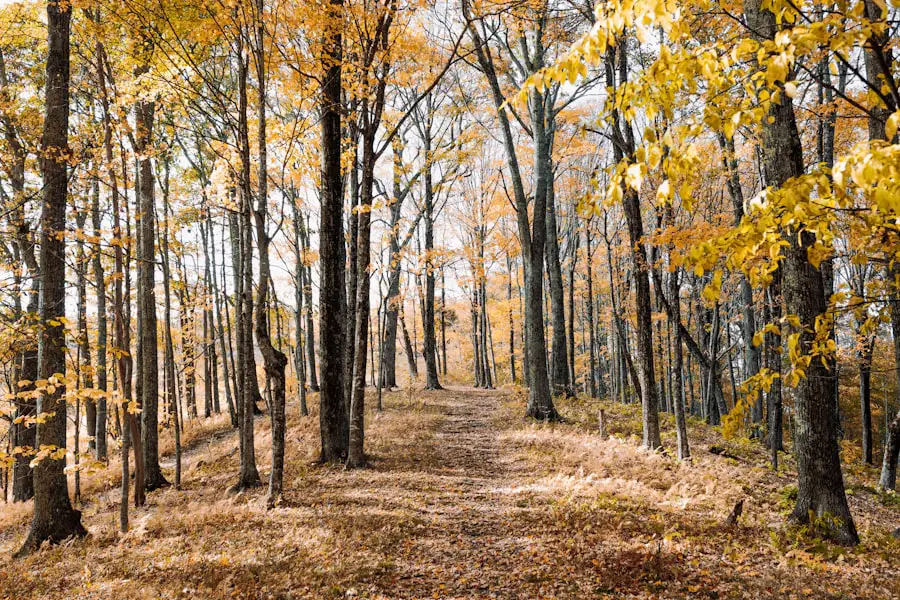
Mastering correct form with your trekking poles is essential to maximize energy efficiency and prevent arm strain.
Maintaining a Natural Arm Swing
Walk with a natural, alternating arm-leg stride. As your right foot moves forward, plant your left pole lightly on the ground, and vice versa. This natural cadence maintains momentum and stabilizes your posture on uneven ground without forcing unnatural movements.
Pro Tip — Correct Wrist Strap Usage: Bring your hand up through the bottom of the strap loop, then bring your palm down to rest over the strap onto the handle grip. This allows the strap to support your body weight through your wrist, allowing for a relaxed hand grip that prevents forearm fatigue.
How Hiking Sticks Improve Stability and Balance
| Benefit | Biomechanical Mechanism & Practical Value |
|---|---|
| Improved Stability | Creates four distinct ground touchpoints, expanding your base of support across mud, gravel, and wet stones. |
| Enhanced Balance | Distributes center-of-mass sway evenly, helping hikers stay upright when carrying heavy backpacks. |
| Reduced Joint Impact | Transfers compressive forces from knees and ankles into arm and shoulder muscle groups during downhill walking. |
| Increased Endurance | Engages upper-body muscle groups to share propulsion work, delaying leg muscle exhaustion on long treks. |
When crossing streams or navigating narrow ridges, having additional balance points gives you leverage to stabilize yourself if footing shifts unexpectedly. Probing ahead with your pole also lets you verify ground firmness before stepping firmly onto questionable terrain.
The Impact of Hiking Sticks on Endurance
Using hiking sticks significantly boosts long-distance endurance. By spreading physical strain across your entire body, trekking poles alleviate leg fatigue and help maintain a consistent, efficient rhythm over long distances.
Research indicates that using trekking poles encourages an upright posture, opening up the chest cavity for improved oxygen intake and better cardiovascular efficiency. Consequently, hikers report lower rates of perceived exertion (RPE) when using poles compared to hiking unassisted over identical distances.
Hiking Stick Maintenance and Care
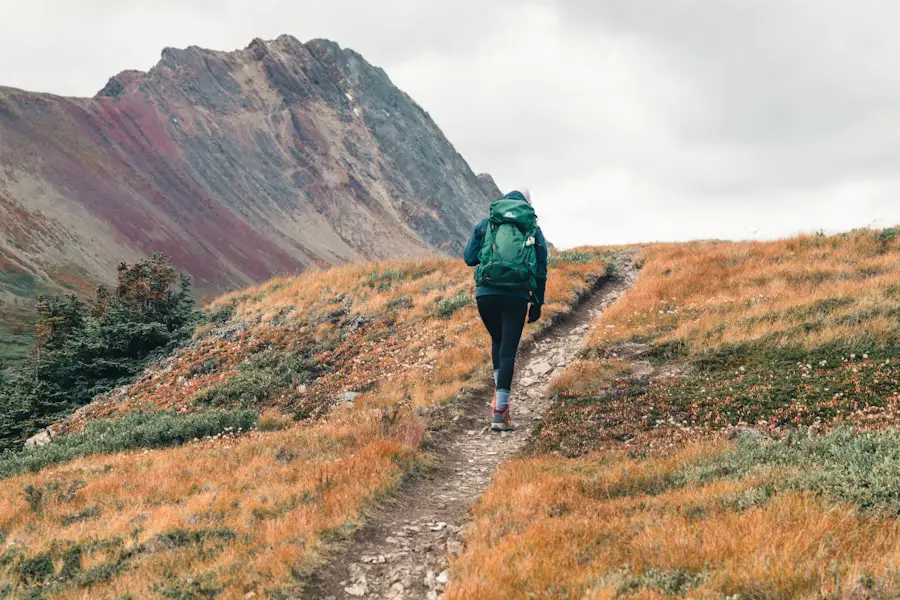
Proper maintenance ensures your poles operate smoothly and prevents sudden lock failures on the trail.
Cleaning and Storage Best Practices
After hiking through mud or wet weather, fully disassemble your telescopic poles by sliding the sections apart. Wipe away dirt, sand, and moisture with a clean cloth, and let them dry completely before reassembling. Trapped moisture inside aluminum pole shafts can cause internal oxidation, while grit inside flick-locks can cause slipping.
Warning: Never apply oil, WD-40, or grease to the internal shaft sections or locking mechanisms of your trekking poles. Lubricants cause internal expansion plugs and external lever clamps to lose friction, leading to dangerous pole collapses under load.
Using Hiking Sticks for Uphill and Downhill Terrain
Adapting your pole length to match terrain gradient optimizes body mechanics and leverage:
- Uphill Inclines: Shorten your poles by 5–10 cm depending on steepness. This allows you to plant the poles comfortably without reaching high or straining your shoulders, giving you strong leverage to push upward.
- Downhill Descents: Lengthen your poles by 5–10 cm. Plant the tips slightly ahead of you to brace your descend, letting your arms absorb shock that would otherwise impact your knees.
Incorporating Hiking Sticks into Your Fitness Routine
Trekking poles can easily be integrated into everyday fitness regimens beyond backcountry trails. Nordic walking uses specially angled pole pushes to transform standard walks into total-body workouts that burn up to 20% more calories than walking without poles.
Additionally, using poles during exercise walks provides added stability for core, lunge, and balance drills, helping individuals maintain proper form while keeping heart rates elevated safely.
Hiking Stick Accessories and Add-ons
- Rubber Tips: Slip over carbide tips to provide friction on pavement, asphalt, or slick rock while protecting delicate ecosystems.
- Carbide/Steel Tips: Ideal for dirt, ice, and gravel, offering bite and traction on rugged surfaces.
- Trekking & Snow Baskets: Small baskets prevent tips from sinking into soft dirt and mud; wider snow baskets prevent poles from plunging deep into winter snow.
Hiking Stick Safety Tips
To avoid trail accidents, keep these safety practices in mind:
- Inspect Lock Tension: Test lock tension before every hike by leaning heavily on both poles on flat ground to ensure they do not slip or collapse.
- Avoid Trapping Tips: Be mindful when placing tips between rock crevices or thick roots. Prying a stuck tip sideways can bend aluminum shafts or snap carbon fiber.
- Remove Straps on Dangerous Terrain: Unloop your hands from wrist straps when traversing dangerous exposure or slippery river crossings so you can detach from your poles instantly during a slip.
The Environmental Impact of Hiking Sticks
Trekking poles support trail conservation by reducing soil erosion and off-trail impact. By helping hikers maintain balance on central footpaths, poles discourage trail widening and prevent vegetation damage along sensitive alpine tracks.
Choosing durable poles from manufacturers offering replacement parts (such as replaceable tips, baskets, and flick-lock levers) extends gear lifespan, reducing waste and supporting sustainable outdoor recreation practices.
By understanding the multifaceted benefits of hiking sticks—from reducing joint strain by 25% to improving stability and endurance—you can enjoy safer, more comfortable outdoor adventures while protecting trail environments for years to come.
FAQs
What are hiking sticks?
Hiking sticks (or trekking poles) are adjustable, lightweight poles used by walkers and hikers to enhance balance, absorb joint shock, and provide support across varied terrain.
Why should I use hiking sticks?
Hiking sticks reduce knee compressive strain by up to 25%, improve balance on slippery surfaces, engage upper-body muscles, and increase overall hiking endurance.
How do I choose the right hiking sticks?
Focus on material (durable aluminum vs. lightweight carbon fiber), locking mechanisms (lever locks vs. twist locks), grip ergonomics (cork, foam, or rubber), and adjustability for your height.
Are there any disadvantages to using hiking sticks?
Hiking sticks add a small amount of carrying weight, require arm coordination, and can temporarily occupy your hands when scrambling over large boulders.
Can hiking sticks be used for activities other than hiking?
Yes. Trekking poles are widely used in Nordic walking, snowshoeing, mountain running, trail exercise routines, and pitch setup for ultra-lightweight camping shelters.
Sources
- REI Co-op Expert Advice — Trekking poles and hiking staff selection and sizing guidelines.
- Journal of Sports Sciences (Bohne & Abendroth-Neidfeldt) — Biomechanical effects of trekking pole usage during downhill walking.
- American Hiking Society — Trail safety, environmental impact, and gear recommendations.

