Last Updated on July 24, 2026 by Ethan Caldwell
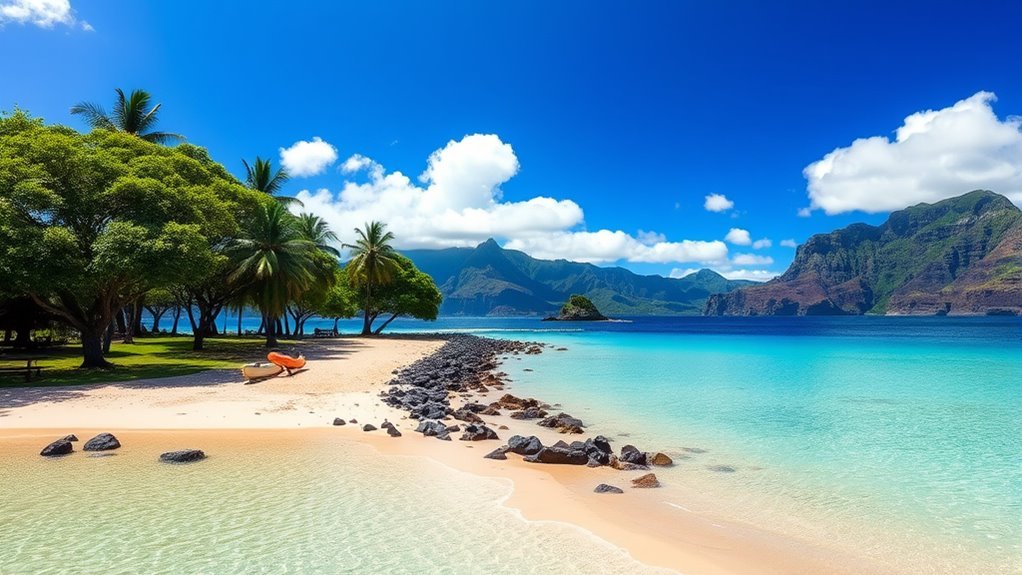
Many drivers pass Kaiona Beach Park while following Oʻahu’s windward coast toward Waimānalo or Kailua. Those who stop find a small beach park with turquoise water, mountain views, picnic space, and the historic Pāhonu fishpond. The setting can feel calm and uncrowded, but limited parking, changing ocean conditions, and the lack of lifeguards make planning important.
Quick Answer
Kaiona Beach Park is a small, quiet beach park in Waimānalo on Oʻahu’s windward coast. It has limited free parking, restrooms, outdoor showers, picnic tables, and the historic Pāhonu fishpond. Visit during calm daylight conditions because the beach has no lifeguard and swimming conditions change with surf, wind, rain, and runoff.
Key Takeaways
- Kaiona Beach Park is on Kalanianaʻole Highway in Waimānalo, between the Makapuʻu area and central Waimānalo.
- The free parking lot is limited and can fill early on weekends and holidays.
- Pāhonu is a historic Hawaiian fishpond, not a managed swimming pool, so children still need close adult supervision.
- No lifeguard is stationed at the park. Enter the water only when conditions match your swimming ability.
- Check current surf, weather, and brown-water advisories before swimming or snorkeling.
What’s in This Guide
Disclosure: As an Amazon Associate I earn from qualifying purchases. Some links on this page are affiliate links, at no extra cost to you.
What Makes Kaiona Beach Park Special
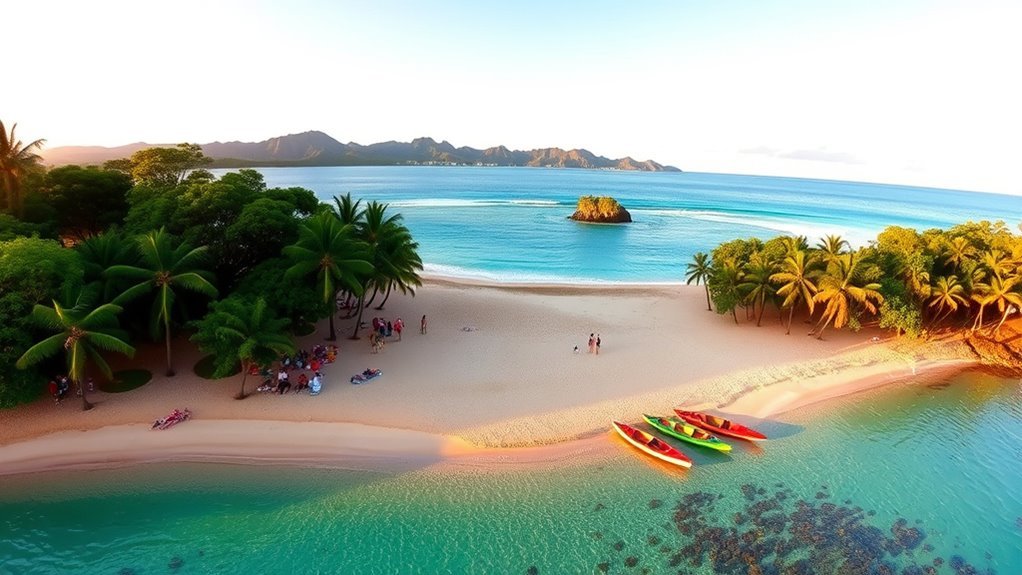
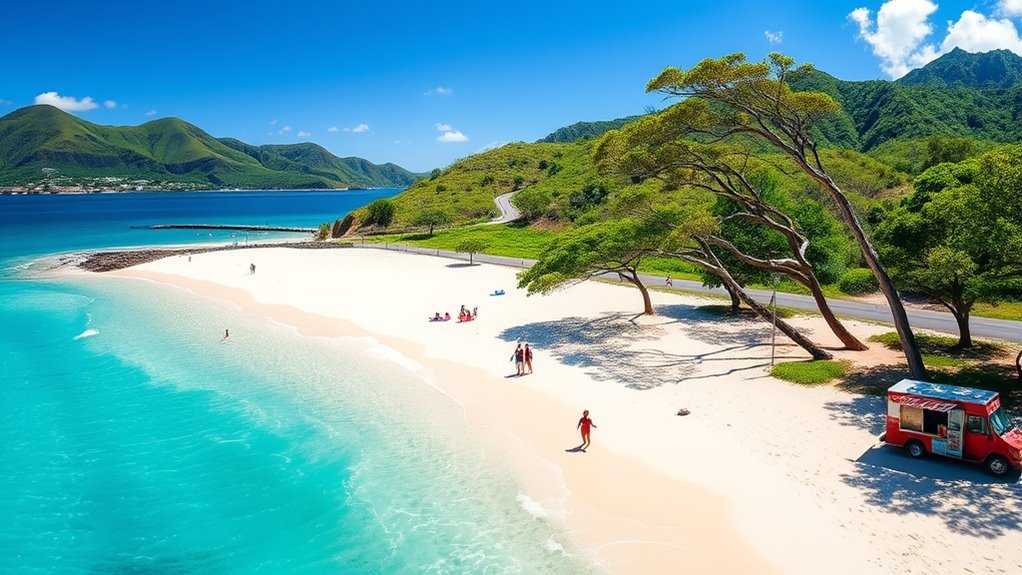
Kaiona Beach Park combines a narrow sandy shoreline, grassy picnic space, shallow water, and views of the Koʻolau range. It is smaller and less developed than many well-known Oʻahu beaches, which helps it feel relaxed when the parking area is not full.
The park’s most important cultural feature is Pāhonu, a historic Hawaiian fishpond recognized in Hawaiʻi Department of Land and Natural Resources records. Parts of its stone enclosure remain visible near the southern side of the park.
Treat the fishpond as a cultural site as well as a recreation area. Do not climb on, remove, or rearrange stones, and avoid disturbing animals living around the enclosure.
Note: Kaiona is sometimes described as a hidden or uncrowded beach, but weekends, holidays, school gatherings, and calm-weather days can bring many local visitors. Do not assume the park will be empty.
How to Get to Kaiona Beach Park
Kaiona Beach Park sits beside Kalanianaʻole Highway, also called Route 72, in Waimānalo. Drive time varies greatly with traffic, roadwork, and the starting point, so avoid building your schedule around a fixed 35-minute estimate.
Driving From Waikīkī or Honolulu
Follow H-1 east until the route continues along Kalanianaʻole Highway. Continue past Hawaiʻi Kai, Sandy Beach, the Makapuʻu area, and Sea Life Park toward Waimānalo. Watch carefully for the park entrance because it is easy to pass.
Driving From Kailua
Travel south on Kalanianaʻole Highway through Waimānalo. The park is on the ocean side of the highway before the road climbs toward Makapuʻu.
Public Transit
TheBus routes serving the Waimānalo and Sea Life Park corridor include Routes 57 and 69. Exact stops, transfers, and service times can change, so check the current Route 57 description, Route 69 description, and trip planner before leaving.
Bus travel can take much longer than driving and may require a walk beside a busy highway. Carry enough water and leave enough daylight for the return trip.
Parking and Amenities at Kaiona Beach Park
Kaiona has a free parking area close to the grass and shoreline, but the lot is limited rather than spacious. It can fill early on weekends and holidays.
Pro Tip: Arrive early, but do not treat 8 a.m. as a guaranteed cutoff. Parking demand changes with weather, holidays, local events, and ocean conditions.
Warning: Do not stop suddenly on Kalanianaʻole Highway or unload passengers in an unsafe traffic lane. Use only legal parking spaces and watch carefully for vehicles, cyclists, and pedestrians.
| Amenity | What to Expect |
|---|---|
| Parking | Limited free lot near the beach; spaces can fill quickly. |
| Restrooms | Available, but access and condition can vary. |
| Outdoor showers | Useful for rinsing sand and salt water. |
| Picnic tables | Located in the grassy park area. |
| Food and drinks | No dependable on-site concession; bring your own supplies. |
| Lifeguard | No lifeguard stationed at the park. |
| Hours | Use the park during daylight and follow all posted gate, restroom, and closure signs. |
Accessibility Considerations
The parking area is close to the grassy section of the park, but reaching the water may involve sand, roots, uneven ground, and shoreline rocks. Strollers and mobility devices may be difficult to use near the fishpond or tide-pool edges. Do not assume that a beach wheelchair or fully accessible route will be available.
Best Times to Visit Kaiona Beach Park
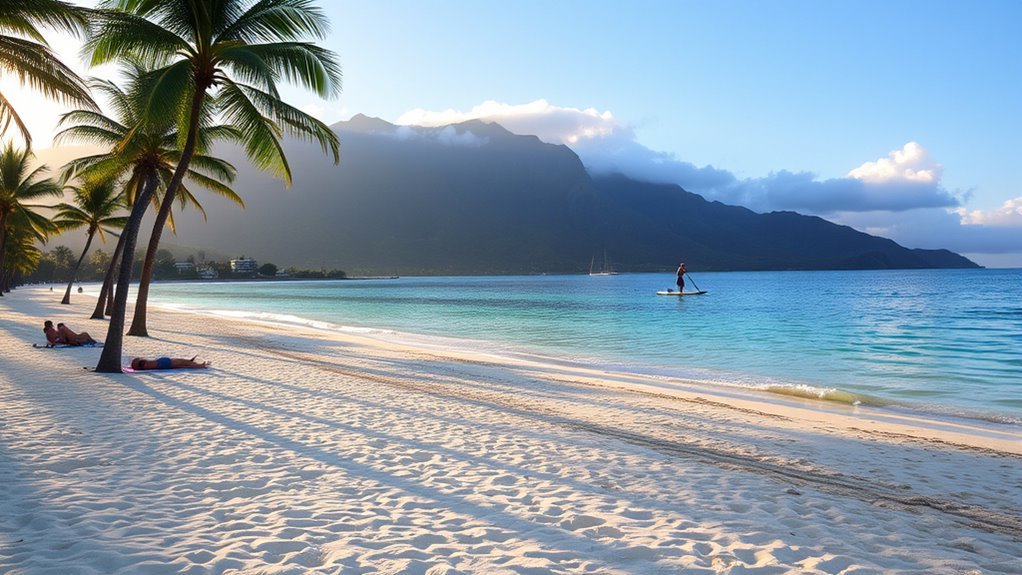
Morning often brings lighter winds and fewer visitors, but it does not guarantee calm or clear water. Check the actual conditions when you arrive and stay out if the surface is rough, the water is cloudy, or waves are breaking strongly near shore.
Why Early Morning Can Be a Good Time
Early visits may make parking easier and can provide cooler temperatures for picnicking or walking. The lower sun also creates soft light across the water and mountains.
Do not rely on the time of day alone. Wind, offshore weather, passing swells, tides, and recent rain can change conditions at any hour.
Weekday Visits
Weekdays are often quieter than weekends, especially outside holidays and school breaks. However, local gatherings and good weather can still fill the small lot.
| Condition | What It Means | Best Response |
|---|---|---|
| Clear, calm water | Better visibility and easier entry for capable swimmers. | Stay close to shore and reassess conditions often. |
| Strong wind or rising swell | Surface conditions and currents may become harder to manage. | Leave the water or choose a lifeguarded beach. |
| Brown, cloudy, or debris-filled water | Runoff may have reduced water quality. | Do not enter; check the current health advisory. |
Rain and Water Quality
Heavy rain can wash soil, bacteria, chemicals, sewage, and debris into coastal water. Check the Hawaiʻi Clean Water Branch Beach Monitoring Program and its General Health Advisory before swimming after a storm.
Do not rely on a fixed countdown alone. Stay out of brown, turbid, foul-smelling, or debris-filled water and follow the waiting period stated in the current advisory. Some Oʻahu advisories instruct the public to remain out for at least 72 hours after the last rainfall, but the active notice should control.
Jellyfish and Portuguese Man-of-War
Look along the sand and shallow water before entering. Box jellyfish and Portuguese man-of-war can sting even after washing ashore. Do not touch them, and keep children away from stranded tentacles or transparent bodies.
What to Pack for Kaiona Beach Park
Bring everything you need for the visit because the park does not have a dependable food or drink concession. Pack lightly enough to carry your belongings from the lot without blocking traffic or pathways.
| Item | Why It Matters |
|---|---|
| Drinking water | Heat, sun, swimming, and nearby hikes can increase dehydration risk. |
| Food or picnic lunch | On-site food service is not dependable. |
| Mineral sunscreen | Check the active ingredients for zinc oxide or titanium dioxide instead of relying only on a “reef safe” label. |
| Hat and sun-protective shirt | Provides protection while reducing the amount of sunscreen entering the water. |
| Towels and dry bag | Keeps phones, keys, and clothing away from sand and splashes. |
| Properly fitted snorkel gear | Poorly fitted equipment can leak, fog, or make breathing uncomfortable. |
| Basic first-aid supplies | Useful for small scrapes, cuts, or blisters when no lifeguard is present. |
Hawaiʻi DLNR notes that “reef safe” is not a regulated label. Read the active ingredients and consider mineral filters such as zinc oxide or titanium dioxide. Sun-protective clothing also reduces the amount of exposed skin that needs sunscreen.
Snorkeling and Swimming at Kaiona Beach Park
Kaiona can offer pleasant swimming and snorkeling when the ocean is calm and clear. Shallow areas may contain reef fish, coral, rock, sand, and occasional sea turtles, but visibility and wildlife sightings vary from day to day.
No lifeguard patrols this beach. People who are inexperienced, swimming alone, caring for young children, or unsure of the conditions should consider a lifeguarded beach instead.
How to Judge Swimming Conditions
Look at the water for several minutes before entering. Watch where waves break, whether swimmers drift along the shore, and whether the surface is becoming rougher.
Tide height does not guarantee gentle conditions. Low tide may expose reef, rocks, and shallow hazards, while high tide can cover obstacles and change the entry point. Check surf, wind, tide, current, and visibility together.
Snorkeling Safety
Warning: Never snorkel alone at Kaiona Beach Park. Stay close to shore, use equipment you already know how to operate, and leave the water immediately if breathing becomes difficult, waves increase, or you begin drifting.
- Choose an entry point with clear water and an easy route back to shore.
- Swim with a capable buddy who remains close enough to assist.
- Do not enter brown, cloudy, foul-smelling, or debris-filled water.
- Do not stand on coral or use coral heads as handholds.
- Keep away from sharp rocks and areas where waves push against the shoreline.
- Do not use alcohol or drugs before swimming.
- Call 911 for an ocean emergency rather than attempting a rescue beyond your ability.
Review Hawaiʻi Ocean Safety’s swimming guidance before visiting an unguarded beach.
Pāhonu Pond and Kid-Friendly Beach Fun
Pāhonu’s stone enclosure can create a shallower, more sheltered area when conditions are calm. Its sandy patches may appeal to families, but it is still connected to the ocean and should not be treated like a controlled swimming pool.
An adult should remain within arm’s reach of a toddler or weak swimmer. Flotation devices do not replace direct supervision, and conditions can change while a family is picnicking or playing.
Children exploring tide pools should leave shells, stones, coral, and animals where they find them. Rocks can be slippery, and small waves can knock a child off balance even when the surrounding water looks calm.
Note: Families who need lifeguard supervision, predictable facilities, or easier mobility access may be more comfortable at a larger lifeguarded beach park.
Sea Turtles and Reef Etiquette
Hawaiian green sea turtles, called honu, may appear near Pāhonu or the surrounding reef. A sighting is possible but never guaranteed, and visitors should not chase a turtle to obtain a photograph.
NOAA Fisheries recommends staying at least 10 feet, or 3 meters, from sea turtles on land and in the water. Never touch, feed, surround, ride, block, or pursue a turtle.
- Use the zoom function on your camera instead of moving closer.
- Give a resting turtle a clear path between the water and shore.
- Do not place children between a turtle and the ocean.
- Do not pick up reef animals or remove shells from tide pools.
- Pack out all food, plastic, fishing line, and other waste.
Nearby Hikes, Food, and Beaches
Kaiona’s location makes it possible to combine the beach with a coastal viewpoint, garden, meal, or another beach. Keep the day realistic, especially if you have already spent several hours in the sun.
- Makapuʻu Point Lighthouse Trail: This paved trail is about two miles round trip with roughly 500 feet of elevation gain. Hawaiʻi DLNR rates it moderate and warns that the route is hot, dry, exposed, and often windy. Bring water and check current park notices before going.
- Koko Crater Tramway: This is a steep, strenuous climb on old railway ties. It is exposed to heat and has required repeated emergency rescues. Do not treat it as a quick casual walk after a beach visit.
- Koko Crater Botanical Garden: The garden offers a lower-intensity walk through dryland and tropical plant collections inside the crater.
- Kalapawai Cafe and Deli: Kalapawai operates locations in Kailua and can work as a breakfast or lunch stop. Check its current location hours before driving there.
- Kailua and Lanikai: These beaches provide additional shoreline scenery, though parking, crowds, access rules, and ocean conditions differ from Kaiona.
For current details about the paved hike, use the official Makapuʻu Point Lighthouse Trail page. Current Kalapawai location information is available on the company’s official contact page.
Frequently Asked Questions
How Early Should I Arrive at Kaiona Beach Park?
An early arrival often improves your chance of finding a legal parking space, especially on weekends and holidays. However, no arrival time guarantees parking. Demand changes with weather, local gatherings, school breaks, and ocean conditions.
Is Kaiona Beach Good for Snorkeling?
It can be suitable for snorkeling when the water is calm, clear, and within your ability. There is no lifeguard, so snorkel with a capable buddy, stay close to shore, and skip the activity when the water is rough, cloudy, or affected by runoff.
Does Kaiona Beach Park Have Lifeguards?
No lifeguard is stationed at Kaiona Beach Park. Swim with a buddy, keep children close, remain within an easy distance of shore, and choose a lifeguarded beach when conditions or swimming ability create doubt.
Can You See Sea Turtles at Kaiona Beach Park?
Hawaiian green sea turtles sometimes visit the fishpond and nearby reef, but sightings are not guaranteed. NOAA recommends remaining at least 10 feet away on land and in the water. Never touch, feed, chase, surround, or block a turtle.
Is Pāhonu Pond Safe for Toddlers?
Pāhonu can be shallow and sheltered during calm conditions, but it remains connected to the ocean and is not a supervised pool. An adult should stay within arm’s reach, watch for slippery rocks, and leave the water when waves or wind increase.
What Are Kaiona Beach Park’s Hours?
Published third-party hours are inconsistent. Plan a daylight visit and follow the current signs at the entrance, parking lot, restrooms, and gates. Do not depend on an older online listing when deciding when to leave.
Can I Reach Kaiona Beach Park by Bus?
TheBus Routes 57 and 69 serve parts of the Waimānalo and Sea Life Park corridor. Your trip may require transfers and a walk along Kalanianaʻole Highway. Check the current trip planner, stop location, and return schedule before leaving.
Plan Your Day at Kaiona
Kaiona Beach Park can be a rewarding stop for visitors who want coastal scenery, picnic space, and a chance to see the historic Pāhonu fishpond. Its small size and limited development are part of its appeal, but they also mean fewer services and no lifeguard protection.
Bring water, food, sun protection, and only the equipment you know how to use. Park legally, inspect the ocean before entering, respect the fishpond and reef, give wildlife plenty of room, and change your plans when the conditions do not look safe.
Sources
- Hawaiʻi Department of Health Beach Monitoring Program — brown-water advisories, runoff risks, and coastal water monitoring.
- Hawaiʻi Ocean Safety: Safety in the Ocean — swimming, surf, and unguarded-beach precautions.
- NOAA Fisheries: Viewing Marine Wildlife in Hawaiʻi — sea-turtle distance and responsible wildlife viewing.
- Hawaiʻi DLNR Fishpond Permits — identification of Pāhonu as a fishpond in Waimānalo.
- TheBus Route 57 Description — public transportation through Kailua, Waimānalo, and Sea Life Park.
- Hawaiʻi DLNR Makapuʻu Point Lighthouse Trail — official trail distance, difficulty, terrain, and safety details.