

Last Updated on August 26, 2026 by Daniel Globe
JetBlue and Eastern Airlines were both part of airline-industry headlines in 2026, but they were not part of the same acquisition. JetBlue was reported to be evaluating possible combinations with other major carriers, while the modern Eastern continued operating independently under Eastern Air Holdings. Understanding the difference requires separating the historic Eastern Air Lines, later revivals of the brand, and today’s airline.
Quick Answer
No, JetBlue did not buy Eastern Airlines. In March 2026, JetBlue was reported to be evaluating possible combinations with Alaska, Southwest, and United, but no Eastern transaction was announced. Today’s Eastern Airlines remains a separate company owned by Eastern Air Holdings.
Key Takeaways
- JetBlue has not announced or completed an acquisition of Eastern Airlines.
- The historic Eastern Air Lines operated from 1926 until January 1991.
- A separate Eastern revival launched in the 2010s, but that operation ended in 2017; today’s Eastern grew out of Dynamic International Airways and adopted the Eastern name in 2018.
- Eastern Air Holdings owns today’s Eastern, which now provides scheduled passenger, ACMI/charter, and cargo services.
- JetBlue’s reported 2026 merger planning was preliminary, while its latest public updates continued to emphasize its JetForward turnaround strategy.
Disclosure: As an Amazon Associate I earn from qualifying purchases. Some links on this page are affiliate links, at no extra cost to you.
Did JetBlue Buy Eastern Airlines?
No. There has been no announced JetBlue acquisition of Eastern Airlines. The confusion appears to come from two separate stories: renewed interest in the Eastern name and a March 2026 report that JetBlue had hired advisers to study whether selling itself to another major airline could be viable.
Semafor reported in March 2026 that JetBlue had evaluated how possible combinations with United Airlines, Alaska Airlines, or Southwest Airlines might be received in Washington. Reuters subsequently reported the Semafor story but said it could not independently confirm the information. JetBlue declined to discuss the reported internal deliberations and instead reiterated its focus on JetForward.
Note: Studying a possible merger or sale is not the same as entering an agreement. No JetBlue-Eastern transaction has been announced.
The Rise and Fall of Eastern Air Lines
The historic carrier was known as Eastern Air Lines. Founded in 1926, it became one of the major names in U.S. commercial aviation and eventually one of the country’s largest domestic airlines.
The Airline Deregulation Act of 1978 changed the competitive environment by reducing federal control over domestic fares and routes. Eastern later faced a combination of intense competition, financial pressure, debt, ownership changes, and difficult labor relations.
Texas Air Corporation acquired Eastern in 1986. The airline entered bankruptcy protection in 1989 after a prolonged period of financial and labor turmoil and finally ceased operations in January 1991.
The Eastern name has returned more than once, but today’s Eastern Airlines is not the same corporate airline that stopped flying in 1991.
How the Modern Eastern Airlines Came to Exist
The history after 1991 is more complicated than a simple revival of the old company. A new group later acquired Eastern-related intellectual property and launched another Eastern Air Lines operation in the 2010s. That carrier began flying charters in 2015, but its operation was short-lived. Its assets were transferred to Swift Air in 2017.
Today’s Eastern followed a different corporate path. Dynamic International Airways was founded in 2010. According to Eastern’s official history, Dynamic acquired the Eastern Airlines name in 2018 and rebranded itself as Eastern Airlines.
That means today’s company has a connection to the Eastern brand and intellectual-property lineage, but it is not the same corporate airline that operated from 1926 to 1991.
JetBlue’s 2026 Strategy: Reported Sale Exploration and JetForward
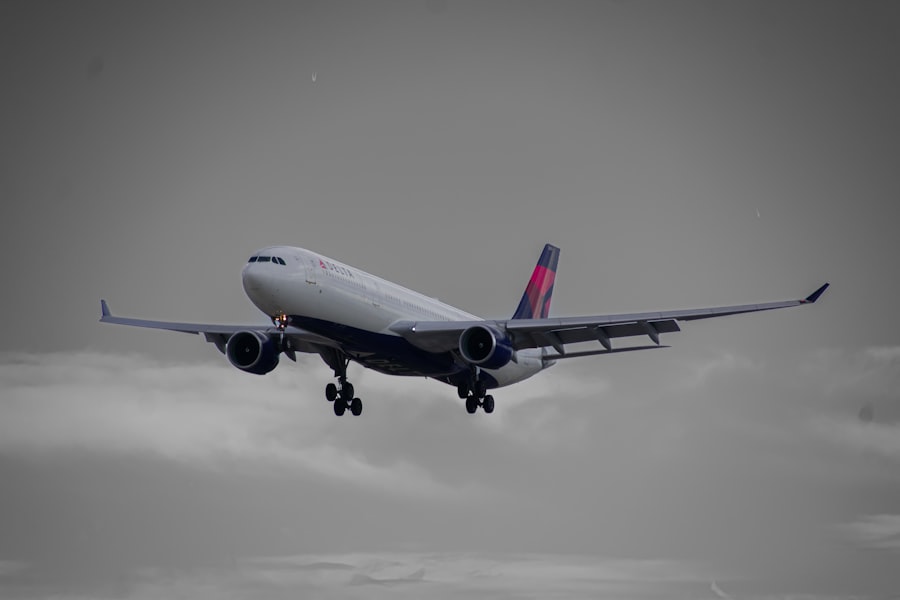
JetBlue built its reputation around competitive fares and a more service-oriented product than many traditional low-cost carriers. Its strategic position changed after its proposed Spirit Airlines acquisition was blocked by a federal court in January 2024 on antitrust grounds. JetBlue and Spirit terminated that transaction in March 2024.
In March 2026, Semafor reported that JetBlue had retained advisers and modeled potential combinations with United, Alaska, and Southwest. The report described the planning as preliminary and said JetBlue could decide not to pursue discussions.
JetBlue’s public position has remained more focused on its multi-year JetForward turnaround. In its July 28, 2026 second-quarter results, the airline said it was continuing to execute JetForward and introduced a long-term target of at least $1.00 in earnings per share for 2028. No acquisition of Eastern Airlines was announced.
What a JetBlue Merger Could Mean Financially
A hypothetical JetBlue combination with another large carrier would involve more than simply joining route maps. The buyer and JetBlue would have to evaluate debt, aircraft commitments, airport access, labor agreements, technology systems, loyalty programs, and the cost of integrating two operations.
Potential financial advantages can include spreading fixed costs across a larger network, improving aircraft utilization, expanding connecting opportunities, and combining airport or loyalty assets. Those benefits are not guaranteed. Airline integrations can also require major spending on reservation systems, employee training, fleet planning, branding, and operational changes.
For travelers, the outcome would depend heavily on the specific partner and the routes involved. A larger network can improve connectivity, while the loss of an independent competitor can reduce choices on overlapping routes.
Potential Benefits and Challenges of a JetBlue Merger
A successful combination could give JetBlue customers access to additional destinations, connecting flights, lounges, loyalty opportunities, and a broader frequent-flyer network. A larger airline may also have greater flexibility to move aircraft between markets during seasonal changes.
The challenges can be just as significant. Reservation systems, aircraft fleets, employee contracts, airport gates, loyalty currencies, and service policies may differ substantially between airlines. Customers can also face uncertainty over whether existing status levels, points, route frequencies, or branded products will survive an integration.
- Possible traveler benefits: more destinations, more connecting options, broader loyalty redemption, and potentially stronger network coverage.
- Possible traveler drawbacks: fewer competing carriers on some routes, loyalty-program changes, integration disruptions, or reduced frequency where networks overlap.
- Regulatory challenge: a large transaction would be examined for its potential effect on fares, capacity, and competition.
JetBlue and United’s Blue Sky Partnership Is Not a Merger
JetBlue already has a significant commercial relationship with United Airlines called Blue Sky. The arrangement lets eligible TrueBlue and MileagePlus members earn and redeem loyalty currency across the two carriers and has expanded to include reciprocal travel benefits and cross-selling of eligible flights.
That relationship can make the airlines appear more closely connected, but Blue Sky is not an acquisition of JetBlue by United. The airlines continue to operate as separate companies, manage their networks independently, and sell flights under their own brands.
Who Owns Today’s Eastern Airlines and What Does It Operate?
Eastern Air Holdings owns the current Eastern Airlines operation. Eastern says its headquarters moved in 2023 to the historic TWA Administrative Building in Kansas City.
The modern company is also broader than a charter-only airline. Eastern currently markets several types of aviation service:
- Scheduled passenger service: Eastern advertises scheduled passenger flights involving Miami, Santo Domingo, and Havana.
- ACMI and charter service: the airline provides aircraft, crew, maintenance, insurance, and customized charter capacity for organizations and other clients.
- Cargo service: Eastern markets domestic and international cargo transportation, including customized charter solutions.
Eastern’s current fleet information highlights Boeing 767 and Boeing 777 wide-body aircraft used across its passenger and cargo operations.
Impact on Eastern Airlines’ Employees and Customers
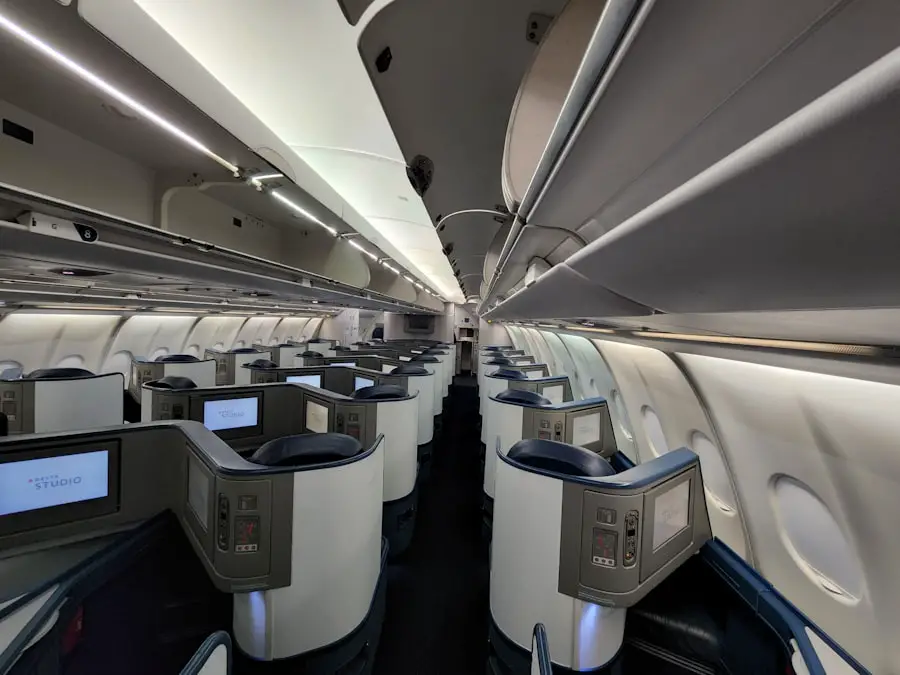
The original Eastern Air Lines closed in 1991, so there is no present-day workforce of that company that could be affected by a JetBlue transaction. Today’s Eastern Airlines operates independently under Eastern Air Holdings and has not been announced as part of any JetBlue deal.
Likewise, current Eastern customers should not assume that JetBlue’s reported strategic reviews affect their tickets or flights. Unless either company announces an actual transaction, Eastern and JetBlue remain separate airlines with separate operations.
If JetBlue eventually entered a merger agreement with another carrier, travelers would need to watch for official information about schedules, loyalty programs, airport operations, ticket policies, and regulatory approvals. Those changes would depend on the terms of the specific deal.
Note: Today’s Eastern Airlines continues the Eastern name and branding through later corporate transactions, but it is not the same corporate entity as the historic Eastern Air Lines that ceased operations in 1991.
Regulatory and Competitive Considerations in the Airline Industry
Large U.S. airline mergers are primarily reviewed under federal antitrust law by the Department of Justice. The Department of Transportation also performs its own competitive analysis, provides aviation expertise, and has authority over certain airline operating and international-authority matters.
The JetBlue-Spirit case shows why a future JetBlue transaction could receive detailed scrutiny. The Justice Department sued to block that proposed $3.8 billion acquisition, arguing that eliminating Spirit would reduce competition, raise fares, and decrease choices for price-sensitive travelers. A federal district court blocked the deal in January 2024.
That does not mean every future JetBlue combination would automatically be rejected. Regulators would examine the specific companies, markets, route overlaps, airport positions, and expected competitive effects of whatever transaction was actually proposed.
What’s Next for JetBlue and the Eastern Airlines Name?
As of August 26, 2026, the important distinction is between reported possibilities and announced transactions. JetBlue was reported in March to have studied potential combinations with larger airlines, but its July 2026 public financial update continued to focus on JetForward and restoring sustainable profitability.
Eastern, meanwhile, continues operating independently under Eastern Air Holdings. Its use of the Eastern name connects today’s brand with a long aviation history, but it should not be confused with the original airline’s corporate identity or with JetBlue.
For travelers, the safest approach is to treat merger reports as preliminary until an airline files or publicly announces a definitive agreement. Tickets, loyalty balances, and schedules generally remain governed by the existing carrier until official changes are communicated.
Frequently Asked Questions
Who bought Eastern Airlines?
Texas Air Corporation acquired the historic Eastern Air Lines in 1986. Eastern entered bankruptcy in 1989 and ceased operations in January 1991. JetBlue never acquired that airline.
Did JetBlue buy Eastern Airlines?
No. JetBlue has not announced or completed an acquisition of Eastern Airlines. Reports in March 2026 concerned JetBlue studying possible combinations with United, Alaska, or Southwest, not Eastern.
Is there a new Eastern Airlines?
Yes. Today’s Eastern Airlines is a modern carrier that grew out of Dynamic International Airways, which was founded in 2010 and adopted the Eastern Airlines name in 2018. It is not the same corporate airline that shut down in 1991.
Who owns the new Eastern Airlines?
Eastern Air Holdings owns today’s Eastern Airlines. Eastern says its headquarters moved to the historic TWA Administrative Building in Kansas City in 2023.
What routes and services does the new Eastern Airlines operate?
Eastern markets scheduled passenger service involving Miami, Santo Domingo, and Havana, along with ACMI/charter operations and domestic and international cargo services. Its business is therefore broader than charter flying alone.
Is the new Eastern Airlines affiliated with the original?
Not as the same corporate airline. The original Eastern Air Lines ceased operations in 1991. Later companies revived or acquired rights to the Eastern name, creating a brand and intellectual-property lineage without making today’s company the original carrier.
Is JetBlue merging with United Airlines?
No JetBlue-United merger has been announced. JetBlue and United do have the Blue Sky commercial collaboration, which includes loyalty benefits and flight-selling arrangements, but the airlines remain separate companies.
Sources
- Eastern Airlines — About Us — history of the Eastern name, modern carrier, ownership group, fleet development, and Kansas City headquarters.
- Semafor — JetBlue explores potential merger partners — original March 2026 report on preliminary sale planning involving United, Alaska, and Southwest.
- Reuters — JetBlue taps advisers for potential sale — contemporaneous reporting that noted Reuters could not independently confirm the Semafor report.

