
Last Updated on July 27, 2026 by Daniel Globe
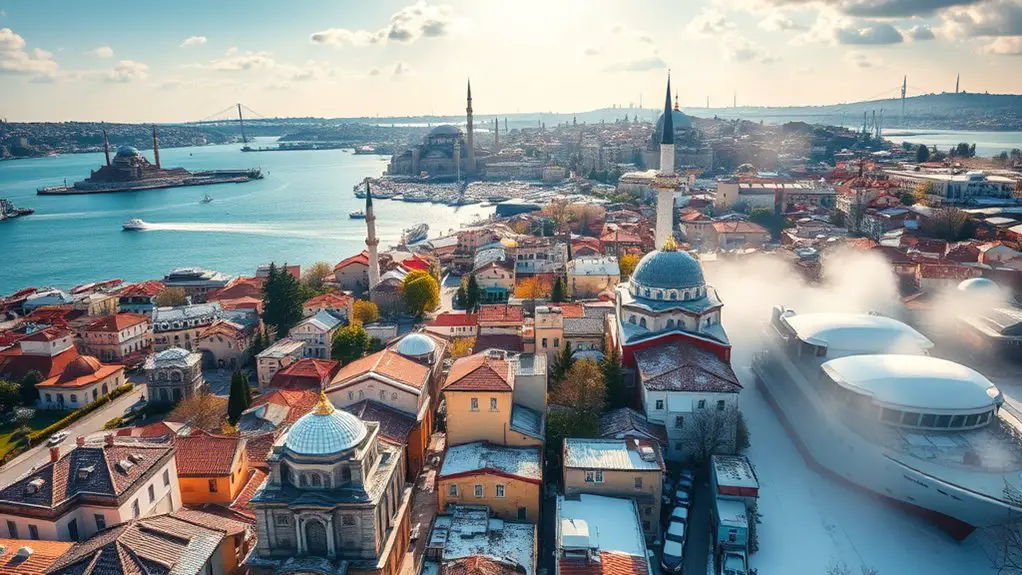
Istanbul’s weather changes noticeably through the year, so the month you visit can shape everything from what you pack to how much time you spend outdoors. Winters are cool and wet, spring brings tulips and milder days, summers are warm and relatively dry, and autumn gradually turns cooler and rainier. Here is what to expect in Istanbul month by month.
Quick Answer
Istanbul has cool, rainy winters and warm, drier summers. Average daytime highs range from about 10°C (49°F) in January to nearly 30°C (85°F) in July and August. April, May, September, and early October usually offer the best balance of comfortable sightseeing weather, while December and January are among the wettest periods.
Key Takeaways
- Best all-around weather: April–May and September–early October offer mild temperatures that suit long sightseeing days.
- Warmest months: July and August average highs near 29.7°C (85°F), with warmer nights and more noticeable humidity.
- Wettest part of the year: Late autumn and winter bring more frequent rain; December averages about 99.2 mm of precipitation in official Istanbul statistics.
- Driest month: July averages about 22.1 mm of precipitation and only around 3.5 rainy days.
- Best for tulips: Plan around April. Istanbul Metropolitan Municipality’s main 2026 tulip celebrations were held April 11–12.
Disclosure: As an Amazon Associate I earn from qualifying purchases. Some links on this page are affiliate links, at no extra cost to you.
Istanbul Weather by Month at a Glance
The table below uses Istanbul statistics published by the Turkish State Meteorological Service. Temperatures are average daily lows and highs, not the coldest and hottest temperatures that can occur.
| Month | Avg. Low–High | Avg. Rainfall | Avg. Rainy Days |
|---|---|---|---|
| January | 4.2–9.6°C (40–49°F) | 88.8 mm | 16.3 |
| February | 4.2–10.2°C (40–50°F) | 70.7 mm | 13.9 |
| March | 5.5–12.4°C (42–54°F) | 62.3 mm | 12.6 |
| April | 9.2–17.4°C (49–63°F) | 47.8 mm | 10.1 |
| May | 13.6–22.3°C (56–72°F) | 32.9 mm | 7.5 |
| June | 18.0–27.1°C (64–81°F) | 27.6 mm | 5.4 |
| July | 20.5–29.7°C (69–85°F) | 22.1 mm | 3.5 |
| August | 20.8–29.7°C (69–85°F) | 23.9 mm | 3.6 |
| September | 17.6–25.9°C (64–79°F) | 39.7 mm | 5.5 |
| October | 13.7–20.6°C (57–69°F) | 66.3 mm | 9.5 |
| November | 9.9–16.1°C (50–61°F) | 78.1 mm | 11.3 |
| December | 6.5–11.8°C (44–53°F) | 99.2 mm | 15.5 |
Note: Climate averages describe typical long-term conditions, not the weather you will get on a particular trip. Istanbul is large, coastal, and exposed to changing winds, so conditions can differ across neighborhoods and change quickly during spring and autumn.
Official Istanbul statistics show a clear seasonal swing: average highs rise from about 9.6°C (49°F) in January to 29.7°C (85°F) in July and August, while average rainfall falls from 88.8 mm in January to only 22.1 mm in July.
January: Winter in Istanbul
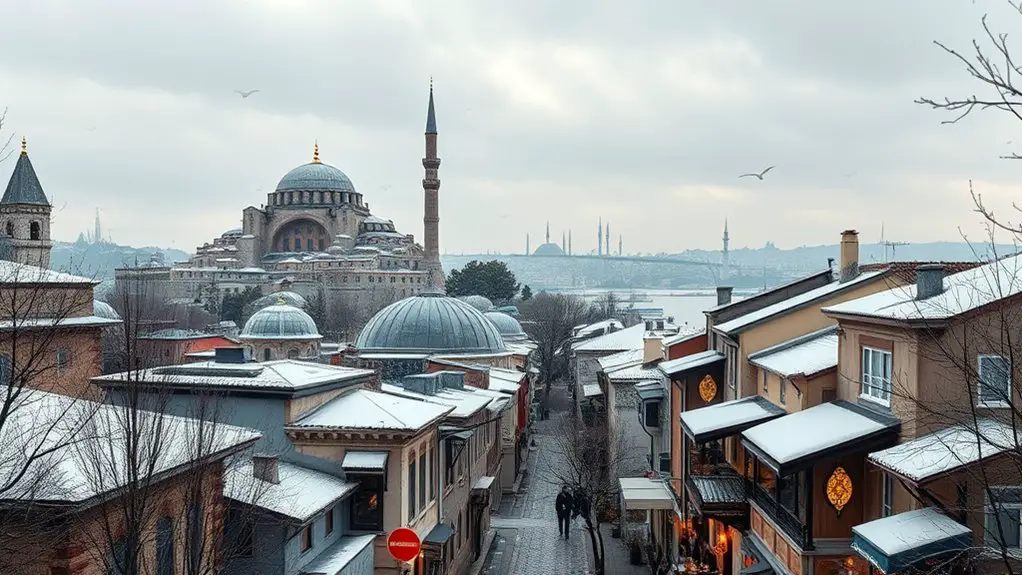
January is one of Istanbul’s coolest and wettest months. Average daily temperatures run from about 4.2°C to 9.6°C (40°F to 49°F), and the city averages more than 16 rainy days during the month.
Snow is possible when a strong cold spell reaches Istanbul, but a snowy Sultanahmet is not something you can count on. Rain, chilly wind, and gray skies are more typical winter conditions.
January still has advantages. Major sights such as Hagia Sophia, Topkapı Palace, and the historic Sultanahmet area generally feel less hectic than during spring and summer. Indoor attractions, hammams, museums, covered bazaars, and long café stops fit naturally into a winter itinerary.
Bring a warm waterproof outer layer, sweaters, an umbrella, and walking shoes with good grip. Istanbul’s stone and cobbled streets can become slippery when wet.
February: Chilly Days and Blossoming Hopes
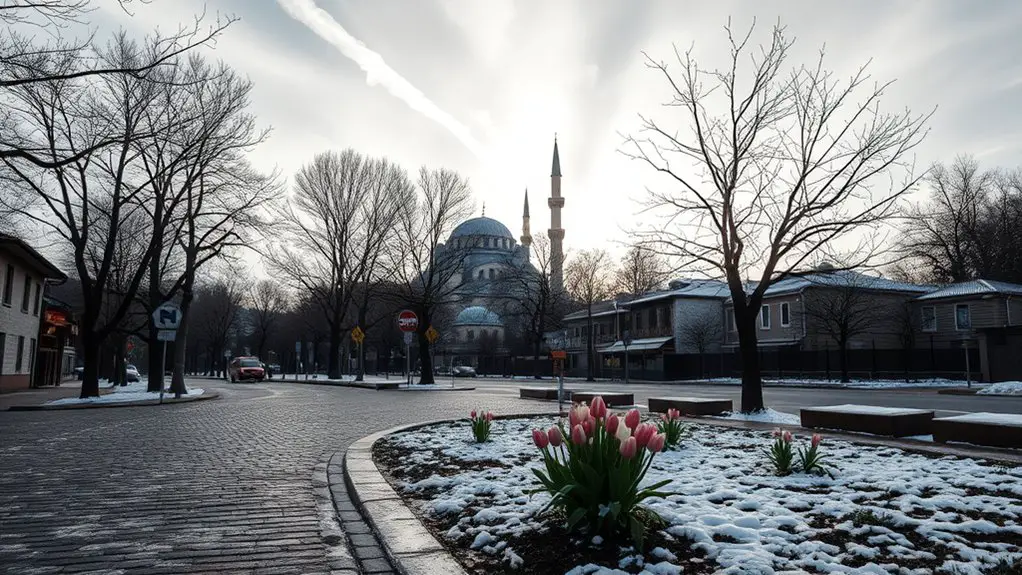
February remains firmly within Istanbul’s winter season, although rainfall begins to ease compared with January. Average lows are around 4.2°C (40°F), while average highs reach about 10.2°C (50°F).
Average Temperatures and Conditions
Expect a mix of cloudy, damp, breezy, and occasionally bright days. February averages about 70.7 mm of precipitation and roughly 14 rainy days, so waterproof clothing is still more useful than a heavy collection of fashionable winter layers.
Cold snaps can occur, and the wind near the Bosphorus may make the air feel colder than the thermometer suggests. Toward the end of the month, longer daylight starts to hint at the coming spring, but sustained warm weather is not yet guaranteed.
Cultural Events and Festivals
February is better treated as a month for Istanbul’s year-round cultural attractions than for relying on one major annual festival. Museums, galleries, concert halls, historic mosques, the Grand Bazaar, Spice Bazaar, and neighborhood food scenes give you plenty of bad-weather alternatives.
The International Istanbul Book Fair is not a February event in 2026; TÜYAP lists the 2026 fair for December 12–20. Likewise, the Istanbul Coffee Festival belongs to the early-autumn calendar rather than February.
Travel Tips for February
Use the quieter season to spend more time inside major attractions and to explore neighborhoods without peak-summer heat. Warm dishes such as lentil soup and hearty kebabs, along with Turkish tea or coffee, are especially welcome after a cold walk.
Pack layers so you can adjust between chilly streets and well-heated interiors. A waterproof jacket and comfortable closed shoes are more dependable than relying on an umbrella alone when the wind picks up.
March: The Arrival of Spring
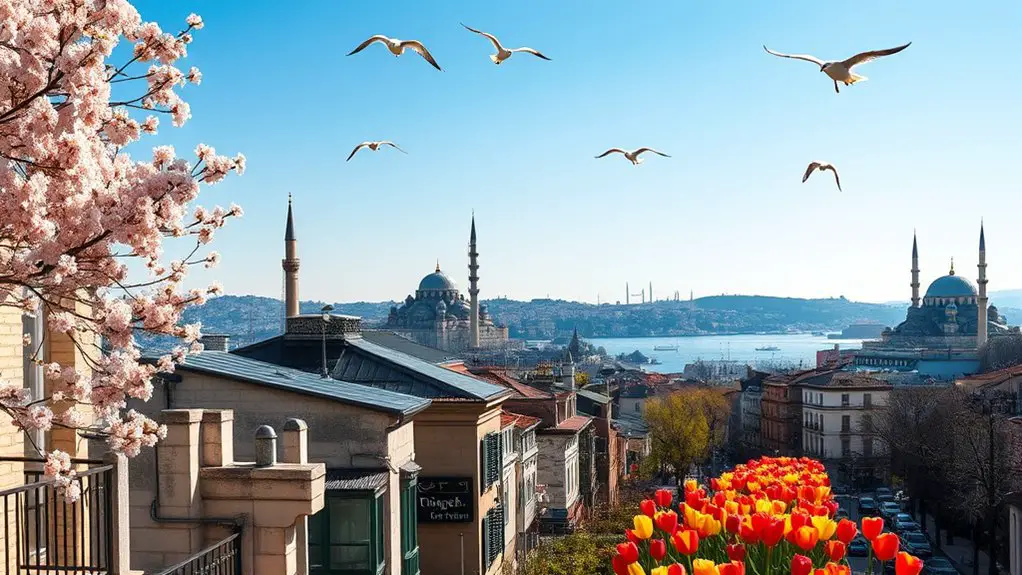
March is a transition month. Istanbul begins moving toward spring, but travelers should still expect cool mornings, rain, and occasional cold spells rather than consistently warm weather.
Weather Overview
Official averages put March lows near 5.5°C (42°F) and highs near 12.4°C (54°F). The city averages about 62.3 mm of precipitation and roughly 12.6 rainy days.
That makes layering important. A pleasant sunny afternoon can quickly give way to a colder evening, especially beside the Bosphorus. Early blossoms and greener parks start to change the city’s appearance, but Istanbul’s peak tulip displays are more closely associated with April.
Events and Activities
March is a good time for long walks when the weather cooperates, including routes through Sultanahmet, Karaköy, Galata, Balat, Kadıköy, and along the Bosphorus. Keep an indoor museum, palace, or bazaar as a backup for rainy periods.
The major festival dates previously associated with March are better placed elsewhere in the calendar. In 2026, Istanbul Metropolitan Municipality held its main tulip celebration on April 11–12, while the Istanbul Jazz Festival opened on June 30 and continued into July.
Pro Tip: For March and April trips, plan outdoor sightseeing for the clearest part of the day but keep at least one indoor attraction nearby. Istanbul’s spring weather can change enough that a flexible neighborhood-by-neighborhood itinerary works better than a rigid outdoor schedule.
April: Blooming Beauty and Mild Weather
April is one of the most attractive months to visit Istanbul. Average temperatures range from about 9.2°C to 17.4°C (49°F to 63°F), while rainfall drops compared with winter and early spring.
It is also the key month for tulip displays. Emirgan Grove, Gülhane Park, Göztepe 60th Year Park, and Hıdiv Grove are among the places highlighted by Istanbul Metropolitan Municipality. In 2026, the city’s Lale Bayramı celebrations took place April 11–12, alongside millions of tulips planted around major parks and groves.
April is excellent for walking historic districts, taking a Bosphorus cruise, visiting parks, or eating outdoors when the weather cooperates. Keep a light waterproof jacket nearby because the month still averages roughly 10 rainy days.
Culture is another reason to visit. The 45th Istanbul Film Festival ran from April 9–19 in 2026. Festival dates change each year, so check the organizer’s current program before building a trip around a specific event.
May: Warming Up for Summer
May brings some of Istanbul’s most comfortable sightseeing weather. Average daily lows rise to about 13.6°C (56°F), and highs reach around 22.3°C (72°F).
Rain becomes less frequent, daylight is longer, and parks, waterfront promenades, terraces, and ferry trips become easier to enjoy without the stronger midsummer heat.
May is ideal for picnics, neighborhood walks, Bosphorus sightseeing, outdoor markets, and day trips to the Princes’ Islands. Pack light layers rather than only summer clothing; evenings beside the water can still feel cool.
The Istanbul Music Festival is sometimes mistakenly placed in May. In 2026, however, the official festival ran in June. May travelers should check current municipal and venue calendars rather than relying on a fixed annual date for concerts and special events.
June: The Start of the Hot Season
June marks the start of reliably warm summer weather. Average lows reach about 18°C (64°F), while average highs climb to 27.1°C (81°F). Rainfall averages only 27.6 mm, with roughly five rainy days.
Longer daylight makes June particularly good for Bosphorus cruises, outdoor dinners, park visits, and evening walks. Beach trips to the Black Sea coast or excursions to the Princes’ Islands also become more appealing.
Three highlights to consider are:
- Outdoor sightseeing: Start early enough to enjoy cooler morning temperatures at exposed historic sites and viewpoints.
- Istanbul Music Festival: The 54th Istanbul Music Festival ran June 11–25, 2026, with concerts at major halls and distinctive venues around the city.
- Outdoor dining: Warm evenings suit terraces and waterfront restaurants, especially along the Bosphorus and in neighborhoods such as Karaköy, Beşiktaş, and Kadıköy.
The Istanbul Jazz Festival also began on June 30 in 2026, making the end of June a particularly active period for music.
July: Hot, Dry, and Busy
July is one of Istanbul’s hottest months, with an average low around 20.5°C (69°F) and an average high of about 29.7°C (85°F). Hotter afternoons can occur during heat waves.
It is also the driest month in the official Istanbul statistics, averaging only about 22.1 mm of precipitation and 3.5 rainy days. That makes weather disruption less likely, but midday heat can make long walks through exposed plazas and historic sites tiring.
Plan outdoor sightseeing for morning and late afternoon, and use museums, cisterns, cafés, or a longer lunch break during the hottest part of the day. Carry water and use sun protection.
The 33rd Istanbul Jazz Festival continued through July 13 in 2026 after opening June 30, with performances spread across the city.
August: Peak Summer Heat
August is similar to July, with average lows near 20.8°C (69°F) and highs around 29.7°C (85°F). Rain remains limited, although an occasional shower or thunderstorm can still occur.
Humidity becomes more noticeable during hot spells, particularly when temperatures stay elevated overnight. Loose, breathable clothing, a hat, sunglasses, sunscreen, and regular water breaks make sightseeing far more comfortable.
August works especially well for travelers who enjoy warm evenings, waterfront dining, ferry rides, and day trips near the water. Travelers who dislike heat may prefer May, September, or early October.
Caution: Summer averages do not represent the hottest conditions Istanbul can experience. During a heat wave, reduce strenuous midday walking, drink water regularly, seek shade or air-conditioned spaces, and follow current local weather alerts.
September: Warm Shoulder-Season Weather
September is one of the strongest months for travelers who want summer warmth without the peak July–August heat. Average temperatures range from about 17.6°C to 25.9°C (64°F to 79°F).
Rain begins to increase but remains relatively modest, averaging about 39.7 mm and 5.5 rainy days. Early September can feel distinctly summery, while evenings become fresher toward the end of the month.
Outdoor dining, ferries, neighborhood walks, and long sightseeing days remain comfortable. Pack mainly warm-weather clothing but add a light jacket for breezy evenings.
Coffee fans also have a seasonal event to watch. The 2026 Istanbul Coffee Festival was scheduled for September 10–13 at Tepe Nautilus.
October: Mild Days and Returning Rain
October brings a noticeable autumn transition. Average lows are around 13.7°C (57°F) and highs around 20.6°C (69°F), making daytime sightseeing comfortable without summer heat.
Rain becomes more frequent, with about 66.3 mm of average monthly precipitation and roughly 9.5 rainy days. A lightweight waterproof jacket and closed walking shoes become useful again.
Early October can still deliver warm, bright afternoons, while later weeks are more likely to feel distinctly autumnal. This variation makes layers especially useful.
For many visitors, October combines manageable temperatures with excellent walking conditions. It is a particularly good month for exploring neighborhoods, markets, palaces, and the waterfront without planning the day around extreme heat.
November: Cooler, Wetter, and Quieter
November moves Istanbul toward winter. Average temperatures fall to about 9.9–16.1°C (50–61°F), with average rainfall rising to 78.1 mm.
Expect a mix of mild afternoons, cool evenings, cloudy spells, wind, and rain. Outdoor sightseeing is still practical, but it helps to plan museums, palaces, bazaars, hammams, or cafés as weather-proof alternatives.
Pack a warmer jacket, light sweater, umbrella, and water-resistant footwear. Tourist numbers are generally lower than during the main spring and summer travel periods, which can make November appealing to visitors who value a quieter city more than guaranteed sunshine.
December: Wet Winter Weather
December is cool, damp, and one of Istanbul’s wettest months. Average lows sit near 6.5°C (44°F), while highs average about 11.8°C (53°F).
The Turkish State Meteorological Service lists approximately 99.2 mm of average precipitation and 15.5 rainy days for December, the highest monthly precipitation total in its Istanbul table.
A waterproof coat, warm layers, and shoes that cope well with wet pavement are essential. Snow can occur during sufficiently cold weather, but rain is much more dependable than a white winter landscape.
December also has genuine cultural events. The 43rd International Istanbul Book Fair is scheduled for December 12–20, 2026 at the TÜYAP Fair and Congress Center. New Year events also appear across the city toward December 31, although individual programs and access arrangements change each year.
Best Time to Visit Istanbul by Travel Style
| Travel Priority | Best Time | Why |
|---|---|---|
| Comfortable sightseeing | April–May; September–early October | Milder temperatures make long walks easier. |
| Tulips and spring parks | April | Major parks and groves feature extensive tulip displays. |
| Warm, drier weather | June–September | Rainfall is lower and outdoor evenings are warmer. |
| Avoiding peak summer heat | May or late September | Warm enough for outdoor plans without typical July–August temperatures. |
| Quieter winter atmosphere | January–February; November–December | Cooler, wetter weather generally reduces sightseeing demand outside holiday periods. |
What to Pack for Istanbul by Season
Winter: December to February
Bring a warm waterproof coat, sweaters or fleece layers, long pants, an umbrella, and water-resistant walking shoes. A scarf, hat, and gloves are useful during colder spells and windy ferry rides.
Spring: March to May
Layering is the key. Pack long pants, shirts, a sweater, comfortable walking shoes, a compact umbrella, and a light waterproof jacket. By May, include lighter clothing for warmer afternoons.
Summer: June to August
Choose breathable clothing, comfortable shoes, sunglasses, sunscreen, and a hat. Keep a light layer for strongly air-conditioned interiors or a breezy evening ferry ride.
Autumn: September to November
September still favors summer clothes with one light outer layer. By October and November, add long pants, sweaters, waterproof footwear, and a rain jacket.
Frequently Asked Questions
What are the average temperatures throughout the year in Istanbul?
Istanbul’s average daily highs range from about 9.6°C (49°F) in January to 29.7°C (85°F) in July and August. Average lows range from roughly 4.2°C (40°F) in January and February to 20.8°C (69°F) in August. Spring and autumn sit comfortably between those winter and summer extremes.
How do seasonal variations affect tourism in Istanbul?
Spring and early autumn are popular because temperatures favor long sightseeing days. Summer brings warm, dry weather but also more heat and busy attractions. Winter is wetter and cooler, so outdoor plans require more flexibility, but museums, palaces, bazaars, cafés, and hammams remain appealing.
Are there any festivals or events in Istanbul during winter?
Yes, although the calendar changes each year. One verified 2026 example is the International Istanbul Book Fair, scheduled for December 12–20. New Year concerts and celebrations also take place around the city. The Istanbul Film Festival is not a winter event; in 2026 it ran from April 9–19.
What should I pack for a trip to Istanbul?
Comfortable walking shoes are useful in every season because Istanbul is hilly and many historic areas have stone or cobbled surfaces. Pack waterproof outerwear and warm layers in winter, flexible layers in spring and autumn, and breathable clothing plus sun protection in summer. A compact umbrella is useful outside the driest summer months.
How does humidity vary with the seasons in Istanbul?
Summer is when humidity is most likely to combine with warmth and create muggy conditions, particularly in July and August. Winter is much cooler but also wetter, so it can feel damp rather than dry. Spring and autumn usually provide the most comfortable balance, although conditions can change quickly.
What is the rainiest month in Istanbul?
December has the highest average monthly precipitation in the Turkish State Meteorological Service’s Istanbul statistics at about 99.2 mm. January is also wet at roughly 88.8 mm. July is much drier, averaging about 22.1 mm.
Does it snow in Istanbul?
Yes, Istanbul can receive snow during winter cold spells, particularly from December through February, but snowfall varies considerably from year to year. Rain is much more dependable than snow, so do not plan a winter trip on the assumption that the historic center will be snow-covered.
What is the best month to visit Istanbul?
There is no single best month for every traveler, but May and September offer an especially useful balance of warm weather and manageable heat. April is excellent for tulips and spring scenery, while October suits travelers who prefer cooler walking weather and do not mind a greater chance of rain.
Conclusion
Istanbul is a year-round destination, but the weather changes enough to make timing important. April and May combine spring color with mild sightseeing conditions, while September and early October offer another comfortable window after the hottest part of summer. July and August suit travelers who enjoy heat and long warm evenings, while winter rewards visitors who are prepared for cooler, wetter days and want a quieter atmosphere.
Whatever month you choose, treat climate averages as a planning guide rather than a forecast. Check the short-range weather shortly before departure, bring layers when seasons are changing, and leave enough flexibility to move outdoor plans around rain or extreme heat.
Sources
- Turkish State Meteorological Service — Istanbul Climate Statistics — monthly average temperatures, rainfall, and rainy-day counts.
- Istanbul Metropolitan Municipality — Lale Bayramı 2026 — 2026 tulip celebration dates and principal display locations.
- Istanbul Foundation for Culture and Arts — Istanbul Film Festival, Istanbul Music Festival, and Istanbul Jazz Festival — verified 2026 festival timing.
- TÜYAP — International Istanbul Book Fair — official 2026 dates and venue.
- DSM Bilet — Istanbul Coffee Festival 2026 — current September 2026 event listing.
