
Last Updated on July 27, 2026 by Daniel Globe
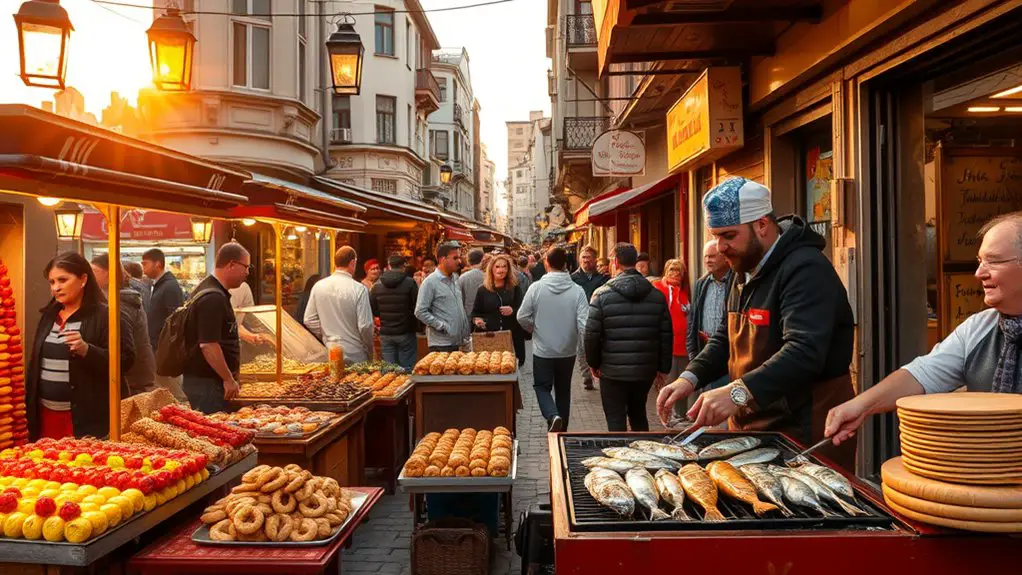
Istanbul is a city built for eating on the move. Between ferry docks, neighborhood markets, bakeries, kiosks, and late-night büfes, you can start with a warm sesame-crusted simit, move on to lahmacun or a grilled kebab, and finish with baklava without ever planning a formal meal. The key is knowing which foods to try, where they are most associated with the city, and which dishes deserve a little extra food-safety caution.
Quick Answer
The best Istanbul street foods to try include simit, döner and dürüm, lahmacun, balık ekmek, gözleme, meatless çiğ köfte, kokoreç, midye dolma, kumpir, roasted chestnuts, baklava, and ayran. For the widest choice, explore Eminönü, Karaköy, Kadıköy, Beşiktaş, Taksim, and Ortaköy.
Key Takeaways
- Start with Istanbul classics such as simit, döner, lahmacun, balık ekmek, midye dolma, kokoreç, and baklava.
- Kadıköy, Eminönü, Karaköy, Beşiktaş, Taksim, and Ortaköy each offer a different street-food experience.
- The çiğ köfte sold commercially today is normally a spicy meatless bulgur mixture, even though the traditional dish historically used raw meat.
- For lower food-safety risk, favor food cooked thoroughly and served hot, and be more cautious with shellfish and food that has been sitting at room temperature.
- Istanbul prices change quickly, so check posted menus before ordering instead of relying on old lira figures from travel guides.
Disclosure: As an Amazon Associate I earn from qualifying purchases. Some links on this page are affiliate links, at no extra cost to you.
The Iconic Simit: A Sesame-Crusted Istanbul Classic
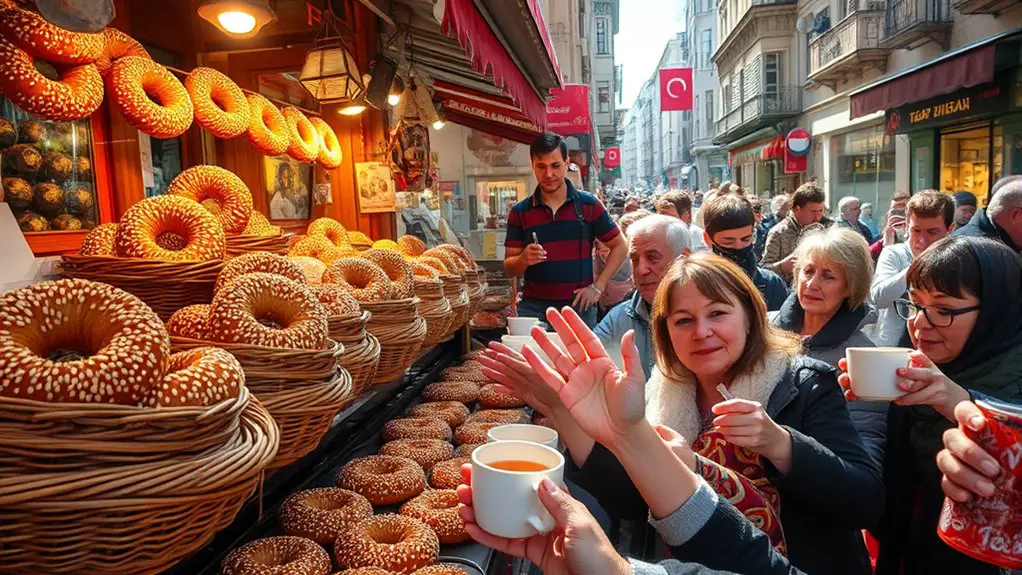
Simit is one of the easiest introductions to Istanbul street food. The ring-shaped bread has a crisp sesame-coated exterior and a chewy center, and you will see it at bakeries, ferry kiosks, transport hubs, and traditional red street carts.
Its connection with Istanbul goes back centuries. Historical research using Ottoman records and the writings of Evliya Çelebi documents simit and simit sellers in Istanbul during the Ottoman period. A Bilkent University study of simit history traces its development through 16th- and 17th-century records.
The classic version is best when fresh, with a deeply browned crust and plenty of sesame. It is commonly eaten on its own or alongside Turkish tea, cheese, jam, or other breakfast foods.
Pro Tip: For the best texture, buy simit in the morning from a busy bakery or cart receiving frequent fresh deliveries. Freshness matters more than hunting for one supposedly “best” seller.
Mouthwatering Kebabs: Grilled to Order
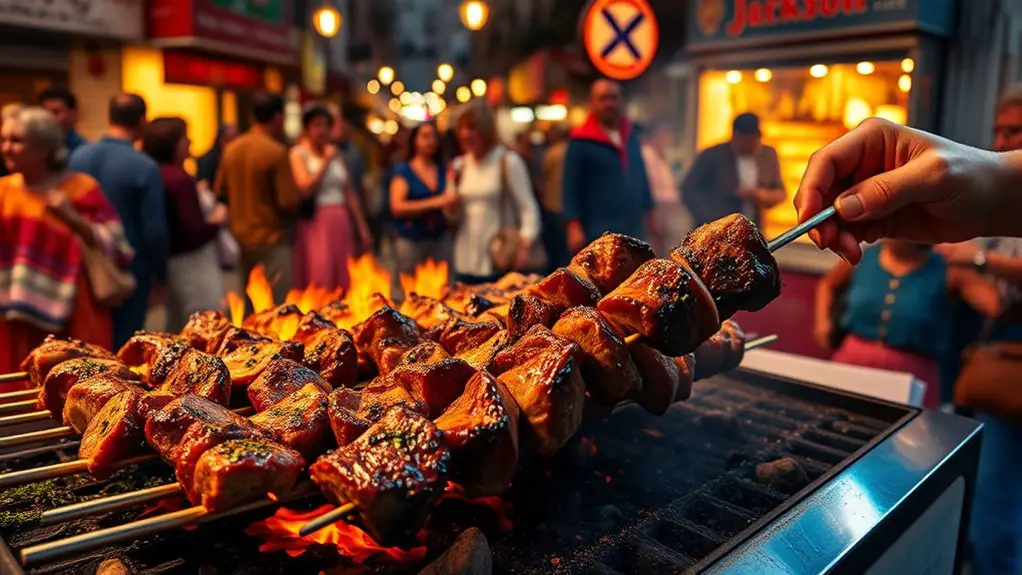
Follow the smell of charcoal through Istanbul and you will eventually find kebabs, grilled meat sandwiches, or dürüm wraps. “Kebab” is a broad category rather than one single recipe, so the meat, seasoning, shape, and cooking method vary.
You may encounter chicken, beef, or lamb cooked over charcoal or on skewers, then served with bread, grilled vegetables, onions, herbs, or salad. Seasonings also vary by style and region rather than following one fixed combination.
For an easy street-food meal, look for dürüm: grilled meat wrapped in thin flatbread with simple garnishes. Döner is another everyday favorite, sliced from a rotating vertical spit and served in bread, flatbread, or on a plate. Türkiye’s official tourism guide includes döner, dürüm, kebab, lahmacun, and other grilled foods among Istanbul’s common grab-and-go choices.
Traditional Lahmacun: Thin, Crisp, and Savory
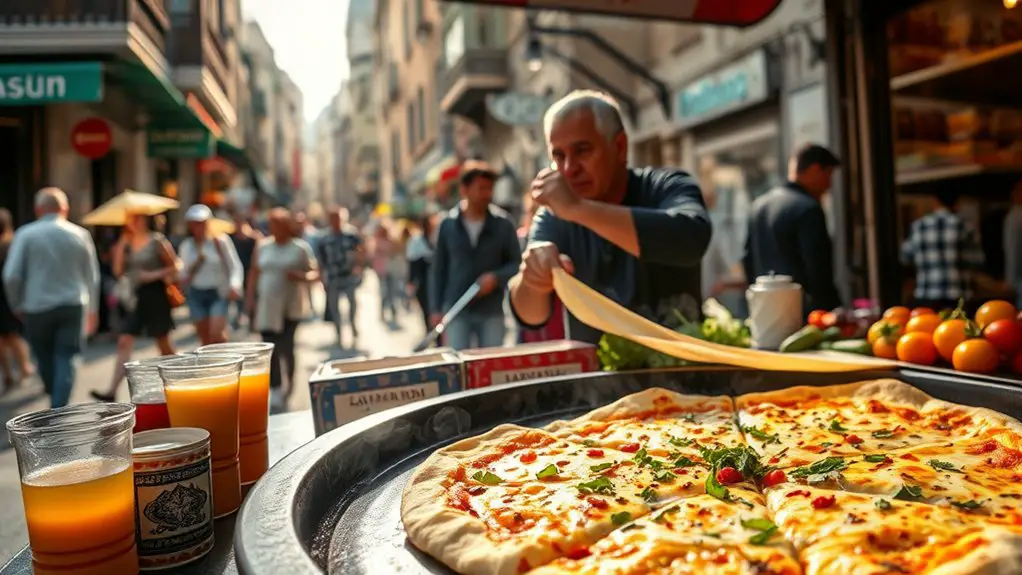
Lahmacun is sometimes nicknamed “Turkish pizza,” but the comparison only goes so far. It is a very thin round of dough spread with a finely chopped mixture that commonly includes minced meat, tomato or pepper, onion, herbs, and spices, then baked quickly at high heat.
Origin and History
Lahmacun belongs to a wider southeastern Anatolian and Middle Eastern flatbread tradition rather than a single modern invention. Regional recipes differ, and southeastern Türkiye is particularly associated with strongly seasoned versions. GoTürkiye’s regional food guide highlights Şanlıurfa-style lahmacun and its use of local isot pepper.
The dish works especially well as street food because it is thin, quick to bake, easy to fold, and filling without being as heavy as a large restaurant meal.
Preparation and Serving Styles
A good lahmacun should be thin with crisp edges rather than thick and doughy. After baking, it is commonly topped with parsley or other greens and a squeeze of lemon.
Many people roll or fold it before eating. Ayran is a classic drink alongside it, especially when the topping is spicy.
Note: Lahmacun normally contains meat. Ask before ordering if you need a vegetarian option rather than assuming a tomato-heavy topping is meat-free.
Freshly Made Balık Ekmek: Istanbul’s Famous Fish Sandwich
Balık ekmek literally means “fish bread,” and its simplicity is part of the appeal: grilled fish tucked into bread with combinations of onion, lettuce, herbs, lemon, or other fresh garnishes.
Eating balık ekmek beside the water is one of Istanbul’s classic street-food experiences, but the fish in your sandwich should not automatically be assumed to have come out of the Bosphorus that morning.
Mackerel is a common choice. Modern high-volume vendors may use imported fish, so “catch of the day” is not an accurate description of every sandwich. What matters more to the eating experience is that the fish is properly handled, thoroughly cooked, and served promptly.
Eminönü and Karaköy remain two of the best-known places to eat balık ekmek near the waterfront. Türkiye’s official tourism material also identifies these neighborhoods with the dish.
Sweet Treats: Indulging in Baklava
Baklava brings together thin pastry, butter, nuts, and syrup in a dessert that can range from crisp and delicate to intensely rich. Although it is more often bought from a specialist pastry shop than a literal street cart, it fits naturally into an Istanbul food crawl.
What Makes Good Baklava
The pastry should stay distinct and crisp rather than turning into a soggy block. Depending on the style, the filling may contain pistachios, walnuts, or other nuts, while a sweet syrup binds the layers together.
Baklava is rich, so you do not need a huge portion. A couple of pieces after a savory food stop is often enough to appreciate the texture and flavor without ending your food crawl early.
Regional Variations Explained
Do not assume there is one standard Turkish baklava. Regional traditions vary. Gaziantep is particularly famous for pistachio baklava; GoTürkiye’s Southeastern Türkiye food guide describes its paper-thin pastry, Gaziantep pistachios, butter, and syrup.
In Istanbul, pastry shops sell both pistachio and walnut versions as well as other variations. Rather than searching for an “Istanbul-only” filling, choose a specialist shop with good turnover and pastry that still looks crisp.
Gözleme: Savory Flatbreads Cooked on a Griddle
Gözleme is a thin Turkish flatbread filled, folded, and cooked on a hot griddle. It can function as a snack or a full light meal depending on the filling and portion.
Three common versions include:
- Spinach and cheese: A savory combination of leafy greens and white cheese.
- Potato and onion: A filling, mild option built around seasoned potato.
- Minced meat: A richer version with seasoned ground meat.
The contrast between the lightly crisp exterior and warm filling makes gözleme particularly satisfying when it is cooked to order. You will see it in markets, small eateries, cafés, and food-focused neighborhoods rather than only at conventional street carts.
Çiğ Köfte: Traditional Raw-Meat Roots, Modern Meatless Street Food
The name çiğ köfte literally refers to “raw köfte,” and traditional versions were made by kneading raw meat with fine bulgur, pepper pastes, onions, herbs, and spices. That history causes confusion for modern travelers.
The commercial çiğ köfte you are likely to buy from an Istanbul takeaway shop or street-food counter today is normally meatless. Türkiye’s official tourism material notes that meat has largely been replaced because of food-safety regulations and health concerns.
Modern versions are usually built around fine bulgur, tomato or pepper paste, spices, herbs, and other seasonings. They may be served in lettuce leaves or rolled in lavaş with greens, lemon, and sauce.
The result can be tangy, spicy, and surprisingly substantial. It is also one of the most useful options for travelers looking for meat-free street food, although you should still ask about sauces, garnishes, and cross-contact if you have strict dietary requirements.
Warning: Do not seek out unregulated raw-meat versions simply because the traditional recipe used raw meat. Raw or undercooked meat carries a higher foodborne-illness risk.
Unique Dishes: Exploring Kokoreç and Midye Dolma
If you want to move beyond bread, kebabs, and pastries, Istanbul has two famous street foods that tend to divide first-time visitors: smoky kokoreç and lemony midye dolma.
Kokoreç: A Bold Offal Sandwich
Kokoreç is made from seasoned offal and intestines, typically from sheep or goat, roasted on a horizontal spit or over charcoal. The cooked meat is chopped, seasoned, and often packed into bread.
Common seasonings include oregano, chili, and other spices. The finished sandwich is rich, fatty, smoky, and much more intensely flavored than a standard kebab.
It is especially associated with late-night eating. If you are curious but uncertain, share one first rather than ordering the largest portion.
Midye Dolma: Stuffed Mussels With Lemon
Midye dolma consists of cooked mussels filled with seasoned rice, then served in the shell. Vendors commonly squeeze lemon over each mussel as it is eaten.
The rice may contain aromatic spices and other flavorings, making the bite savory, fragrant, and slightly sweet depending on the recipe. You will see trays of midye dolma in areas such as Taksim, Beşiktaş, and Kadıköy.
Warning: Shellfish needs more caution than bread or food coming directly from a hot grill. Travelers who are pregnant, immunocompromised, older, or otherwise at higher risk from foodborne illness may prefer to skip street-vended mussels. For lower risk, choose food that has been properly cooked, handled hygienically, and stored at safe temperatures.
Refreshing Ayran: A Classic Street-Food Drink
Ayran is a savory drink made from yogurt, water, and salt. Its cool, lightly tangy flavor works especially well beside grilled meat, lahmacun, döner, and spicy çiğ köfte.
When a kebab, lahmacun, or çiğ köfte wrap feels particularly spicy, cold ayran is one of the most traditional drinks to order with it.
Some restaurants make foamy house ayran, while shops and kiosks sell packaged versions. Nutritional content varies by product, so it is better to think of ayran as a traditional yogurt drink rather than attach broad probiotic or digestive-health promises to every serving.
More Istanbul Street Foods Worth Trying
Döner and Dürüm
Döner is meat cooked on a vertical rotating spit and sliced as needed. It may be tucked into bread, wrapped in lavaş, or served on a plate. A dürüm simply describes a wrap, so you may also encounter Adana-style grilled meat and other fillings served this way.
Kumpir
Kumpir starts with a large baked potato whose soft interior is mixed with butter and cheese before you choose toppings. Options can include pickles, corn, olives, salads, sauces, and sausage.
Ortaköy is Istanbul’s signature kumpir destination. Rows of sellers operate near the waterfront, making it easy to compare toppings before ordering. GoTürkiye’s Istanbul street-food guide specifically highlights Ortaköy for kumpir.
Islak Hamburger
The ıslak hamburger, or “wet burger,” is a small burger coated in garlicky tomato sauce and kept warm in a humid display case. It is soft, messy, and strongly associated with the fast-food stands around Taksim Square.
Tavuklu Nohutlu Pilav
Chicken-and-chickpea rice is one of Istanbul’s simple cart foods. Fluffy rice is topped with chickpeas and shredded chicken for a filling meal that is less internationally famous than döner but very familiar in everyday Turkish food culture.
Roasted Chestnuts
When the weather cools, carts selling roasted chestnuts appear along major pedestrian routes such as İstiklal, Bağdat, and Bahariye. They are one of the easiest seasonal foods to eat while walking.
Börek
Börek covers a family of savory pastries filled with ingredients such as cheese, minced meat, spinach, or potato. Bakeries are usually a better place to look for it than outdoor carts, and it makes an excellent breakfast or mid-morning stop.
Dondurma
Turkish ice cream is known for its stretchy, chewy texture. In heavily visited areas, part of the experience may include the seller’s playful serving routine, but the real appeal is the dense texture and flavors such as pistachio, vanilla, or fruit.
Hidden Gems: Where to Find Istanbul Street Food
Istanbul does not have one single street-food district. Different neighborhoods specialize in different experiences, and many of the best stops are small bakeries, counters, büfes, and market shops rather than freestanding carts.
Eminönü
Start here for the classic waterfront atmosphere. Balık ekmek is the signature food around the waterfront and Galata Bridge area, while the surrounding streets give you easy access to simit, sweets, roasted snacks, and the Spice Bazaar.
Karaköy
Across the Galata Bridge, Karaköy mixes older trades with modern cafés and quick food counters. It is a useful area for fish sandwiches, pastries, desserts, and a wider food crawl that can continue uphill toward Galata and Beyoğlu.
Kadıköy
Kadıköy is one of the strongest all-around choices for travelers who want variety in a compact walkable area. Around the market streets you can find fish, midye dolma, kokoreç, lahmacun, kebabs, bakeries, desserts, pickles, and produce.
Beşiktaş
Beşiktaş combines breakfast culture, market streets, bakeries, döner, midye dolma, and inexpensive quick meals. It is especially convenient if you want to combine food with a Bosphorus-side walk.
Taksim and İstiklal
This is one of the city’s strongest late-night eating zones. Look for döner, kokoreç, stuffed mussels, roasted chestnuts, and the famous ıslak hamburger around Taksim Square and the streets leading away from İstiklal Avenue.
Ortaköy
Come here primarily for kumpir and the waterfront setting. The baked-potato stalls around Ortaköy make it easy to choose your own combination of toppings before continuing along the Bosphorus.
Pro Tip: Instead of crossing the whole city for one viral food stall, build your food crawl around the neighborhood you are already exploring. Istanbul’s size means a “must-try” snack can cost you an hour of travel if you chase individual shops across town.
Istanbul Street Food Prices and Payment Tips
Do not build a 2026 Istanbul food budget around old blog posts quoting meals for ₺20–₺50. Food prices have changed sharply, and the cost varies dramatically between a simit cart, a fish sandwich, a meat-heavy dürüm, a famous baklava shop, and a tourist-heavy waterfront location.
A better strategy is to decide how many substantial dishes you plan to eat and leave a buffer for drinks and desserts. A self-guided crawl with several stops can easily reach around ₺1,000 per person or more, while a longer crawl with meat dishes, seafood, sweets, and drinks can cost substantially more. Organized food tours are a separate category and generally cost far more than eating independently.
Cards are common in shops and restaurants, but carrying some Turkish lira is useful for carts and small vendors. Check the displayed price before ordering, particularly for products sold by weight or where several portion sizes are available.
Note: Istanbul food prices can change quickly. Treat any specific lira amount in a travel guide as a snapshot, not a guaranteed current price.
How to Eat Street Food More Safely in Istanbul
Street food is part of the Istanbul experience, but no vendor, neighborhood, or queue can guarantee that food is safe. The CDC Yellow Book’s food and water guidance for travelers recommends extra care with street-vended food and identifies fully cooked food served hot as a safer choice.
- Favor food cooked in front of you: Kebabs, döner, gözleme, lahmacun, and fish are easier to assess when they arrive hot from the grill, oven, or griddle.
- Avoid lukewarm food: Hot foods should be served hot rather than sitting for long periods at room temperature.
- Be more cautious with shellfish: Midye dolma requires careful handling and temperature control.
- Watch basic hygiene: Look at how money, utensils, raw ingredients, and ready-to-eat food are handled.
- Clean your hands before eating: Soap and water are best; hand sanitizer is useful when washing facilities are unavailable.
A busy stall can indicate fast turnover, which is useful, but popularity alone should never replace basic food-safety judgment.
Vegetarian, Vegan, and Allergen-Friendly Street Food
Istanbul offers several meat-free street-food choices, but ingredients can vary from shop to shop.
- Simit: Often suitable for vegans when served plain, but it contains wheat and sesame. Confirm ingredients if your diet is strict.
- Çiğ köfte: Commercial versions are generally meatless. Bulgur contains wheat, and sauces or recipes may contain additional allergens.
- Gözleme: Spinach, potato, and cheese fillings are widely available. Cheese versions contain dairy, and some sellers brush the flatbread with butter.
- Kumpir: Easy to customize, but the classic potato base commonly contains butter and cheese unless you request otherwise.
- Roasted chestnuts: A simple plant-based option when sold plain.
- Baklava: Commonly contains wheat, nuts, and butter or other dairy ingredients.
- Ayran: Contains dairy.
- Midye dolma: Contains shellfish.
Warning: People with serious food allergies should not rely solely on the appearance or usual recipe of a street food. Recipes, sauces, oils, garnishes, and cross-contact practices vary by vendor.
Frequently Asked Questions
What is the best time of year to enjoy Istanbul street food?
Istanbul street food is available year-round. Spring and fall are especially comfortable for long food walks because temperatures are generally milder. Winter has its own appeal because roasted chestnut carts become part of the street scene, while summer brings long evenings but also hotter weather and larger tourist crowds.
Are there vegetarian or vegan Istanbul street-food options?
Yes. Plain simit, roasted chestnuts, many commercial çiğ köfte wraps, some potato or spinach gözleme, and customized kumpir can work for vegetarian or vegan travelers. Always confirm ingredients because butter, cheese, yogurt sauces, and other animal products may be added during preparation.
How much should I budget for street food in Istanbul?
Avoid old budgets suggesting ₺20–₺50 for a full meal or ₺100–₺200 for a food tour; those figures are no longer realistic in 2026. For a self-guided tasting crawl, around ₺1,000 per person or more is a more practical starting buffer once you combine several dishes, dessert, and drinks. Prices vary sharply by neighborhood and can change quickly, so check menus and posted prices on the day.
Is street food in Istanbul safe to eat for tourists?
Many travelers eat Istanbul street food without problems, but no street food is risk-free. Favor vendors with clean handling practices and good turnover, and choose food cooked thoroughly and served hot. Be especially cautious with shellfish, raw or undercooked foods, and anything that has been sitting lukewarm for an unknown length of time.
Where can I find street-food markets in Istanbul?
Kadıköy’s market streets are one of the best all-around food areas. Eminönü combines the Spice Bazaar area with waterfront balık ekmek, while Beşiktaş has a lively market district and many quick-food shops. Karaköy is better thought of as a neighborhood full of food stops rather than one single “Karaköy Market.” Taksim and İstiklal are strong for late-night food, and Ortaköy is the classic destination for kumpir.
Does çiğ köfte in Istanbul contain raw meat?
The traditional dish historically included raw meat, but the commercial çiğ köfte sold at modern takeaway shops and street-food counters is normally meatless. It is typically made with fine bulgur, pepper or tomato paste, herbs, spices, and other seasonings and served in lettuce or a wrap.
Which Istanbul neighborhood is best for a first street-food crawl?
Kadıköy is one of the easiest choices because a compact area offers seafood, midye dolma, kokoreç, lahmacun, kebabs, bakeries, sweets, and market foods. Eminönü and Karaköy are better if your priority is a classic waterfront experience, while Taksim is strongest for late-night snacks.
Conclusion
Istanbul’s street-food scene is much bigger than kebabs and simit. A good food crawl might take you from a sesame-crusted simit in the morning to lahmacun, döner, or balık ekmek at lunch, followed by çiğ köfte, kokoreç, stuffed mussels, or kumpir later in the day. Finish with baklava and tea, and you will have sampled foods connected to several regions of Türkiye without leaving the city.
The best approach is to explore one neighborhood at a time, follow basic food-safety precautions, check prices before ordering, and leave room for something you did not plan to try. In Istanbul, that unexpected bite is often the one you remember most.
Sources
- GoTürkiye — Istanbul Street Food — official overview of Istanbul street foods, including döner, midye dolma, kumpir, and other popular dishes.
- GoTürkiye — Iconic Street Food From Istanbul — supports neighborhood associations for balık ekmek, midye dolma, roasted chestnuts, and kumpir.
- GoTürkiye — Southeastern Türkiye Food Guide — supports the history and modern form of çiğ köfte, Şanlıurfa lahmacun, and Gaziantep baklava.
- CDC Yellow Book — Food and Water Precautions for Travelers — food-safety guidance for street food, cooked food, meat, seafood, shellfish, and hygiene.
- World Health Organization — Food Safety in Street Food Vending — general street-vending food-safety guidance.
- Bilkent University — Simit and Simit Sellers in the Book of Travels of Evliya Çelebi — historical background on simit and Ottoman-era Istanbul.

