
Last Updated on July 27, 2026 by Daniel Globe
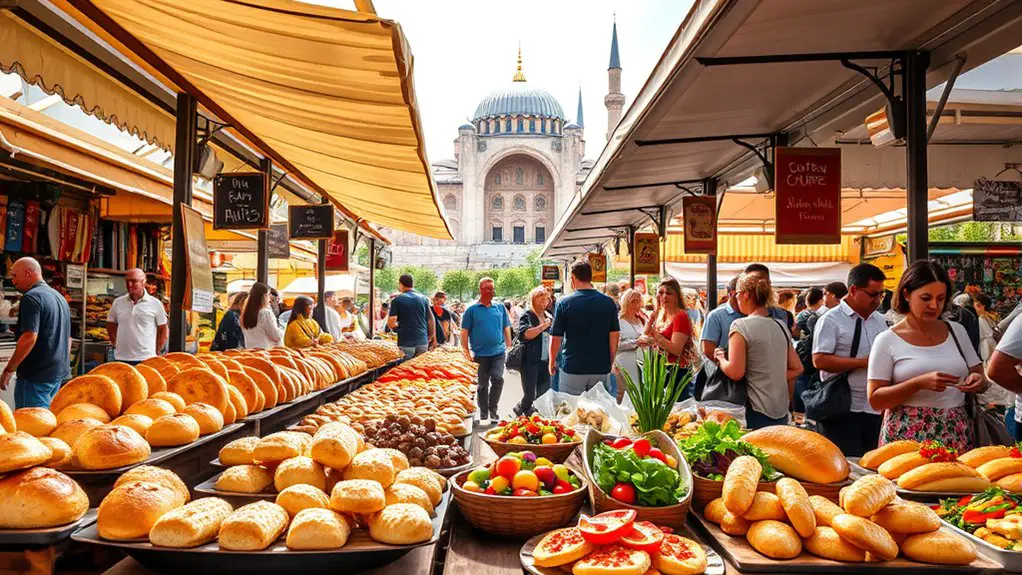
Eating gluten-free in Istanbul is absolutely possible, but knowing which foods are naturally gluten-free and which only look safe makes a big difference. Turkish cuisine offers plenty of grilled meats, fish, vegetables, yogurt-based dishes, rice, potatoes, and mezes, while bread, bulgur, pastry, shared fryers, and flour-heavy kitchens create important risks for travelers with celiac disease.
Quick Answer
For gluten-free dining in Istanbul, start with dedicated gluten-free businesses such as Rolla GlutenFree or Glutensiz.com Market & Cafe, and choose simple grilled meats, fish, vegetables, rice, potatoes, and carefully checked mezes elsewhere. Ordinary simit, pide, manti, börek, bulgur, and most pastries contain gluten, so diners with celiac disease should always ask about cross-contact.
Key Takeaways
- For the lowest cross-contact risk, favor dedicated gluten-free kitchens and verify current procedures directly with the restaurant before visiting.
- Simple grilled fish, unbreaded meat, vegetables, potatoes, plain rice, yogurt, olives, and some mezes can be good starting points, but preparation still matters.
- Ordinary simit, pide, manti, lahmacun, börek, baklava, gözleme, bulgur, kısır, and most bread are not gluten-free.
- Ask about shared fryers, grills, utensils, cutting boards, flour dust, sauces, marinades, and bread crumbs if you have celiac disease.
- Use clear Turkish phrases such as “Çölyak hastalığım var” and confirm ingredients even when a menu uses the word “glutensiz.”
Warning: A dish can contain no obvious wheat ingredients and still be unsafe for someone with celiac disease if it is prepared on a shared surface, in shared frying oil, or with utensils contaminated by bread or flour. The National Institute of Diabetes and Digestive and Kidney Diseases specifically advises people with celiac disease to ask restaurants about both ingredients and preparation methods.
Disclosure: As an Amazon Associate I earn from qualifying purchases. Some links on this page are affiliate links, at no extra cost to you.
Top Gluten-Free Restaurants in Istanbul
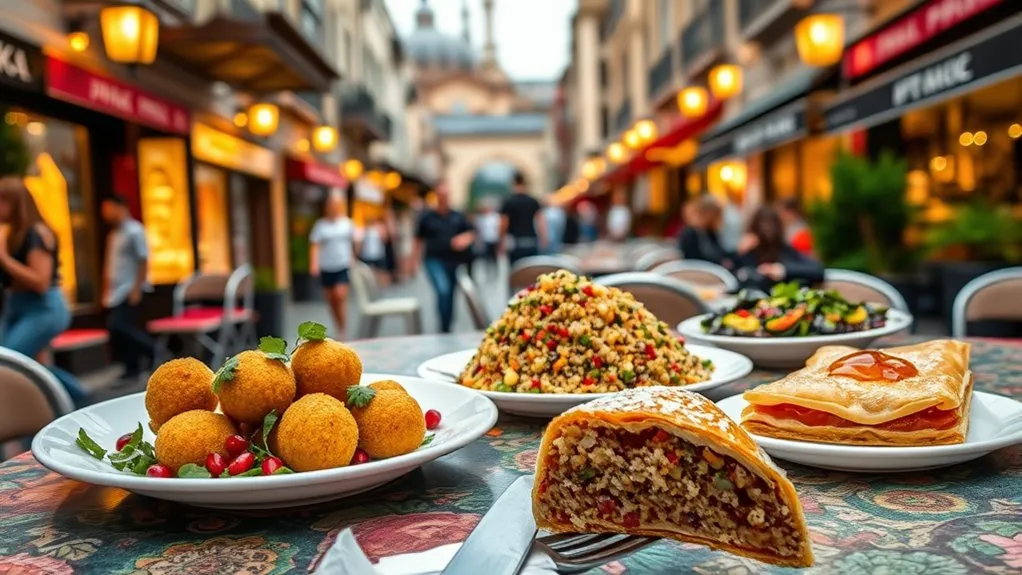
Istanbul has both dedicated gluten-free businesses and ordinary restaurants that may be able to modify individual dishes. For someone with celiac disease, those two categories should not be treated as equally safe.
Rolla GlutenFree
Rolla GlutenFree in Koşuyolu, Kadıköy, describes itself as a gluten-free bakery and eatery and identifies the business as celiac-friendly. Its current restaurant menu includes gluten-free burgers, sandwiches, bakery items, grilled dishes, bowls, snacks, and desserts.
Because menus, hours, and operating procedures can change, check the restaurant’s current information before making a special trip.
Glutensiz.com Market & Cafe
Glutensiz.com Market & Cafe currently lists locations in Maltepe and Etiler. The company states that both restaurants operate completely gluten-free kitchens and use approved gluten-free products.
These locations are especially useful when you want baked goods or prepared foods that are difficult to order safely in a conventional wheat-heavy bakery.
Karaköy Güllüoğlu for Gluten-Free Baklava
Traditional baklava is made with wheat-based pastry and is not gluten-free. However, Karaköy Güllüoğlu produces specifically labeled gluten-free baklava. The company describes separate storage and production areas, trained staff, separate serving equipment, and regular analysis for this product line.
This does not make every product in the shop gluten-free. Ask specifically for the gluten-free product and check current availability before visiting.
Pro Tip: For celiac disease, a dedicated gluten-free kitchen is usually easier to assess than a long restaurant menu containing one or two gluten-free dishes. At mixed kitchens, ask how your meal is actually prepared rather than relying only on a GF symbol.
Must-Try Gluten-Free Turkish Dishes
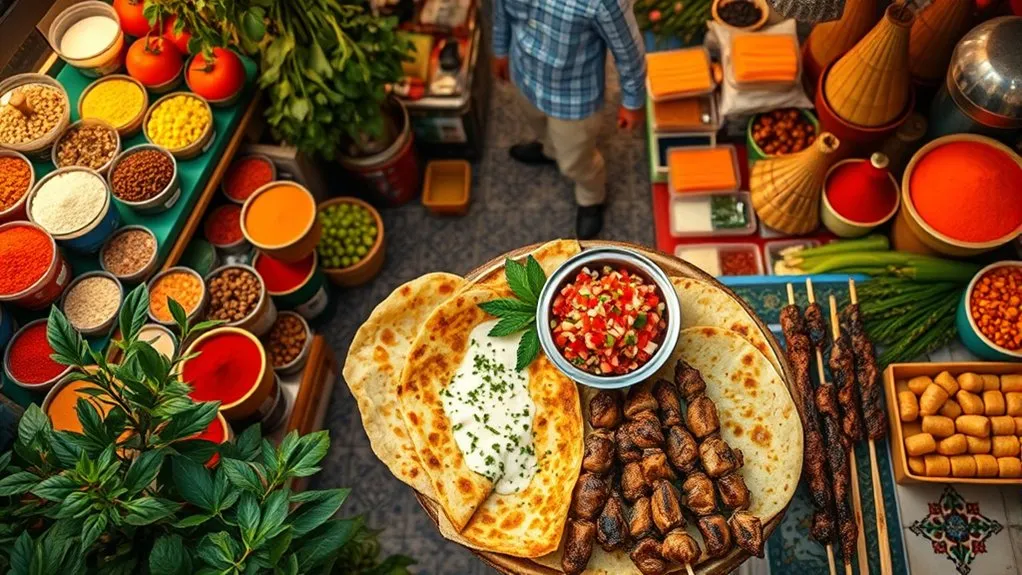
Some of the easiest Turkish foods to adapt to a gluten-free diet are the simplest ones: grilled meat or fish, vegetables cooked in olive oil, yogurt-based dishes, potatoes, eggs, fruit, and rice. The important word is adapt. Recipes vary from restaurant to restaurant, and ingredients such as bulgur, breadcrumbs, flour, or pasta can appear where you do not expect them.
Traditional Turkish Mezes
Many Turkish mezes begin with naturally gluten-free ingredients. Hummus made from chickpeas and tahini, cacık made from yogurt and cucumber, roasted eggplant dishes, olives, and some vegetable dishes can all be suitable choices.
Still, ask before ordering. Bread may be placed directly on a platter, flour may be used as a thickener, and shared serving utensils can introduce crumbs.
Be especially careful with kısır and tabbouleh. Both commonly contain bulgur, which is made from wheat and therefore contains gluten.
Sarma, or stuffed grape leaves, can be a useful option when the filling is made with rice, herbs, and spices. Some recipes use bulgur or other grains, so confirm the filling rather than assuming every version is gluten-free.
Regional Gluten-Free Specialties
| Dish | Typical Status | What to Check |
| Grilled fish or meat | Often naturally gluten-free | Ask about marinades, seasoning blends, bread contact, and shared grills. |
| Sarma | Potentially gluten-free | Confirm that the filling contains rice rather than bulgur or another wheat product. |
| İskender kebab | Normally contains gluten | Traditional versions are served over bread. Order only a specifically gluten-free preparation with safe bread and preparation procedures. |
| Manti | Normally contains gluten | The dumpling wrapper is normally wheat dough. Choose only an explicitly gluten-free version. |
| Pide or lahmacun | Normally contains gluten | Both normally use wheat dough. A dedicated gluten-free bakery or restaurant must make a special version. |
| Zeytinyağlı vegetables | Often naturally gluten-free | Check sauces, thickeners, fillings, and cross-contact. |
Delicious Gluten-Free Snacks and Street Food
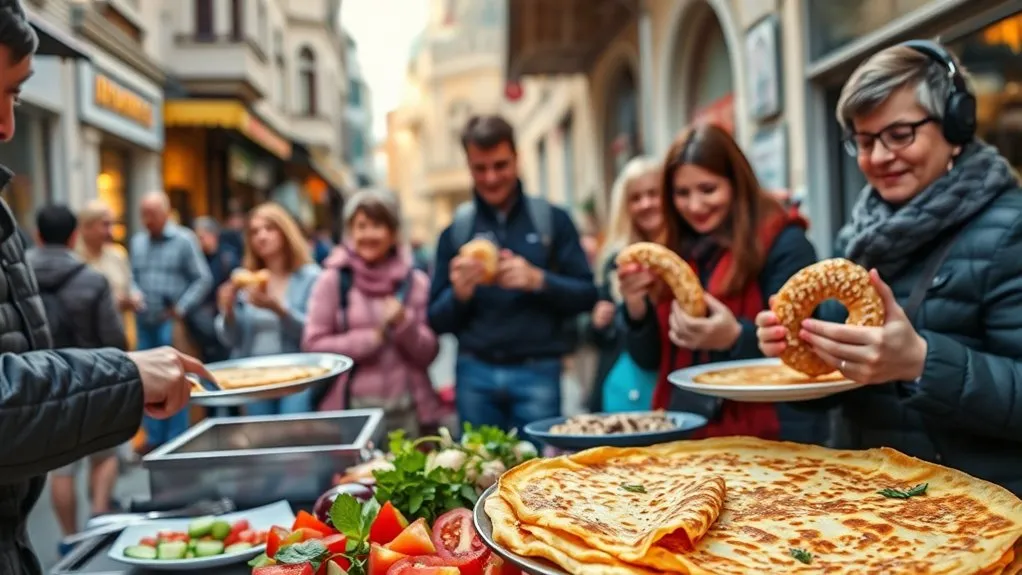
Istanbul’s street-food culture is tempting, but street stalls can be difficult for people who need strict protection from gluten cross-contact.
Ordinary simit is not gluten-free. It is a wheat-based bread ring coated with sesame seeds. Only eat simit when it has been specifically made as a gluten-free product by a business that can explain its preparation procedures.
Kumpir starts with a baked potato, which is naturally gluten-free. The risk comes from toppings and shared spoons, knives, countertops, sauces, or processed ingredients. Ask the vendor to identify suitable toppings and use clean utensils if your medical needs require it.
Plain roasted chestnuts, fresh fruit, and plain grilled or boiled corn are simpler choices because the basic ingredients do not contain gluten. Even then, inspect added sauces, seasonings, or shared preparation areas.
Turkish delight, or lokum, may be made without wheat, but recipes vary. Check ingredients and ask about flour, coatings, flavored varieties, and shared production equipment before treating it as celiac-safe.
Note: “Naturally gluten-free” describes the basic ingredients, not necessarily the finished restaurant or street-food item. Preparation can introduce gluten through crumbs, flour, sauces, frying oil, utensils, or shared surfaces.
Tips for Eating Gluten-Free in Istanbul
The safest strategy depends on why you avoid gluten. Someone choosing a gluten-free diet may accept a level of shared-kitchen exposure that is not appropriate for a person with celiac disease or a serious wheat allergy.
For celiac disease, Coeliac UK’s eating-out guidance recommends telling staff that the requirement is medical, asking about cross-contamination, and specifically checking whether a separate fryer is used.
| Ask About | Why It Matters |
| Shared fryer | Breaded foods can leave gluten in the frying oil. |
| Shared grill or griddle | Bread and gluten-containing marinades may touch the same cooking surface. |
| Bulgur or vermicelli | Bulgur is wheat, while rice pilaf may contain small wheat pasta such as vermicelli. |
| Köfte and processed meat | Some recipes contain bread or breadcrumbs as a binder. |
| Soups and sauces | Flour, noodles, stock products, or other gluten-containing ingredients may be used. |
| Utensils and cutting boards | Bread crumbs and flour can transfer to an otherwise gluten-free meal. |
Useful Turkish Phrases
You do not need fluent Turkish to explain the basics. These phrases are clearer than saying “Ben gluten-freeim,” which is not natural Turkish:
- Çölyak hastalığım var. — I have celiac disease.
- Gluten yiyemem. — I cannot eat gluten.
- Glutensiz olması gerekiyor. — It needs to be gluten-free.
- Bu yemek gluten içeriyor mu? — Does this dish contain gluten?
- Buğday, arpa, çavdar veya bulgur içeriyor mu? — Does it contain wheat, barley, rye, or bulgur?
- Aynı fritöz veya mutfak ekipmanı kullanılıyor mu? — Is the same fryer or kitchen equipment used?
A written translation card can also help staff understand that this is a medical requirement rather than a preference.
Watch for Hidden Gluten in Turkish Food
Some dishes that appear rice-, meat-, or vegetable-based may still contain gluten. Common examples include rice pilaf mixed with vermicelli, köfte containing bread crumbs, soups thickened with flour, bulgur-based salads, sauces, and meat served directly on bread.
The NIDDK advises people with celiac disease not to eat food when they are unsure whether it contains gluten.
Gluten-Free Bakeries and Cafés
Conventional Turkish bakeries are difficult environments for strict gluten avoidance because wheat flour and wheat-based pastries dominate production. Dedicated gluten-free businesses are therefore particularly valuable for bread, pastries, desserts, and dough-based Turkish specialties.
Rolla GlutenFree offers gluten-free bakery items alongside meals at its Koşuyolu location. Its current business information describes the entire concept as gluten-free.
Glutensiz.com Market & Cafe operates gluten-free restaurants in Maltepe and Etiler. Its official information says the kitchens are completely gluten-free and also offers baked and packaged products.
For a traditional dessert, Karaköy Güllüoğlu maintains a specifically produced gluten-free baklava range. Ask only for that labeled range because the shop also sells many conventional wheat-based pastries.
Resources for Gluten-Free Dining in Istanbul
Restaurant directories are useful for discovering possibilities, but they should be the beginning of your research rather than the final safety check. Kitchens, menus, employees, recipes, and cross-contact procedures can all change.
Local Gluten-Free Resources
GlutenPath is a Turkey-focused gluten-free venue directory covering Istanbul and other Turkish cities. Importantly, the service itself states that a listing or score does not guarantee that a restaurant is safe and advises users to confirm cross-contact precautions directly.
For shopping, specialty gluten-free markets and larger supermarkets can help you stock breakfast foods, packaged snacks, bread, crackers, and other backup foods. Read each current ingredient label rather than relying on packaging color or shelf placement.
On Turkish packaging, glutensiz means gluten-free. People with celiac disease should still follow the labeling advice given by their own clinician or dietitian, particularly for products with precautionary allergen statements.
Recommended Apps for Dining
Find Me Gluten Free is widely used by travelers to discover restaurants and read community experiences. Treat user reviews as leads rather than medical guarantees, especially when a review is old.
GlutenPath is particularly relevant in Turkey because its venue coverage focuses on the local gluten-free and celiac community. Its own safety guidance correctly emphasizes confirming cross-contact procedures with the restaurant.
Before traveling across Istanbul for a particular meal, check the restaurant’s official website or social account and contact it directly. A venue recommended several years ago may have moved, changed menus, or closed.
Restaurants With Gluten-Free Options
For travelers who need strict gluten avoidance, the most clearly verified current starting points are:
- Rolla GlutenFree, Koşuyolu: a gluten-free bakery and eatery whose current website describes the business as celiac-friendly.
- Glutensiz.com Market & Cafe, Maltepe: the company states that the kitchen is completely gluten-free.
- Glutensiz.com Market & Cafe, Etiler: another current fully gluten-free location listed by the company.
- Karaköy Güllüoğlu: useful specifically for the company’s separately produced gluten-free baklava range rather than as an entirely gluten-free shop.
At other Istanbul restaurants, grilled meats, fish, vegetables, salads, yogurt dishes, potatoes, and rice may provide suitable options, but ingredients and preparation methods still need to be checked.
Frequently Asked Questions
Are Gluten-Free Options Available at Traditional Turkish Breakfast Spots?
Yes. A Turkish breakfast can include naturally gluten-free foods such as eggs, menemen, olives, tomatoes, cucumbers, cheese, yogurt, fruit, honey, and jam. However, bread, simit, börek, pastries, and some processed meats are not automatically safe. People with celiac disease should also consider bread crumbs, shared serving utensils, toasters, pans, and buffet cross-contact.
How Do I Communicate Gluten-Free Dietary Needs in Turkish?
For celiac disease, say “Çölyak hastalığım var” and “Gluten yiyemem,” meaning “I have celiac disease” and “I cannot eat gluten.” You can also ask, “Bu yemek gluten içeriyor mu?” meaning “Does this dish contain gluten?” For strict avoidance, explain that shared fryers, bread crumbs, flour, and cooking equipment are also a concern.
Is Gluten-Free Beer Available in Istanbul?
Availability can change, so do not assume a particular bar or supermarket currently carries it. Conventional beer is generally made from gluten-containing grains such as barley. Look for a product specifically labeled gluten-free and check its current ingredients and labeling rather than relying on a bartender’s assumption.
Are There Gluten-Free Options at Popular Tourist Attractions?
Often, but availability varies by attraction and nearby restaurant. Do not assume that a café near a major landmark has celiac-safe preparation simply because it offers salads or grilled foods. Research nearby restaurants before sightseeing, carry a packaged backup snack, and confirm ingredients and cross-contact procedures when ordering.
Is Turkish Delight Gluten-Free?
Some traditional lokum recipes may use ingredients that do not contain gluten, but products vary. Flavorings, coatings, added ingredients, and shared production equipment can change the answer. Check the specific product label or ask the manufacturer before treating Turkish delight as safe for celiac disease.
What Should I Do if I Accidentally Eat Gluten in Istanbul?
If you have celiac disease and accidentally consume gluten, follow the personal advice your clinician has given you, rest as needed, stay hydrated if you can, and seek medical care for severe, unusual, or persistent symptoms. There is no routine emergency medication that reverses celiac gluten exposure. A wheat allergy is different: if you develop signs of anaphylaxis and have prescribed epinephrine, use it according to your emergency plan and call Turkey’s emergency number, 112, immediately. Do not rely on an antihistamine instead of epinephrine for suspected anaphylaxis.
Sources
- National Institute of Diabetes and Digestive and Kidney Diseases — Eating, Diet & Nutrition for Celiac Disease — gluten-containing grains, naturally gluten-free foods, restaurant precautions, and cross-contact.
- Coeliac UK — Eating Out Gluten Free — restaurant communication, cross-contamination questions, and separate-fryer guidance.
- American Academy of Allergy, Asthma & Immunology — Anaphylaxis — epinephrine and emergency treatment for serious allergic reactions.
- Rolla GlutenFree — current gluten-free bakery/eatery and location information.
- Glutensiz.com Market & Cafe — current Maltepe and Etiler gluten-free restaurant information.
- Karaköy Güllüoğlu — Gluten-Free Baklava — current gluten-free baklava production and handling information.
Conclusion
Istanbul can be rewarding for gluten-free travelers once you know what to check. Start with dedicated gluten-free businesses when possible, and treat simple grilled meats, fish, vegetables, rice, potatoes, yogurt, and carefully checked mezes as better starting points in conventional restaurants.
Do not assume that a dish is safe just because it looks wheat-free. Ordinary simit, pide, manti, börek, bulgur, most pastries, and many bread-based dishes contain gluten, while shared fryers and preparation surfaces add another layer of risk. With clear communication, current restaurant research, and careful attention to cross-contact, you can explore Istanbul’s food culture much more confidently.
