
Last Updated on July 27, 2026 by Daniel Globe
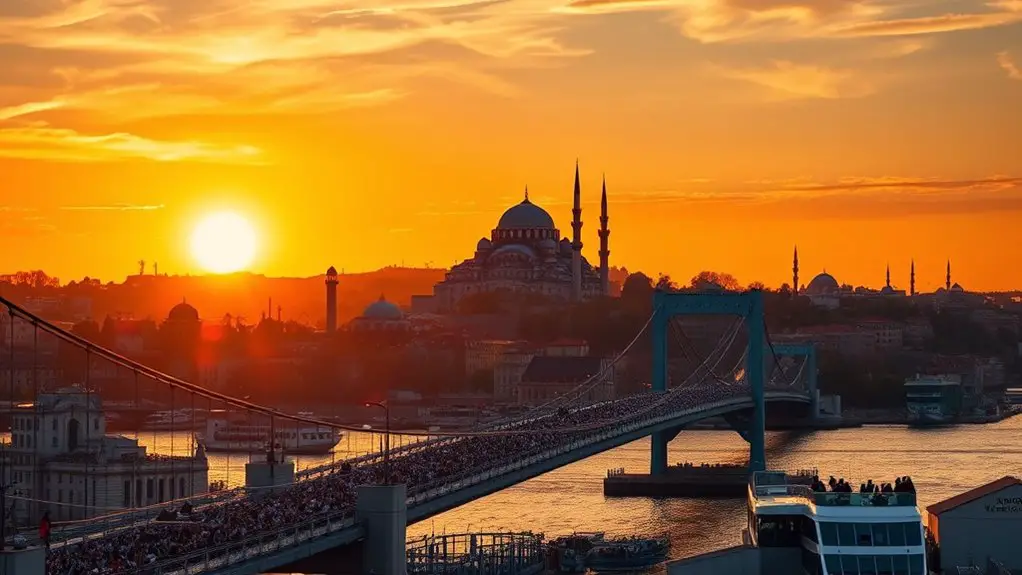
Istanbul gives photographers an unusually rich mix of monumental architecture, waterfront skylines, colorful neighborhoods, busy markets, and everyday street life. The best photography spots in Istanbul range from Hagia Sophia and the Blue Mosque in Sultanahmet to Galata Tower, Balat, the Bosphorus, and Maiden’s Tower. Good timing matters, but knowing where to stand and what access rules apply can make just as much difference.
Quick Answer
The best photography spots in Istanbul include Hagia Sophia, the Blue Mosque, Galata Tower, the Bosphorus waterfront, Grand Bazaar, Spice Bazaar, Topkapı Palace, Balat, Maiden’s Tower, and Ortaköy Mosque. Shoot Sultanahmet early, use Galata and the waterfront for skyline views, and save Salacak or Ortaköy for sunset and blue hour.
Key Takeaways
- Visit Hagia Sophia and the Blue Mosque early for softer light, cleaner compositions, and fewer people in Sultanahmet Square.
- Galata Tower gives one of the strongest elevated views over the Golden Horn and Historic Peninsula, while the Bosphorus waterfront is better for reflections and bridge compositions.
- Balat, Grand Bazaar, and Spice Bazaar are ideal for color and street photography, but ask before making close-up portraits or photographing people inside shops.
- Salacak in Üsküdar is one of the easiest places to photograph Maiden’s Tower against the Historic Peninsula without buying a tower ticket.
- Photography rules vary by museum and mosque, and drone flying in Istanbul’s dense tourist areas can require official authorization.
Disclosure: As an Amazon Associate I earn from qualifying purchases. Some links on this page are affiliate links, at no extra cost to you.
Best Istanbul Photography Spots at a Glance
| Location | Best Light | Best For | Useful Tip |
|---|---|---|---|
| Hagia Sophia | Early morning / blue hour | Architecture and historic detail | Photograph the exterior from Sultanahmet Square before crowds build. |
| Blue Mosque | Morning / late afternoon | Domes, minarets, İznik tiles | Approach from the Hippodrome side for a strong full-façade view. |
| Galata Tower | Late afternoon / blue hour | Panoramas and skyline layers | Night-museum access can extend shooting opportunities after daylight hours. |
| Balat | Morning | Color and street photography | Remember that many photogenic façades are people’s homes. |
| Maiden’s Tower | Sunset / blue hour | Silhouettes and waterfront scenes | Shoot from Salacak for a classic shore-based composition. |
| Ortaköy Mosque | Sunset / night | Mosque and bridge compositions | Include the 15 July Martyrs Bridge behind the mosque for a layered cityscape. |
Hagia Sophia: A Marvel of Architectural Grandeur
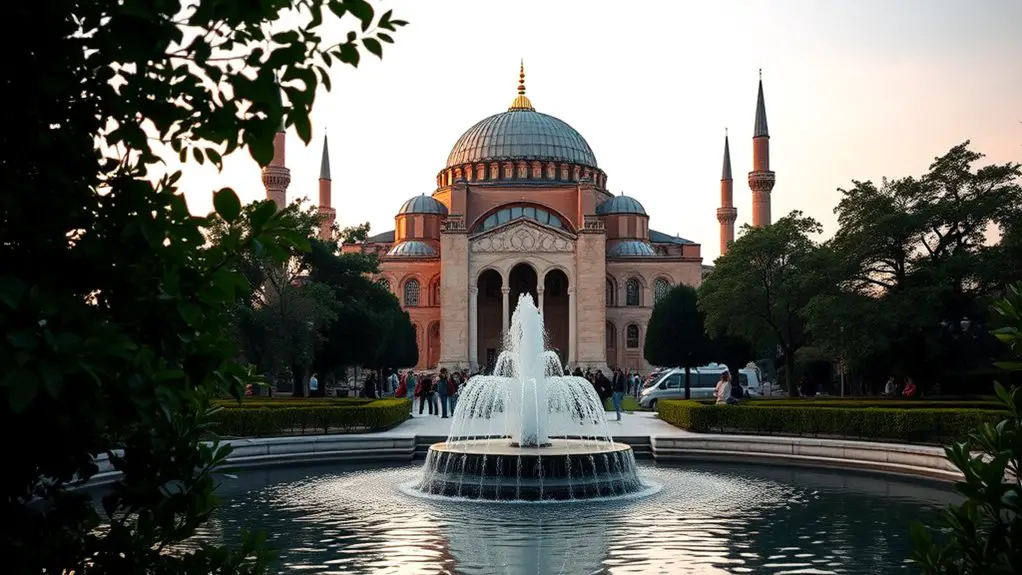
As you step toward Hagia Sophia, the scale of the building immediately dominates Sultanahmet. UNESCO dates its construction to 532–537 and describes its vast dome as one of the defining achievements of sixth-century architecture. The monument later became an Ottoman mosque, served as a museum during the modern Turkish Republic, and has functioned as a mosque again since 2020. UNESCO’s Historic Areas of Istanbul listing provides useful background on its architectural importance.
That layered history is exactly what makes Hagia Sophia so interesting to photograph. Byzantine mosaics, enormous calligraphic roundels, columns, arches, and the central dome create visual contrasts that few other buildings can match.
For exterior photographs, start in Sultanahmet Square early in the morning. A wide-angle lens works well when you are close, while a standard or short telephoto lens lets you compress the domes and minarets from farther across the square. Blue hour can also produce strong images when the building lights balance with the remaining color in the sky.
Visitor access has changed in recent years. Türkiye’s Ministry of Culture and Tourism introduced a visitor-management system separating worship access from the route used by foreign cultural visitors, including a gallery-level visitor route. Check the Ministry’s Hagia Sophia visitor information and on-site notices before planning interior photography because restoration work and visitor arrangements can affect access.
Note: Hagia Sophia is an active mosque, not simply a museum attraction. Treat prayer areas and worshippers respectfully, follow staff instructions, and never assume that equipment permitted outdoors will also be allowed inside.
Blue Mosque: Capturing the Serenity of Sultanahmet
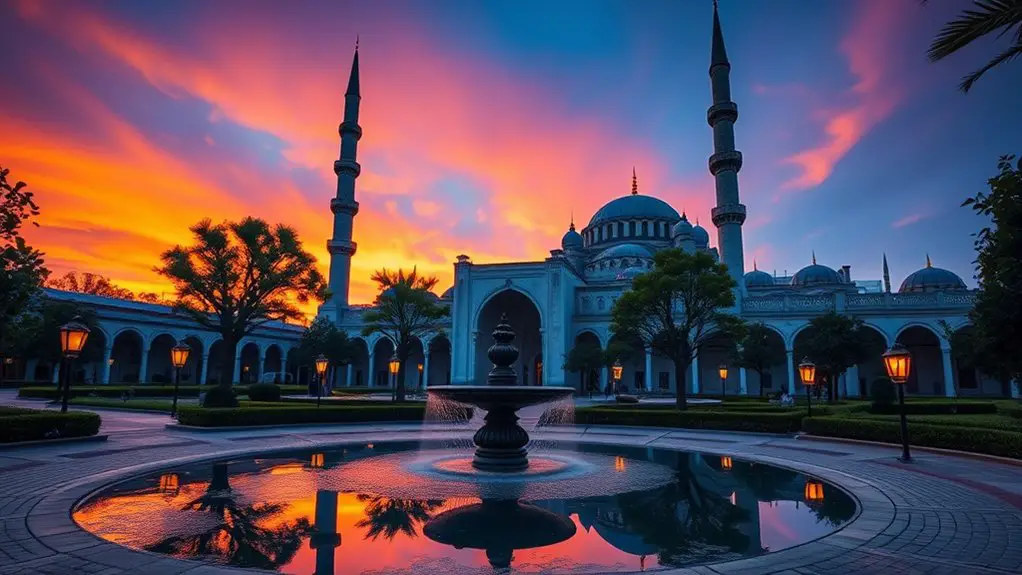
Across Sultanahmet Square, the Blue Mosque, or Sultan Ahmed Mosque, gives you another classic Istanbul composition. Its six minarets, cascading domes, courtyard, and blue-toned İznik tiles make it visually distinct from Hagia Sophia.
The mosque is an active place of worship. GoTürkiye’s official Blue Mosque guide highlights the thousands of tiles, stained-glass light, domed interior, and six-minaret skyline that make the building so recognizable.
For a full exterior view, approach from the old Hippodrome side. Early morning generally gives you more space to work, while late-afternoon light can add texture to the stonework. A 16–35mm-equivalent lens is useful in the courtyard, but stepping farther back with a normal focal length can reduce exaggerated perspective.
The Blue Mosque is often strongest photographically when you use its repeating domes, arches, and minarets to create symmetry rather than trying to fit every detail into one frame.
Inside, focus on the İznik tiles, calligraphy, arches, windows, and changing natural light rather than looking for mosaics. Wide apertures and a steady hand can help when tripods are impractical or prohibited.
People can give your photographs a sense of scale, but avoid turning worshippers into unwilling close-up subjects. Prayer takes priority over photography, and visitor access can pause or change around services.
Pro Tip: Photograph Hagia Sophia and the Blue Mosque during the same early-morning session. They sit across Sultanahmet Square from each other, so you can work both locations before the day’s largest crowds arrive.
Galata Tower: Panoramic Views of the City
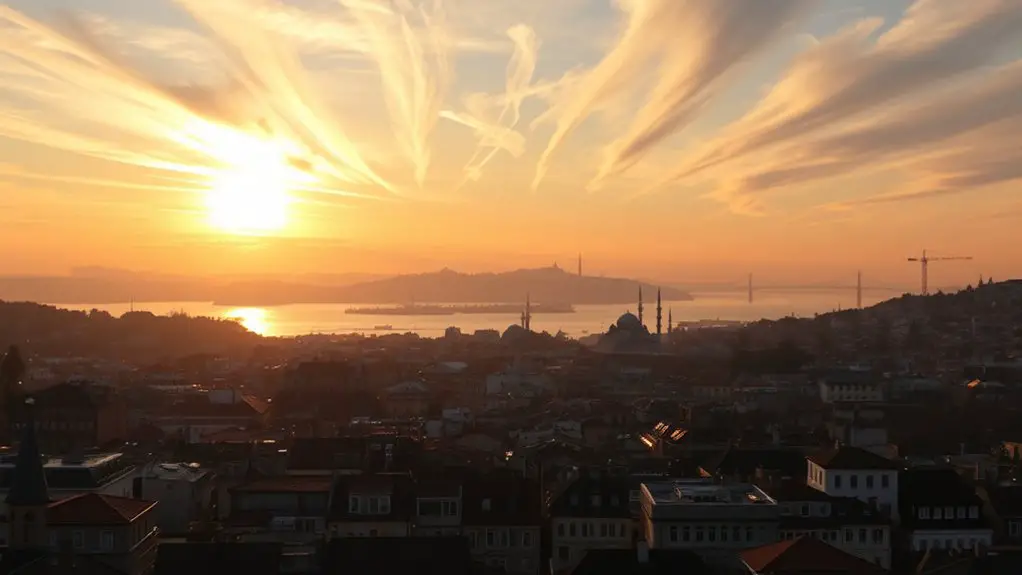
Galata Tower gives you one of Istanbul’s best elevated viewpoints. The current stone tower was built by the Genoese in the mid-14th century, and its observation level looks toward the Golden Horn, Historic Peninsula, Bosphorus, and dense rooftops of Beyoğlu.
Look for several distinct compositions rather than taking only one wide panorama:
- Golden Horn: Use the water as a leading line toward the Historic Peninsula.
- Historic Peninsula: Isolate Hagia Sophia, Topkapı Palace, and mosque-filled skyline layers with a short telephoto lens.
- Bosphorus: Include ferry traffic to add scale and movement.
- Rooftops of Galata: Photograph the tightly packed streets and red roofs directly below the tower.
Galata Tower is also more useful for evening photography than the original article suggests. The official Müze Türkiye listing for Galata Tower currently shows daytime access followed by a night-museum period, allowing visitors to experience the city after sunset. Hours can change, so confirm them before arranging a blue-hour shoot.
The observation area can become crowded. A tripod may be impractical even when personal photography itself is permitted, so image stabilization and a camera that performs well at higher ISO settings are useful.
Bosphorus Strait: The Perfect Waterfront Shots
The Bosphorus Strait separates Istanbul’s European and Asian sides and gives photographers constantly changing scenes: ferries, fishing boats, waterfront mansions, mosques, hills, and suspension bridges.
The southern bridge often called the Bosphorus Bridge is officially the 15 July Martyrs Bridge. From Ortaköy, you can combine the bridge with the mosque; from Asian-side waterfronts, you can instead use Istanbul’s European skyline as the background.
Use this as a starting point for planning:
| Time of Day | Best Locations | Tips for Photos |
|---|---|---|
| Sunrise | Ortaköy / European waterfront | Use soft light and passing ferries for scale. |
| Midday | Bebek / Bosphorus ferry | A polarizer can reduce glare, but rotate it carefully with wide lenses. |
| Golden Hour | Rumeli Fortress / Üsküdar | Look for warm side light and layered silhouettes. |
| Sunset | Salacak / Üsküdar | Frame Maiden’s Tower against the Historic Peninsula. |
| Blue Hour / Night | Karaköy / Ortaköy | Use reflections, ferry light trails, and illuminated architecture. |
A Bosphorus ferry can be a photography location in its own right. Rather than shooting only from land, use the moving boat to create changing angles on palaces, mosques, bridges, and the skyline.
Grand Bazaar: Vibrant Colors and Bustling Life
The Grand Bazaar shifts the focus from grand architecture to color, pattern, people, and detail. Carpets, ceramics, lamps, jewelry, textiles, shop signs, arches, and narrow passages give you far more variety than a simple establishing shot of the market.
- Use a wider lens to show rows of shops and repeating vaulted ceilings.
- Switch to a normal or short telephoto lens for patterns, hands, products, and environmental portraits.
- Expose carefully around bright shop lights and darker passages; contrast can be strong.
Street photography works best here when it feels observational rather than intrusive. Wide crowd scenes are one thing; close portraits of merchants and customers are another. Ask before making an obvious portrait or spending time photographing inside a small shop.
Instead of trying to photograph every aisle, choose a visual theme such as lamps, textiles, shopkeepers, arches, or hands at work. A tighter theme often produces a more coherent photo series.
Spice Bazaar: A Feast for the Senses
The Spice Bazaar in Eminönü is another strong location for detail photography. Displays of spices, dried fruits, sweets, nuts, teas, and packaged goods create natural blocks of color.
The best shots often come from getting closer rather than photographing the entire market. Look for repeating bowls, scoops, labels, hands measuring products, and foreground-to-background layers.
Inside Istanbul’s bazaars, a single detail—a row of spice mounds, a hanging lamp, or a merchant’s hands—can communicate the atmosphere better than a crowded wide shot.
Keep your equipment compact because the aisles can be busy. As in the Grand Bazaar, ask permission before making close portraits or photographing a vendor’s stall for an extended period.
Topkapi Palace: History Meets Beauty
Topkapı Palace combines Ottoman architecture, courtyards, tilework, gardens, and elevated Bosphorus views. UNESCO identifies the palace as one of the major components of Istanbul’s historic skyline and an important example of an Ottoman palace ensemble.
Photographic subjects include:
- Ottoman architecture: Look for doorways, domes, tiled walls, geometric details, and layered courtyards.
- Gardens and open spaces: Use trees and arches to frame palace buildings rather than photographing every structure straight on.
- Bosphorus views: Terrace areas can give you atmospheric layers of water, ships, shoreline, and distant city.
Topkapı is a ticketed site, and the National Palaces’ official Topkapı Palace page should be checked for current admission information. Current official ticketing also lists Tuesday as the palace’s closed day.
Photography rules can differ between rooms and collections. Do not assume that permission to photograph a courtyard means the same equipment or technique is permitted throughout every exhibition area.
Balat District: A Tapestry of Colors and Culture
Along the Golden Horn, Balat offers a completely different photographic experience. Narrow streets, painted façades, wooden houses, religious heritage, antique shops, cafes, signs, staircases, and everyday neighborhood life make it well suited to street and architectural photography.
The colorful houses are the obvious subjects, but they are only part of the neighborhood. Look for repeating windows, steep street gradients, laundry lines, old doors, architectural textures, cats, and layers of buildings climbing uphill.
Morning is especially useful because the streets tend to be calmer and you have more freedom to compose without blocking pedestrians.
Remember that Balat is a lived-in neighborhood rather than an outdoor photo set. Many famous façades are private homes. Avoid sitting on residents’ steps, blocking doors, placing equipment against property, or directing strangers without permission.
Local cafes, small shops, and street scenes can add life to a photo essay, but the strongest Balat photography usually combines color with signs of the neighborhood’s real history and community rather than treating the area only as an Instagram backdrop.
Maiden’s Tower: Iconic Views at Sunset
Maiden’s Tower sits on a small islet just offshore from Üsküdar, making it one of Istanbul’s easiest landmarks to isolate against water and sky.
You do not have to visit the tower itself to make the classic photograph. From the Salacak shoreline, you can frame the tower with the Historic Peninsula and European-side skyline beyond it. The position is particularly useful around sunset and blue hour.
Try several approaches:
- Use a standard focal length for a natural-looking tower-and-skyline composition.
- Use a telephoto lens to enlarge the distant domes and minarets behind the tower.
- Include rocks, railings, boats, or shoreline activity as foreground elements.
- After sunset, slow the shutter when conditions and local tripod rules allow to smooth the water and capture city lights.
The tower itself currently operates as a museum reached by boat. The official Müze Türkiye Maiden’s Tower page lists current hours, admission information, and boat details. Those schedules can change with weather and operations.
Ortaköy Mosque: Stunning Shots by the Water’s Edge
Ortaköy Mosque, also known as Büyük Mecidiye Mosque, sits directly beside the Bosphorus and gives photographers a rare opportunity to combine nineteenth-century Ottoman architecture, water, ferries, and the 15 July Martyrs Bridge in one frame.
Position yourself along the public waterfront and move rather than settling immediately for the first angle. A few meters can dramatically change how the bridge towers line up behind the mosque.
Architectural Beauty and Details
The mosque is known for its ornate Baroque-influenced design, carved exterior detail, large windows, marble interior surfaces, and calligraphy. GoTürkiye’s Ortaköy guide specifically highlights its marble interior and calligraphy associated with Sultan Abdülmecid.
Focus on:
- The ornate exterior stonework and waterfront façade.
- The contrast between the nineteenth-century mosque and the modern suspension bridge.
- Window light and calligraphic details inside when visitor access and worship conditions permit photography.
A wide lens makes it possible to include both mosque and bridge from close to the waterfront, while a longer lens can isolate minarets or compress bridge traffic into the background.
Sunset and Night Photography
Ortaköy becomes especially photogenic as daylight fades. During sunset, expose carefully so that the sky keeps its color without turning the mosque into an unreadable silhouette.
Blue hour is often even easier to balance because ambient light and artificial lighting are closer in brightness. Passing ferries can add streaks of white, red, or green light to longer exposures from the waterfront.
At night, use nearby walls or railings for support when a tripod would obstruct pedestrians. Keep enough shutter speed to prevent moving boats from becoming distracting unless light trails are part of the composition you want.
Camera Equipment and Settings for Istanbul Photography
You do not need a large camera bag to cover these locations. A compact kit is often more useful in busy streets, markets, museums, and mosques.
- Wide-angle lens: Around 16–35mm equivalent for mosque interiors, courtyards, and architecture at close range.
- Standard zoom: Around 24–70mm equivalent for general travel, bazaars, Balat, ferries, and street scenes.
- Telephoto: Around 70–200mm equivalent for skyline compression, architectural details, and distant Bosphorus views.
- Fast prime: Useful for low-light street scenes and interiors when tripods are unsuitable.
- Lens cloth: Small but valuable around sea spray, rain, and crowded waterfront areas.
- Spare battery: Long sightseeing days, live view, image stabilization, and night photography can drain batteries quickly.
For architecture in good light, start near ISO 100–400 and an aperture around f/5.6–f/8 when you need broad depth of field. For street photography, a shutter speed around 1/250 second or faster is a useful starting point for walking subjects. At night, open the aperture, raise ISO as needed, or stabilize the camera rather than blindly using the same settings everywhere.
Use these as starting points rather than fixed rules. The correct exposure depends on your camera, lens, subject movement, and available light.
Photography Rules, Etiquette, and Drones
Istanbul is extremely photographable, but public streets, active religious sites, museums, and controlled heritage attractions do not all operate under the same rules.
At mosques, dress and behave as a visitor to a place of worship first and a photographer second. Follow staff directions, avoid flash when prohibited, keep equipment out of circulation routes, and do not photograph people praying at close range without consent.
At museums and archaeological sites, the Turkish Ministry of Culture and Tourism states that professional photography, video, and film work requires permission and applicable fees, while individual museum administrations may also restrict amateur photography. Review the Ministry’s museum-entry and photography rules and follow the instructions posted at each attraction.
Warning: Do not assume you can launch a drone from Istanbul’s tourist areas simply because you are taking recreational photos. Türkiye’s Directorate General of Civil Aviation states that flight authorization is required outside designated green zones and for restricted, populated, crowded, or very crowded areas. Commercial operations also have additional requirements. Check the official SHGM system before flying.
The Directorate General of Civil Aviation UAS system provides the relevant registration and flight-authorization information. Local authorities can also impose temporary restrictions, so previous permission or advice from another traveler is not enough to establish that a flight is legal today.
A One-Day Istanbul Photography Route
If you have only one full day, group locations geographically instead of crossing the Bosphorus repeatedly.
- Early morning — Sultanahmet: Photograph Hagia Sophia and the Blue Mosque while the square is comparatively quiet.
- Late morning — Topkapı or the bazaars: Choose Topkapı for architecture and history or walk toward Grand Bazaar and Spice Bazaar for street and detail photography.
- Afternoon — Galata and Karaköy: Cross toward Galata, photograph the tower from surrounding streets, then visit the observation level if your schedule allows.
- Late afternoon — ferry to Üsküdar: Use the ferry itself for Bosphorus photographs.
- Sunset — Salacak: Finish with Maiden’s Tower and the Historic Peninsula across the water.
Balat and Ortaköy deserve more time than this route allows. If either is a priority, substitute it for Topkapı or the bazaars instead of trying to rush through every location.
Frequently Asked Questions
What time is best for photography in Istanbul?
Early morning is best for quieter photographs at Hagia Sophia, the Blue Mosque, and Balat. Golden hour adds warmer side light, while sunset and blue hour are especially good around Salacak, Maiden’s Tower, Ortaköy, Galata, and the Bosphorus. Seasonal sunrise and sunset times vary considerably, so check them for your travel date.
Are tripods allowed at Istanbul photography spots?
There is no single rule covering every location. A tripod may be practical on some public waterfronts but restricted or unsuitable inside museums, mosques, observation areas, and crowded sites. Professional photography at Ministry-run museums and archaeological sites requires authorization, and individual venues can also restrict amateur photography. Always follow current signs and staff instructions.
Can I take pictures inside Istanbul’s religious sites?
Personal photography is possible in many areas when local rules allow it, but Hagia Sophia and the Blue Mosque are active places of worship. Follow signs and staff instructions, avoid flash or large equipment where prohibited, and never obstruct or closely photograph people who are praying without permission.
What camera equipment is recommended for Istanbul photography?
A 24–70mm-equivalent zoom covers most travel situations. Add a 16–35mm-equivalent lens for interiors and architecture or a 70–200mm-equivalent lens for skyline compression and distant details. A fast prime is useful at night. Carry a spare battery and lens cloth, and use a compact support only where tripods are permitted.
Is there an entry fee for these Istanbul photography locations?
It depends on the location. Public streets, most waterfront viewpoints, Balat, and the bazaars can be photographed without an attraction ticket. Galata Tower, Topkapı Palace, Maiden’s Tower, and the tourist visitor route at Hagia Sophia involve controlled or paid access under current arrangements. Prices and hours can change, so check the linked official site before visiting.
Can I fly a drone for photography in Istanbul?
Do not fly without checking current Turkish civil-aviation requirements. The Directorate General of Civil Aviation requires authorization in relevant non-green, restricted, populated, and crowded areas, and local authorities may impose additional temporary restrictions. Central Istanbul’s major tourist sites should never be treated as automatically legal launch locations.
Where is the best place to photograph sunset in Istanbul?
Salacak on the Üsküdar waterfront is one of the most dependable choices because you can place Maiden’s Tower in front of the European-side skyline. Ortaköy is excellent for combining its mosque and the 15 July Martyrs Bridge, while Karaköy and the Golden Horn work well for skyline silhouettes and blue-hour city lights.
Conclusion
Istanbul rewards photographers who do more than move from landmark to landmark. Start early in Sultanahmet for Hagia Sophia and the Blue Mosque, use Galata for elevated city layers, slow down for street details in the Grand Bazaar, Spice Bazaar, and Balat, then let the Bosphorus shape your evening. Maiden’s Tower from Salacak and Ortaköy Mosque beside the bridge are especially strong around sunset and blue hour. Respect worshippers, residents, venue rules, and drone restrictions, and you will come home with photographs that show more than Istanbul’s famous monuments—they will show how the city actually feels.
Sources
- UNESCO World Heritage Centre — Historic Areas of Istanbul — supports the history and architectural importance of Hagia Sophia, Topkapı Palace, the Blue Mosque, and Istanbul’s historic skyline.
- Republic of Türkiye Ministry of Culture and Tourism — Hagia Sophia Visitor Management — supports current tourist/worshipper visitor-route arrangements.
- Müze Türkiye — Galata Tower — supports Galata Tower history, opening information, and night-museum access.
- National Palaces — Topkapı Palace — supports current admission and visitor information.
- Müze Türkiye — Maiden’s Tower — supports current museum status, visiting hours, and boat-access information.
- Directorate General of Civil Aviation — UAS Registration System — supports drone registration and flight-authorization guidance in Türkiye.
