
Last Updated on July 24, 2026 by Daniel Globe
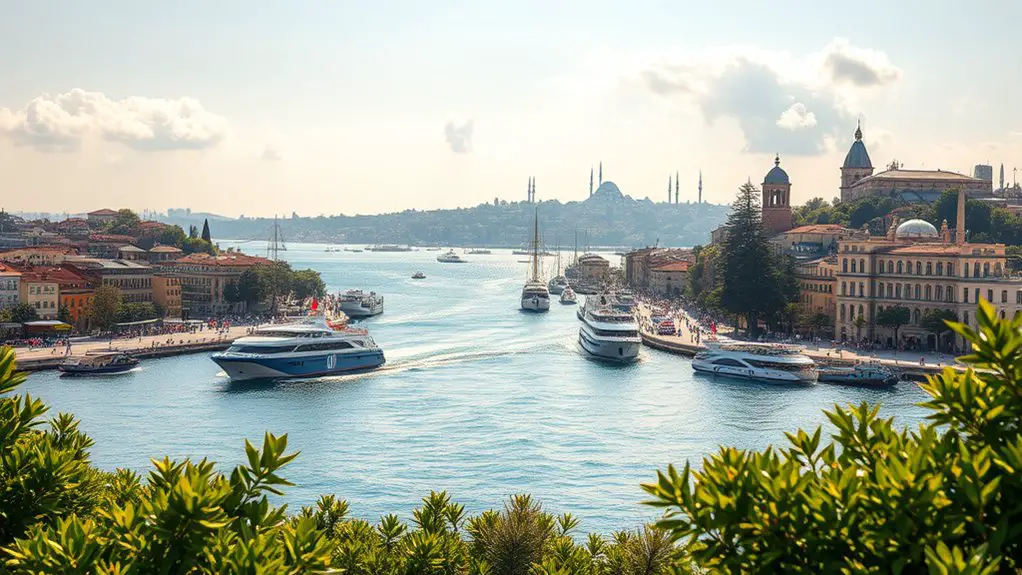
Kadıköy, often written as Kadikoy, gives photographers an unusually varied mix of waterfront scenery, historic architecture, ferries, markets, murals, trams, and everyday street life. The strongest photographs come from choosing the right area for the light, respecting current access restrictions, and treating these recommendations as public photography zones rather than guaranteed observation decks.
Quick Answer
The most reliable Kadıköy photography spots are Moda Pier and its coastal walk, the public waterfront around Haydarpaşa Station, Yeldeğirmeni’s sloping streets and murals, Bahariye Street and Kadıköy Market, and the ferry piers. Use late-afternoon light for water views and early morning for quieter street scenes.
Key Takeaways
- Moda Pier and the coastal path are best for open water, silhouettes, seagulls, and sunset color over the Sea of Marmara.
- Photograph Haydarpaşa Station from public exterior areas because restoration work may restrict entry to the building and its terraces.
- Yeldeğirmeni is a more reliable mural and neighborhood-photography area than the unverified location sometimes called “Kadikoy Hill.”
- Bahariye Street works well for the T3 heritage tram, pedestrians, storefronts, cafés, and evening street scenes.
- The Kadıköy ferry piers provide frequent moving subjects, wake patterns, skyline layers, and changing reflections.
Pro Tip: Use a sun-position or weather app before leaving. The direction of sunset, cloud cover, haze, and wind changes the look of the waterfront far more than a fixed list of “best” shooting times can show.
Note: Haydarpaşa Station has undergone major restoration and redevelopment work. Photograph it only from open public areas, follow signs and barriers, and do not assume that an interior balcony or terrace is accessible.
Disclosure: As an Amazon Associate I earn from qualifying purchases. Some links on this page are affiliate links, at no extra cost to you.
Moda Pier and Coastal Walk
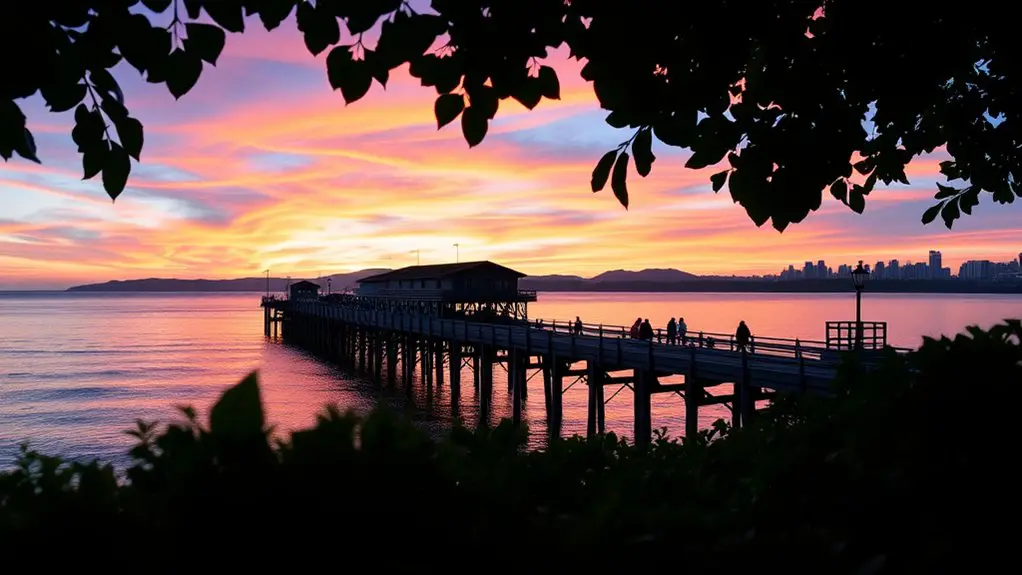
Moda Pier reaches into the Sea of Marmara on the southern side of Kadıköy. Its low horizon, open water, pier railings, ferries, small boats, and frequent seagulls give you several layers to work with without needing a high viewpoint.
The historic pier was restored for public use and includes library and terrace facilities. Opening hours and access to specific parts of the structure can vary, so check posted information when you arrive. The surrounding coastal path remains useful even when indoor spaces are closed. You can read more about the restoration through Kadıköy Municipality.
What to Photograph at Moda
- Wide waterfront scenes: Use the railings or edge of the promenade as a leading line toward the horizon.
- Sunset silhouettes: Position walkers, anglers, birds, or passing vessels against the brightest part of the sky.
- Reflections: Look for broken bands of color after boats disturb the water.
- Small human moments: Benches, tea glasses, bicycles, dogs, and evening conversations add scale and local character.
A wide or standard lens works well here. On a phone, begin with the main 1x camera rather than an extreme ultrawide setting, which can make the horizon and people near the frame edges look distorted.
Haydarpaşa Train Station Exterior and Waterfront Approach
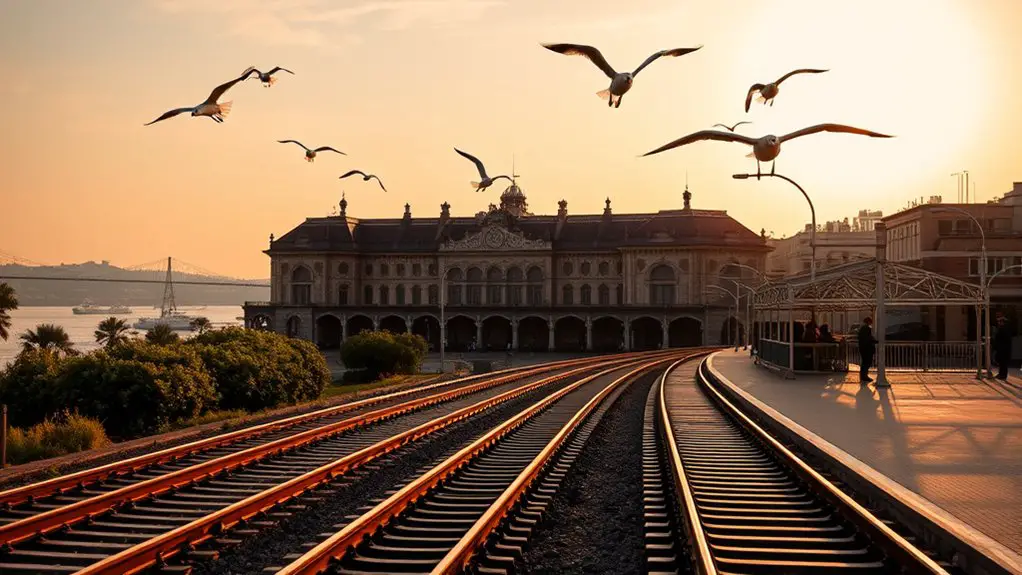
Haydarpaşa Station is one of the most recognizable architectural subjects on Istanbul’s Asian side. The present monumental building was designed by German architects Otto Ritter and Helmuth Cuno during the late Ottoman period. Sources commonly describe its style as neo-classical or German Neo-Renaissance rather than simply neo-Gothic.
As of 2026, restoration, strengthening, exhibition preparation, and landscaping work have been continuing around the station complex. The Ministry of Culture and Tourism reported that conservation work on the three façades facing the Marmara Sea had reached an important stage, but that does not mean every interior, platform, balcony, or terrace is open to visitors. Check the official restoration update before planning a close-access shoot.
The safest dependable composition is the station’s restored exterior framed from an open public waterfront position, not an unconfirmed terrace inside the construction area.
Best Compositions Around Haydarpaşa
- Use the shoreline, ferry deck, or an open public approach to frame the building against the water.
- Include tracks, fences, lamps, or pavement lines only from areas where public access is clearly permitted.
- A medium telephoto lens can compress the station, vessels, and European-side skyline into a layered frame.
- Try blue hour when the building and city lights begin balancing with the remaining color in the sky.
Warning: Do not pass construction barriers, climb fences, enter railway areas, or follow unofficial directions to a rooftop or terrace. Restoration access can change without notice.
Yeldeğirmeni Streets and Elevated Corners
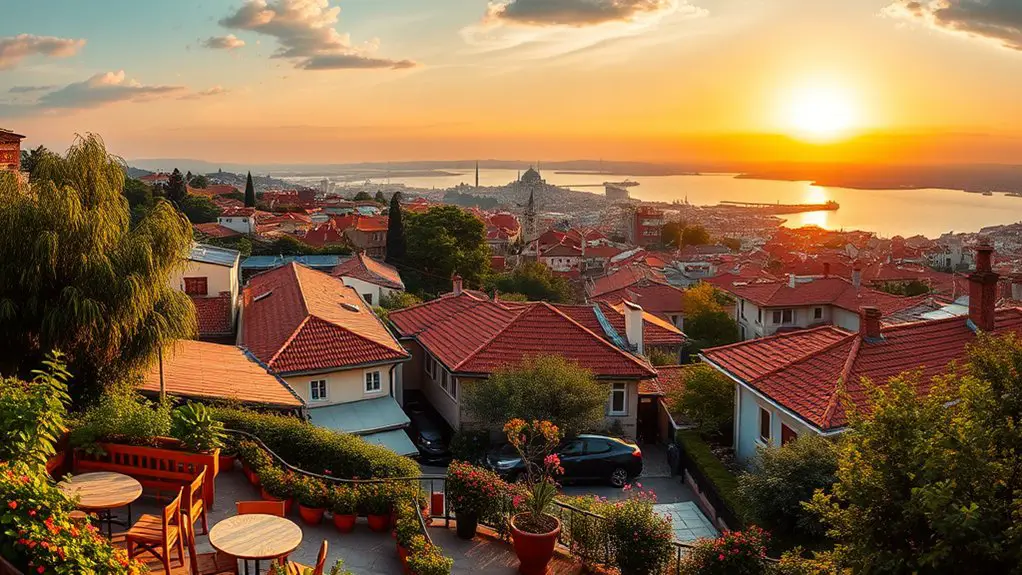
There is no clearly documented central attraction officially known as “Kadikoy Hill and Camii Neighborhood.” For elevated street layers and creative urban scenes, Yeldeğirmeni is a more dependable choice. Its sloping roads, older apartment façades, balconies, cafés, and large murals create depth even when you cannot reach a formal lookout.
Official Istanbul tourism information highlights street art around Karakolhane Street, Misakı Milli Street, and Reşit Efendi Street. These works are spread across a living neighborhood rather than concentrated inside a ticketed attraction. Walk slowly, check side streets, and avoid treating residential entrances as public photo platforms. See the official Kadıköy destination guide for additional background.
| Subject | How to Photograph It |
|---|---|
| Large murals | Step back far enough to show the artwork’s scale against windows, pedestrians, and surrounding buildings. |
| Sloping streets | Use parked vehicles, tram wires, trees, and repeated balconies to lead the eye uphill or downhill. |
| Historic façades | Photograph details in soft side light to reveal peeling paint, stone, wood, ironwork, and shadow. |
| Neighborhood layers | Frame a foreground doorway or café table against people and buildings farther down the street. |
| Legal elevated views | Use an openly accessible café or public street position. Ask before photographing from private terraces. |
Bahariye Street and Market Area
Bahariye Street is strongest as a street-photography location rather than a panoramic viewpoint. Pedestrians, shop windows, café tables, signs, evening lights, and the red T3 heritage tram provide a steady flow of subjects.
Metro Istanbul confirms that the circular T3 line travels through Kadıköy Square, Altıyol, Bahariye Street, and Moda. Its stops are positioned at sidewalk level, which makes it possible to photograph the tram within the surrounding street scene rather than from a separated railway platform. Check the official T3 route information before your visit.
Three nearby photography themes are especially useful:
- Bahariye and the heritage tram: Use a shutter speed around 1/250 second or faster to freeze the moving tram. Try a slower speed only when you have a steady position and room to avoid obstructing pedestrians.
- Kadıköy Çarşı and market lanes: Photograph food displays, shop signs, hands at work, and repeating colors. Ask before taking close portraits of vendors or customers.
- Café and storefront reflections: Glass, mirrors, rain, and evening lighting can combine indoor and outdoor activity in one frame.
Seasonal stalls and temporary craft markets may appear around Bahariye, but they should not be described as permanent attractions. For dependable market photography, explore the established commercial streets closer to Kadıköy Çarşı.
Kadıköy Ferry Piers and Waterfront
The Kadıköy ferry area is one of the district’s most dependable photography locations because the subjects constantly change. Ferries arrive and depart for destinations on Istanbul’s European side, passengers move through the foreground, gulls follow the vessels, and wakes break the water into shifting shapes.
There are several piers and operators around the waterfront rather than one single universal “Kadikoy Ferry Terminal.” Check signs so you know which public waiting area or departure point you are using. Şehir Hatları publishes current routes and departure information, including services between Kadıköy and European-side destinations. Review the official ferry timetable before building a shoot around a specific vessel.
Ferry Photography Ideas
- Freeze the vessel: Start around 1/500 second when ferries are moving quickly or the light is changing.
- Show movement: Try a controlled slower shutter speed while panning with a ferry, but keep clear of boarding lines.
- Use wakes as leading lines: Wait until a boat turns or accelerates and use its wake to direct attention toward the skyline.
- Shoot from a ferry: An open deck can provide changing views of Haydarpaşa, Kadıköy, and the wider Istanbul waterfront.
- Protect highlights: Reduce exposure slightly at sunset so the brightest sky does not lose all detail.
Best Time for Photography in Kadıköy
Early Morning
Early morning usually provides quieter pavements, cleaner market compositions, and fewer people crossing your frame. It also works well for photographing ferries and commuters as the district becomes active.
Late Afternoon and Sunset
Late afternoon is useful for the Moda waterfront, ferry piers, silhouettes, and warmer architectural details. The sun’s exact position changes by season, so inspect the direction before committing to one composition.
Blue Hour
The period shortly after sunset can be more balanced than the brightest golden-hour minutes. Streetlights, ferry lights, illuminated windows, and the remaining blue sky often produce richer city photographs.
Cloudy or Rainy Weather
Cloud cover softens harsh contrast on murals and façades. Rain adds reflections to Bahariye and the ferry approaches, but stone, rails, and pier surfaces may become slippery. Protect your camera and avoid standing where umbrellas or tripods block foot traffic.
A Simple Half-Day Photography Route
- Begin at the Kadıköy ferry waterfront. Photograph arrivals, passengers, ferries, and the morning skyline.
- Walk toward the public Haydarpaşa exterior viewpoints. Stay outside barriers and use a medium or telephoto lens for architectural layers.
- Continue through Yeldeğirmeni. Look for murals, side streets, façades, and neighborhood detail.
- Move toward Bahariye and Kadıköy Çarşı. Photograph the T3 tram, pedestrians, shopfronts, cafés, and market activity.
- Finish at Moda Pier and the coastal path. Use the changing afternoon light for water, silhouettes, reflections, and sunset scenes.
The full route covers active streets and changing elevations, so allow half a day rather than rushing between locations. You can shorten it by using the T3 tram for part of the central Kadıköy and Moda section.
Camera Settings and Composition Tips
- Wide scenes: A 24–35mm equivalent view works for the waterfront, pier, architecture, and murals.
- Street details: A 35–50mm equivalent view gives natural perspective without forcing you too close to people.
- Architecture and ferries: A medium telephoto lens helps isolate details and compress distant skyline layers.
- Moving subjects: Start between 1/250 and 1/500 second for ferries, trams, and birds, then adjust for speed and light.
- Sunset exposure: Watch the highlights and consider exposure compensation between minus 0.3 and minus 1 stop.
- Low light: Use image stabilization, a wall, or a railing where permitted before placing a tripod in a busy pedestrian area.
- File format: RAW files provide more room to recover highlight and shadow detail, but a well-exposed phone image can also work well.
Pro Tip: Before taking the obvious wide shot, photograph one foreground detail, one mid-range street scene, and one compressed telephoto view. This creates a more complete visual story of each location.
Accessibility, Safety, and Photo Etiquette
- Waterfront access: The main ferry approaches and much of the coastal promenade are flatter than Kadıköy’s interior streets, although temporary barriers and surface repairs may affect the route.
- Sloping streets: Yeldeğirmeni, Moda, and connecting streets can include inclines, uneven paving, narrow sidewalks, and parked vehicles.
- T3 stops: Metro Istanbul describes T3 stops as being at sidewalk level, but individual pavement conditions should still be checked.
- Haydarpaşa: Construction and restoration arrangements can change. Follow current signs instead of relying on older photographs or travel posts.
- Portraits: Ask permission before taking close, identifiable portraits, particularly inside shops or at market stalls.
- Tripods: Use them only where they do not block passengers, tram paths, shop entrances, or narrow sidewalks.
- Private terraces: Do not enter residential roofs, hotel terraces, or café balconies without clear permission.
- Water safety: Keep cameras, straps, children, and bags away from unprotected edges, especially in wind or crowded conditions.
Frequently Asked Questions
What is the best time of day for photography in Kadıköy?
Early morning is best for quieter streets, markets, and commuter scenes. Late afternoon and sunset work well for Moda and the ferry waterfront. Blue hour is often the strongest choice for combining city lights with color in the sky.
Can visitors use a terrace at Haydarpaşa Station?
Do not assume that a public terrace is available. Restoration and redevelopment work has affected access around the station. Use open public waterfront positions and follow the signs, barriers, and staff instructions present on the day.
Where are the best murals in Kadıköy?
Look around Yeldeğirmeni, particularly the streets near Karakolhane, Misakı Milli, and Reşit Efendi. Murals may change as buildings are repaired or repainted, so treat the search as a neighborhood walk rather than a fixed exhibition.
Which Kadıköy locations are best for sunset photographs?
Moda Pier, the coastal path, and open areas around the ferry piers are the most dependable sunset choices. Seasonal sun position and weather affect the result, so check the direction and cloud forecast before choosing your final position.
Can I visit these photography spots with a stroller or wheelchair?
The ferry waterfront and parts of the coastal route are generally easier than the sloping interior streets. Yeldeğirmeni and Moda may include inclines and uneven paving, while restoration barriers may affect Haydarpaşa. Check a current step-free route before traveling.
What lens is most useful for photographing Kadıköy?
A standard zoom covering roughly 24–70mm is the most flexible single-lens option. A 35mm or 50mm prime suits street scenes, while a telephoto lens helps isolate ferries, architectural details, and distant skyline layers.
Can I use a tripod around the ferry piers and streets?
A small tripod may be usable in an open public area, but staff or security can restrict it where passenger movement, transport operations, or safety are affected. Never set up across boarding lines, tram paths, narrow sidewalks, or entrances.
Conclusion
Kadıköy’s best photographs do not depend on finding one secret observation deck. The district’s strength comes from the contrast between the Marmara waterfront, the restored exterior of Haydarpaşa, Yeldeğirmeni’s murals and sloping streets, Bahariye’s tram and pedestrians, and the constant movement around the ferry piers.
Start with a verified public route, match each area to the available light, and leave enough time to respond to weather, crowds, ferries, and changing access. A flexible half-day walk will produce a more complete visual story than rushing between a list of unconfirmed viewpoints.
Sources
- GoTürkiye: Kadıköy — official destination information covering Yeldeğirmeni, murals, cafés, and the character of the district.
- GoTürkiye: Moda — confirms Moda’s location on the Sea of Marmara coast.
- Kadıköy Municipality: Historic Moda Pier — restoration history and information about the pier’s public-use facilities.
- Republic of Türkiye Ministry of Culture and Tourism: Haydarpaşa Restoration — current restoration, conservation, strengthening, and redevelopment information.
- Metro Istanbul: T3 Kadıköy–Moda Tram Line — official route and stop information for the heritage tram.
- Şehir Hatları: Kadıköy Ferry Timetables — current ferry route and departure information.
