
Last Updated on July 27, 2026 by Daniel Globe
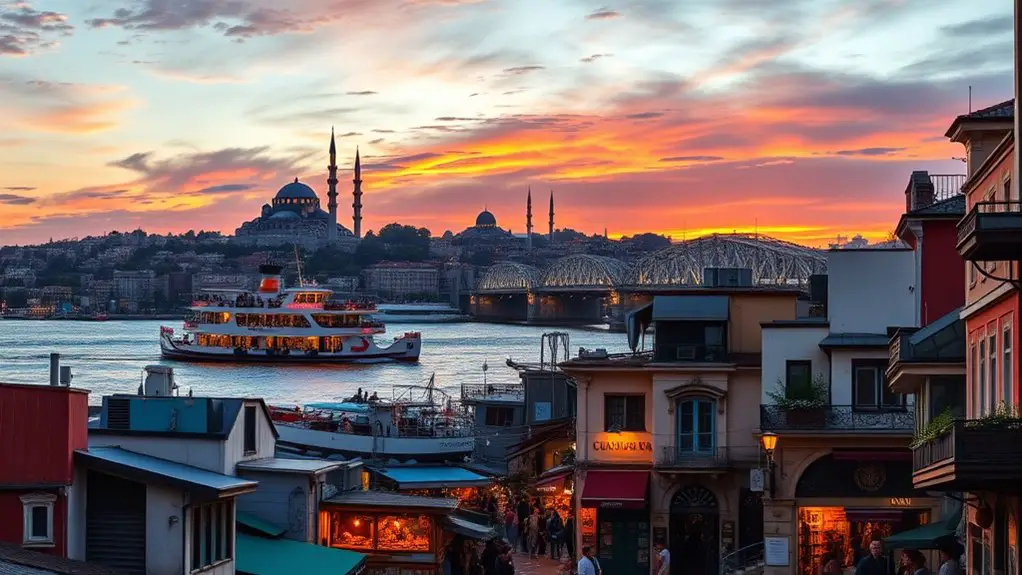
Five days in Istanbul gives you enough time to see the city’s biggest historic sights without spending the entire trip racing from one attraction to the next. This itinerary groups stops by neighborhood, balances the European and Asian sides, and leaves room for ferries, markets, Turkish food, museums, and the quieter streets of Balat and Fener.
Quick Answer
Spend Day 1 in Sultanahmet, Day 2 in Kadıköy and Moda, Day 3 between Topkapı, the Archaeological Museums, and Beyoğlu art museums, Day 4 on the Bosphorus and around Eminönü, and Day 5 exploring Balat, Fener, and local workshops. Rearrange the days around museum and bazaar closures.
Key Takeaways
- Day 1: Explore Hagia Sophia, the Blue Mosque, Sultanahmet Square, the Basilica Cistern if open, and the Grand Bazaar.
- Day 2: Ride the ferry to Kadıköy, explore Kadıköy Çarşı and Moda, and make local Turkish food the focus.
- Day 3: Visit Topkapı Palace and the Istanbul Archaeological Museums before continuing toward Istanbul Modern and Pera Museum if your pace allows.
- Day 4: Browse the Spice Bazaar and take a Bosphorus cruise rather than repeating the same Old City sights.
- Day 5: Slow down in Balat and Fener, join an artisan or cultural workshop, and finish with tea, a bookshop, courtyard, or hammam.
At a Glance
| Time Required | 5 full sightseeing days |
| Difficulty | Moderate; expect substantial walking, cobblestones, stairs, and hills |
| Tools Needed | Comfortable shoes, Istanbulkart or other accepted transit payment, phone, portable charger, water, and modest clothing for mosques |
| Cost | Moderate to high depending on museum tickets, cruises, workshops, meals, and whether you enter every major paid attraction |
Disclosure: As an Amazon Associate I earn from qualifying purchases. Some links on this page are affiliate links, at no extra cost to you.
Plan Your Five Days Around Closing Days
The numbered days below are a route, not a Monday-to-Friday calendar. Before locking them into specific dates, check which attractions are open.
- Topkapı Palace: currently closed on Tuesdays, according to the Presidency of National Palaces.
- Istanbul Modern and Pera Museum: both currently close on Mondays, so avoid making Day 3 a Monday if you want the complete museum route.
- Grand Bazaar: generally closes on Sundays and may have different schedules during religious holidays.
- Blue Mosque: remains an active mosque. Tourist access pauses around daily prayers, and Friday congregational worship creates a longer closure.
Note: Opening hours and ticket prices in Istanbul can change. Check official attraction pages shortly before your visit instead of building the trip around an old screenshot or third-party timetable.
The easiest way to make five days in Istanbul feel spacious is to group sights by neighborhood instead of crossing the Bosphorus or Golden Horn several times a day.
Day 1: Exploring the Historic Peninsula
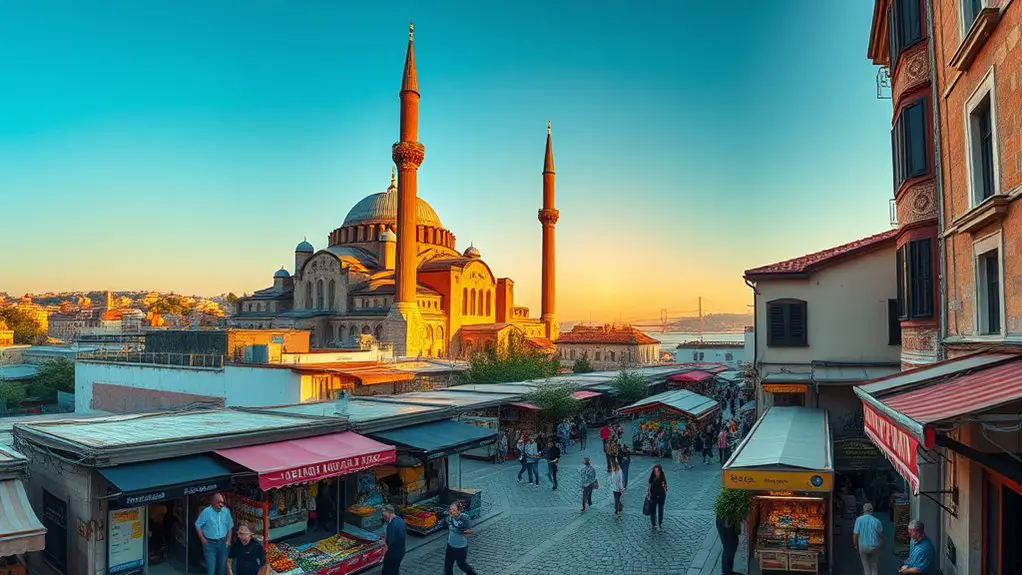
Start in Sultanahmet, where several of Istanbul’s most important sights sit within a compact walking area. Arriving early gives you more flexibility around prayer times, security lines, and tour groups.
Hagia Sophia
Begin at Hagia Sophia, one of the city’s defining Byzantine and Ottoman landmarks. Tourist access is no longer the same as it was when Hagia Sophia operated as a museum.
Under the visitor system introduced by the Turkish Ministry of Culture and Tourism, cultural visitors and worshippers use separate routes. Foreign tourists visiting the gallery area currently pay a published €25 admission fee and enter through the designated visitor route. The gallery gives you elevated views of the interior and access to historic mosaics. Check the Turkish Ministry of Culture and Tourism guidance before your trip in case arrangements change.
Blue Mosque
Walk across Sultanahmet Square to the Blue Mosque, officially the Sultan Ahmed Mosque. Entry for sightseeing is free, but the building is an active place of worship.
Wear clothing that covers shoulders and knees, remove your shoes where instructed, speak quietly, and respect areas reserved for worship. Tourist entry pauses around prayers, and Friday access is more restricted because of congregational worship.
Pro Tip: Do not plan Hagia Sophia and the Blue Mosque down to the minute. Prayer schedules, queues, security checks, and crowd levels can shift your timing. Give the Sultanahmet portion of the day some breathing room.
Basilica Cistern
The Basilica Cistern is only a short walk away and normally fits naturally into this route. Its rows of columns, low light, and Medusa-head bases provide a completely different experience from the monuments above ground.
Warning: At the time of this July 2026 update, the official Basilica Cistern website displays a temporary-closure notice even though other pages on the same site continue to show regular visiting hours. Check its live status before walking over. If it remains closed, the nearby Theodosius Cistern is a convenient alternative.
Turkish and Islamic Arts and the Grand Bazaar
If you still have museum energy, the Museum of Turkish and Islamic Arts is beside Sultanahmet Square and contains carpets, manuscripts, calligraphy, woodwork, and other works from across the Islamic world. It fits the geography of Day 1 better than crossing back to this neighborhood during a later museum day.
Finish toward the Grand Bazaar. Its covered lanes are packed with jewelry, ceramics, textiles, leather goods, lamps, carpets, and souvenirs. Bargaining is common in many independent shops, but keep it friendly and be willing to walk away when a price does not suit you.
For dinner, look beyond souvenir-oriented stalls and make room for classic Turkish flavors such as grilled kebabs, pide, meze, or a simple lokanta meal. Finish with baklava or another local dessert if you still have room.
Day 2: A Taste of the Asian Side
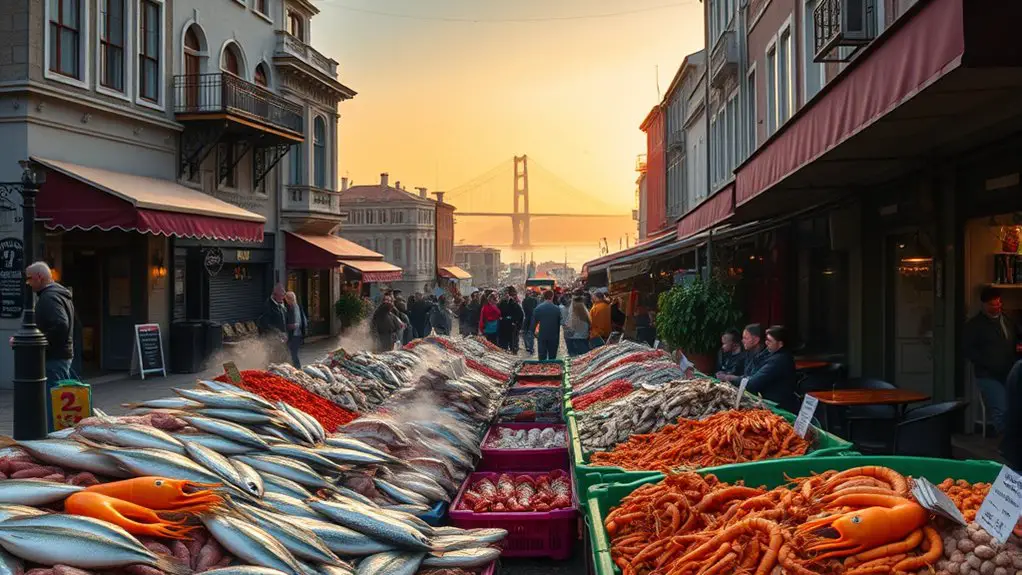
Crossing the Bosphorus gives you a different view of Istanbul and a welcome change from the monument-heavy first day. Make Kadıköy and nearby Moda the focus.
Take the Ferry to Kadıköy
Use a regular city ferry from the European side and enjoy the skyline as part of the journey. Depending on where you are staying, Eminönü, Karaköy, or another central pier may be convenient. Check the day’s departures rather than assuming every route runs at the same frequency.
An Istanbulkart is useful for much of the city’s integrated public transport. Current fares and rail information are published by Metro Istanbul. Fares change, so checking the live tariff is more useful than memorizing an old price.
Explore Kadıköy Çarşı
From the ferry terminal, walk into Kadıköy Çarşı, the lively food-and-shopping streets around the district center. This is different from the larger periodic neighborhood market that visitors sometimes also call “Kadıköy Market.”
Browse fishmongers, produce shops, bakeries, delicatessens, coffee shops, bookstores, and small restaurants. This is a good day to try Turkish breakfast dishes, börek, lahmacun, pide, meze, seafood, or whatever catches your eye.
If Korean BBQ is specifically on your wish list, Kadıköy’s international dining scene makes it possible to work that into lunch. For a first visit, however, the neighborhood is more rewarding when you use the meal to explore local Turkish flavors.
Bahariye and Moda
Continue toward Bahariye Street and then Moda. The pace becomes more residential, with cafés, local shops, tree-lined streets, and places to sit near the waterfront.
End the afternoon in a park or along the coast before taking the ferry back toward Europe. A return around sunset can turn an ordinary transit ride into one of the best skyline views of the trip.
Day 3: Discovering Istanbul’s Museums
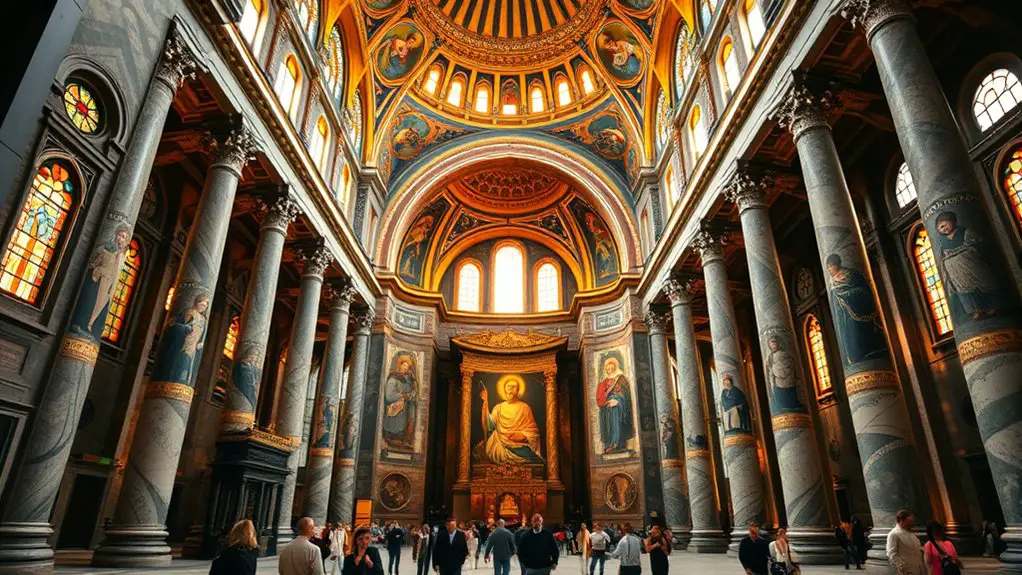
Use Day 3 for Istanbul’s imperial history and art collections, but resist the temptation to treat every museum as a quick checklist stop.
Start at Topkapı Palace
Begin at Topkapı Palace, the former administrative and residential center of the Ottoman court. Allow several hours if you want to see the main palace spaces, collections, courtyards, views, and Harem rather than rushing through.
The palace is currently closed on Tuesdays, and ticket categories vary depending on the areas you enter. Check the official National Palaces visitor page when scheduling this day.
Istanbul Archaeological Museums
Next, visit the Istanbul Archaeological Museums, conveniently located beside the Topkapı complex. The collections bring together archaeological material from civilizations that once fell within the Ottoman Empire and surrounding regions.
Because the museum complex is extensive, choose the galleries that interest you most rather than trying to inspect every display case.
Continue to Istanbul Modern and Pera Museum
In the afternoon, move toward Karaköy and visit Istanbul Modern for contemporary and modern art. The museum currently closes on Mondays, so switch this day if necessary. Its official visitor information is available from Istanbul Modern.
If you still have time and energy, continue uphill toward Pera Museum, which combines permanent collections with rotating exhibitions. Pera also currently closes on Mondays, making the two museums easy to pair on another weekday.
The Museum of Turkish and Islamic Arts remains an excellent alternative if you skipped it on Day 1. It is better to enjoy two or three museums properly than sprint through four major collections simply to complete a list.
Note: This is the most demanding day of the itinerary. Travelers who prefer slower museum visits can skip either Istanbul Modern or Pera Museum and spend the evening around Galata, Karaköy, or İstiklal instead.
Day 4: Bosphorus Cruise and Local Markets
After two intensive sightseeing days, spend more time on the water and around the waterfront neighborhoods.
Start at the Spice Bazaar
Begin in Eminönü at the Spice Bazaar. You will find spices, dried fruit, nuts, tea, sweets, Turkish delight, and souvenir products in and around the covered market.
Compare prices before buying expensive spices, tea, or packaged sweets, and confirm the price and quantity before a vendor wraps your purchase.
Choose a Bosphorus Cruise
Next, board a Bosphorus cruise. You do not need an elaborate private tour simply to enjoy the water. Istanbul’s municipal ferry operator, Şehir Hatları, publishes official short, long, and seasonal Bosphorus tour information.
A shorter cruise works best if you want time for more sightseeing later. A long Bosphorus tour can consume much of the day but gives you a deeper look at waterfront neighborhoods farther north.
From the water you can see landmarks along both shores, including Dolmabahçe Palace, waterside mansions, mosques, bridges, and Rumeli Fortress.
Pro Tip: Check the ferry timetable before breakfast. Seasonal departures and weather can affect which Bosphorus option makes sense that day.
Return to the Grand Bazaar Only If You Need To
If you already explored the Grand Bazaar properly on Day 1, there is little reason to repeat it today. Spend the extra time around Eminönü, Karaköy, or the waterfront instead.
If the bazaar was closed on your first day or you deliberately saved your shopping, this is your second chance. Its maze of shops offers handcrafted jewelry, ceramics, textiles, leather goods, carpets, and souvenirs.
Day 5: Cultural Experiences and Hidden Gems
Your final day is best kept flexible. Instead of stacking more major monuments into the schedule, explore neighborhoods where the pleasure comes from walking, noticing details, stopping for tea, and spending time with local crafts.
Walk Through Balat and Fener
Start in Balat and Fener, where steep streets, historic houses, places of worship, small cafés, antique shops, and newer creative businesses sit close together.
These neighborhoods are also residential. Enjoy the architecture and street scenes without blocking doorways, photographing people closely without permission, or treating private homes as photo sets.
Warning: Balat and Fener contain steep slopes, uneven paving, and stairs. Comfortable shoes matter more here than a carefully planned outfit.
Visit an Artisan Workshop
Spend part of the morning at a local artisan workshop. Depending on what is available during your trip, you may find demonstrations or classes involving pottery, weaving, calligraphy, mosaics, ceramics, or traditional decorative arts.
For a hands-on session, reserve ahead and confirm whether the class is a demonstration or a workshop where you actually make something. This avoids arriving at a studio that is not accepting walk-ins.
Afterward, stop at a cozy café for Turkish tea or coffee and enjoy a slower final afternoon.
Try a Cultural Workshop and Explore at Your Own Pace
If you have not already joined one, spend the afternoon in a cultural workshop where you can make a mosaic, paint a tile, practice calligraphy, or learn another traditional craft.
End your day in a hidden courtyard, independent bookshop, quiet café, or neighborhood hammam. There is no need for the last hours of a five-day Istanbul trip to become another race between ticket gates.
Getting Around During the Five Days
Istanbul is easiest to navigate with a mix of walking, trams, metro lines, funiculars, buses, and ferries. The T1 tram is especially useful around Sultanahmet, Eminönü, and Karaköy, while ferries are often the most pleasant way to cross between Europe and Asia.
Use Istanbulkart or another currently accepted fare option for the transport network rather than buying a separate single-use ticket for every short journey. Check live fares and service information with Metro Istanbul because tariffs and operating conditions can change.
Build extra time into transfers. Istanbul distances can look short on a map but involve hills, crowded sidewalks, station changes, security checks, or ferry waits.
Frequently Asked Questions
What Is the Best Time of Year to Visit Istanbul?
Spring and fall are usually the easiest seasons for a sightseeing-heavy trip. April and May often bring comfortable walking weather, while September and October can also be pleasant. June can already feel hot, and November is cooler and wetter. Summer offers long days but more heat and crowds; winter is quieter but colder and less predictable.
How Do I Navigate Public Transportation in Istanbul?
Use the metro, trams, buses, funiculars, and ferries according to the neighborhood you are visiting. An Istanbulkart is useful on the integrated transit network. For this itinerary, the T1 tram helps around the Historic Peninsula, while ferries are convenient for Kadıköy and Bosphorus travel. Check current route and fare information before leaving your hotel.
Are There Any Local Customs or Etiquette I Should Know?
A friendly greeting and ordinary respectful manners are enough in most situations. At mosques, dress modestly, remove your shoes where required, keep your voice low, and stay out of worship-only areas. Ask before photographing people closely. In shops and bazaars, bargaining may be welcome, but keep the exchange polite and do not feel pressured to buy.
What Safety Precautions Should Tourists Take in Istanbul?
Use the same precautions you would in another major city: protect phones and wallets in dense crowds, use reputable transportation, avoid flashing large amounts of cash, and pay attention to your surroundings. Check your own government’s current Türkiye travel advice before departure. The U.S. State Department, for example, currently advises travelers to exercise increased caution in Türkiye. For police, ambulance, fire, or another emergency in Türkiye, call 112.
Can I Use Credit Cards Everywhere in Istanbul?
Cards are widely accepted at hotels, many restaurants, museums, and larger shops, but carrying some Turkish lira is still useful for small purchases, markets, and places where a foreign card does not work. ATMs are common, although your bank or the ATM operator may charge fees. Confirm the amount on a card terminal before approving a payment.
Is Five Days Enough for Istanbul?
Five days is enough for an excellent first visit, but not enough to see everything. This itinerary covers the Historic Peninsula, the Asian side, major museums, the Bosphorus, bazaars, and Balat/Fener while leaving some breathing room. A longer stay would make it easier to add the Princes’ Islands, more Bosphorus neighborhoods, hammams, and additional museums.
How Should I Rearrange the Itinerary Around Closing Days?
Keep the five routes but move their calendar dates. Avoid Topkapı Palace on Tuesday, avoid the Istanbul Modern/Pera combination on Monday, and do not rely on the Grand Bazaar for Sunday shopping. On Friday, give the Blue Mosque extra flexibility because tourist visiting hours are restricted around congregational prayer.
Conclusion
A good five-day Istanbul itinerary mixes the landmarks you came to see with enough unplanned time to enjoy the city between them. You will experience Byzantine and Ottoman monuments in Sultanahmet, everyday life in Kadıköy, major museum collections, the Bosphorus, historic bazaars, and the colorful streets of Balat and Fener. Keep the days flexible around opening schedules, use ferries and public transport whenever they simplify the route, and resist trying to see every attraction in a single trip.
Sources
- Republic of Türkiye Ministry of Culture and Tourism — Hagia Sophia Visitor Arrangement — tourist entry route and published visitor fee.
- Presidency of National Palaces — Topkapı Palace — current closure day, visitor information, and ticket categories.
- Basilica Cistern Official Website — current operating status and visitor information.
- Metro Istanbul — Tickets and Fares — current Istanbulkart and rail-fare information.
- Şehir Hatları — Bosphorus Tours — official municipal Bosphorus tour options and timetables.
- U.S. Department of State — Türkiye Travel Advisory — current safety, payment, and emergency guidance for travelers.
