
Last Updated on July 27, 2026 by Daniel Globe
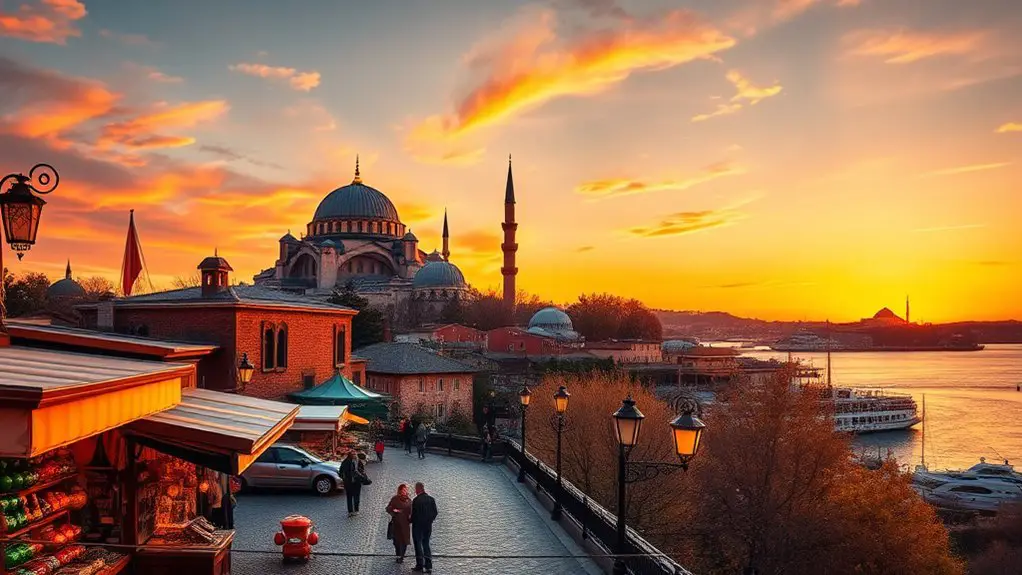
If you’re planning a short trip to Istanbul, three full days can cover the city’s essential first-time highlights without turning every hour into a race. The key is to group sights by neighborhood: spend one day in the Historical Peninsula, one on the Asian side, and one moving from the bazaars through Eminönü, Galata, and İstiklal Street.
Quick Answer
Three days is enough to see Istanbul’s essential first-time highlights if you group sights by neighborhood. Spend Day 1 in Sultanahmet, Day 2 on the Asian side in Kadıköy, and Day 3 moving from the Grand Bazaar through Eminönü, Galata, and İstiklal. Swap days around Topkapı’s Tuesday closure and the Grand Bazaar’s Sunday closure.
Key Takeaways
- Day 1: Focus on Sultanahmet and the Historical Peninsula, including Hagia Sophia, the Blue Mosque, Basilica Cistern, Topkapı Palace, and the Hippodrome area.
- Day 2: Cross the Bosphorus by ferry and spend an unhurried day exploring Kadıköy Market, neighborhood cafés, local food, and the Moda waterfront.
- Day 3: Shop the Grand Bazaar and Spice Bazaar, then continue through Eminönü and Karaköy toward Galata and İstiklal Street.
- Keep Topkapı Palace off Tuesday and the Grand Bazaar off Sunday when arranging your three days.
- Use public transport and ferries rather than taxis for most central sightseeing, and leave some room in the schedule for queues, prayer times, meals, and spontaneous stops.
At a Glance
| Time Required | 3 full sightseeing days |
| Difficulty | Moderate to high; expect long walking days, hills, cobblestones, stairs, and busy public transport |
| Tools Needed | Comfortable shoes, map/transit app, Istanbul transport card, water, and modest clothing for mosque visits |
| Cost | Flexible. Hagia Sophia sightseeing and Topkapı Palace are major paid attractions; transport, meals, shopping, and optional tours are extra. Check current official ticket prices before your visit. |
Disclosure: As an Amazon Associate I earn from qualifying purchases. Some links on this page are affiliate links, at no extra cost to you.
Before You Start: Match the Itinerary to Opening Days
The order below works well geographically, but Istanbul’s weekly closure days matter more than the numbered days. Before locking in reservations, compare your dates with the attractions you most want to see.
The two scheduling rules that matter most: Topkapı Palace is closed on Tuesdays, and the Grand Bazaar is normally closed on Sundays.
Topkapı Palace is currently closed to visitors on Tuesday. The Grand Bazaar is normally closed Sunday and on religious holidays. If either closure falls on the day assigned below, simply swap Day 1, Day 2, or Day 3 rather than dropping the attraction.
Pro Tip: Check official opening hours, prayer schedules, ferry timetables, and public-transport notices again the evening before each sightseeing day. Temporary closures and service changes can happen with little notice.
How to Get Around Istanbul in 3 Days
For this itinerary, walking, trams, metro services, and ferries are usually more useful than spending large parts of the day in road traffic. Sultanahmet, the Grand Bazaar, and Eminönü are connected by the central tram corridor, while ferries make crossing between Europe and Asia part of the sightseeing experience.
The official Istanbulkart system lists several card types, including the standard Istanbulkart and the tourist-oriented Istanbul City Card. A standard card is useful for convenient fare payment, but don’t assume every anonymous card qualifies for every transfer or promotional discount.
For Day 2, check the current Şehir Hatları Kadıköy–Karaköy–Eminönü timetable before leaving. Ferries run throughout the day, but departure patterns can change by day and season.
Note: Do not build a tight schedule around a single nostalgic tram, funicular, or bus connection. Central Istanbul services can be temporarily altered during maintenance, demonstrations, public events, or security measures.
Where to Stay for a 3-Day Istanbul Trip
Sultanahmet or Sirkeci works especially well if the historic sights are your highest priority. You’ll be close to Day 1’s major landmarks and have easy tram access toward Eminönü and the Grand Bazaar.
Karaköy or Galata provides a more balanced base between the Historical Peninsula, Bosphorus ferries, and the restaurants and nightlife around Beyoğlu. It can also make the transition from Day 2’s ferry ride to Day 3’s Galata and İstiklal portion easier.
Day 1: Exploring the Historical Peninsula
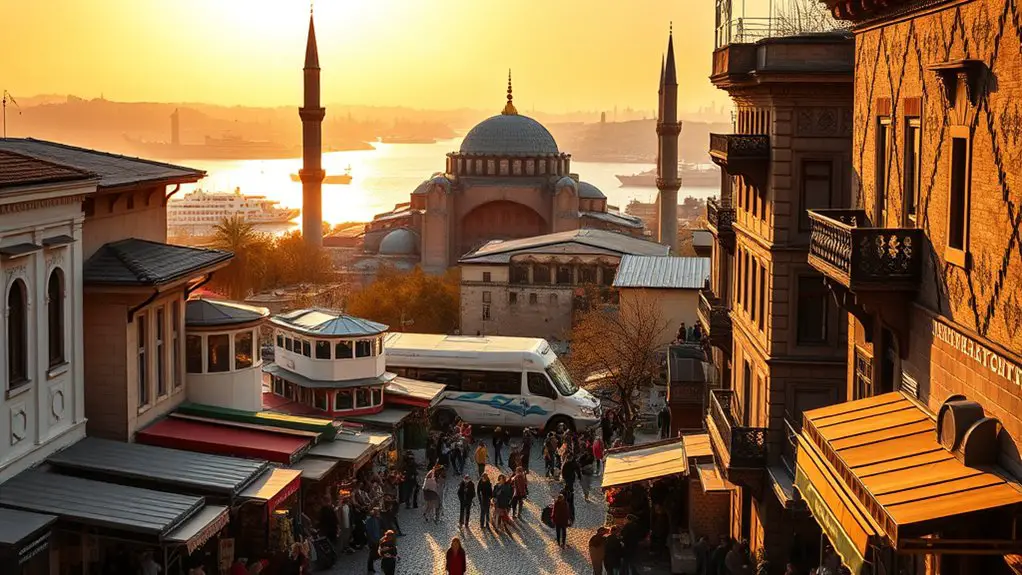
Your first day is devoted to Sultanahmet, where many of Istanbul’s most important Byzantine and Ottoman landmarks sit within a compact walking area. Keeping the day here avoids wasting time crossing the city.
Morning: Hagia Sophia, Blue Mosque, and Sultanahmet Square
Start around opening time at Hagia Sophia. The building remains an active mosque, and current arrangements distinguish between worship access and sightseeing access. The Directorate General of Foundations states that sightseeing visitors use the upper gallery and pay an entrance fee.
Dress modestly and remember that this is a functioning religious site. Women should be prepared to cover their hair, and all visitors should avoid disturbing people who are praying. Ongoing restoration can also affect what you see, so check the latest visitor information before your trip.
Next, cross Sultanahmet Square to the Blue Mosque. Its six minarets, large courtyard, and İznik tile decoration make it one of the city’s defining Ottoman landmarks. Because it is also an active mosque, tourist entry can pause around prayers.
Before moving on, walk through the former Hippodrome area in Sultanahmet Square. The Egyptian Obelisk and Serpent Column add another layer of history without requiring a separate trip across town.
Late Morning: Basilica Cistern
The Basilica Cistern is only a short walk from Hagia Sophia and adds something completely different to the morning: an underground Byzantine water reservoir with rows of columns and the famous Medusa-head bases.
Allow roughly an hour once you are inside, but keep your schedule flexible for ticket lines and changing entry arrangements.
Lunch: Try a Sultanahmet Classic
Take a proper lunch break before tackling Topkapı. This is a good time for grilled köfte, pide, lentil soup, or a döner plate. For a lighter snack, pick up a fresh simit with tea rather than filling every available minute with sightseeing.
Afternoon: Topkapı Palace
Spend the main part of your afternoon at Topkapı Palace, where the courtyards, imperial rooms, collections, and Harem reveal how the Ottoman court operated for centuries.
Give the palace several hours rather than treating it as a quick stop. If you want to see the Harem, include that in your ticket choice and schedule. Most importantly, remember that the palace is closed on Tuesdays.
Warning: Do not leave Topkapı until the end of the afternoon and assume you can rush through it. The complex is large, and its ticket office closes well before a typical Istanbul evening ends.
Evening: Gülhane or a Grand Bazaar Preview
If you still have energy, walk through nearby Gülhane Park or simply stay around Sultanahmet as the monuments light up after sunset.
You can walk toward the Grand Bazaar area for a brief preview if it is open and you finish early, but save your proper shopping session for Day 3. That prevents you from repeating the same market twice and keeps today focused on the Historical Peninsula’s major monuments.
Day 2: Discovering the Asian Side and Bosphorus
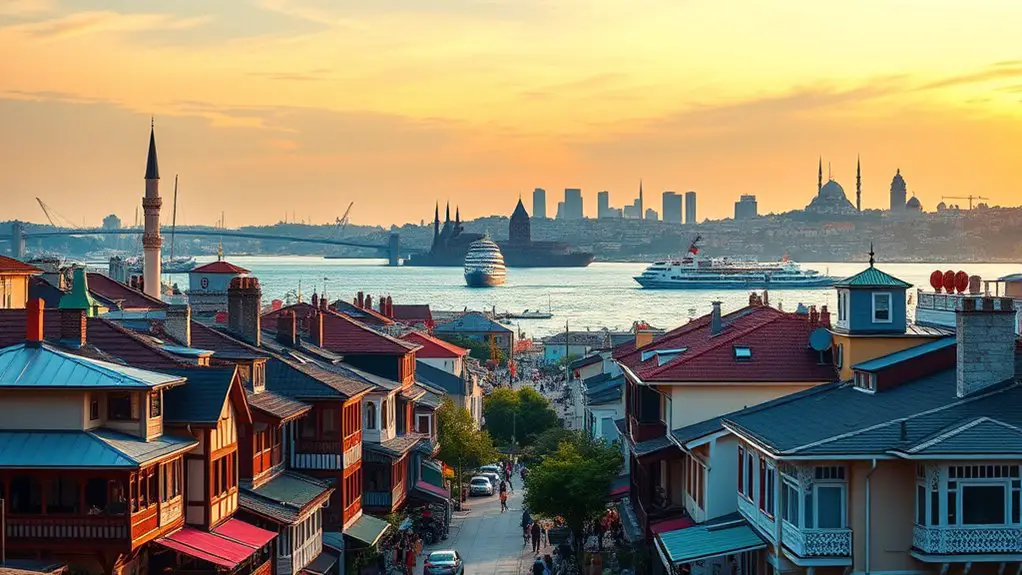
After a monument-heavy first day, slow the pace and experience a more everyday side of Istanbul. Crossing the Bosphorus by public ferry is both transportation and one of the city’s classic experiences.
Morning: Ferry to Kadıköy
Head to an appropriate European-side pier such as Eminönü or Karaköy and take a ferry toward Kadıköy. Grab a seat outside when weather permits and watch the minarets, waterfront neighborhoods, ferries, and busy shipping lanes slide past.
This simple crossing gives you the Bosphorus experience without needing to dedicate several extra hours to a separate sightseeing cruise.
Late Morning: Kadıköy Market
Once you arrive, explore the streets around Kadıköy Market. This is a better description than the original article’s vague “Asian markets”: you’ll find produce stands, bakeries, fishmongers, cheese and olive shops, cafés, sweets, and restaurants concentrated within a walkable neighborhood.
Take your time rather than treating the market as another attraction to tick off. Kadıköy’s appeal comes from watching ordinary neighborhood life unfold between shops, cafés, street art, and food counters.
Lunch: Eat Your Way Through Kadıköy
Try one or two local favorites instead of ordering everything at once. Good options include börek, lahmacun, pide, grilled meat, stuffed vegetables, meze, or a traditional Turkish dessert. For street food, a busy vendor with steady turnover is a better choice than an empty stall with food sitting out.
Afternoon: Kadıköy Streets and Moda
After lunch, wander through Kadıköy’s cafés, independent shops, and street-art-lined lanes before heading toward Moda. The waterfront gives you space to slow down after two busy mornings of sightseeing.
A relaxed walk here creates the contrast the original itinerary was aiming for: the Asian side feels noticeably different from the monument-packed streets of Sultanahmet, even though it is only a ferry ride away.
Evening: Sunset by the Water
End the day along the waterfront with tea, coffee, or dinner and watch the light change across the city. Depending on your plans, you can return directly to the European side or continue exploring Kadıköy after dark before taking a later ferry or metro connection.
Don’t treat the Bosphorus ferry as dead travel time. The crossing itself is one of the best views in this three-day itinerary.
Day 3: Grand Bazaar, Spice Bazaar, Galata, and İstiklal
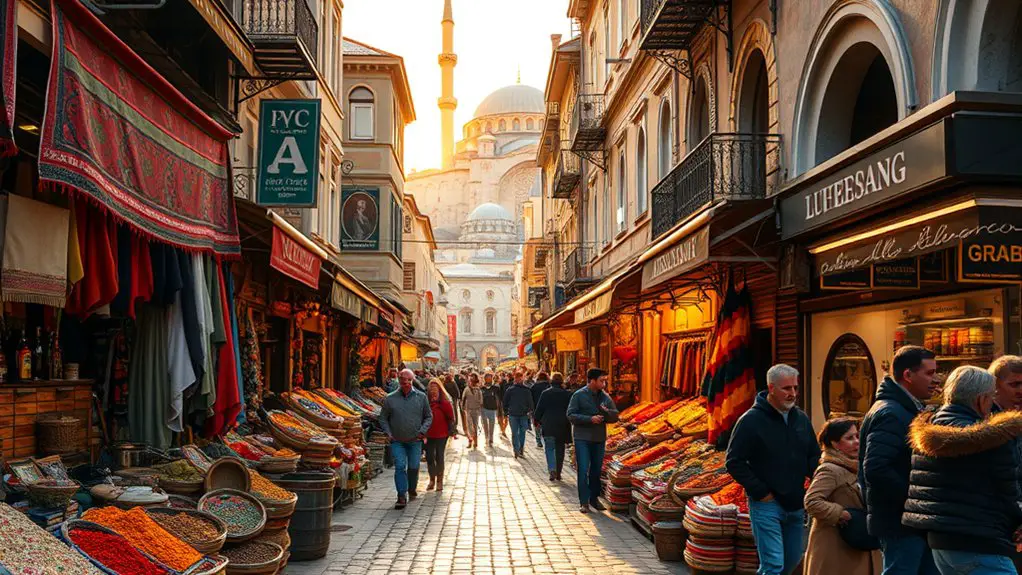
On your final day in Istanbul, connect the historic markets of the Old City with the livelier streets north of the Golden Horn. This creates a natural route instead of visiting the Grand Bazaar twice.
Morning: Explore the Grand Bazaar
Start at the Grand Bazaar while you still have energy for its maze of covered lanes. Browse jewelry, ceramics, textiles, leather goods, lamps, souvenirs, and other merchandise without feeling pressured to buy from the first shop you enter.
Compare quality and prices before negotiating. Bargaining is common in many traditional shops, but there is no need to turn every purchase into a contest. Be especially cautious with anything presented as an old or archaeological object; genuine antiquities can be subject to strict export rules.
Remember: the Grand Bazaar is normally closed on Sunday, so move this day if necessary.
Late Morning: Süleymaniye Mosque
From the bazaar district, continue toward Süleymaniye Mosque. The mosque provides a quieter architectural stop and excellent views toward the Golden Horn. As at other active mosques, dress respectfully and allow worshippers priority around prayer times.
Midday: Spice Bazaar and Eminönü
Walk downhill toward the Spice Bazaar in Eminönü. The market is smaller and more food-focused than the Grand Bazaar, with tea, spices, dried fruit, nuts, sweets, and other edible souvenirs.
This is a natural place for lunch or grazing. You might try Turkish delight, baklava, a fish sandwich near the waterfront, or another savory snack before continuing across the Golden Horn.
Afternoon: Galata Bridge, Karaköy, and Galata
Cross the Galata Bridge toward Karaköy. You’ll pass fishermen above the water and restaurants below before entering one of the city’s busier café and gallery districts.
From Karaköy, continue uphill into Galata. You can visit the Galata Tower if time and your budget allow, or simply explore the steep surrounding streets and enjoy skyline views from the neighborhood.
Late Afternoon and Evening: İstiklal Street
Finish with a leisurely walk along İstiklal Street toward Taksim. The avenue brings together shops, historic passages, cafés, dessert shops, restaurants, and evening crowds, making it a natural final stop after the older markets you visited in the morning.
You can turn this section into a self-guided culinary tour by stopping for Turkish coffee, baklava, ice cream, meze, kebabs, or other dishes you missed during the first two days.
Pro Tip: This day involves a noticeable uphill climb from Karaköy toward Galata and İstiklal. Take breaks, use available public transport when helpful, and don’t force every stop if your feet are finished after three days of sightseeing.
Local Foods Worth Trying During Your 3 Days
Istanbul’s food scene deserves more than a single restaurant meal. Spread these dishes across the itinerary so eating becomes part of exploring each neighborhood.
- Simit: Sesame-covered bread ring that’s easy to grab for breakfast or a snack.
- Döner: Thin slices of seasoned meat served in bread, wraps, or on a plate.
- Köfte: Grilled meatballs that work especially well as a sit-down lunch around the Old City.
- Börek: Flaky pastry commonly filled with cheese, spinach, or meat.
- Lahmacun or pide: Two satisfying choices for a casual meal.
- Meze: Small plates that let you sample several flavors over a slower dinner.
- Baklava and Turkish delight: Classic sweets that are easy to find around the bazaars and established pastry shops.
- Turkish coffee and tea: Worth building into your breaks rather than treating them as another item to rush through.
Cash, Cards, and Shopping
Don’t arrive with a rule that you must carry $100 or $200 in cash every day. Your needs depend on your accommodation, attraction tickets, dining style, and shopping plans.
Cards are useful for larger expenses, while a modest amount of Turkish lira is convenient for small shops, snacks, markets, and places where card payment is unavailable or impractical. Refill your cash as needed instead of carrying your entire trip budget at once.
When exchanging money, compare the displayed rate and any commission before completing the transaction. Airport exchange counters are convenient, but convenience does not always mean the most competitive rate.
Safety Tips for a Short Istanbul Trip
Istanbul’s main sightseeing areas can become extremely crowded. Keep your phone, wallet, passport, and bag secure on trams, ferries, shopping streets, and inside busy markets.
Current government travel guidance advises visitors to stay alert in crowded tourist areas and avoid demonstrations. Do not join a gathering simply because it looks peaceful; transport around the area can also be changed with little notice.
Warning: For an emergency involving police, ambulance, or fire services in Türkiye, call 112. Also keep your accommodation address and travel-insurance details available offline in case your phone loses service.
Frequently Asked Questions
Is 3 days enough for Istanbul?
Three days is enough for a strong first visit, but not enough to see the whole city. Focus on Sultanahmet, one Asian-side neighborhood such as Kadıköy, and the Grand Bazaar–Eminönü–Galata–İstiklal corridor. Save farther-flung palaces, museums, neighborhoods, and day trips for a longer stay.
What is the best time to visit Istanbul?
Spring and early autumn are excellent for a sightseeing-heavy trip because temperatures are generally more comfortable than in midsummer. Summer brings longer days but more heat and crowds, while winter can mean cooler, wetter conditions and shorter daylight hours.
What local dishes should I try?
Try simit, döner, köfte, börek, pide or lahmacun, lentil soup, meze, baklava, and Turkish delight. Kadıköy is especially good for turning lunch into a food crawl, while the Spice Bazaar and İstiklal area make easy places to sample sweets, tea, and coffee.
Is public transportation easy to navigate?
Yes. Trams, metro lines, buses, and ferries connect the main visitor areas. An Istanbulkart or another suitable current Istanbul transport card simplifies fare payment. Check official routes and service notices on the day you travel because temporary changes can affect central stations and tourist routes.
What are the main safety tips for tourists in Istanbul?
Keep valuables secure in crowded markets and public transport, use registered or app-based taxis when you need a car, avoid demonstrations, and check current government travel guidance before departure. For police, ambulance, or fire emergencies in Türkiye, dial 112.
How much cash should I carry?
There is no single correct amount. Carry a modest amount of Turkish lira for small purchases, snacks, markets, and backup, while using cards for larger expenses where accepted. Avoid carrying your full trip budget in cash and compare exchange rates and fees before changing money.
What should I do if Topkapı Palace falls on Tuesday or the Grand Bazaar falls on Sunday?
Swap the days. Keep the Asian-side day as the easiest flexible option, move the Sultanahmet day away from Tuesday if Topkapı is a priority, and schedule the Grand Bazaar day from Monday through Saturday. Always recheck holiday and temporary closures before visiting.
Conclusion
A good three-day Istanbul itinerary is less about squeezing in every famous attraction and more about keeping each day geographically sensible. Day 1 gives you the monumental history of Sultanahmet, Day 2 slows the pace with a ferry ride and local life in Kadıköy, and Day 3 connects the bazaars with Eminönü, Galata, and İstiklal.
Along the way, you’ll still experience the elements that make a short Istanbul trip memorable: stunning architecture, Bosphorus views, busy markets, Turkish coffee and street food, neighborhood cafés, and the constant contrast between the city’s European and Asian sides. Leave a little breathing room in the schedule, and three days can feel full without feeling frantic.
Sources
- Türkiye National Palaces — Topkapı Palace — visitor hours, closure day, and official palace information.
- T.R. Directorate General of Foundations — current Hagia Sophia sightseeing and worship-access arrangements.
- Türkiye Culture Portal — Grand Bazaar — official visitor and closure information.
- Şehir Hatları — Kadıköy, Karaköy and Eminönü Ferry Timetable — current public-ferry route information.
- Istanbulkart — Official Card Types — current transport-card options.
- UK Foreign, Commonwealth & Development Office — Türkiye Safety and Security — current tourist safety, crime, demonstrations, and mosque-etiquette guidance.
