Last Updated on July 24, 2026 by Daniel Globe
Santiago can be a rewarding city for a woman traveling alone, but you should not treat it as risk-free. Pickpocketing, phone theft, taxi fraud, drink spiking, demonstrations, and some violent robberies are real concerns. This guide explains where the main risks appear, how to reduce them, and what to do if something goes wrong.
Quick Answer
Yes, many solo female travelers visit Santiago safely, but you need active precautions. Chile is currently under a U.S. Level 2 advisory for crime and civil unrest. Use secure transport, avoid isolated areas after dark, protect your phone and bag, watch your drinks, and leave any demonstration area immediately.
Key Takeaways
- Street theft is common in busy tourist areas, transport hubs, restaurants, hotel lobbies, and the Santiago Metro.
- Violent robberies have increased, so do not resist if someone threatens you with a weapon.
- Providencia, Las Condes, Vitacura, and La Reina can be convenient bases, but no neighborhood is crime-free.
- Use a reputable taxi company or a ride-sharing app, verify the plate and driver, and avoid hailing taxis on the street at night.
- At Santiago Airport, buy official transport at the authorized counters and board only in the designated pickup area.
- Save Police 133, Ambulance 131, Fire 132, PDI 134, and the gender-violence support line 1455.
What’s in This Article
- What Crime Risks Exist in Santiago?
- Demonstrations and Public Disruptions
- Safety Tips for Solo Female Travelers
- Nightlife, Harassment, and Drink Safety
- Public Transportation and Taxi Safety
- Where to Stay in Santiago
- Chilean Cultural Norms and Boundaries
- Emergency Contacts and Resources
- What to Do If Something Goes Wrong
- How to Use Other Travelers’ Experiences
- Frequently Asked Questions
Disclosure: As an Amazon Associate I earn from qualifying purchases. Some links on this page are affiliate links, at no extra cost to you.
What Crime Risks Exist in Santiago?
The U.S. Department of State rates Chile at Level 2: Exercise Increased Caution. Its May 20, 2026 advisory cites crime and civil unrest and says street crime is common while assaults, homicides, carjackings, and residential break-ins are increasing. A health indicator was also added for Andes virus, although the advisory describes the risk as extremely low for most travelers.
Warning: If a robber threatens you, hand over your valuables and move to safety. Do not chase the person or resist, especially if a weapon is visible.
Street Theft and Phone Snatching
Pickpocketing, bag snatching, and distraction theft can happen anywhere, but official advisories highlight busy areas such as Bellavista, Barrio Lastarria, Mercado Central, Plaza de Armas, Cerro Santa Lucía, Cerro San Cristóbal, airports, bus stations, restaurants, and the Metro. Keep your phone off café tables, close your bag fully, and carry it where you can see the opening.
Common Distraction Scams
- Liquid-spill scam: Someone spills mustard, paint, or another substance on you while an accomplice takes your bag.
- Restaurant distraction: One person asks a question or creates a commotion while another takes a phone or bag from a chair.
- Taxi payment fraud: A driver or impersonator hides the card-reader display or adds extra zeroes to the charge.
- Tyre-puncture theft: Thieves damage a vehicle tyre, offer help, and steal belongings while the occupants are distracted.
Your best defense is simple: limit what you carry, keep valuables out of sight, and treat unexpected help from a stranger with caution.
Demonstrations and Public Disruptions
Demonstrations occur regularly in Santiago and can begin with little warning. Even peaceful gatherings can become violent or lead to tear gas, water cannons, blocked roads, and Metro or bus disruptions. Central Santiago and the Plaza Baquedano area are common gathering points.
Note: Do not stop to watch or photograph a protest. Turn around, enter a secure building if needed, monitor local news, and follow police or transport instructions.
Safety Tips for Solo Female Travelers
Keep a Low Profile
Wear normal city clothing and avoid displaying expensive jewelry, cameras, or a high-end phone. This is not about changing your personal style. It is about giving opportunistic thieves fewer reasons to select you.
Carry Only What You Need
Take a small amount of cash, one payment card, and a copy of your passport. Keep your original passport, backup cards, and extra cash in a secure place at your accommodation. A hidden pouch can help, but you should still avoid opening it in public.
Stay Connected
Share your accommodation address and daily plan with someone you trust. Use live-location sharing during late rides, download an offline map, and keep enough battery for transport and emergency calls. Learn basic phrases such as necesito ayuda (I need help), llame a la policía (call the police), and no, gracias (no, thank you).
Protect Your Accounts
Turn on a phone passcode, device tracking, and two-factor authentication before the trip. Keep bank and passport copies in a secure cloud account that you can reach from another device. Do not store every card in the same wallet.
Nightlife, Harassment, and Drink Safety
Women traveling alone may face verbal harassment. Official travel advice also warns about drink spiking and robberies in nightlife areas, including Bellavista and Suecia. Keep your drink in sight, watch it being prepared, and do not accept an opened drink, gum, cigarette, or food from a new acquaintance.
Warning: If you suddenly feel unusually dizzy, confused, weak, or much more intoxicated than expected, tell staff or a trusted person immediately, move to a secure place, and call 131 for urgent medical help.
Plan your return before going out. Use door-to-door transport after dark, verify the vehicle plate, and share the trip details. If a person ignores your boundaries, move toward staff, security, another group of women, or a busy shop.
Public Transportation and Taxi Safety
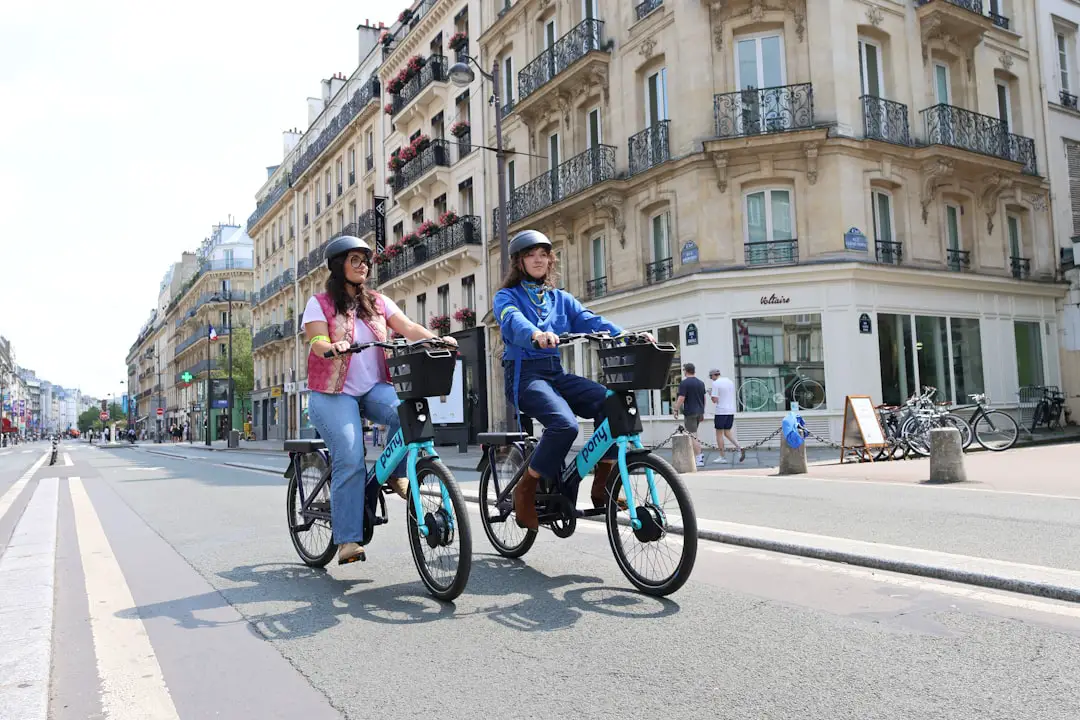
Santiago’s transport network includes the Metro, Red buses, taxis, and app-based rides. The Metro is efficient, but official travel advice warns that thieves target tourists on public transport and at stations. Crowding makes distraction theft easier.
Pro Tip: Keep your backpack in front of you on crowded trains, close every zipper, and avoid holding your phone near an open train door or platform edge.
Using Taxis and Ride-Sharing Apps
Government travel advice recommends reputable taxi companies or ride-sharing applications and warns against hailing taxis on the street, especially late at night. Uber and Cabify list Santiago as an active service area.
- Check the driver’s name, photo, and plate before entering.
- Ask the driver to confirm your name rather than saying it first.
- Sit in the rear seat and keep the door unlocked until the vehicle starts moving safely.
- Share the trip with a trusted contact.
- Leave if the vehicle or driver does not match the app.
Arrival at Santiago International Airport
Do not accept a ride from anyone who approaches you in the arrivals hall. The official Santiago Airport guidance directs arriving passengers to the authorized transport center and designated counters after customs. Follow the airport signs, buy or confirm the service at the proper counter, and board only in the assigned pickup area.
Official airport taxis can be prepaid, and enrolled vehicles and drivers use controlled pickup zones. If you choose an app-based ride, follow the current pickup directions shown in the app and verify the plate before entering.
Where to Stay in Santiago
No commune or neighborhood can guarantee safety. Many first-time visitors choose eastern areas because they have hotels, restaurants, transport links, and active streets. Your exact block, building access, late-night transport, and daily route matter more than a simple safety score.
| Area | Why Travelers Choose It | Safety Trade-Off |
|---|---|---|
| Las Condes | Large hotels, business areas, shopping, and transport options | Affluent areas still face vehicle crime and carjacking risks |
| Providencia | Central location, cafés, restaurants, and good Metro access | Busy streets and stations still attract pickpockets |
| Vitacura | Quieter streets, restaurants, and upscale accommodation | Some locations are less convenient without a taxi or ride app |
| La Reina | Residential atmosphere and longer-stay accommodation | Farther from many central attractions, so plan late transport |
Use extra caution after dark in Bellavista, Barrio Lastarria, central tourist zones, parks, and around major transport hubs. If you visit nightlife areas, take verified transport back to your door rather than walking alone through quiet streets.
Chilean Cultural Norms and Boundaries

A single cheek-kiss greeting is common in some social situations, but it is not universal. Follow the other person’s lead and use a handshake or verbal greeting when that feels more comfortable. You do not need to accept physical contact to be polite.
At markets and busy commercial areas, sales pitches can feel persistent. A firm no, gracias is enough. Move into a hotel, pharmacy, bank, or staffed shop if someone keeps following you or the situation feels wrong.
Emergency Contacts and Resources
Save these numbers in your phone and write them on paper. Chile’s official emergency services use separate numbers:
- Police, Carabineros: 133
- Ambulance, SAMU: 131
- Fire, Bomberos: 132
- Investigations Police, PDI: 134
- Gender-violence information and support: 1455, daily from 8:00 a.m. to midnight, or WhatsApp +56 9 9700 7000
The Carabineros 133 line is free, confidential, and available 24 hours a day. The SAMU 131 service is for medical emergencies. The 1455 service provides psychosocial and legal guidance related to violence against women.
Check your own government’s Chile travel advice before departure. U.S. citizens can enroll in the Smart Traveler Enrollment Program, while travelers from other countries should check whether their embassy offers a similar registration or alert service.
What to Do If Something Goes Wrong
If You Are Robbed
- Move to a staffed, well-lit place and call 133 if you are in immediate danger.
- Do not confront or follow the thief.
- Freeze payment cards and contact your mobile provider.
- Use device tracking only from a safe place. Do not try to recover the phone yourself.
- Report the crime to Carabineros or PDI and request a denuncia, the official police report.
- Contact your insurer and embassy if documents were stolen.
If Your Passport Is Stolen
Bring the police report and any digital or paper passport copy to your embassy or consulate. U.S. citizens can contact the U.S. Embassy at Avenida Andrés Bello 2800, Las Condes, by calling +56-2-2330-3000. Other travelers should save their own embassy’s address and emergency number before departure.
If You Experience Assault or Suspected Drink Spiking
Get to a safe location, call 131 for urgent medical care and 133 or 134 to report the incident. Contact someone you trust and your embassy. Medical care can protect your health and preserve evidence even when you are not yet sure whether you want to make a formal complaint.
How to Use Other Travelers’ Experiences
Traveler reports can help you learn practical details about a street, hotel entrance, station, or late-night route. They cannot prove that an area is safe, and a positive experience does not cancel current crime warnings.
Give more weight to recent official advisories, accommodation staff who know the immediate area, and transport alerts. Use reviews to identify repeated patterns, such as phone theft near a station or poor lighting around a property, rather than relying on one person’s broad claim that Santiago felt completely safe or unsafe.
Frequently Asked Questions
Is Santiago, Chile safe for solo female travelers?
Many women visit Santiago without serious problems, but the city requires active precautions. Street theft is common, violent robberies have increased, and women traveling alone may face harassment. Choose a well-reviewed property, avoid isolated areas after dark, and use verified transport.
What areas require extra caution in Santiago?
Use extra caution after dark in Bellavista, Barrio Lastarria, central tourist areas, parks, Cerro Santa Lucía, Cerro San Cristóbal, Mercado Central, Plaza de Armas, and major transport hubs. Avoid any quiet or poorly lit route, regardless of the neighborhood name.
Can I drink the tap water in Santiago?
Santiago’s public water is treated for human consumption. Aguas Andinas states that Metropolitan Region water meets Chilean drinking-water standard NCh 409. Its mineral content and taste may differ from what you are used to, so bottled water is an option for a sensitive stomach.
Is it safe to use Uber or Cabify in Santiago?
App-based rides provide a trip record, driver details, and plate information, which adds accountability. Verify every detail before entering, share the trip, and leave if the vehicle does not match. At the airport, follow the current official pickup or authorized-counter instructions.
What scams should I watch for?
Watch for liquid-spill distractions, bag theft from chairs, phone snatching, tyre-puncture distractions, unofficial airport drivers, hidden card-reader screens, and charges with extra zeroes. Check the amount before tapping a card and decline unsolicited help.
Is the Santiago Metro safe for a woman traveling alone?
The Metro is useful, but theft occurs on trains and in stations. Keep your bag closed and in front, put your phone away in dense crowds, avoid nearly empty stations late at night, and change your route if a situation feels unsafe.
What emergency numbers should I save in Chile?
Save 133 for Carabineros police, 131 for SAMU ambulance, 132 for fire, 134 for PDI, and 1455 for gender-violence information and support. Use 133 or 134 for an immediate police emergency.
Safety Disclaimer: This article provides general travel information, not a guarantee of safety or official advice. Crime patterns, transport arrangements, demonstrations, and emergency procedures can change. Check current government guidance and local instructions before and during your trip.
Conclusion
Santiago is not a city where you need to panic, but it is a city where you should prepare. Protect your phone and bag, use verified transport, avoid demonstrations and isolated routes, and take nightlife precautions seriously. Save the emergency numbers and your embassy details before arrival. These steps reduce risk and help you respond faster if plans change.
Sources
- U.S. Department of State: Chile Travel Advisory, current Level 2 advisory, crime trends, demonstrations, high-risk locations, and embassy contacts
- Government of Canada: Chile Travel Advice, petty crime, violent robbery, women’s safety, drink spiking, public transport, and taxi guidance
- UK Foreign, Commonwealth and Development Office: Chile Safety and Security, airport taxi fraud, muggings, demonstrations, and nightlife risks
- Santiago Airport, Nuevo Pudahuel: Official Transport, authorized counters and controlled pickup process
- Chile Ministry of Health: Emergency and Disaster Contacts, official numbers for ambulance, fire, Carabineros, and PDI
- ChileAtiende: Gender-Violence Support Line 1455, support hours, services, and WhatsApp contact