
Last Updated on July 27, 2026 by Daniel Globe
Planning a trip to London requires balancing weather, crowd sizes, seasonal pricing, and festival calendars. Whether you are aiming to stroll through Royal Parks in full bloom, attend world-class summer festivals, or experience holiday light displays along Oxford Street, timing your visit dramatically shapes your experience and travel budget.
Quick Answer
The best time to travel to London is during the shoulder seasons of spring (March to May) and autumn (September to November). During these months, daytime temperatures are comfortable (50°F to 68°F / 10°C to 20°C), crowd levels at major landmarks like the Tower of London are manageable, and hotel rates drop significantly compared to peak summer peak months.
Key Takeaways
- Best Overall Weather & Crowds: May and September offer mild, dry days with moderate tourist queues.
- Peak Tourist Season: June through August features warm weather and long daylight hours, but brings maximum hotel pricing and heavy tourist crowds.
- Lowest Budget Rates: January and February offer the cheapest flights and hotel accommodations, though days are chilly and short.
- Transit Efficiency: Use contactless credit/debit cards or Oyster cards on Transport for London (TfL) networks for seamless travel.
At a Glance: London Travel Seasons
| Shoulder Season (Best) | March–May & September–November | 50°F–68°F (10°C–20°C) |
| Peak Season | June–August | 65°F–78°F (18°C–26°C) | High crowds & peak rates |
| Off-Peak Season | November–February (excl. Holidays) | 38°F–48°F (3°C–9°C) | Lowest prices |
| Average Daily Budget | £150–£300 ($190–$380 USD) per person/day (includes accommodation, dining, transit) |
Disclosure: As an Amazon Associate I earn from qualifying purchases. Some links on this page are affiliate links, at no extra cost to you.
Understanding London Weather and Seasons
The weather and seasons play a pivotal role in shaping the experiences of travelers in London. The UK maritime climate can vary throughout the year, influencing available outdoor activities, clothing requirements, and overall ambiance.
In spring (March to May), London brings a burst of floral life. Hyde Park, Regent’s Park, and Kew Gardens bloom with cherry blossoms and daffodils while temperatures gradually warm from 50°F to 65°F (10°C to 18°C). This season features mild weather ideal for outdoor exploration, sightseeing walks, and park picnics.
Conversely, summer (June to August) ushers in warmer weather with temperatures averaging 65°F to 78°F (18°C to 26°C), alongside occasional heatwaves exceeding 85°F (30°C). The long daylight hours—stretching until 9:30 PM in late June—are perfect for rooftop dining, outdoor cinema events, and evening strolls along the South Bank. However, summer heat can make underground Tube travel hot, and popular attractions see heavy visitor volume.
As autumn approaches (September to November), the landscape transforms into a tapestry of red, orange, and gold foliage. Crisp air and cooler daytime averages around 55°F to 65°F (13°C to 18°C) make autumn a favorite among photographers and city walkers. Rain increases slightly toward November, but museum visits and pub fires offer cozy retreats.
Winter (December to February) brings cooler conditions, with daytime temperatures lingering between 38°F and 48°F (3°C and 9°C). Daylight hours shorten to around 8 hours per day. While chilly, winter provides ice skating rinks at Somerset House, festive Christmas lights along Regent Street, and lower accommodation rates in January and February.
Pro Tip: London weather is famously unpredictable regardless of the month. Always pack a compact windproof umbrella and dress in layers so you can easily adapt to swift changes from sunshine to passing rain showers.
Major Events and Festivals by Season
Events and cultural festivals are integral to London’s vibrant atmosphere, providing visitors with a rich look into British traditions, culinary arts, and international performances.
In spring, major events include the RHS Chelsea Flower Show in May, which displays world-class garden designs, and the historic Oxford and Cambridge Boat Race along the River Thames in April. Cultural enthusiasts can also enjoy London Craft Week and open-air theatrical performances.
Summer hosts iconic sporting and cultural gatherings. June features Trooping the Colour (the King’s Official Birthday Parade), while late June through early July brings the Wimbledon Tennis Championships. In late August, the Notting Hill Carnival turns West London into Europe’s largest street festival, celebrating Caribbean culture with music, parades, and street food.
Autumn centers on arts, film, and heritage. The BFI London Film Festival takes place in October, showcasing major cinematic premieres. November features Bonfire Night (Guy Fawkes Night) on November 5th, marked by fireworks displays across public parks like Battersea Park and Alexandra Palace.
Winter brings winter wonderlands and festive celebrations. Hyde Park’s Winter Wonderland opens from mid-November through early January, featuring carnival rides and holiday markets. New Year’s Eve fireworks along the London Eye draw global visitors, requiring advance ticket purchases through official city channels.
Managing Crowds and Tourist Seasons
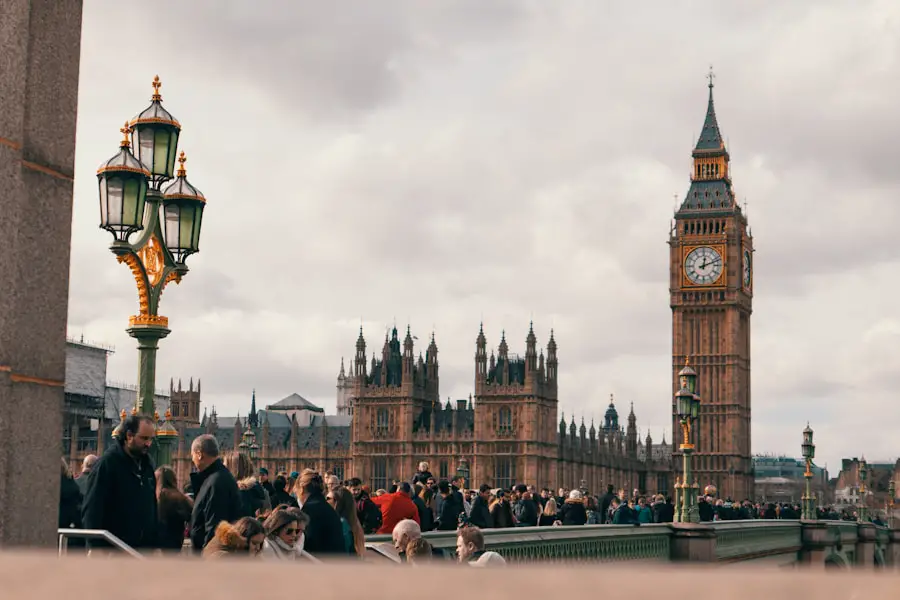
Understanding the dynamics of visitor crowds and tourist seasons is crucial for effective itinerary planning. Peak tourist season coincides with European school summer holidays (July and August), leading to high visitor numbers at major historic landmarks.
During peak months, popular destinations like Paris, Rome, and London experience high visitor concentration. In London, sites like the Tower of London, Westminster Abbey, and the London Eye frequently see long queues and sold-out timed entries.
Travelers seeking a more relaxed pace benefit from visiting during the shoulder seasons—spring or fall—when daylight is ample, weather remains agreeable, and landmark wait times decrease significantly. Visiting major sights on weekday mornings immediately upon opening also helps avoid mid-day tour group crowds.
Warning: Top attractions such as the London Eye, Tower of London, and Harry Potter Studio Tour require advance timed-entry booking weeks or months ahead during peak summer and holiday periods. Walking up without a booking often leads to long delays or sold-out entry.
Accommodation Types and Average Rates
London offers a broad spectrum of lodging options, ranging from luxury historic hotels in Mayfair to budget-friendly hostels in King’s Cross and vacation rentals in residential neighborhoods.
During peak summer months and major holiday periods, accommodation demand increases prices across all tiers. Off-peak winter months (excluding Christmas and New Year’s week) yield substantial discounts and promotional packages at boutique and luxury properties.
| Accommodation Type | Average Price per Night (GBP / USD) | Peak Occupancy Rate |
|---|---|---|
| Mid-Range Hotel | £180 – £260 ($230 – $330 USD) | 85% – 92% |
| Vacation Apartment / Airbnb | £140 – £220 ($180 – $280 USD) | 78% – 85% |
| Hostel Dorm Bed | £35 – £65 ($45 – $85 USD) | 70% – 80% |
To secure competitive pricing, book accommodation at least three to four months prior to spring and summer trips. Choosing locations slightly outside Zone 1 (such as Greenwich, Hammersmith, or Islington) provides quieter residential settings with fast Underground access to central sights.
Transportation and Accessibility in London
London features a comprehensive public transit network operated by Transport for London (TfL), encompassing the Underground (The Tube), Overground rail, iconic red double-decker buses, river buses, and the high-speed Elizabeth line.
Navigating London does not require purchasing paper tickets. Passengers can use contactless credit cards, debit cards, or mobile wallets (Apple Pay/Google Pay) directly at station ticket barriers. Daily fare caps automatically apply, ensuring you pay the lowest standard fare for your travel zones.
Note: The Elizabeth line provides fast transit between Heathrow Airport and Central London (Paddington in ~28 minutes, Tottenham Court Road in ~33 minutes), offering an efficient alternative to taxis or airport shuttles.
Accessibility infrastructure continues to expand across London’s transit system. A growing number of Tube stations feature step-free access from street to train, and all London buses feature low-floor boarding ramps and dedicated wheelchair spaces.
Local Tips and Travel Recommendations
Engaging with local customs and smart planning habits enhances your overall travel experience across the capital:
- Take Advantage of Free Museums: London’s major national museums—including the British Museum, Natural History Museum, Science Museum, National Gallery, and Tate Modern—offer free permanent admission year-round.
- Mind Escalator Etiquette: When riding Underground escalators, stand on the right side so commuters can pass on the left.
- Tap Out Correctly: Always use the same payment card or mobile device to tap in at the start of your transit journey and tap out at the destination barrier to ensure accurate fare capping.
- Stay Connected: Keep a compact portable power bank handy while navigating with digital maps and transit apps throughout long sight-seeing days.
Safety and Security Guidelines
London is generally a safe global capital with low rates of violent crime affecting tourists. However, as in any major metropolitan area, staying vigilant helps prevent common travel inconveniences.
Unattended items should never be left visible in cafes or restaurants, and personal belongings ought to be kept secure in crowded tourist areas like Oxford Circus, Leicester Square, and West End transit hubs where opportunistic pickpocketing or phone snatching can occur.
Emergency services across the United Kingdom can be reached by dialing 999 (or 112 from mobile devices). For non-emergency police assistance, call 101.
Overall Experience and Conclusion
London delivers an exceptional travel experience across all four seasons. Whether you choose the blooming parks of spring, the sunlit cultural festivals of summer, the crisp golden foliage of autumn, or the festive winter markets, careful timing ensures a memorable British getaway aligned with your budget and travel preferences.
“By matching your travel timing with local seasonal patterns, you can comfortably explore centuries of history, world-class dining, and vibrant cultural arts without feeling overwhelmed.”
Frequently Asked Questions
What is the overall best time to travel to London?
The best time to travel to London is during the shoulder seasons of spring (March to May) and autumn (September to November). These periods deliver comfortable temperatures (50°F–68°F / 10°C–20°C), reasonable hotel rates, and shorter queues at major landmarks.
What is the weather like in London during the best time to travel?
During spring and autumn, London experiences mild and variable weather with daytime temperatures ranging from 50°F to 65°F (10°C to 18°C). Rain showers occur periodically throughout the year, making an umbrella and light waterproof jacket essential packing items.
When is the peak tourist season in London?
Peak tourist season occurs during the summer months of June through August, coinciding with warm weather, extended daylight hours, and major outdoor events like Wimbledon and Notting Hill Carnival. Accommodation prices and attraction crowds reach annual highs during this period.
When is the off-peak tourist season in London?
The off-peak season runs from November through February (excluding the Christmas and New Year holiday weeks). Temperatures are cooler (38°F–48°F / 3°C–9°C), but visitors enjoy the lowest flight and hotel rates alongside quiet museums and galleries.
Are there major events or festivals to consider when planning a London trip?
Yes. Popular annual events include the Chelsea Flower Show (May), Wimbledon Tennis Championships (June/July), Notting Hill Carnival (August), BFI London Film Festival (October), and London’s festive Christmas illuminations and markets (November–December).
Sources
- Visit London — Official London tourism portal for seasonal events, landmark schedules, and travel planning data.
- Met Office UK — Official UK national weather service providing historical climate averages and weather forecasts.
- Transport for London (TfL) — Official transit authority detailing Tube, Elizabeth line, bus fares, and contactless travel rules.
