
Last Updated on August 26, 2026 by Daniel Globe
London can be rewarding in every season, but the best time to visit depends on how you balance weather, crowds, prices and events. Using Met Office 1991–2020 climate averages for Heathrow and current London event calendars, this guide compares the year so you can choose the period that best fits your trip.
Quick Answer
For most travelers, the best time to visit London is May or late September through early October, when temperatures are usually mild and crowds are easier than in midsummer. January and February are often quieter and better for value. June through September is generally the busiest period, while December is best for festive atmosphere.
Key Takeaways
- May and late September to early October offer a strong balance of mild weather and manageable crowds.
- June through September is London’s broad peak season, with longer days but higher demand for hotels and major attractions.
- January and February are usually among the quieter periods and can offer better accommodation value outside special events and school breaks.
- London has rain in every season, so bring layers and a lightweight waterproof jacket regardless of when you visit.
- Major events such as the RHS Chelsea Flower Show, Wimbledon, Notting Hill Carnival and London Design Festival can make specific neighborhoods and dates considerably busier.
Disclosure: As an Amazon Associate I earn from qualifying purchases. Some links on this page are affiliate links, at no extra cost to you.
London Weather by Season
London has a temperate climate with relatively mild winters and warm summers. Conditions can change quickly, and there is no reliably dry season. Snow is uncommon but possible in winter, while summer heatwaves can occasionally push temperatures well above the seasonal average.
| Season | Typical Heathrow Average Highs | Typical Average Lows | What to Expect |
|---|---|---|---|
| Spring March–May |
About 11.7–18.4°C 53–65°F |
About 4.1–9.1°C 39–48°F |
Longer days, spring flowers and mixed sun-and-shower weather. |
| Summer June–August |
About 21.6–23.9°C 71–75°F |
About 12.0–14.2°C 54–58°F |
Warmest weather, long daylight hours and occasional hot spells. |
| Autumn September–November |
About 20.2°C in September, falling to 11.5°C in November | About 11.6°C in September, falling to 5.3°C in November | Mild early autumn, colorful parks and progressively cooler, wetter days. |
| Winter December–February |
About 8.4–9.0°C 47–48°F |
About 2.7–3.1°C 37–38°F |
Cool, short days, frequent damp conditions and occasional frost or snow. |
London does not have a reliably dry season. Heathrow’s 1991–2020 climate normals show roughly eight or more days with at least 1 mm of rain in every month, so rain protection is useful year-round.
Best Time to Visit London by Travel Priority
- Best overall balance: May and late September through early October generally combine comfortable temperatures with easier sightseeing than the height of summer.
- Best for fewer crowds: January and February are usually quieter, with additional shoulder-season opportunities from March to April and October to November outside school holidays.
- Best for warm weather and outdoor activities: June through August offers London’s warmest temperatures and longest daylight hours, but it is also one of the busiest periods.
- Best for value: January and February often offer better accommodation deals than peak summer, although prices vary by neighborhood, event dates and booking lead time.
- Best for festivals: May through September has the densest calendar of major outdoor, sporting, cultural and design events.
- Best for Christmas atmosphere: Late November through December brings lights, seasonal markets, skating and festive events, but central London can be crowded.
Note: London’s quieter months are not uniformly quiet. Easter, February and October half-term breaks, major sporting events, concerts, Christmas weekends and New Year can produce sharp local increases in crowds and hotel rates.
Best Times for Outdoor Activities in London
Late spring is one of the most enjoyable times for London’s parks, gardens and riverside walks. May offers increasingly warm days, spring planting and long daylight hours without requiring midsummer heat. Hyde Park, Regent’s Park, Greenwich Park, Richmond Park and the Thames Path are all easy to enjoy on a mild day.
June is warmer and has very long daylight hours, making it excellent for picnics, walking tours, boating and outdoor dining. However, it also marks the start of London’s broad peak tourism season, so popular green spaces and central attractions can be busier.
Summer remains a prime time for festivals, outdoor concerts and al fresco dining. Visitors can cycle in Richmond Park, walk along the Thames or spend an afternoon around the Serpentine. Hot spells do occur, so carry water and plan breaks if temperatures climb.
Early to mid-September can also work well for outdoor plans. Temperatures often remain comfortable while the heaviest summer-holiday crowds begin to ease after the first part of the month.
Products Worth Considering
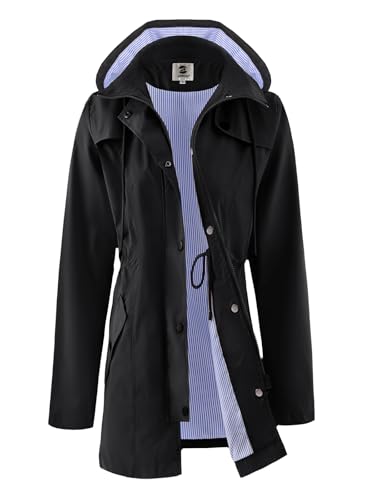
Stay Dry: With 2 layer waterproof fabric, SaphiRose rain jacket lets you be active on rainy days. Blocks moisture by using materials that prevent water absorption, so you stay dry in wet conditions.


London’s Festivals and Events Throughout the Year
London’s calendar is active throughout the year, and major events can be a reason to choose — or avoid — particular dates.
In spring, the RHS Chelsea Flower Show is one of the city’s biggest horticultural events. The 2026 show ran from 19 to 23 May at the Royal Hospital Chelsea.
Early summer brings major concerts and outdoor programmes, while The Championships, Wimbledon run from 29 June to 12 July in 2026. Visitors staying in southwest London or attending matches should book early.
One of London’s most famous celebrations is Notting Hill Carnival, a major celebration of Caribbean culture over the August Bank Holiday weekend. In 2026, the programme runs from 29 to 31 August, with the main street Carnival on Sunday 30 August and Monday 31 August. West London becomes exceptionally busy, so transport and accommodation require extra planning.
September remains culturally active. Totally Thames runs throughout September in 2026 with river-related arts, walks, performances and activities, while the London Design Festival takes place from 12 to 20 September 2026.
Winter transforms central London with Christmas lights, seasonal markets, performances and skating. Markets and festive installations commonly appear around areas such as South Bank and Covent Garden, although individual programmes change each year. New Year’s celebrations and the New Year’s Day Parade add another burst of activity around the end of December and start of January.
Avoiding Crowds: When to Visit London
London is busy year-round, but seasonality still matters. Visit London’s current guidance describes January through April and September through November as broad quieter periods, while June through September is typically the high season. School holidays, Easter and major events create important exceptions.
| Month | Typical Crowd Pattern | What to Know | Good for Lower Crowds? |
|---|---|---|---|
| January | Usually low after New Year | Cold, short days but often good value. | Yes |
| February | Usually low | February half-term can increase family traffic. | Yes, outside half-term |
| March | Low to moderate | Longer days begin and spring travel increases. | Yes |
| April | Variable | Easter weekend and school holidays can be very busy. | Yes, outside Easter |
| May | Moderate | Excellent weather balance, but bank holidays and Chelsea Flower Show affect demand. | Reasonably |
| June | High | Peak season begins; long days attract outdoor visitors. | No |
| July | High | Summer holidays and major events increase demand. | No |
| August | High | Summer holidays and the August Bank Holiday are major crowd drivers. | No |
| September | High early, easing later | Summer tourism eases after the first part of the month, but major cultural events remain. | Better later in the month |
| October | Moderate | October half-term creates a temporary family-travel spike. | Yes, outside half-term |
| November | Low to moderate | Festive activity builds later in the month. | Yes, especially earlier |
| December | Moderate to high in central areas | Christmas shopping, lights and New Year bring heavy demand on key dates. | Not if avoiding festive crowds |
For a quieter experience at major attractions such as the British Museum or Tower of London, weekdays are generally preferable to weekends. Tuesday and Wednesday can be particularly useful days for building a sightseeing schedule, although timed-ticket availability matters more than the day of the week at some attractions.
Early mornings are usually the best choice for heavily photographed areas and outdoor landmarks. Late afternoon can also become calmer once day-trippers and tour groups begin moving on.
Best Time for Budget Travelers
January and February are usually among the strongest months for travelers who prioritize value over weather. Visit London notes that these months can bring cheaper deals on accommodation, attractions and restaurants outside the February half-term period.
March, parts of April, October and November can also provide good value, but prices are highly date-sensitive. Easter, school half-term weeks, large concerts, major sporting events and Christmas-season weekends can push rates upward even during months that are usually considered shoulder season.
Summer is generally less favorable for bargain hunting. From June through September, higher visitor demand tends to increase hotel and flight prices. If you must travel in peak season, compare several date combinations and book major accommodation and attractions earlier rather than relying on last-minute availability.
The Best Time for Sightseeing in London
For sightseeing, the most comfortable balance is usually May or late September through early October. These periods can provide mild temperatures without the full intensity of midsummer demand. Visitors can comfortably explore landmarks such as Big Ben, Westminster Abbey and St. Paul’s Cathedral while still benefiting from reasonable daylight.
Summer gives you the longest days, which is useful if you want to fit many sights into one day. The trade-off is heavier visitor traffic at major attractions. During June, July and August, start the most popular sights early and save flexible activities — parks, neighborhoods, riverside walks and shopping — for later in the day.
Winter sightseeing has its own advantages. Indoor attractions remain practical in poor weather, and London looks distinctive under Christmas lights and evening decorations. The main drawback is shorter daylight, so outdoor landmarks are easier to photograph earlier in the day.
Pro Tip: Reserve timed-entry attractions before your trip, then build flexible parks, markets and neighborhood walks around those fixed appointments. This is usually more reliable than trying to avoid every crowd simply by choosing a particular weekday.
London’s Seasonal Attractions
Each season highlights a different side of London. Spring brings blossoms, bulbs and fresh greenery to the city’s parks and gardens. Greenwich Park, London’s Royal Parks, Kew Gardens and Holland Park are especially appealing during periods of good weather, while the RHS Chelsea Flower Show gives garden enthusiasts another reason to visit in May.
Summer turns much of London outdoors. Seasonal cinema programmes appear at changing venues, parks host concerts and festivals, and major music programmes such as BST Hyde Park and the Somerset House Summer Series draw large audiences. Long evenings also make riverside walks and outdoor dining easier to fit around sightseeing.
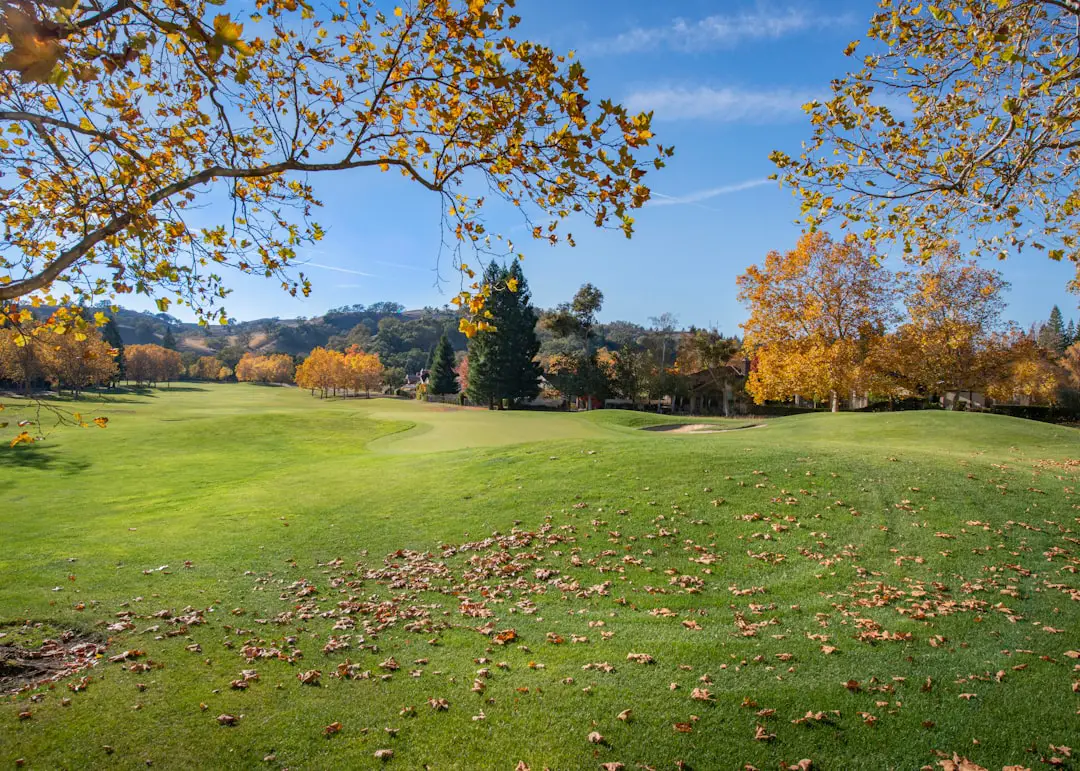
Autumn brings red, orange and gold foliage to parks such as Hampstead Heath and Richmond Park. September remains busy with cultural events, while October and November gradually shift toward darker evenings and the beginning of London’s Christmas-light season.
Winter is centered on lights, festive markets, performances and ice skating. Skate at Somerset House returns from 11 November 2026 to 10 January 2027. The former Natural History Museum ice rink has closed; its former rink area has been transformed as part of the museum’s gardens.
How to Dress for London’s Weather
Layering is the safest approach because London temperatures can change during the day and showers can arrive in any season. A lightweight waterproof outer layer is useful year-round.
- Spring: Light layers, a waterproof jacket and comfortable closed-toe walking shoes.
- Summer: Breathable cotton or linen clothing, comfortable shoes, sunglasses and a light rain layer. Bring water during hot spells.
- Autumn: Layers, a sweater or light jacket and rain protection. Later autumn requires warmer outerwear.
- Winter: A warm coat, insulating layers, scarf, hat and shoes suitable for damp pavements.
Comfortable footwear is especially important because London sightseeing often involves far more walking than visitors expect, even when using the Underground or buses between neighborhoods.
Products Worth Considering

4-In-1 Rebound Tech: Featuring our innovative 4-in-1 rebound tech, NORTIV 8 hiking shoes for women are engineered with a supercritical foam insole for step-in softness, a Strobel insole for sustained cushioning, and a dual-density EVA midsole that enhances shock absorption, providing energy return and lasting support for hikes.

“*NOTE: This style runs small. For the best fit, we recommend ordering a half size up from your usual size.”

OUTDRY SUPERIOR WATERPROOFING: For moderate to heavy rain or snow. Discover our highest performing, waterproof-breathable footwear, designed with an impenetrable membrane, and bonded construction that seals water out.
Planning Your Trip Around London’s Special Events
Special events can make a trip more memorable, but they can also affect hotel prices, transport and crowd levels. The dates below are current for 2026 and should always be rechecked against the official event site when planning a future year.
| 2026 Event | Dates | Planning Impact |
|---|---|---|
| RHS Chelsea Flower Show | 19–23 May | Higher demand around Chelsea and southwest-central London. |
| Wimbledon Championships | 29 June–12 July | Expect heavier transport and accommodation demand in southwest London. |
| Notting Hill Carnival programme | 29–31 August | West London becomes extremely busy; plan routes and accommodation well in advance. |
| Totally Thames | 1–30 September | Month-long river events at multiple locations. |
| London Design Festival | 12–20 September | Extra activity around participating design districts, museums and galleries. |
| Skate at Somerset House | 11 November 2026–10 January 2027 | Popular festive dates and evening sessions can sell quickly. |
Travelers interested in Wimbledon should be especially careful with southwest London accommodation during the Championships. Likewise, visitors attending Notting Hill Carnival should research transport changes before arriving because stations and roads around the route may be exceptionally busy.
September visitors can combine sightseeing with Totally Thames, London Design Festival and other citywide cultural programmes. Events such as Open House Festival can also make September particularly appealing to architecture enthusiasts.
If your trip coincides with a major festival, tournament or holiday weekend, reserve accommodation earlier than you would for an ordinary week. Staying a few Underground stops away from the event area can sometimes provide more choice while keeping travel straightforward.
If you are planning a trip to London, you may also be interested in finding the best travel gifts for her before you leave. Outdoor travelers planning to explore more of the UK can also compare options in this guide to the best ultralight tent for backpacking.
Products Worth Considering

Bag-Opening Alert for Peace of Mind - A light sensor instantly alerts you if your suitcase is opened. This bag opening alert turns your luggage GPS tracker into a silent...
Frequently Asked Questions
What is the best time to travel to London?
For most visitors, May and late September through early October offer one of the best balances of mild weather, daylight and manageable crowds. Travelers who prioritize lower prices and fewer visitors may prefer January or February.
What is the weather like in London during spring and autumn?
Spring warms steadily from March through May. Heathrow’s 1991–2020 averages show daytime maximums rising from about 11.7°C in March to 18.4°C in May. Autumn moves in the opposite direction, from about 20.2°C in September to 11.5°C in November. Rain is possible throughout both seasons.
When is peak tourist season in London?
London’s broad peak season is usually June through September, driven by warmer weather, major events and school holidays. Popular attractions and hotels can be especially busy in July and August.
What are the quietest months to visit London?
January and February are generally among the quietest periods, particularly after New Year and outside February half-term. Parts of March, April, October and November can also be calmer, but Easter and school holidays create exceptions.
What is the cheapest time to visit London?
January and February often provide better accommodation value than peak summer. Prices still depend on exact dates, neighborhood, events and how early you book, so compare several travel windows rather than assuming every winter date is inexpensive.
Are there major London events during the best travel months?
Yes. May includes the RHS Chelsea Flower Show, summer brings Wimbledon and outdoor music events, the August Bank Holiday features Notting Hill Carnival, and September includes Totally Thames and London Design Festival. Event dates change by year, so check official calendars before booking.
Does it rain all the time in London?
No, but rainfall is spread throughout the year rather than confined to one rainy season. Even relatively dry months average several measurable-rain days, so a lightweight waterproof layer is useful in every season.
Sources
- Met Office — Heathrow 1991–2020 climate averages — temperature, rainfall and seasonal weather data.
- Visit London — Best time to visit London — peak season, quieter periods, school-holiday cautions and seasonal guidance.
- Notting Hill Carnival — Carnival 2026 — official 2026 dates and programme.
- Royal Horticultural Society — RHS Chelsea Flower Show — official 2026 show dates.
- The Championships, Wimbledon — Future Championships dates — official 2026 tournament dates.
- Somerset House — Skate at Somerset House — current 2026–27 winter skating dates.
