
Last Updated on July 29, 2026 by Daniel Globe
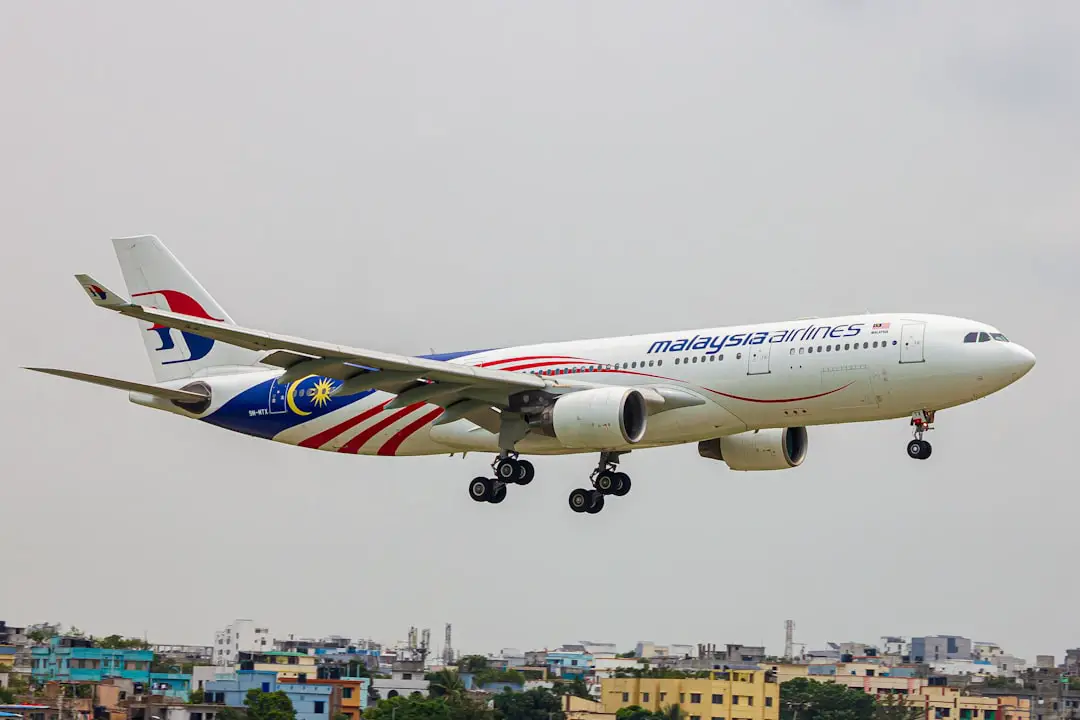
Choosing an airline means trusting its people, aircraft, procedures, and regulators with your safety. Asiana Airlines has a mixed historical record that includes fatal crashes, serious nonfatal accidents, major safety reforms, and an ongoing integration with Korean Air. Looking at the complete record—not only ratings or passenger reviews—provides the clearest answer about flying with Asiana today.
Quick Answer
Asiana Airlines meets major international operating requirements and remains an IATA member subject to IOSA registration rules. Its last fatal passenger accident was Flight 214 in 2013, although its wider history also includes earlier fatal passenger and cargo crashes. No airline can be declared risk-free, so the complete record matters.
Key Takeaways
- Asiana has not had a fatal passenger accident since the July 2013 crash of Flight 214.
- Its full history also includes the 1993 Flight 733 passenger crash and the 2011 Flight 991 cargo crash.
- Asiana publicly describes a safety management system, voluntary reporting process, and flight-data monitoring program.
- IOSA registration is a meaningful operational audit benchmark, but it is not a government safety certificate or a guarantee against accidents.
- Korean Air owns Asiana during a transition toward a combined airline scheduled to launch on December 17, 2026.
What’s in This Article
- Is Asiana Airlines Safe? The Bottom Line
- Safety Measures and Regulatory Oversight
- Pilot Training and Experience
- Maintenance and Inspection Standards
- Asiana Airlines Accident and Incident History
- Safety Ratings and IOSA Registration
- What Passenger Feedback Can Tell You
- How to Check Your Specific Asiana Flight
- Korean Air Integration and Future Safety Work
- Frequently Asked Questions
- Sources
Disclosure: As an Amazon Associate I earn from qualifying purchases. Some links on this page are affiliate links, at no extra cost to you.
Is Asiana Airlines Safe? The Bottom Line
Asiana Airlines can reasonably be considered a major international carrier operating within established regulatory and industry-audit systems. It remains listed as an airline member by the International Air Transport Association, and IATA requires member airlines that can be audited to remain on the IOSA Registry.
That does not erase Asiana’s accident history. Flight 733 crashed in 1993 with 68 fatalities, Cargo Flight 991 killed both pilots in 2011, and Flight 214 killed three passengers in San Francisco in 2013. A balanced answer should acknowledge those events while also noting that Asiana has not had another fatal passenger accident since Flight 214.
A strong recent record is relevant, but it should be considered alongside the airline’s complete history, current oversight, operating systems, and response to past accidents.
Founded in 1988, Asiana also built a reputation for attentive service and long-haul amenities. Travelers researching the onboard experience can separately review details such as Asiana Airlines Wi-Fi. Service quality, however, should not be treated as proof of operational safety.
Safety Measures and Regulatory Oversight
As a South Korean airline, Asiana’s primary government oversight comes from South Korea’s Ministry of Land, Infrastructure and Transport. International Civil Aviation Organization standards help shape national aviation rules, while foreign requirements also apply when the airline operates in another country. For example, U.S. operating authority and applicable Federal Aviation Administration rules matter on routes to the United States, but the FAA is not Asiana’s main home-state regulator.
Asiana says its safety management system was accepted by the Korean transport ministry in 2008. Its published safety information describes a system for identifying hazards, assessing risk, reviewing operational data, and encouraging employees to report safety concerns. It also describes a voluntary reporting process designed to protect employees from punitive treatment when they report an honest safety issue.
The airline also identifies Flight Operations Quality Assurance as part of its preventive-safety work. FOQA uses recorded flight data to detect trends or unusual operating patterns that may support changes in training, procedures, or maintenance.
Pro Tip: When comparing airlines, look for several kinds of evidence together: government oversight, current IOSA status, recent occurrence history, transparent safety reporting, and the airline operating your specific flight.
Pilot Training and Experience
Pilot training is a central part of any airline’s operating approval. Airline pilots must complete initial aircraft-type training, proficiency checks, recurrent instruction, emergency-procedure training, and medical and licensing requirements established by the relevant authorities.
Asiana’s public safety materials say the airline uses operational and simulator data to support training decisions. Crew resource management is also important because it addresses communication, workload, leadership, monitoring, and decision-making among flight-deck and cabin crewmembers.
The 2013 Flight 214 investigation showed why these skills matter. The National Transportation Safety Board found that the crew mismanaged the descent, unintentionally disabled automatic airspeed control, failed to monitor airspeed adequately, and delayed the go-around. Contributing factors included automation complexity, shortcomings in training, nonstandard crew coordination, inadequate supervision, and fatigue.
Publicly available sources do not provide enough detail to verify every claim about Asiana’s current simulator hours, exact recurrent syllabus, or pilot-experience distribution. Those details should not be invented. What can be verified is that training and operating procedures are part of the safety integration now taking place between Asiana and Korean Air.
Maintenance and Inspection Standards
Commercial aircraft maintenance is governed by an approved program rather than a single inspection before or after every flight. The program normally combines line maintenance, scheduled checks, defect correction, component limits, manufacturer instructions, regulatory airworthiness directives, and detailed maintenance records.
| Maintenance Area | What It Covers | What Passengers Should Know |
| Line maintenance | Routine servicing, reported defects, visual checks, and work needed between scheduled flights. | A delay or aircraft change may occur when a defect requires investigation or repair. |
| Scheduled maintenance | Tasks completed at specified calendar, flight-hour, flight-cycle, or component intervals. | Intervals depend on the aircraft, component, approved program, and operating history. |
| Airworthiness action | Mandatory regulator directives, manufacturer instructions, inspections, modifications, and recordkeeping. | Aircraft must remain within applicable airworthiness requirements to operate legally. |
| Operational-data review | Flight and technical data may reveal recurring events, abnormal trends, or areas needing review. | Asiana publicly identifies FOQA as one part of its preventive-safety system. |
Asiana states that it uses safety and flight data to identify risk, but its public pages do not support the original claim that technicians inspect every aircraft both before and after every flight. Maintenance quality should be judged through regulatory compliance, approved programs, audit results, defect control, and continuing airworthiness—not an unsupported universal statement.
Asiana Airlines Accident and Incident History
Asiana’s record includes fatal passenger and cargo accidents as well as serious events in which everyone survived. The following table highlights the occurrences most relevant to a passenger evaluating the airline’s history.
| Date and Flight | What Happened | Outcome |
| July 26, 1993 Flight 733 |
The Boeing 737 crashed into mountainous terrain near Mokpo during an approach in poor weather. | Sixty-eight people died. This was not a minor emergency landing. |
| July 28, 2011 Cargo Flight 991 |
A Boeing 747 freighter crashed into the sea after the crew reported a cargo fire and control difficulties. | Both pilots died. It was a cargo operation, not a passenger flight. |
| July 6, 2013 Flight 214 |
The Boeing 777 struck a seawall while approaching San Francisco International Airport. | Three passengers died. The NTSB found descent mismanagement, inadequate airspeed monitoring, unintended loss of automatic speed control, and a delayed go-around. |
| April 14, 2015 Flight 162 |
The Airbus A320 descended below the normal approach path, struck airport equipment, and landed short of the runway at Hiroshima. | Twenty-eight occupants sustained minor injuries. There were no fatalities. |
| May 26, 2023 Flight 8124 |
A passenger opened an emergency exit while the Airbus A321 was approaching Daegu. | The aircraft landed without crashing. Several passengers received hospital treatment, and no one died. |
Warning: A statement such as “no fatal passenger accident since 2013” is useful only when its limits are clear. It excludes the earlier passenger crash, the 2011 cargo crash, nonfatal serious accidents, and other safety or security events.
Flight 214 remains the most recent fatal Asiana passenger accident. According to the NTSB, three of the 291 passengers died, while most occupants survived and evacuated. The investigation produced recommendations for Asiana, Boeing, the FAA, airport authorities, and emergency-response groups.
The accident record should not be used to claim that Asiana is either perfectly safe or uniquely unsafe. Historical events are one part of the assessment. The airline’s present oversight, operating systems, training, maintenance, and response to identified risks also matter.
Safety Ratings and IOSA Registration
The IATA Operational Safety Audit is an internationally recognized system for evaluating an airline’s operational management and control systems. It covers areas such as organization, flight operations, operational control, aircraft engineering and maintenance, cabin operations, ground handling, cargo, and security.
Asiana is listed by IATA as an airline member. IATA states that member airlines capable of being audited must remain registered under IOSA. The most accurate wording is therefore that Asiana is subject to IOSA registration requirements—not that IOSA “certifies” every flight as safe.
Note: IOSA is a valuable independent operational benchmark, but it is not a government operating certificate, a star rating, or a promise that an airline will never have an accident.
Commercial airline-rating websites may also score Asiana, but their methods vary. Some combine accident history, audit status, fleet characteristics, government findings, or subjective service factors. Readers should examine the methodology and update date instead of relying on a badge or score alone.
What Passenger Feedback Can Tell You
Passengers often praise Asiana for attentive cabin crews, comfortable seating, meals, and long-haul service. Other travelers may feel anxious because of the airline’s past crashes or because the Korean Air integration is changing terminals, loyalty benefits, schedules, and branding.
These reviews can help you judge comfort, communication, cleanliness, boarding, or how disruptions are handled. They cannot reliably measure pilot proficiency, maintenance compliance, accident probability, or the effectiveness of an airline’s safety management system.
Passenger confidence still matters. Clear announcements, professional cabin crews, prompt handling of defects, and transparent disruption information can make travelers feel more secure. That perception should be considered separately from the technical evidence used to assess operational safety.
How to Check Your Specific Asiana Flight
An airline-wide record is only the starting point. Before departure, use these steps to confirm the details that apply to your booking:
- Check the operating carrier. A ticket sold by Asiana may include a codeshare segment operated by another airline. The words “operated by” identify the carrier responsible for that flight.
- Review current flight notices. Check the Asiana website or app for terminal changes, schedule updates, check-in rules, and merger-related notices.
- Confirm the aircraft close to departure. Aircraft assignments can change, so treat the model shown during booking as provisional.
- Use official investigation records for serious events. NTSB, JTSB, Korean investigation authorities, and other national agencies provide more dependable evidence than unsourced social posts.
- Separate service complaints from safety findings. A poor meal or delayed bag may be frustrating, but it does not prove that an aircraft was unsafe.
- Follow the cabin safety briefing. Identify the nearest exits, store baggage correctly, and keep your seatbelt fastened whenever seated.
Asiana passengers comparing carriers may also find the broader questions in our guides to whether Philippine Airlines is safe to fly and the Breeze Airways safety record useful. Apply the same evidence-based process to every airline.
Korean Air Integration and Future Safety Work
Korean Air completed its acquisition of a controlling 63.88% stake in Asiana in December 2024. Asiana has continued to operate as a subsidiary and separate brand during the integration period.
In June 2026, South Korea’s transport ministry approved the operational-integration plan. The combined airline is scheduled to launch under Korean Air on December 17, 2026. Until that change occurs, passengers should continue checking which airline operates each segment and which carrier’s policies apply.
The integration work includes aligning aircraft operations, manuals, training, safety systems, maintenance arrangements, and operating approvals. July 2026 reporting indicated that training programs for Korean Air and Asiana cockpit crews had already been standardized in important areas.
This transition may provide more consistent procedures and shared oversight, but integration also requires careful management. Combining fleets, employee groups, manuals, IT systems, and operating cultures is complex. The strongest safety signal will be whether the combined airline completes the transition without weakening reporting, training, maintenance control, or operational discipline.
Frequently Asked Questions
Is Asiana Airlines safe to fly with?
Asiana operates as a major international airline under government oversight and IATA membership requirements. It has not had a fatal passenger accident since Flight 214 in July 2013. Its earlier fatal crashes and later nonfatal incidents should still be considered as part of a balanced assessment.
Has Asiana Airlines ever had a fatal crash?
Yes. Flight 733 crashed near Mokpo in 1993, killing 68 people. Cargo Flight 991 crashed in 2011 and killed both pilots. Flight 214 crashed at San Francisco in 2013, killing three passengers.
What caused the Asiana Flight 214 crash?
The NTSB found that the crew mismanaged the descent, unintentionally deactivated automatic airspeed control, did not monitor airspeed adequately, and delayed the go-around. Contributing factors included automation complexity, training issues, nonstandard crew coordination, inadequate supervision, and fatigue.
Is Asiana Airlines IOSA certified?
“IOSA-registered” is the more precise term. IOSA evaluates an airline’s operational management and control systems. Asiana remains listed as an IATA member, and IATA requires auditable member airlines to maintain IOSA registration. IOSA is an important benchmark but not a guarantee against accidents.
Who regulates Asiana Airlines?
Asiana’s main government oversight comes from South Korea’s Ministry of Land, Infrastructure and Transport. The airline must also meet applicable requirements in countries where it operates, including U.S. rules for its flights to and from the United States.
Does Korean Air own Asiana Airlines?
Yes. Korean Air acquired a controlling stake in December 2024. Asiana has continued operating as a subsidiary during the transition, with the integrated Korean Air scheduled to launch on December 17, 2026.
How does Asiana compare with other international airlines?
Asiana participates in the same broad regulatory and industry-audit systems used by other major international carriers. Direct comparisons should consider the period examined, exposure such as flights operated, accident definitions, audit status, and the quality of current oversight rather than relying on one rating.
What can passengers do to stay safer during a flight?
Pay attention to the safety demonstration, locate the nearest exits, store baggage securely, follow crew instructions, and keep your seatbelt fastened whenever you are seated. The Flight 214 investigation noted that seatbelts affected survivability for occupants who were ejected.
Safety Disclaimer: This article is for general information and cannot predict the safety of a future flight. Airline operations, aircraft assignments, regulatory findings, and corporate-integration plans can change. Consult the airline and relevant aviation authorities for current official information.
Asiana’s history tells more than one story. It includes fatal accidents that demanded serious changes, a lengthy period without another fatal passenger crash, and a safety system now being integrated with Korean Air. The most responsible conclusion is not that the airline is perfectly safe or automatically unsafe, but that it operates within recognized oversight systems while carrying a record passengers deserve to see in full.
Practical preparation also matters after you choose a flight. Pack so aisles and exits remain clear, follow carry-on limits, and use compliant charging equipment. Travelers preparing for a long-haul journey can review our guide to the best carry-on suitcases with USB chargers, while remembering that removable batteries and airline rules should be checked before departure.
Sources
- National Transportation Safety Board: Asiana Airlines Flight 214 — accident facts, probable cause, contributing factors, injuries, and safety recommendations.
- Japan Transport Safety Board: Asiana Airlines Flight 162 — official investigation of the 2015 Hiroshima accident.
- Korea Aviation and Railway Accident Investigation Board: Asiana Cargo Flight 991 — official investigation record for the 2011 cargo crash.
- International Air Transport Association: IOSA Program — scope and purpose of the operational safety audit system.
- Asiana Airlines: Safety Management — airline disclosures concerning its SMS, reporting system, FOQA, and IOSA history.
- Korean Air: 2026 Merger and Integration Briefing — acquisition, safety-integration principles, and the planned combined-airline timeline.
