
Last Updated on July 25, 2026 by Daniel Globe
Spirit Airlines was a U.S. low-cost carrier known for inexpensive base fares and separate charges for optional services. However, the most important fact for travelers in 2026 is that Spirit is no longer operating scheduled flights. The airline ceased operations on May 2, 2026, after it was unable to secure the financing needed to continue flying.
Quick Answer
Spirit Airlines is no longer available to fly. The U.S. Department of Transportation confirmed that it ceased operations on May 2, 2026. Historically, Spirit operated under the same FAA Part 121 safety framework as other large U.S. airlines, but travelers should not attempt to book new Spirit flights.
Key Takeaways
- Spirit Airlines ceased operations on May 2, 2026, so it is not currently possible to take a Spirit-operated scheduled flight.
- Before closing, Spirit was a federally certificated Part 121 airline subject to FAA safety, training, maintenance, and operational requirements.
- Spirit had documented incidents and accidents in public records, so it should not be described as incident-free.
- Low fares, baggage charges, tight seating, delays, and poor customer reviews are not reliable measures of aircraft safety.
- Former customers with unused tickets or credits should review official DOT guidance and consider a credit-card dispute, applicable travel insurance, or a bankruptcy claim.
Current Status: Spirit Airlines Ceased Operations
The U.S. Department of Transportation confirmed that Spirit Airlines ceased operations on May 2, 2026. Other airlines temporarily offered assistance to some affected travelers, but those short-term arrangements do not mean Spirit resumed flying.
Search engines, travel blogs, airport pages, and third-party booking sites may still display old Spirit schedules or route information. These pages can remain online long after an airline stops operating.
Warning: Do not purchase a ticket merely because an old page displays a Spirit route, fare, or flight number. Verify that the operating airline is active and that the flight can be confirmed directly with that carrier.
Note: An airline’s financial failure is not the same as a finding that its aircraft were unsafe. Financial health and aviation safety are related operational concerns, but one does not automatically prove the other.
Historical Safety Record and Reported Incidents
Before it stopped flying, Spirit operated as a U.S. air carrier under Federal Aviation Administration requirements. That meant it needed an FAA-issued air-carrier certificate, approved operating procedures, qualified crews, maintenance programs, and continuing federal oversight.
Spirit should not be described as incident-free. Public National Transportation Safety Board records include several reportable events. For example, the NTSB investigated a Spirit Airbus A319 engine failure after takeoff in 2013. A Spirit flight was also included in the NTSB’s investigation and study of turbulence-related injuries in Part 121 operations.
Other public occurrence records include diversions, ground events, turbulence encounters, bird strikes, mechanical problems, and injuries. The existence of an incident does not by itself prove that an airline had a poor safety culture. Aviation reporting systems are designed to document events so investigators, regulators, manufacturers, and operators can understand what happened and reduce the chance of recurrence.
It is equally misleading to claim that Spirit’s incident rate was better than the low-cost-carrier average without defining the type of event, the period studied, the number of flights, and the method used to calculate the rate. The original article supplied none of that information.
Spirit’s low fares did not exempt it from federal airline-safety requirements. Ticket price and regulatory safety standards are separate issues.
How FAA Oversight Worked
The FAA is the federal agency responsible for certifying and overseeing U.S. airlines. Its Part 121 certification process evaluates whether an applicant has the people, systems, manuals, equipment, and risk controls needed to operate safely.
After certification, the FAA uses its Safety Assurance System to conduct risk-based surveillance, assess approved programs, identify compliance problems, and verify continued operational safety.
The NTSB has a different role. It independently investigates civil aviation accidents and selected incidents, determines probable causes, and issues safety recommendations. The NTSB does not issue airline operating certificates or create an airline’s day-to-day operating rules.
Historical Fleet and Maintenance
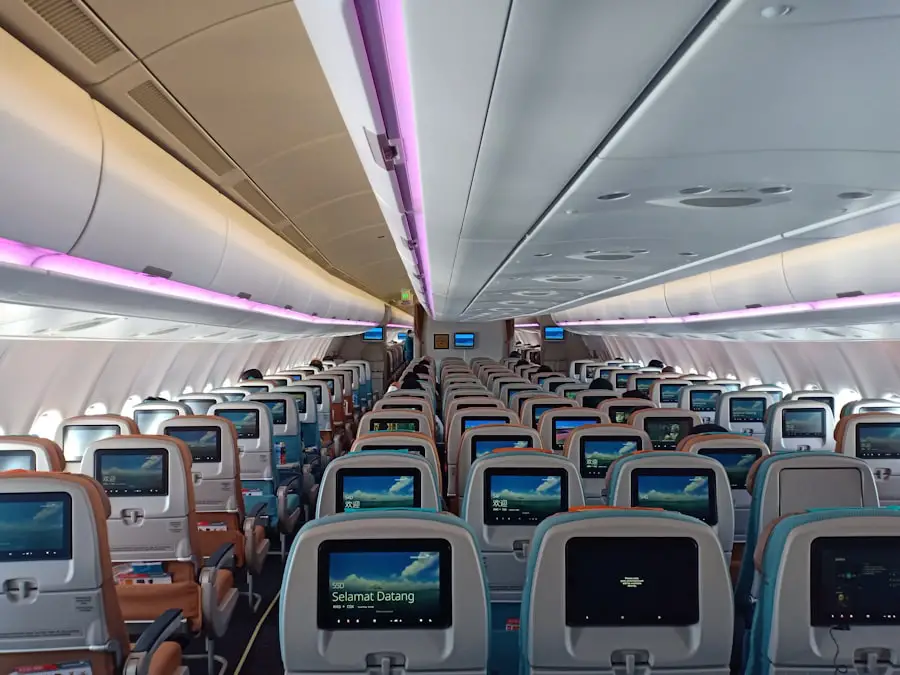
Spirit historically operated aircraft from the Airbus A320 family, including A319, A320, and A321 models. The use of one main aircraft family can simplify some areas of pilot qualification, spare-parts planning, and maintenance training, but fleet type alone does not establish whether an airline is safe.
While Spirit was operating, it was responsible for the airworthiness of its aircraft. Under 14 CFR Part 121 Subpart L, a certificate holder must maintain an inspection and maintenance program, provide qualified personnel and suitable equipment, correct identified deficiencies, and release aircraft for service only when they are airworthy and properly maintained.
An airline may use outside maintenance providers, but federal rules do not allow it to transfer its ultimate responsibility for airworthiness to a contractor. The airline must supervise covered work and maintain continuing analysis and surveillance of the maintenance program.
Because Spirit ceased operations, descriptions of its aircraft should now be written in the past tense. References to a “current Spirit fleet” or continuing fleet expansion are no longer accurate.
Pilot Training and Experience
The original article listed exactly 1,000 flight hours and 50 simulator hours without providing a source. Those figures should not be treated as universal Spirit requirements.
| Qualification Area | What Federal Rules Generally Required |
|---|---|
| Airline Transport Pilot qualification | Pilots serving in covered Part 121 positions needed an ATP or qualifying restricted-ATP certificate and the required aircraft ratings. |
| Flight experience | The standard ATP pathway generally requires 1,500 total hours. Certain military pilots and graduates of approved aviation programs may qualify for restricted ATP privileges with fewer hours. |
| Aircraft-specific training | Pilots complete approved ground, simulator, aircraft-system, emergency, and proficiency training appropriate to their role and aircraft type. |
| Recurrent training | Airline pilots undergo continuing checks and recurrent instruction rather than relying only on their initial training. |
The FAA provides more information about ATP certification and restricted-ATP pathways. Exact training time can vary according to the approved program, aircraft type, pilot position, previous experience, and demonstrated proficiency.
Safety Measures and Policies
Part 121 airlines are required to manage safety through approved operating systems rather than relying on a single checklist or marketing statement. These systems cover areas such as crew qualifications, dispatch, maintenance, aircraft loading, emergency procedures, recordkeeping, dangerous goods, and operational control.
The FAA also requires covered certificate holders to maintain a Safety Management System. An SMS provides a structured process for identifying hazards, assessing risks, monitoring performance, and taking corrective action before a hazard contributes to a more serious event.
Voluntary reporting programs can provide additional information about hazards that may not otherwise appear in routine records. However, an article should not claim that Spirit had a specific committee, reporting channel, audit frequency, or performance result unless a reliable Spirit or FAA document confirms it.
Emergency Response and Preparedness
While operating, Spirit’s pilots and flight attendants were required to receive emergency training appropriate to their assigned duties. Part 121 training covers subjects such as evacuations, firefighting, decompression, emergency equipment, passenger briefings, and responses to medical events.
Airline emergency preparation also involves coordination among flight crews, dispatchers, maintenance control, airport personnel, air traffic control, first responders, and company operations teams. The exact response depends on the event and may include returning to the departure airport, diverting, requesting priority handling, evacuating, or arranging medical assistance.
Turbulence is one of the most common causes of injuries during otherwise safe airline flights. Passengers can reduce their risk by keeping their seatbelt fastened whenever seated, even when the seatbelt sign is off. The NTSB has specifically studied methods for preventing turbulence-related injuries in Part 121 operations.
Customer Reviews and Feedback
Spirit received mixed customer reviews during its operating years. Positive comments often focused on low base fares and the ability to pay only for selected extras. Complaints commonly involved baggage charges, seat-selection fees, limited space, delays, schedule changes, and customer-service interactions.
These reviews can help explain the passenger experience, but they are not a dependable way to measure aircraft maintenance or pilot proficiency. A traveler may have an uncomfortable or frustrating trip on a properly operated flight. Likewise, a pleasant cabin experience does not independently prove that an airline has superior safety systems.
Because Spirit has stopped flying, old customer reviews should be read as historical information. They do not describe a currently available service.
Comparison With Other Airlines
Spirit’s former fare structure differed from that of many traditional airlines. Its low base fares did not normally include every service that passengers might expect, so baggage, seat assignment, and other options could increase the final cost.
Those pricing differences did not create a separate, lower category of federal airline-safety rules. While operating under Part 121, Spirit was subject to the same core FAA certification and oversight framework that applied to other covered U.S. passenger airlines.
Travelers choosing an active replacement airline should compare more than the advertised fare. Useful factors include the final price after fees, route frequency, rebooking options, baggage rules, accessibility support, customer-service commitments, and schedule reliability. The DOT Airline Cancellation and Delay Dashboard can help consumers compare public service commitments.
COVID-19 Safety Measures Were Historical
The original article’s statement that Spirit required every passenger to wear a mask is no longer current. The federal transportation mask order stopped being enforced on April 18, 2022, following a court ruling. The federal COVID-19 public health emergency later ended on May 11, 2023.
Former Spirit cleaning, boarding, distancing, and mask procedures belonged to an earlier stage of the pandemic. They should not be presented as current airline rules, especially because Spirit ceased operations in 2026.
People concerned about respiratory illness should review current public-health guidance and the policy of the active airline they are flying. Personal steps may include staying home when seriously ill, washing hands, improving mask quality when protection is desired, and carrying needed medication in a personal item.
What Former Spirit Customers Should Do
People holding unused Spirit tickets, travel credits, or other claims should use official consumer and bankruptcy information rather than relying on old airline-booking pages.
- Check the original payment method. Customers who paid by credit card can ask the card issuer whether a dispute or chargeback for services not provided is available.
- Review travel-insurance coverage. Some policies cover airline insolvency or service cessation, while others specifically exclude it.
- Keep all records. Save the booking confirmation, payment receipt, cancellation notice, correspondence, credit balance, and screenshots showing the affected service.
- Review bankruptcy instructions. A customer may be able to file a proof of claim, although recovery is not guaranteed and may be partial.
- Use official DOT guidance. The Department of Transportation maintains information about airline bankruptcies and service cessations.
Pro Tip: Contact the credit-card issuer promptly. Dispute deadlines can apply, and waiting for the bankruptcy process may reduce the options available through the card provider.
Products Worth Considering

DESIGNED BY TRAVELERS FOR TRAVELERS unique, Smartly designed, elegant high capacity document holder. Removable wristlet and cross body straps allow choosing the desired type...
Steps for Safer Air Travel on Any Airline
Although travelers cannot currently fly Spirit, several simple precautions apply when using any active airline:
- Keep your seatbelt fastened whenever you are seated, including when the sign is off.
- Listen to the safety briefing and follow crew instructions during normal operations and emergencies.
- Keep essential medication, identification, and necessary medical devices in your personal item rather than checked baggage.
- Do not place spare lithium batteries or power banks in checked baggage; follow the airline’s current battery rules.
- Report smoke, unusual heat, strong odors, damaged batteries, or other immediate concerns to a crew member.
- Check the operating carrier and flight status directly before leaving for the airport.
- Review the active airline’s baggage, accessibility, check-in, and rebooking policies before travel.
Products Worth Considering

Travel Accessories and travel must have: Our 18 pack reusable travel bottles set with 1 toiletry bag , 2 pcs silicone bottles (3 oz/90 ml), 2 pcs silicone bottles (2 oz/60 ml), 2 pcs spray bottles , 4 pcs cream jars, 1 pcs funnels, labels, brush and 4 pcs spatula! Different accessories for your different needs.
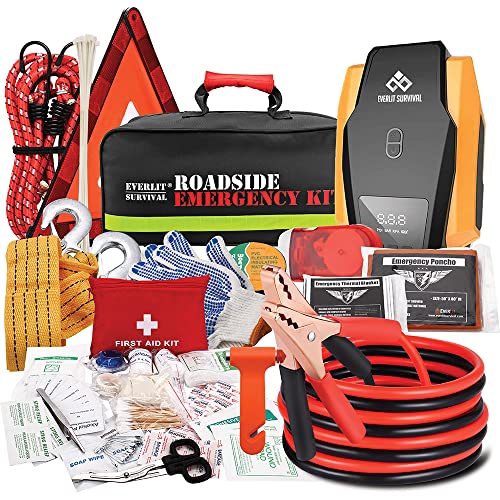
The Road Guardian- The portable roadside assistance kit is designed and hand picked by a group of experienced veterans and experts to provide every essential tools you need in roadside emergencies. The automotive safety bag contains accessories such as repair cable ties, bungee cords, electrical tape, space blanket, rain poncho, reflective warning triangle, glass breaker, seatbelt cutter, safety gloves, tow rope and more to get your vehicle back on the road and continue your travel.
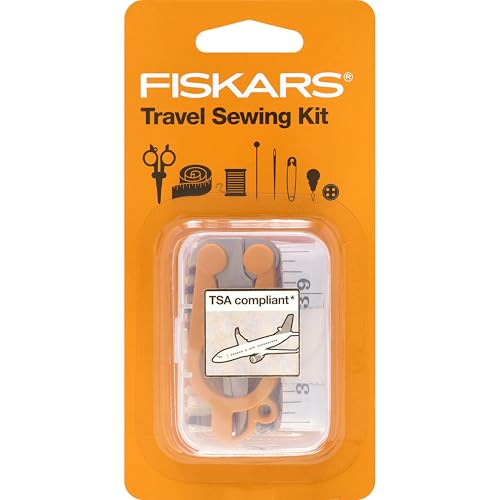
COMPACT AND TSA COMPLIANT DESIGN: Folding scissors with durable stainless steel blades are TSA compliant, and all 27 sewing essentials store neatly in a hard plastic case that fits easily in purses, backpacks, and carry on bags
Conclusion and Final Thoughts
Spirit Airlines operated for many years as a federally certificated U.S. passenger carrier and was subject to FAA requirements covering aircraft maintenance, pilot qualifications, training, operating procedures, and safety management. Its public history included reportable incidents, so broad claims that it was either completely incident-free or uniquely dangerous should be avoided.
The practical answer in 2026 is simpler: Spirit ceased operations on May 2, 2026, and travelers cannot currently take a Spirit-operated scheduled flight. Former customers should focus on payment disputes, insurance coverage, documentation, and official bankruptcy or DOT guidance.
For information about TakeTravelInfo and its editorial approach, visit the site’s About Us page.
Frequently Asked Questions
Is Spirit Airlines safe to fly with now?
Spirit Airlines is no longer operating scheduled flights. The airline ceased operations on May 2, 2026, so there is no current Spirit-operated passenger service to evaluate or book.
When did Spirit Airlines stop flying?
The U.S. Department of Transportation confirmed that Spirit ceased operations on May 2, 2026.
Was Spirit regulated like other major U.S. airlines?
Yes. While operating as a Part 121 carrier, Spirit was subject to FAA certification, surveillance, maintenance, training, and operational requirements. Its low-fare business model did not create a lower federal safety standard.
Did Spirit Airlines have safety incidents?
Yes. Public NTSB and aviation occurrence records include engine problems, turbulence events, ground accidents, diversions, and other reportable occurrences involving Spirit aircraft. A reportable event does not automatically prove that the airline had a systemic safety problem.
Did Spirit’s low fares mean it followed lower safety standards?
No. Base fares, baggage fees, seat comfort, and onboard service were parts of Spirit’s commercial model. They did not remove the airline’s obligation to comply with applicable FAA operating and safety requirements.
What should I do with an unused Spirit ticket or credit?
Keep your records, contact the credit-card issuer about a chargeback for services not provided, check applicable travel-insurance coverage, and review official bankruptcy claim instructions. DOT warns that bankruptcy recovery may take time and may be partial.
Are Spirit’s old COVID-19 mask rules still in effect?
No. The federal transportation mask order stopped being enforced on April 18, 2022, and Spirit no longer operates. Travelers should follow current public-health guidance and the rules of the active airline they use.
Sources
- U.S. Department of Transportation: Relief for Spirit Airlines flyers and employees — confirms the May 2, 2026 cessation of operations.
- Federal Aviation Administration: Part 121 Air Carrier Certification — explains airline certification and safety responsibilities.
- Federal Aviation Administration: Air Carrier Oversight — explains continuing FAA surveillance and safety assurance.
- Electronic Code of Federal Regulations: 14 CFR Part 121 Subpart L — establishes maintenance and airworthiness responsibilities.
- Federal Aviation Administration: Airline Transport Pilot Training — explains ATP and restricted-ATP qualification pathways.
- NTSB Spirit engine-failure docket and NTSB turbulence-injury study — document examples of reportable Spirit events and broader Part 121 safety research.
