
Last Updated on September 10, 2026 by Daniel Globe
Reports that an airplane “door fell off” can describe several very different events. A routinely used passenger door, a cargo door, an emergency exit, and a fixed door plug have different designs and failure modes. Verified separations are rare, but aviation history includes several serious examples that led to major design, maintenance, manufacturing, and regulatory changes.
Quick Answer
Verified cases include Alaska Airlines Flight 1282, which lost a mid-exit door plug in 2024; United Airlines Flight 811, which lost a cargo door in 1989; and American Airlines Flight 96, whose cargo door separated in 1972. The original Delta incident described in this article is not supported by the official records reviewed.
Key Takeaways
- A door plug is a fixed structural panel installed where an optional emergency exit could otherwise be located. It is not a normal passenger door.
- The most prominent recent event was Alaska Airlines Flight 1282 on January 5, 2024.
- American Airlines Flight 96 and United Airlines Flight 811 were historical cargo-door separations with very different outcomes.
- Official investigations have identified problems involving design, locking systems, missing fasteners, documentation, maintenance, manufacturing quality, and regulatory oversight.
- Passengers should report concerns to the crew, keep their seat belts fastened while seated, and immediately follow oxygen-mask and evacuation instructions.
Disclosure: As an Amazon Associate I earn from qualifying purchases. Some links on this page are affiliate links, at no extra cost to you.
What Does It Mean When an Airplane Door “Falls Off”?
The phrase is often used loosely in headlines. Before comparing incidents, it helps to understand which aircraft component was involved.
- Passenger or service door: A door regularly opened for boarding, catering, or ground service. It includes latches, locks, seals, warning systems, and an operating mechanism designed for the aircraft.
- Cargo door: A door providing access to a baggage or freight compartment. Some large cargo doors open outward and depend on correctly functioning latches, locks, indicators, and operating procedures.
- Emergency-exit door: An exit intended for evacuation and operated according to aircraft-specific procedures.
- Door plug: A fixed panel that closes an opening where an optional exit could be installed. Passengers and cabin crew do not normally operate it.
Note: The 2024 Alaska Airlines event involved a mid-exit door plug, not a passenger entry door that had been opened or closed by the cabin crew.
Verified Airline Door and Door-Plug Separation Incidents
The following cases are documented by the National Transportation Safety Board or the Federal Aviation Administration. They should not be treated as identical. Each involved a different aircraft configuration, failure sequence, and historical context.
| Airline and Flight | Date and Aircraft | What Separated | Outcome |
|---|---|---|---|
| Alaska Airlines Flight 1282 | January 5, 2024 Boeing 737-9 |
Left mid-exit door plug | Rapid depressurization; one flight attendant and seven passengers received minor injuries; safe return to Portland. |
| United Airlines Flight 811 | February 24, 1989 Boeing 747-122 |
Forward lower cargo door | Explosive decompression; nine passengers were ejected and lost at sea; the aircraft returned to Honolulu. |
| American Airlines Flight 96 | June 12, 1972 McDonnell Douglas DC-10-10 |
Aft cargo door | Rapid decompression and cabin-floor damage; two flight attendants and nine passengers received minor injuries; safe landing. |
| Turkish Airlines Flight 981 | March 3, 1974 McDonnell Douglas DC-10-10 |
Aft cargo door | Decompression damaged the cabin floor and flight-control systems; the aircraft crashed, killing all 346 occupants. |
Alaska Airlines Flight 1282: The Recent Door-Plug Case
On January 5, 2024, Alaska Airlines Flight 1282 departed Portland, Oregon, in a Boeing 737-9. While the aircraft was climbing through approximately 14,830 feet, its left mid-exit door plug separated from the fuselage. The cabin rapidly depressurized, oxygen masks deployed, and the crew returned safely to Portland.
The NTSB investigation recorded minor injuries to one flight attendant and seven passengers. The airplane sustained substantial damage.
In June 2025, the NTSB determined that four bolts needed to secure the door plug were missing before the accident. Investigators found that the plug had been opened at Boeing’s factory for nearby rivet work and then closed without the required documentation and quality-assurance inspection.
The NTSB concluded that inadequate factory training, guidance, documentation, and oversight allowed an unsecured door plug to leave the production system.
The day after the event, the FAA issued an emergency airworthiness directive grounding affected Boeing 737-9 aircraft. Approximately 171 airplanes worldwide were covered by the initial action. Each affected aircraft had to complete an approved inspection and maintenance process before returning to service.
United Airlines’ Experience with a Cargo-Door Separation
The verified United Airlines case was Flight 811, not an unspecified recent flight. On February 24, 1989, the Boeing 747-122 was climbing after departing Honolulu when its forward lower cargo door opened and separated from the airplane.
The resulting explosive decompression caused extensive damage to the fuselage and passenger cabin. Nine passengers were ejected from the aircraft and lost at sea. Despite severe structural and engine damage, the crew returned to Honolulu and completed an emergency landing.
The NTSB investigation of Flight 811 examined the cargo-door electrical system, latches, locking components, previous service events, maintenance, and earlier corrective actions. The event became an important case study in the need for independent locking protection, reliable door-position indications, and timely responses to earlier warning events.
Delta Air Lines and the Unsupported Taxiing Claim
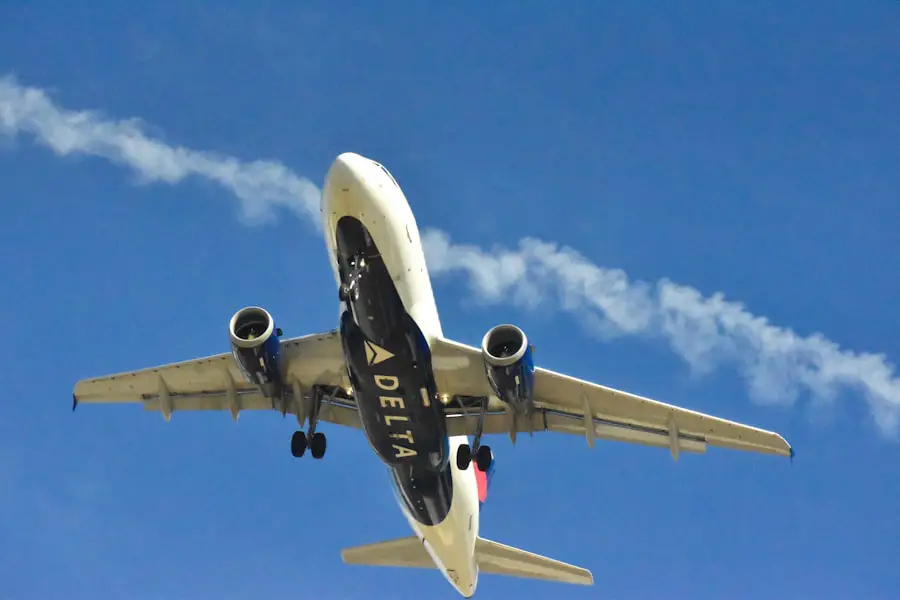
The original version of this article claimed that a Delta passenger-cabin door detached from its hinges during taxiing. It also linked that claim to an FAA notice about the Boeing 737-9 MAX.
The cited FAA notice does not document a Delta door-detachment incident. It addresses the January 2024 Alaska Airlines door-plug separation and the inspection requirements imposed on affected Boeing 737-9 aircraft.
No matching Delta event was identified in the primary FAA and NTSB sources reviewed for this article. That does not mean Delta aircraft have never experienced any door-related maintenance report or ground event. It means the specific detached-door story previously presented here should not be stated as fact without an official investigation record or another reliable source.
American Airlines Flight 96
American Airlines Flight 96 experienced an aft cargo-door separation on June 12, 1972. The McDonnell Douglas DC-10 was climbing after departure from Detroit when the door separated at approximately 11,750 feet.
The rapid decompression damaged the cabin floor above the cargo compartment and affected flight-control systems. The crew retained enough control to land the aircraft. Two flight attendants and nine passengers received minor injuries.
According to the NTSB accident record, the door’s latching mechanism could appear closed even when the latches were not fully engaged and the locking pins were not properly positioned. The incident exposed a dangerous combination of design, indication, and operating weaknesses.
A similar DC-10 cargo-door failure contributed to the fatal crash of Turkish Airlines Flight 981 in 1974. The American and Turkish events helped drive stronger cargo-door standards, modifications, warning systems, and decompression-protection measures.
Common Causes of Aircraft-Door and Door-Plug Failures
There is no single cause that explains every aircraft-door event. Verified investigations show several distinct failure categories.
Products Worth Considering

STRONG LOAD CAPACITY: Supports up to 75 kg for safe single-person door or panel lifting.
1. It is an upgraded version door hook tool,The functionality is now packaged in a small folding tool that’s easy to carry in a pocket.

Durable Aluminum RV Entry Door :This heavy-duty RV door is crafted from aircraft-grade aluminum alloy and tempered glass, featuring a weatherpr oof spray finish that resists water, UV rays, and extreme temperatures—perfect for cross-country road trips and off-grid camping
Missing or Incorrectly Installed Fasteners
The Alaska Airlines Flight 1282 door plug was not secured by the four bolts required to prevent upward movement. This was connected to factory work, missing documentation, inadequate quality control, and insufficient oversight rather than normal airline wear and tear.
Latch and Lock Design Problems
Earlier outward-opening cargo doors created special engineering challenges because cabin pressure pushes outward on the door. A safe system must ensure that the door is fully latched and locked, prevent unintended movement, and give the crew or ground staff a reliable indication of its condition.
Electrical or Mechanical Malfunctions
The United 811 investigation examined a combination of electrical-system and locking-component failures that allowed the cargo-door mechanism to move toward an unlocked condition. Mechanical wear, damaged fittings, incorrect rigging, wiring faults, or failed switches may require inspections or corrective action on affected designs.
Maintenance and Documentation Errors
Door safety depends on completing maintenance tasks in the correct sequence, using approved instructions, documenting removed or disturbed parts, and obtaining required inspections. A missing work record can prevent a quality inspector from knowing that a safety-critical assembly was opened or reinstalled.
Manufacturing and Organizational Weaknesses
A component can meet its design requirements but still become unsafe if it is assembled incorrectly. Training, staffing, work instructions, tool and fastener control, recordkeeping, supervision, safety reporting, and independent quality checks all affect the final condition of the aircraft.
Safety Measures and Door-Maintenance Protocols
Aircraft-door safety begins before an airplane enters airline service. Transport-category designs must meet certification requirements covering door strength, latching, locking, indications, and protection against unsafe opening or loss.
After an aircraft enters service, its operator must maintain it through an approved maintenance program. Relevant work may include inspections of hinges, guides, stops, latches, locking mechanisms, seals, warning switches, fittings, fasteners, and surrounding structure. The exact tasks and intervals depend on the aircraft model, configuration, manufacturer instructions, operating history, and regulatory requirements.
When an unsafe condition is identified, the FAA or another responsible aviation authority may issue an airworthiness directive. An airworthiness directive is mandatory for the aircraft or components it covers. It can require inspections, repetitive checks, part replacement, modifications, revised procedures, or restrictions on further flight.
Following Alaska Flight 1282, the FAA required enhanced inspections of affected Boeing 737-9 door plugs, components, and fasteners. It also increased production oversight and restricted Boeing from expanding 737 MAX production until quality-control concerns were addressed.
Pro Tip: Airline brand alone does not identify the full risk. Regulators usually target the affected aircraft model, door configuration, part, manufacturing process, or maintenance condition.
Products Worth Considering

Prying, lifting, separating, and positioning materials : Unique design fits in tight gaps for removing exterior & interior trims, moldings, panels, fasteners, clips, gaskets, dashboards and more without damage.

Wide Application:The pry tool is perfect for prying or locating metal panels, excellent in removing car panels, car interior and exterior parts, car or boat interior fasteners, replacing dashboards, centre console units, stereos, radios, navigators, door panels, headlamps, body panels, etc. without scratching or damaging your car

Prying, lifting, separating, and positioning materials : Unique design fits in tight gaps for removing exterior & interior trims, moldings, panels, fasteners, clips, gaskets, dashboards and more without damage.
Impact on Passenger Safety
A large opening in a pressurized fuselage can cause rapid decompression. Cabin air escapes, oxygen masks may deploy, noise levels rise sharply, loose objects can move, and occupants may be injured by debris or sudden forces.
At higher altitudes, reduced oxygen can quickly affect judgment, coordination, and consciousness. Passenger oxygen systems are intended to protect occupants while pilots descend to an altitude where supplemental oxygen is no longer needed.
The level of danger depends on the opening’s size and location, the aircraft’s altitude, nearby structural damage, seat-belt use, and whether critical systems are affected. American Flight 96 landed despite damaged controls. United Flight 811 landed after severe fuselage and engine damage, but nine passengers were lost. Turkish Airlines Flight 981 became uncontrollable after decompression damaged the cabin floor and flight-control system.
Warning: If oxygen masks drop, pull a mask toward you, place it over your nose and mouth, secure it, and breathe normally. Put on your own mask before helping another person. Keep your seat belt fastened, do not approach or touch a suspect door, and follow all crew instructions.
What Passengers Should Do if a Door Appears Abnormal
Passengers are not expected to inspect or operate aircraft doors. However, they should immediately notify a flight attendant if they notice an unusual gap, damaged trim, movement, a loud air leak, an unsecured handle, or another concern around a door or exit.
- Tell a crew member exactly what you saw or heard and where it occurred.
- Do not attempt to test, close, open, or hold the door yourself.
- Return to your seat if directed and fasten your seat belt tightly.
- Listen to announcements and watch the crew for instructions.
- If oxygen masks deploy, use one immediately rather than waiting to see whether other passengers do so.
- If an evacuation is ordered, leave carry-on bags behind and move to the nearest usable exit identified by the crew.
The FAA’s active passenger-safety briefing guidance emphasizes aircraft-specific instructions. Passengers should listen to the briefing and review the safety card even if they fly frequently.
Products Worth Considering
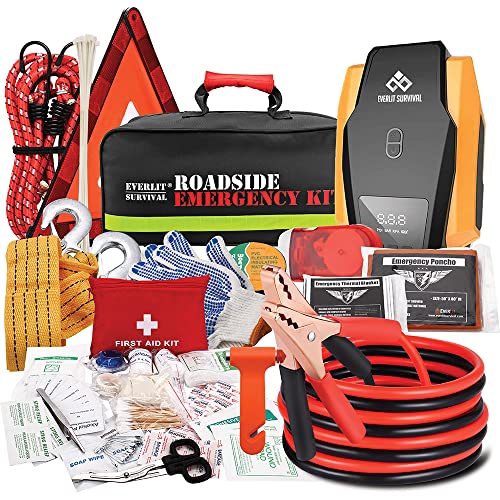
The Road Guardian- The portable roadside assistance kit is designed and hand picked by a group of experienced veterans and experts to provide every essential tools you need in roadside emergencies. The automotive safety bag contains accessories such as repair cable ties, bungee cords, electrical tape, space blanket, rain poncho, reflective warning triangle, glass breaker, seatbelt cutter, safety gloves, tow rope and more to get your vehicle back on the road and continue your travel.

COMPLETE 100-PIECE EMERGENCY KIT: Stay prepared for cuts, scrapes, burns, sprains, and outdoor emergencies with essential medical supplies packed into one compact first aid kit for home, travel, camping, hiking, and boating.

Security And Reliability - All of our first aid products carry certificate of conformity to ensure conformance to global standards wherever they are used.
How Airlines and Regulators Respond to Door Failures
A serious door or door-plug event can trigger several overlapping responses.
Immediate Aircraft Action
The flight crew follows the aircraft’s emergency procedures, which may include using oxygen, descending rapidly, declaring an emergency, diverting, and preparing the cabin for landing.
Aircraft Grounding and Inspection
The affected airplane is removed from service for investigation and repair. Regulators may also ground or inspect other aircraft with the same design or configuration if a shared unsafe condition is possible.
Independent Investigation
In the United States, the NTSB investigates major civil-aviation accidents and determines probable cause. It can issue safety recommendations to the FAA, manufacturers, airlines, industry groups, and other organizations.
Mandatory Regulatory Action
The FAA can issue emergency or standard airworthiness directives, change inspection requirements, increase oversight, restrict production, or require corrective action before an aircraft returns to service.
Manufacturer and Operator Changes
Manufacturers may revise drawings, work instructions, maintenance manuals, training, quality procedures, or component designs. Airlines apply required inspections and modifications to the aircraft they operate and may add internal checks based on their safety-management systems.
Regulatory Oversight and Accountability
Aircraft doors are governed by several layers of safety control rather than a single inspection rule. These layers include design certification, production approval, conformity inspections, airline maintenance programs, manufacturer service information, airworthiness directives, operating procedures, and oversight audits.
The Alaska 1282 investigation showed why paperwork and production quality are safety systems, not administrative details. When a safety-critical assembly is opened without a complete record, required follow-up work and independent inspection can be missed.
In June 2025, the NTSB found that Boeing failed to provide adequate training, guidance, and oversight to factory workers involved in the door-plug process. It also concluded that FAA oversight had not effectively forced correction of recurring recordkeeping and nonconformance problems.
Regulatory accountability can include mandatory corrective actions, increased surveillance, production restrictions, civil enforcement, revised certification policies, or new safety recommendations. The response depends on whether the problem arose from design, production, maintenance, operation, or a combination of factors.
Passenger Rights After a Door-Related Delay or Cancellation
Passenger rights vary by country, itinerary, airline policy, and the result of the incident. The following points describe the general U.S. framework and are not individual legal advice.
If an airline cancels a flight or makes a qualifying significant change and the passenger chooses not to accept alternative transportation, a travel credit, or another offered option, the passenger is generally entitled to a prompt refund under U.S. Department of Transportation refund rules.
Meals, hotel rooms, ground transportation, rebooking on another carrier, travel credits, or frequent-flyer miles are not universal automatic benefits in every situation. They can depend on whether the disruption is considered controllable and on the commitments published by the airline. Travelers can compare current commitments through the DOT’s Airline Cancellation and Delay Dashboard.
A claim involving a physical injury, damaged property, or severe psychological harm is separate from an ordinary delay or cancellation claim. Available remedies can depend on the evidence, jurisdiction, contract of carriage, applicable international convention, and specific facts. Passengers with a serious injury should preserve medical records, receipts, photographs, boarding documents, and written communication from the airline.
Future Steps to Prevent Aircraft-Door Failures
Future prevention requires more than adding another inspection to a checklist. The strongest safety improvements address the full path from engineering design to final assembly and daily operation.
- Better fail-safe design: A single missed step or failed component should not allow a door or plug to reach an unsafe condition without a clear warning.
- Positive locking and indication: Latches, locks, sensors, and visual checks should make an improperly secured condition difficult to miss.
- Complete work records: Opening, removing, adjusting, or reinstalling a safety-critical assembly must trigger traceable documentation and required inspections.
- Qualified staffing and training: Specialized work should be completed or supervised by personnel trained and authorized for that task.
- Independent quality checks: Critical closures and fastener installations should receive verification separate from the original work.
- Stronger safety-management systems: Manufacturers and operators need reliable ways to identify repeat defects, documentation failures, and weak safety signals before an accident occurs.
- Effective regulatory oversight: Audits must examine whether procedures work in practice, not only whether written procedures exist.
- Timely sharing of safety information: Airlines, manufacturers, investigators, and regulators should rapidly communicate findings that may affect other aircraft.
Door and door-plug separations remain rare, but the verified incidents show why precise design, correct assembly, reliable maintenance, complete records, and independent oversight all matter. Passengers should avoid assuming that every headline describes the same type of failure. The safest conclusions come from the aircraft configuration, investigation findings, and corrective actions documented by aviation authorities.
Sources
- National Transportation Safety Board: Alaska Airlines Flight 1282 probable-cause findings — missing securing bolts, factory-process failures, oversight findings, injuries, and safety recommendations.
- Federal Aviation Administration: Updates on Boeing 737-9 MAX Aircraft — grounding, enhanced inspections, manufacturing audits, and production oversight.
- National Transportation Safety Board: United Airlines Flight 811 — cargo-door separation, explosive decompression, casualties, and investigation record.
- National Transportation Safety Board: American Airlines Flight 96 — aft cargo-door separation, injuries, damage, and probable cause.
- Federal Aviation Administration: DC-10 Cargo-Door Lessons Learned — Turkish Airlines Flight 981, earlier cargo-door failures, and resulting safety changes.
- U.S. Department of Transportation: Airline Refunds — current U.S. refund rights after cancellations and significant flight changes.
Frequently Asked Questions
What airlines have experienced an aircraft door or door plug separating?
Verified examples include Alaska Airlines Flight 1282 in 2024, United Airlines Flight 811 in 1989, American Airlines Flight 96 in 1972, and Turkish Airlines Flight 981 in 1974. The components and causes were different, so these events should not be treated as one identical type of failure.
Was the Alaska Airlines Flight 1282 panel a normal passenger door?
No. It was a fixed mid-exit door plug installed where an optional emergency exit could otherwise have been located. Passengers and cabin crew did not normally open or operate it.
Can a passenger open a normal airplane door during cruise?
Aircraft doors use model-specific latches, locks, warning systems, and pressure-resistant designs. During normal pressurized cruise, the pressure difference and door mechanism prevent ordinary operation of a correctly secured passenger door. A structural separation, incorrectly secured plug, or mechanical failure is a different situation from a passenger trying to operate the handle.
What should passengers do if they notice a possible problem with an airplane door?
Notify a flight attendant immediately and describe what you saw or heard. Do not touch or test the door. Follow crew instructions, fasten your seat belt, and use an oxygen mask immediately if the masks deploy.
How often are airplane doors inspected?
There is no single interval covering every door on every aircraft. Inspection tasks and intervals come from the approved maintenance program, manufacturer instructions, aircraft usage, service findings, and any applicable airworthiness directives. Extra inspections may be ordered when a new unsafe condition is identified.
Are passengers automatically compensated after a door-related disruption?
Not in every situation. In the United States, a passenger is generally entitled to a refund if the airline cancels or significantly changes the flight and the passenger rejects the offered alternative. Meals, hotels, credits, and other benefits depend on the airline’s commitments and the cause of the disruption. Injury claims are fact-specific.
