

Last Updated on July 24, 2026 by Ethan Caldwell
A $300 hotel incidental hold usually means the hotel has temporarily reserved $300 on your credit or debit card to cover possible charges during your stay. It is normally a pending authorization, not an extra $300 fee. However, the exact calculation, release process, and timing depend on the hotel and your card issuer.
Quick Answer
A $300 incidental hold is money or available credit temporarily reserved by a hotel for extras, damages, or unpaid room charges. You are charged only for your final bill. Any unused amount should be released after checkout, but your bank may take several business days to restore the funds or credit.
Key Takeaways
- A hold reduces your available credit or bank balance, but it is not automatically a completed charge.
- The $300 may be a flat hold, a per-stay amount, a per-night amount, or part of an authorization that also includes room and tax.
- Release times vary by hotel, payment network, and card issuer. There is no universal one-to-five-day rule.
- Debit-card holds can tie up money you may need for food, transportation, or another hotel.
- Ask the property for the exact hold amount and release policy before check-in.
Disclosure: As an Amazon Associate I earn from qualifying purchases. Some links on this page are affiliate links, at no extra cost to you.
What Does a $300 Incidental Hold Mean?

A $300 incidental hotel hold is usually a temporary card authorization. The hotel asks your card issuer to reserve funds or credit in case you charge extras to the room, leave an unpaid balance, or cause damage.
The hold can make your available balance look $300 lower, but it should not become a final $300 charge unless your completed hotel bill includes that amount. At checkout, the hotel normally submits the actual amount owed and releases or adjusts the unused authorization.
The label on your banking app may say pending, authorization, temporary hold, or something similar. A posted or completed charge is different because it has moved from pending status to your settled account activity.
Note: Ask whether the $300 covers incidentals only or whether the hotel is authorizing room charges, taxes, resort fees, and incidentals together. Major hotel brands state that the anticipated total may include more than just extras.
How Do Hotel Incidental Holds Work?
Hotel incidental holds follow a simple payment process, although the details vary by property:
- At check-in: The hotel requests an estimated authorization from your card issuer.
- During the stay: The authorization may cover food, drinks, parking, laundry, spa services, damages, or other room charges.
- If the estimate changes: The hotel may increase or add an authorization if you extend the stay or spend more than expected.
- At checkout: The hotel settles the final bill and sends a release or adjustment for the unused authorization.
- After checkout: Your bank or card issuer updates the available balance when it finishes processing the release.
This is why the final hotel charge and the original pending hold can sometimes appear at the same time for a short period. The pending authorization should disappear after the release is processed.
A hotel hold reserves spending power. Your final bill determines what you actually pay.
Is a $300 Hotel Hold Per Night or Per Stay?
A $300 hold can be either a flat amount for the entire stay or an amount calculated from the number of nights. It may also be one part of a larger authorization that includes room charges and taxes. The number alone does not tell you which method the hotel used.
Before arrival, ask the front desk these questions:
- Is the $300 hold per night, per room, or per stay?
- Does it include room and tax, or is it only for incidentals?
- Will the hotel place another hold if I extend my stay?
- Does the amount change when I use a debit card, cash, or a prepaid card?
- When does the hotel send the release after checkout?
What Are the Most Common Hotel Incidentals?
Incidentals are charges outside the base room rate. What counts as an incidental depends on the property, but common examples include:
- room service and restaurant charges billed to the room
- minibar food and drinks
- self-parking or valet parking
- premium Wi-Fi or other paid internet services
- laundry and dry cleaning
- spa treatments, movies, and recreational services
- business-center printing or copying
- pet fees, smoking penalties, or damage charges when allowed by the hotel’s policy
Some mandatory charges, such as resort or destination fees, may be separate from the incidental hold. Review the rate details and ask the hotel what is included.
Why Do Hotels Charge Incidental Deposits?
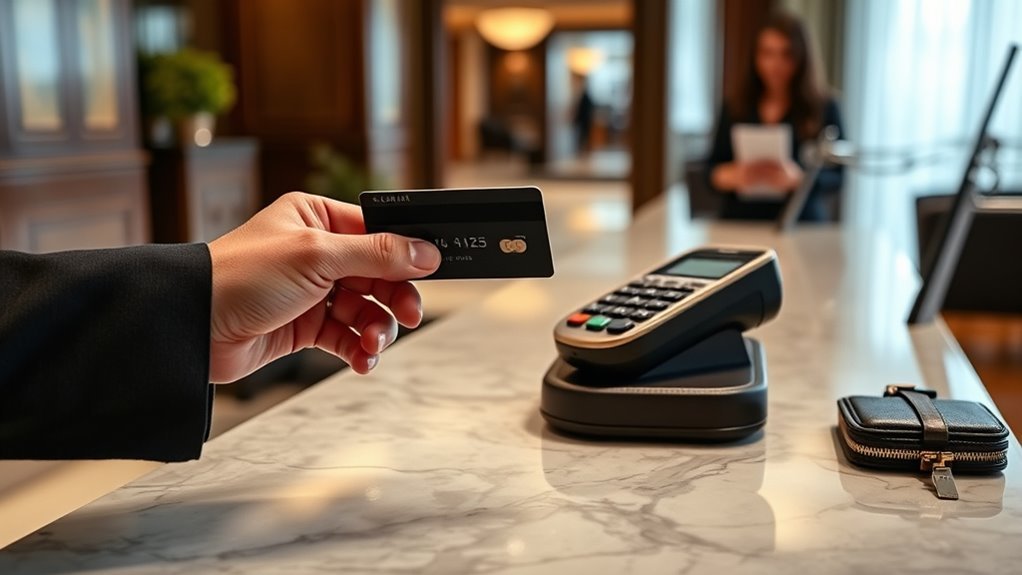
Hotels use incidental deposits or authorizations to reduce the risk of unpaid room charges and property damage. The hold also lets guests charge eligible services to the room without paying separately each time.
| Factor | What the hold may cover | What you should confirm |
|---|---|---|
| Extra services | Food, drinks, parking, laundry, or spa charges | Which services can be billed to the room |
| Damages or penalties | Damage, smoking, missing items, or policy violations | The hotel’s written damage and smoking rules |
| Room and tax | The expected stay total when it was not prepaid | Whether room and tax are part of the authorization |
| Length of stay | A daily estimate multiplied by the number of nights | Whether the amount is per night or per stay |
| Payment method | Reserved credit, checking funds, or a cash deposit | Accepted payment types and refund timing |
Credit Card vs. Debit Card for Hotel Incidentals
A credit-card hold reduces your available credit. A debit-card hold reduces the money available in your checking account, even though the transaction may still show as pending. That difference can matter if you need the same cash for meals, transportation, or another reservation.
Bank of America’s debit-card guidance notes that authorization holds reduce the available balance and that hotels may request an authorization based on the stay length and estimated incidentals.
Prepaid cards, mobile wallets, and cash are not accepted for incidentals at every property. A prepaid room also does not necessarily remove the check-in hold. Hilton’s payment guidance, for example, says a hotel may still place an incidental hold when the stay was paid in advance.
Warning: Do not use a debit card for the hold unless your account has enough extra money for the authorization and your planned travel spending. An overdrawn or tightly funded account can create avoidable problems.
How Long Does a Hotel Incidental Hold Last?
There is no single release time for every hotel and card. The hotel controls when it sends the release or final settlement, while the card issuer controls when the available funds or credit appear again.
Current hotel guidance shows why fixed promises are unreliable. Hilton says its hold is released within 72 hours after checkout, but the card provider may take longer. Marriott’s Digital Entry terms say an issuing bank may keep a hold for up to five business days after departure. Marriott’s separate billing guidance says some security deposits or refunds may take 7 to 14 days, depending on the financial institution.
Use the timeline provided by your specific hotel and issuer. Weekends, holidays, debit-card processing, international cards, and incorrect or incomplete reversals may extend the visible pending period.
Pro Tip: Keep your checkout receipt until the hold disappears. It gives the hotel and bank the stay dates, final amount, and proof that your account was settled.
How Can You Avoid Surprise Hotel Incidentals?
You cannot always avoid the authorization, but you can prevent most surprises by checking the policy before arrival, limiting room charges, and reviewing the final folio.
Know Deposit Policies
Call the property directly and ask for the total authorization amount. Confirm whether it is per night or per stay, whether room and tax are included, which cards are accepted, and how cash deposits are refunded.
Do not assume an online prepayment covers incidentals. Also ask whether early check-in, late checkout, an extended stay, pets, parking, or multiple rooms will change the authorization.
Ask About Fees
Review the booking terms for resort fees, destination fees, parking, Wi-Fi, breakfast, pet fees, and service charges. At check-in, ask which services can be charged to the room and whether any optional service is automatically added.
At checkout, compare the itemized folio with your receipts. Ask the front desk to correct errors before you leave whenever possible.
Use Central Billing
For company travel, ask whether the employer has direct billing, a corporate card, or a hotel credit-card authorization arrangement. These options can separate room and tax from personal incidentals, but the traveler may still need a card for charges the company did not authorize.
Do not assume every hotel accepts third-party authorization forms. Marriott, for example, instructs guests to contact the property directly because acceptance and processing requirements can vary.
How Do You Manage Hotel Incidentals on Business Trips?
Start by reading the employer’s travel policy. Confirm whether the company pays room and tax only or also covers parking, meals, internet, and other incidentals.
- Use the approved corporate payment method when required.
- Ask the hotel to separate personal and business charges on the folio.
- Save receipts and record each reimbursable expense during the stay.
- Review the final bill before submitting an expense report.
- Keep proof of checkout until the authorization disappears.
If another person or company is paying, arrange authorization before arrival. A front desk may refuse an unverified third-party card or may require the guest to provide a separate card for incidentals.
Do Incidental Rules Change by Guest Type?

They can, but there is no universal rule that business travelers, loyalty members, families, or groups always receive lower holds. Differences usually come from the property’s policy, rate plan, length of stay, payment method, room count, direct-billing agreement, or event contract.
Group organizers may have a master account for approved charges, while individual guests remain responsible for personal incidentals. Loyalty benefits may include credits or waived fees at some properties, but they do not automatically remove the authorization.
Ask for written confirmation when a company, event organizer, travel agent, or another guest is paying any part of the stay.
What to Do If a Hotel Hold Does Not Drop Off
- Check whether it is pending or posted. A pending authorization and a completed charge require different fixes.
- Compare it with the hotel’s stated timeline. Use the policy given at check-in or on your confirmation.
- Contact the hotel. Ask whether the authorization was released or reversed and request an updated folio.
- Contact the card issuer. Give the issuer the hotel name, amount, checkout date, and any release confirmation.
- Dispute an incorrect posted charge promptly. For U.S. credit cards, the Consumer Financial Protection Bureau says a written billing-error notice generally must be sent within 60 calendar days after the charge appeared on the statement to preserve federal billing-error rights.
Note: A bank may be unable to remove a valid pending authorization immediately without a release from the hotel. Start with the hotel, then give the bank any release or reversal details you receive.
Frequently Asked Questions
What does incidental mean in hotels?
An incidental is an extra charge beyond the basic room rate, such as room service, minibar use, parking, laundry, spa services, or damage charges. The exact list depends on the property.
Does a $300 incidental hold mean I was charged $300?
Not usually. A pending $300 authorization reserves funds or available credit. Your completed charge should reflect the final hotel bill, while the unused part of the authorization is released.
How long does a hotel hold for incidentals?
The timeline varies. Some hotels send the release within a few days, but the card issuer may take additional business days to restore the funds or credit. Ask both the hotel and issuer for their specific timelines.
Why do I see both a hotel hold and a final charge?
The final charge may post before the original authorization disappears. The pending hold should drop off after the hotel’s release and your issuer’s processing are complete.
Is a hotel hold different on a debit card?
Yes. A debit-card hold reduces the money available in your bank account. A credit-card hold reduces your available credit. Debit processing can therefore affect cash flow more directly.
Can a prepaid hotel stay still require an incidental hold?
Yes. Prepaying the room does not necessarily cover extras or damages. The hotel may still request a card or deposit at check-in.
Can I pay the hotel incidental deposit with cash?
Some hotels accept cash deposits, while others require a physical credit or debit card. Cash amounts and refund procedures can differ, so contact the property before arrival.
What should I do if the hold is still there after checkout?
Confirm whether it is pending or posted, contact the hotel for release details and an itemized folio, then contact your card issuer. Dispute an incorrect completed charge promptly.
Conclusion
A $300 incidental hotel hold is usually a temporary authorization, not an automatic fee. The safest approach is to confirm how the hotel calculates the amount, use a payment method that leaves enough available funds, save your final folio, and follow up if the hold remains beyond the timeline given by the hotel or your card issuer.
Sources
- Hilton Payment FAQs – explains anticipated authorizations, incidental holds, and Hilton’s stated release process.
- Marriott Digital Entry Terms of Use – explains room, tax, fee, and incidental authorizations and issuer timing.
- Marriott Billing Issue Help – explains deposit releases and financial-institution processing time.
- Bank of America Debit Card FAQs – explains how authorization holds affect available balances.
- Consumer Financial Protection Bureau – explains how to dispute a credit-card billing error.

