

Last Updated on July 28, 2026 by Daniel Globe
A broken zipper pull doesn’t mean your backpack is done for. With a few basic tools and about 10–20 minutes, you can replace a broken zipper pull with a paracord loop, a key ring, or another durable option—no sewing or full zipper replacement required.
Quick Answer
To replace a backpack zipper pull, thread a 7-inch length of paracord or a metal key ring through the zipper slider’s existing hole using a cow hitch knot. If the slider tab has no hole, carefully drill a small hole through the tab at low speed, then attach your new pull and heat-seal the cord ends with a lighter.
Key Takeaways
- Check the zipper slider for an existing hole first—over 90% of zipper pull replacements require no drilling.
- Drilling is a last resort for solid slider tabs; go slow to avoid snapping brittle die-cast zinc sliders.
- 550 Paracord (7 inches, ends heat-sealed) and small metal key rings are the most durable and cost-effective replacement pulls.
- Zip ties and paperclips work as effective emergency field fixes when traveling or hiking without tools.
- Color-coded cordage or tactical tags make your backpack easier to spot and identify quickly.
At a Glance
| Time Required | 10–20 minutes |
| Difficulty | Beginner |
| Tools Needed | 550 paracord or key ring, lighter, scissors, drill with fine bit (only if slider lacks a hole) |
| Cost | $1–$10 |
Disclosure: As an Amazon Associate I earn from qualifying purchases. Some links on this page are affiliate links, at no extra cost to you.
Tools Required for Zipper Pull Replacement
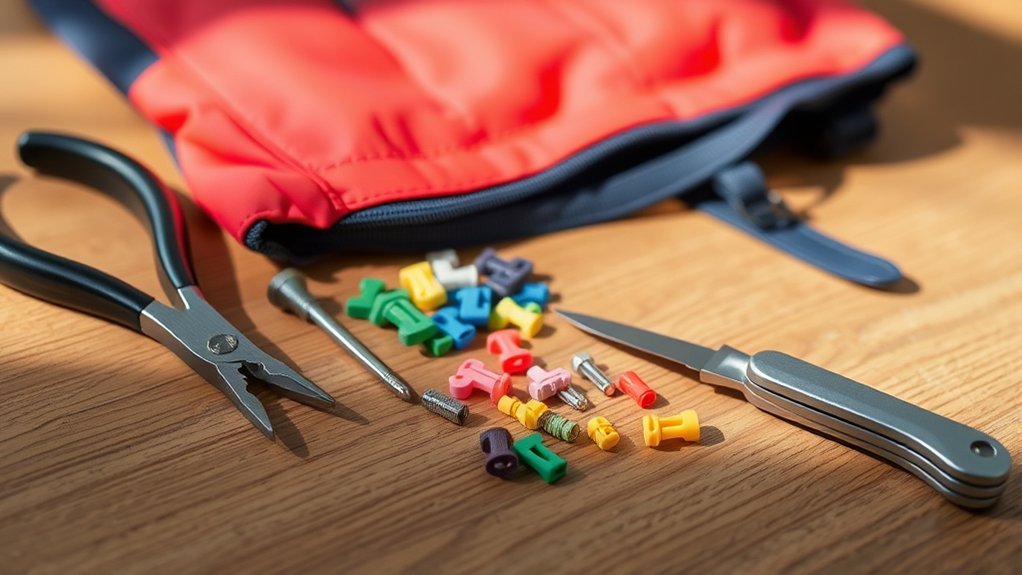
When you’re ready to tackle replacing your backpack’s zipper pulls, having the right tools on hand makes the process fast and stress-free. First, check whether the zipper slider still has its original small eyelet hole—if so, you can skip power tools entirely and simply thread your new pull through it.
If there is no usable hole, you will need a power drill equipped with a small metal-cutting bit (1/16-inch or 3/32-inch). You’ll also want a plastic container (like a protein shake bottle) to shield the bag’s interior fabric from drill shavings.
For the new zipper pull itself, gather 550 paracord or a small metal key ring—these are the two most durable, field-tested replacement options available. Have a pair of sharp scissors and a lighter ready to melt and fuse the cord ends to prevent fraying over time.
Warning: Only drill if the slider tab completely lacks an eyelet hole. Most commercial zipper sliders are made from die-cast zinc alloy (Zamak), which is brittle. Drill at low speed with light pressure—excessive force will snap the metal tab off entirely.
Method 1: Standard No-Drill Replacement (Paracord or Key Ring)
If your zipper slider has an existing attachment hole, this 5-minute fix requires no power tools and creates a strong, quiet pull tab.
- Cut the Paracord: Measure and cut a 7-inch piece of 550 paracord using sharp scissors.
- Fuse the Cut Ends: Briefly hold the raw cord ends near a lighter flame until the nylon inner strands melt together. Let cool for 5 seconds.
- Thread the Loop: Fold the cord in half to create a bight (U-shaped loop). Push the folded loop through the slider’s eyelet hole by about 1 to 2 inches.
- Tie a Cow Hitch (Lark’s Head Knot): Take the two loose tail ends of the cord, bring them over the slider body, and pull them through the exposed loop.
- Tighten and Knot: Pull the tail ends firmly to cinching the loop tight against the slider metal. Tie an overhand knot near the tail ends to give your fingers a solid textured grip.
Pro Tip: For an ultra-clean finish, singe the final knot lightly with your lighter and press it against a metallic surface (like the side of the lighter) to flatten the fused nylon.
Method 2: Step-by-Step Drilling Process (If Slider Lacks a Hole)
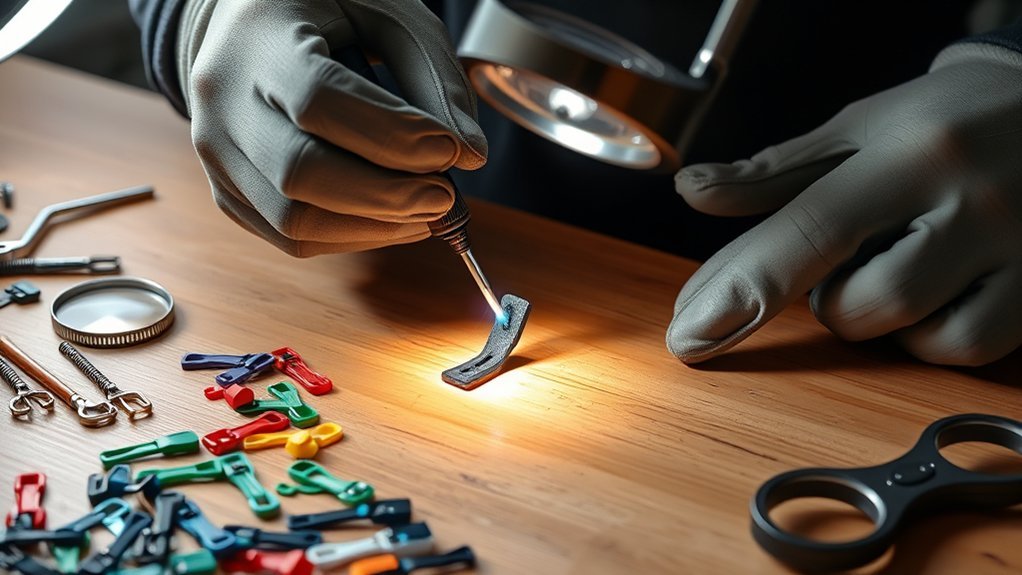
If your zipper slider tab is solid metal with no hole to thread through, here is how to add one safely without damaging your pack:
- Isolate and Shield: Place a rigid plastic cover (such as a sliced protein shake tub or plastic container) directly under the zipper tab inside the bag pocket. This catches metal shavings and prevents the drill bit from piercing the fabric behind the zipper.
- Secure the Tab: Hold the slider tab flat against your plastic backing using pliers or tape so it remains completely stationary.
- Drill at Low Speed: Center a 1/16-inch high-speed steel (HSS) drill bit on the upper flat portion of the tab. Apply gentle downward pressure at low drill speed.
- Smooth the Edges: Once the bit breaks through, clear all metal shavings with a vacuum or brush. Use a small round needle file or fine sandpaper to deburr the edges of the new hole so sharp metal does not slice your replacement cord.
- Thread and Test: Thread your 7-inch paracord loop or split key ring through the newly drilled hole and verify smooth zipper operation.
Emergency Field Fixes (When Traveling or Hiking)
If a zipper pull snaps while you are out on a trail or at an airport without access to tools, these temporary field workarounds will restore zipper function immediately:
- Nylon Zip Tie: Thread a small zip tie through the slider hole, zip it tight, and trim the excess plastic tail leaving a small pull loop.
- Metal Paperclip: Slide an open metal paperclip through the slider eyelet and bend it closed. Wrap electrical tape around it for extra comfort.
- Key Ring Split Loop: Work a spare key ring onto the slider tag using your fingernails or a multitool blade.
- Wire Binder Clip: Pinch the metal arms of a small binder clip, insert one end through the slider eyelet, and release for an instant sturdy handle.
Choosing Your Replacement Option & Customization
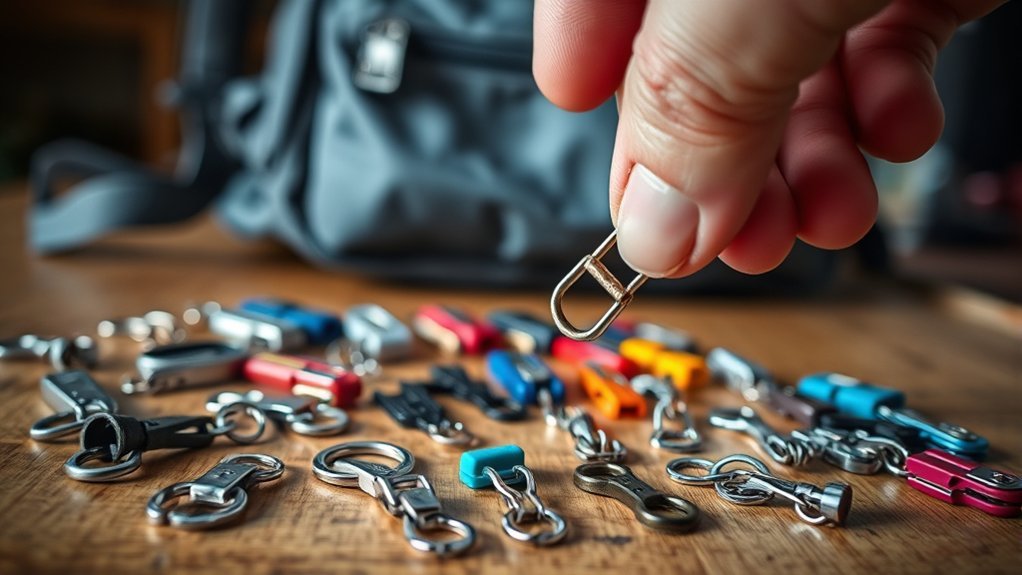
Choosing the right replacement option for your backpack zipper pull balances functional grip with personal style.
Selecting the right zipper pull isn’t just cosmetic—a textured, high-visibility pull makes your bag easier to grip while wearing gloves and faster to spot on a luggage carousel.
- 550 Paracord: Highly durable, weather-resistant, and available in dozens of tactical and bright colors. Cut 7 inches and finish with a cow hitch or lanyard knot.
- Metal Key Ring: Inexpensive, virtually indestructible, and easy to attach without cutting or heat-sealing.
- Commercial Molded Cord Tabs: Rubberized or plastic-tipped pulls designed specifically for outdoor technical gear and winter jackets.
- Visibility Tags: Attaching a reflective cord loop or a red “Remove Before Flight” fabric tag aids quick bag identification in crowded travel spaces.
Final Touches for a Polished Look
After attaching your replacement pull, take a minute to refine the aesthetic:
- Use a black enamel marker or permanent touch-up pen to cover raw exposed metal inside a newly drilled hole to prevent corrosion.
- Trim any frayed nylon ends flush with your knot before melting them smooth with your lighter.
- If replacing multiple pulls on one bag, keep cord colors consistent across main compartments for a clean, unified look.
- Check your zipper pulls periodically for signs of cord wear or knot slippage and re-tie as necessary.
Tips for Organizing and Identifying Your Bags
Color-coded zipper pulls are one of the most effective organization tactics for travel and outdoor recreation:
- Color-Code Compartments: Use orange cord for first-aid pockets, blue for electronics, and black for main storage.
- Glove-Friendly Loops: Lengthen paracord loops to 2–3 inches on winter daypacks so you can open zippers while wearing thick gloves or mittens.
- Reflective Cordage: Use reflective tracer paracord on night-hiking packs so your bag stands out under headlamp beams.
Frequently Asked Questions
Can I replace zipper pulls on all types of backpacks?
Yes, on virtually all backpack brands including JanSport, Osprey, The North Face, and REI. Always inspect whether the slider tab has an existing hole before attempting any drilling, and use heavy-duty 550 paracord for outdoor daypacks.
How long does the zipper pull replacement process take?
Standard cord threading takes only 5 to 10 minutes per zipper. If drilling a solid metal slider tab is necessary, allow 15 to 20 minutes total to prepare your backing guard and deburr the hole.
What if the zipper slider itself is broken, not just the pull tab?
If the slider body is cracked or the teeth fail to interlock, replacing the pull tab won’t fix the issue. You will need a zipper repair kit to replace the slider body (such as a FixnZip) or have a tailor replace the zipper track.
Are there any alternatives to using paracord?
Yes. Small metal key rings, leather thongs, nylon zip ties, utility micro-cord, and commercial snap-on zipper tabs all work effectively depending on your aesthetic preferences.
Can I customize my zipper pull with designs or beads?
Absolutely. Plastic or wooden beads, lanyard knots (like a snake knot), and custom color combinations can be added to your paracord pull as long as the finished loop remains easy to grip.
Conclusion
Replacing a backpack zipper pull is a fast, low-cost repair that breathes new life into your outdoor gear. Always inspect your slider hardware for an existing eyelet before picking up a power drill, select durable materials like 550 paracord or stainless key rings, and seal all cut nylon ends cleanly. Taking 10 minutes to fix a zipper pull keeps your favorite backpack functional for years to come.
Sources
- Paracord Planet — 550 Paracord Sizing, Knotting Techniques, and Nylon Heat-Sealing Methods
- Instructables — DIY Paracord Zipper Pull Construction Guide
- Everyday Cleaning Tips: Backpack Zipper Repair Guide — Slider Hardware Inspection and Field Repairs

