

Last Updated on July 30, 2026 by Caleb Warren
Packing a backpack for rainy-season travel requires more than adding a rain cover. You need to protect critical gear from water, distribute weight correctly, keep storm essentials within reach, and separate wet items from dry clothing and sleep insulation. A layered packing system helps you stay comfortable without making the backpack unstable or difficult to use.
Quick Answer
Line your backpack, seal clothing, sleep gear, and electronics in dry bags, and use a fitted rain cover as an extra barrier. Pack bulky camp gear at the bottom, dense items close to your back, and rainwear, snacks, navigation tools, and safety equipment where you can reach them quickly.
Key Takeaways
- Use an internal pack liner and separate dry bags for essential gear; do not rely on a rain cover alone.
- Place soft, camp-only items at the bottom and center dense items close to your back.
- Keep your rain shell, pack cover, first-aid kit, navigation tools, snacks, and water treatment easy to reach.
- Store wet gear away from dry sleep clothing, insulation, food, and electronics.
- Check forecasts and alerts before hiking because heavy rain can bring lightning, flash floods, cold stress, and dangerous stream crossings.
At a Glance
| Time Required | About 15–30 minutes, plus a short test walk |
| Difficulty | Easy |
| Tools Needed | Pack liner, roll-top dry bags, fitted rain cover, waterproof electronics pouch, and backpack compression straps |
| Cost | Approximately $0–$60, depending on which waterproofing items you already own |
Disclosure: As an Amazon Associate I earn from qualifying purchases. Some links on this page are affiliate links, at no extra cost to you.
Choose a Waterproof Packing Strategy for Rainy Weather
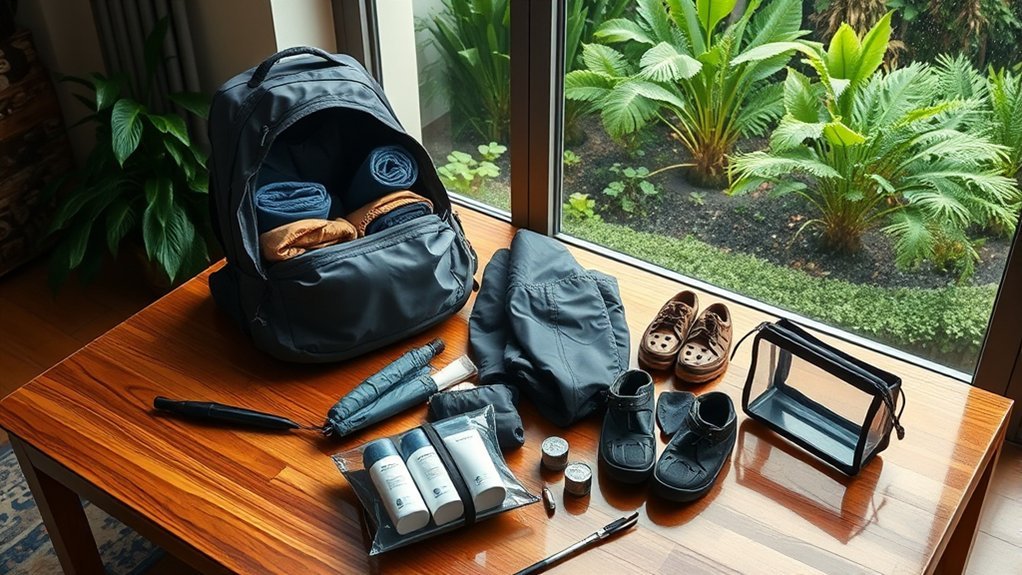
Begin with a layered waterproofing system. Most hiking backpacks are water-resistant rather than completely waterproof, and water can enter through seams, zippers, openings, or the uncovered harness side. A fitted rain cover protects the outside of the pack, but an internal liner protects the equipment inside if water reaches the pack fabric.
REI’s wet-weather backpacking guidance recommends using a liner and giving especially vulnerable items their own protection. A practical system has four layers:
- Internal pack liner: Place a purpose-made pack liner or sturdy plastic compactor bag inside the main compartment before adding gear. Twist or roll the top closed after packing.
- Dry bags: Use roll-top dry bags for your sleeping bag, dry sleep clothing, insulated jacket, documents, and other items that must remain dry.
- Waterproof electronics protection: Put your phone, camera, power bank, cables, and spare batteries in a sealed waterproof case or pouch. A resealable plastic bag can provide backup protection but may puncture or open more easily.
- Rain cover: Carry a cover that fits the loaded backpack. Keep it in an outer pocket so you can deploy it before heavy rain begins.
Note: Ordinary packing cubes are useful for organization, but they are not waterproof unless the manufacturer specifically rates and describes them that way. Do not use a standard fabric cube as the only protection for electronics or sleep insulation.
Rainy-Season Backpack Packing Checklist
Lay out your equipment before loading the backpack. Remove nonessential items, inspect your rainwear, and confirm that every critical item has a dry storage location.
- Weather protection: Waterproof jacket, rain pants or gaiters, pack cover, pack liner, and dry bags
- Dry clothing: Wool or synthetic base layer, dry socks, warm layer, sleep clothing, hat, and gloves when conditions may be cool
- Shelter: Tent body, rainfly, poles, stakes, footprint if used, and repair items
- Sleep system: Sleeping bag or quilt and sleeping pad, sealed against moisture
- Navigation and communication: Map, compass, charged phone or GPS device, power bank, and emergency contact information
- Food and water: Water, treatment method, meals, and snacks that can be eaten without a long stop
- Safety: First-aid kit, headlamp, whistle, fire-starting supplies where permitted, repair tape, and emergency shelter
- Hygiene: Hand sanitizer, toilet paper, waste bags, and a trowel where digging a cathole is permitted
A day hiker may not need a tent, sleeping bag, stove, or full sleep system. However, a day pack should still contain rain protection, navigation, water, food, a headlamp, first aid, emergency insulation, and a dry spare layer appropriate for the route.
Organize the Bottom of Your Backpack
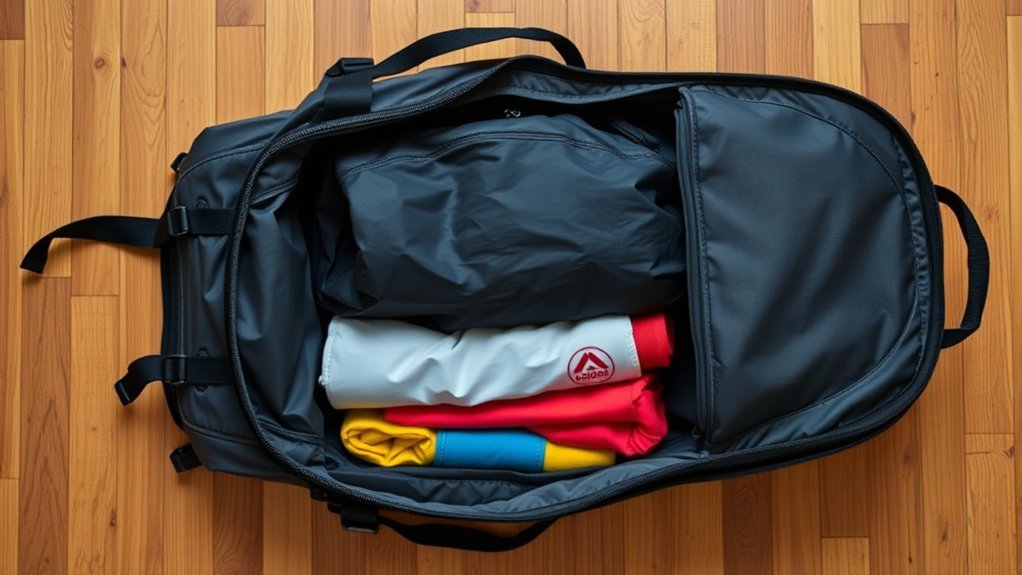
Place bulky, compressible items that you will not need until camp at the bottom. Common examples include your sleeping bag or quilt, sleeping clothes, a compact sleeping pad, and lightweight camp footwear.
This soft bottom layer creates a stable base and prevents hard equipment from settling against the lower part of the pack. It does not replace correct backpack sizing or adjustment, but it helps fill the compartment evenly and reduces empty spaces that allow the load to shift.
Seal your sleeping bag and dedicated dry clothing in a roll-top dry bag before putting them inside the pack liner. A wet sleeping bag can lose much of its practical insulating performance, especially if it contains down. Your sleep system should receive stronger water protection than items that can safely become damp.
Pro Tip: Reserve one base layer and one pair of socks for sleeping. Keep them sealed until you are inside your shelter so you always have a dry set at the end of the day.
Pack Heavy Gear in the Middle for Balance and Support
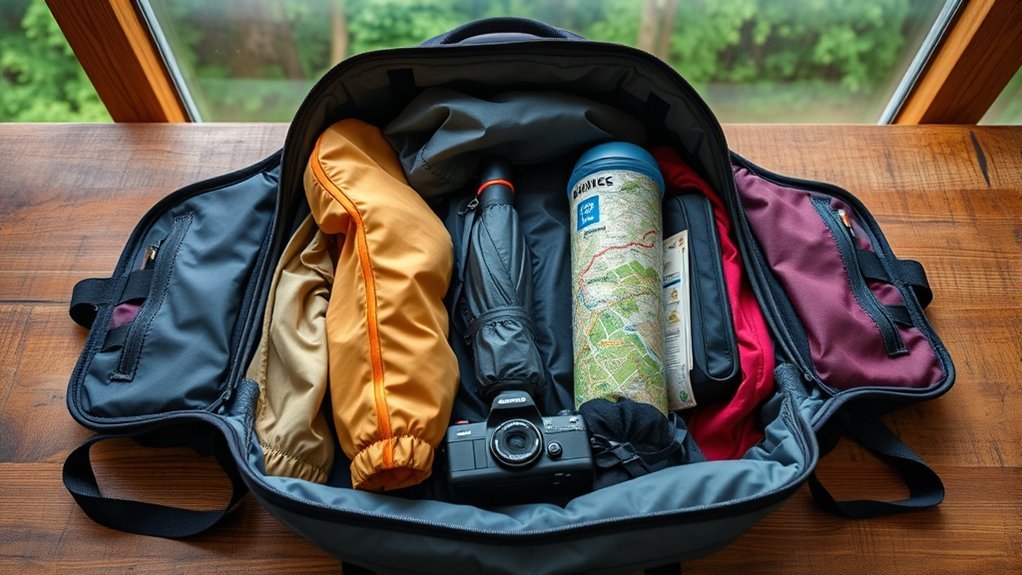
The middle or core section should hold dense equipment close to your back and roughly between your waist and shoulder blades. This position keeps the center of gravity near your body and reduces the backward pull that can make a pack feel unstable.
According to REI’s backpack-loading guide, suitable core items include food, a cook kit, stove, water reservoir, and a bear-resistant food container where one is required. Use soft clothing or the tent body to fill gaps around awkward equipment and stop it from shifting.
Place the Hydration Reservoir First
If your backpack has a hydration sleeve, fill and install the reservoir before packing the rest of the core. A full reservoir can be difficult to slide into position after dense gear has filled the compartment. Keep it in its designated sleeve close to your back and confirm that the hose is routed without kinks.
Water bottles may go in balanced side pockets instead. Check that you can remove and replace them without taking off the backpack, and avoid placing a large full bottle on only one side.
Separate Food, Fuel, and Scented Items
Keep liquid fuel upright, tightly closed, and separated from food. Where bears or other food-conditioned wildlife are a concern, follow the destination’s current food-storage rules. Store food, toiletries, trash, and other scented items in the required bear-resistant container rather than relying on a dry bag for animal protection.
Keep Quick-Access Essentials Near the Top
Use the upper compartment and top lid for lightweight or moderately bulky items that you may need before reaching camp. These can include your first-aid kit, water filter, snacks, navigation tools, headlamp, warm layer, gloves, and emergency shelter.
If rain is expected, keep the tent rainfly and shelter components accessible enough for a fast setup. The exact position depends on the shelter’s size and weight. Do not put every heavy tent component at the very top, because excessive high weight can make the backpack feel top-heavy. Tent poles can often be secured vertically under a side compression strap or in the pack’s dedicated attachment system.
Keep the pack liner’s closure above the protected contents but below items that must remain instantly accessible. Anything outside the liner should either tolerate rain or have its own waterproof pouch.
Use External Pockets for Easy-Reach Items
External pockets should hold equipment you may need while walking or during a sudden weather change. Suitable items include:
- Rain jacket and rain pants
- Pack rain cover
- Water bottles or water-treatment equipment
- Route map in a waterproof sleeve
- Trail snacks
- Gloves and a warm hat
- Toilet kit in a sealed bag
- Trekking poles when they are not in use
Do not leave electronics, paper documents, or dry insulation exposed in open mesh pockets. Rain can enter those pockets even when a pack cover is fitted.
In bear country, carry bear spray only where local guidance recommends it and where it can be reached immediately. The National Park Service recommends a waist or chest holster rather than storing the canister inside the backpack or in a difficult-to-reach pocket. Learn how to use it before entering bear habitat, follow the product label, and check transportation restrictions.
Separate Wet Gear From Dry Gear
Assume your rain shell, tent fly, footprint, gaiters, and footwear may become wet or muddy. Give these items a separate storage area so they cannot soak your sleeping bag, spare clothing, food, or electronics.
A wet tent fly can go in an exterior shovel pocket, under compression straps, or in a dedicated waterproof bag until you can dry it. Do not seal wet gear with dry clothing. Moisture trapped inside a closed bag will remain there and can encourage odor, mildew, or mold during prolonged storage.
Keep muddy footwear outside the main compartment when possible. Secure it so it cannot swing, fall off, or interfere with walking. Do not hang heavy objects far from the backpack’s center because they can pull the load backward.
Test the Backpack’s Balance and Fit
After packing, close the liner, fasten the pack, and tighten the side compression straps. The load should feel compact rather than loose or lopsided.
- Put on the backpack using the haul loop and a controlled lift rather than pulling it up by one shoulder strap.
- Position the hip belt according to the manufacturer’s fitting instructions and tighten it first.
- Adjust the shoulder straps, sternum strap, and load lifters without overtightening them.
- Walk, turn, bend slightly, and step up and down to check for swaying or pressure points.
- Repack any item that shifts, pokes through the back panel, or makes one side noticeably heavier.
Test the fully loaded backpack at home before departure. This gives you time to change the packing order, remove unnecessary weight, and confirm that the rain cover still fits over attached gear.
Check Rainy-Weather Hazards Before You Leave
Organization alone cannot make a dangerous storm safe. Check the route-specific forecast, trail reports, river conditions, and official alerts shortly before departure. Leave your route and return time with a trusted person, and identify places where you can turn around or reach safer ground.
- Lightning: A tent, open shelter, or isolated tree is not safe lightning protection. The National Weather Service recommends reaching a substantial enclosed building or hard-topped vehicle and waiting at least 30 minutes after the last thunder before returning outside.
- Flash floods: Avoid low campsites beside streams, washes, ravines, and drainage channels. Rain upstream can cause water to rise even when it is not raining where you are. Never enter floodwater on foot.
- Stream crossings: Turn around when water is too fast, deep, cloudy, or unpredictable to cross safely. Do not let a schedule pressure you into entering dangerous water.
- Hypothermia: Put on rainwear before you are soaked. Wear wool or synthetic layers, carry dry clothing, and watch for uncontrolled shivering, confusion, slurred speech, poor coordination, and unusual exhaustion.
- Slippery terrain: Slow down on mud, wet roots, rocks, logs, bridges, and steep slopes. Use trekking poles where they improve stability, but do not allow them to create a false sense of security.
Warning: A waterproof backpack does not protect you from lightning, flash floods, rising streams, falling branches, or cold stress. Change or cancel the trip when official warnings, route conditions, or your group’s condition make the planned route unsafe.
Clean and Dry Your Backpack After the Trip
Empty every compartment as soon as practical. Shake out dirt, remove the rain cover and reservoir, and open all pockets so trapped moisture can escape.
Follow the care label and backpack manufacturer’s instructions. For many hiking packs, gentle hand cleaning with mild soap, water, and a soft sponge or brush is appropriate. Avoid bleach, harsh stain removers, fabric softeners, and machine washing unless the manufacturer specifically permits them.
Rinse away soap and hang the backpack in a shaded, well-ventilated area. Keep it open until the fabric, foam, pockets, straps, and hidden seams are completely dry. Osprey’s pack-care instructions, for example, advise gentle cleaning, thorough rinsing, drying out of direct sunlight, and avoiding machine washing.
Dry the tent, rain cover, dry bags, and clothing separately. Inspect seam tape, zipper coatings, buckles, and waterproof treatments before storing everything loosely in a cool, dry place.
Frequently Asked Questions
What types of waterproof bags are best for travel?
Use a pack liner for the main compartment, roll-top dry bags for clothing and sleep gear, and a waterproof case or pouch for electronics. Standard packing cubes are helpful for organization but should not be assumed to be waterproof. Check whether a dry bag is designed only for rain and splashes or is rated for submersion.
How can I protect electronics from water damage?
Place electronics in a sealed waterproof case or roll-top pouch inside the pack liner. Keep charging ports closed, inspect the case seal, and store spare batteries and cables separately. A device described as water-resistant still has exposure limits, so check its manufacturer rating rather than assuming it can withstand prolonged rain or submersion.
Should I bring extra clothing for wet conditions?
Yes. Bring at least one dry insulating layer and dry socks appropriate for the expected temperature and trip length. Wool and synthetic materials generally manage moisture better than cotton. Keep sleep clothing sealed and put on rainwear before your hiking clothes become soaked.
What food items are best for rainy-season hikes?
Choose compact foods that are easy to eat without a long stop, such as nuts, trail mix, nut-butter packets, dried fruit, crackers, energy bars, and ready-to-eat meals. Seal food against rain and follow all local wildlife-storage rules. Keep one or two snacks in an accessible pocket so poor weather does not cause you to skip eating.
How do I clean my backpack after a rainy trip?
Empty the pack, remove loose mud, and follow its care label. When permitted, gently wash dirty areas with mild soap, water, and a soft sponge or brush. Rinse thoroughly and hang the open pack in a shaded, ventilated location until every layer is dry. Do not machine-wash it unless the manufacturer says it is safe.
Is a backpack rain cover enough in heavy rain?
Not always. A cover protects the exposed body of the backpack, but water may still reach the harness side, openings, pockets, or uncovered equipment. Use an internal liner and separate waterproof storage for your sleeping bag, dry clothing, documents, and electronics.
Where should I pack a wet tent?
Separate the wet rainfly or tent body from dry equipment. Place it in an exterior pocket, under suitable compression straps, or in a dedicated waterproof bag. Keep poles and stakes secured so they cannot puncture the pack liner. Dry every shelter component as soon as conditions allow.
Conclusion
For rainy-season travel, use more than one layer of water protection and organize the backpack by weight, access needs, and moisture risk. Keep sleep insulation and electronics sealed, center dense equipment close to your back, and place rain gear and safety items where you can reach them quickly. Test the loaded pack before departure and change your route when storms, flooding, cold, or trail conditions make the trip unsafe.
Sources
- REI Co-op: How to Pack and Hoist a Backpack — packing zones, weight distribution, hydration-reservoir placement, and load stability
- REI Co-op: How to Go Backpacking in the Rain — pack liners, rain covers, dry bags, wet-weather clothing, and trail hazards
- National Park Service: Hypothermia — wet-weather clothing, prevention, warning signs, and emergency response
- National Weather Service: Outdoor Flooding Safety — flash-flood planning, higher-ground guidance, and stream-crossing precautions
- National Weather Service: Outdoor Lightning Safety — safe shelter, thunderstorm timing, and the limitations of tents
- Osprey: How to Clean Your Backpack — gentle washing, rinsing, drying, and machine-washing precautions

