
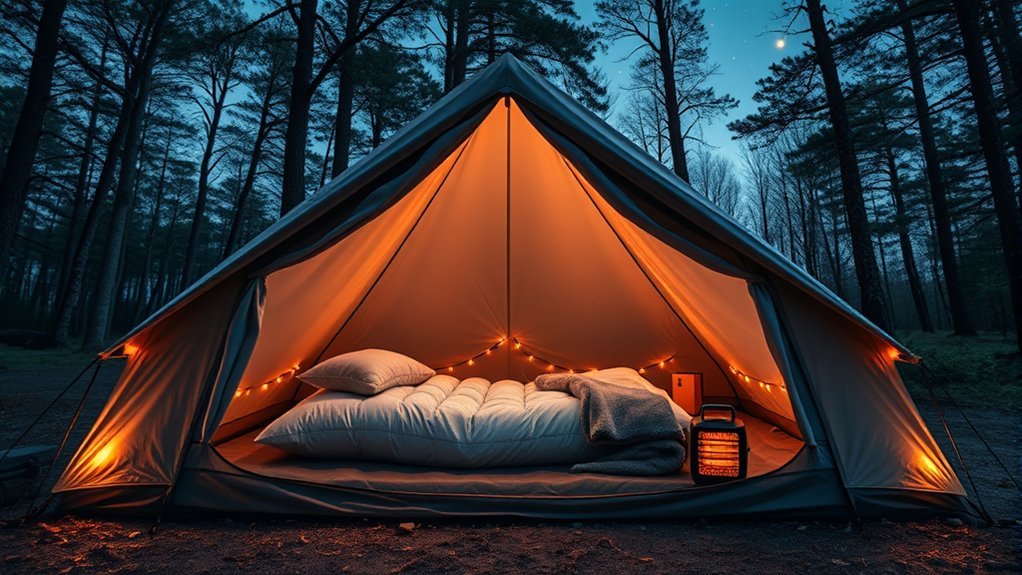
Last Updated on July 29, 2026 by Mason Reed
A comfortable night in a tent depends less on luxury and more on a few smart choices. Pick a safe, level campsite, use a sleeping pad that provides both cushioning and enough insulation, match your sleeping bag to the expected low temperature, and keep moisture, food odors, clutter, and open flames out of your sleeping area.
Quick Answer
To sleep more comfortably in a tent, choose level ground above low spots, pair an insulated sleeping pad with a properly rated sleeping bag, wear dry layers, keep vents open, and organize essentials within reach. Test your sleep system before the trip, follow local food-storage rules, and never use fuel-burning heaters, stoves, or lanterns inside the tent.
Key Takeaways
- Choose a designated or durable campsite that is level but not in a low drainage area, beneath dead branches, or beside a fire ring.
- Judge a sleeping pad’s warmth by its R-value, not its thickness alone, and select cushioning that fits your sleep position.
- Use the sleeping bag’s tested comfort or lower-limit rating, then add a sensible margin for your body, clothing, pad, and forecast.
- Ventilate through the night, keep wet gear outside the sleeping area, and expect some condensation in humid or cold conditions.
- Store food, trash, toiletries, and other scented items exactly as the campground or land manager requires.
- Use only battery-powered lighting in the tent; combustion devices can cause fire or deadly carbon-monoxide buildup.
At a Glance
| Time Required | About 20–30 minutes to inspect the site, pitch the tent, and arrange the sleep system; about 5 minutes for the bedtime reset |
| Difficulty | Easy, with extra planning needed for cold, wet, high-altitude, or bear-country camping |
| Tools Needed | Tent, stakes, footprint if recommended, insulated sleeping pad, sleeping bag or quilt, pillow, dry sleep clothes, headlamp, and pad repair kit |
| Cost | No added cost when your current gear matches the conditions; replacement or upgraded sleep gear varies widely by insulation, weight, size, and materials |
Disclosure: As an Amazon Associate I earn from qualifying purchases. Some links on this page are affiliate links, at no extra cost to you.
Choose the Right Camping Spot
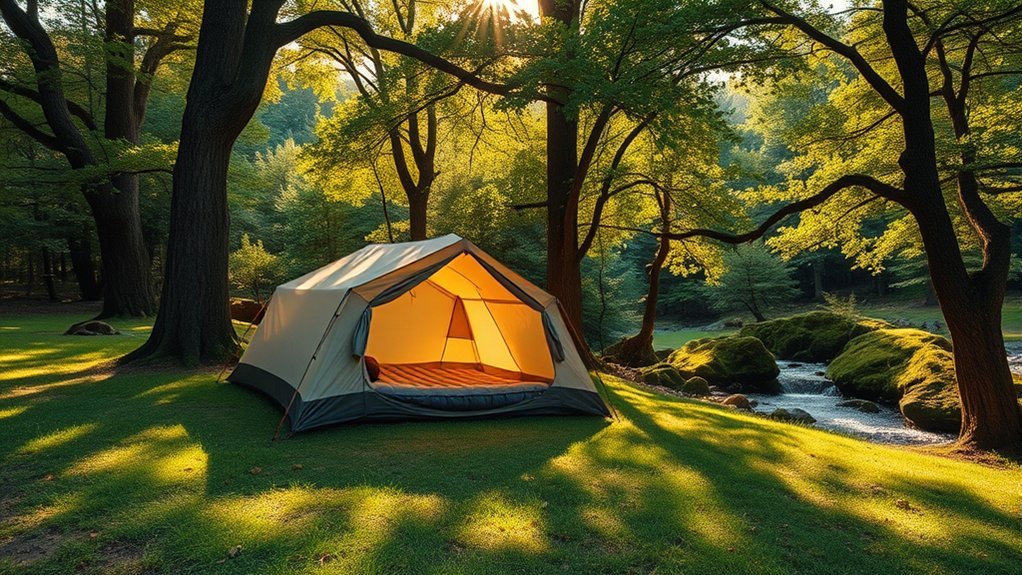
Your campsite affects comfort, drainage, wind exposure, noise, and safety. In a developed campground, use the assigned tent pad or established bare area. In the backcountry, follow the land manager’s rules and camp on durable surfaces rather than clearing vegetation to create a new spot.
Walk the site before unpacking. The National Park Service recommends checking for hazards such as flash-flood channels, lightning exposure, wind, cliffs, and dead trees or branches. Choose ground that is level but not the lowest point in the area, where cold air and rainwater can collect.
- Look up: Do not pitch beneath dead limbs, leaning trees, loose rock, or anything that could fall.
- Look down: Avoid roots, sharp stones, ant nests, animal trails, standing water, and obvious runoff channels.
- Check the slope: Lie down where your torso will rest. A slight slope is manageable with your head uphill, but a strong side slope can make you slide all night.
- Check wind and weather: Use natural shelter without camping under unsafe trees, and point the tent door away from the strongest expected wind when the design allows.
- Check noise and light: Decide whether convenience near toilets is worth extra footsteps, doors, vehicle lights, and conversation after dark.
- Respect boundaries: Stay the required distance from water, trails, roads, wildlife habitat, and neighboring sites.
Clear only loose sticks, stones, and pinecones from an established tent area. Do not dig trenches, cut plants, or reshape the site. Keep the tent a safe distance from the fire ring and cooking area, and place guylines where people will not trip over them.
Pro Tip: Before pitching, place your sleeping pad on the ground and lie on it for one minute. This reveals small slopes, roots, and pressure points more reliably than looking at the site from standing height.
Select Your Sleeping Gear Wisely
Your tent blocks weather, but your pad, bag or quilt, clothing, and pillow create the sleep system. These pieces must work together. A warm bag cannot fully make up for a pad that lets the ground pull heat from your body, and a plush pad can still feel cold if it has little insulation.
Choose an Appropriate Sleeping Pad
Choose the pad in two parts: cushioning for comfort and R-value for insulation. Thickness can improve pressure relief, especially for side sleepers, but it does not prove that a pad is warm. The ASTM F3340 test method gives manufacturers a consistent way to compare the thermal resistance of camping mattresses.
- Warm-weather camping: A lower R-value may be enough when the ground is warm.
- Cool or shoulder-season camping: Choose more insulation and allow a margin for cold sleepers and unexpectedly cool ground.
- Freezing or winter conditions: Use a high-R-value pad or stack compatible pads; stacked R-values are additive.
- Side sleepers: A wider, thicker pad can reduce pressure at the shoulders and hips. Inflate it fully, lie down, and release small amounts of air until supported without touching the ground.
- Backpackers: Balance warmth and comfort with weight, packed size, durability, and noise.
- Car campers: A wider self-inflating pad, insulated mattress, or cot-and-pad combination can add comfort, but a large uninsulated air mattress may still feel cold.
Test the pad at home for a full night, not just a few minutes. Confirm that it fits the tent with the other sleepers’ pads, learn the valve, and carry the correct patch kit. Air pressure can drop as the night cools, so make the final firmness adjustment shortly before bed.
Invest in a Suitable Sleeping Bag or Quilt
Start with the coldest forecast low, then compare the actual lab rating instead of relying only on the number in a product name. ISO or EN sleeping-bag ratings make cross-brand comparisons more useful. The comfort rating is the safer reference for a cold sleeper, while the lower-limit rating may suit a warm sleeper. Ratings are estimates, so account for your pad, clothing, humidity, wind, shelter, metabolism, and fatigue.
A small safety margin below the expected low is sensible, but “10–20 degrees colder” should not be treated as a universal rule. A bag that is far too warm can be uncomfortable in summer, while a bag used near its lower limit may be unpleasant for someone who sleeps cold.
- Fit: Choose enough room to move without excessive empty space. A bag that is too tight can compress insulation; one that is much too large takes more body heat to warm.
- Shape: Rectangular bags offer room for car camping. Mummy bags reduce weight and unused space for colder trips and backpacking.
- Insulation: Down usually packs smaller for its warmth but needs moisture protection. Synthetic fill is bulkier but generally dries faster and retains more insulation when damp.
- Quilts: A quilt can provide freedom of movement, but it depends on a well-insulated pad and careful draft control.
- Condition: Loft the bag soon after arriving, keep it dry, and avoid storing it tightly compressed between trips.
The sleeping pad is part of the insulation system, not just a mattress. A warm bag over a cold, uninsulated surface can still leave you shivering.
Enhance Comfort Inside the Tent
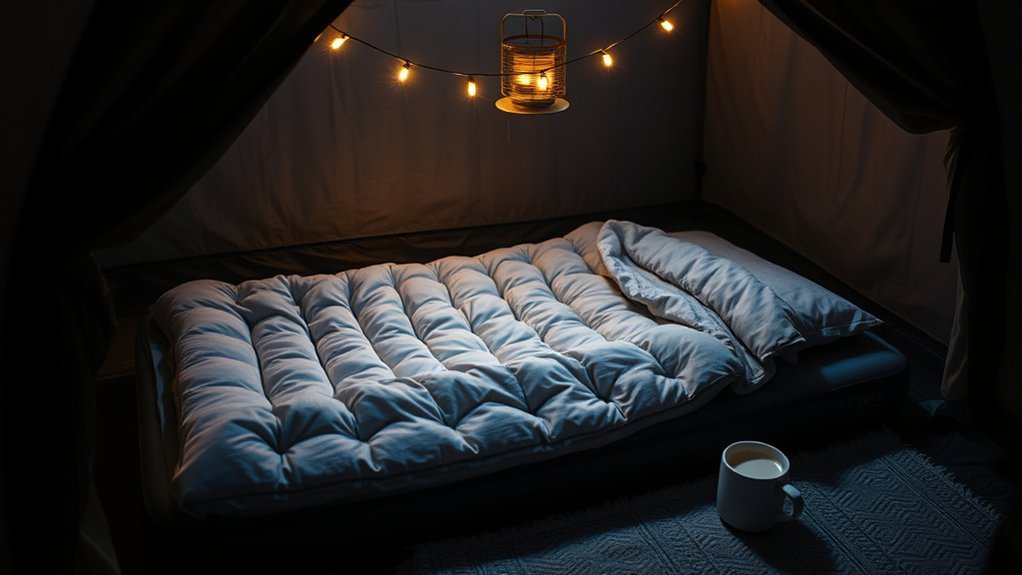
A few small tent accessories can improve comfort without turning the shelter into a crowded gear closet. Set up the entire sleeping area before dark so you have time to fix leaks, pad placement, or missing items.
- Use a real pillow: Choose a compressible, foam, or inflatable camp pillow that supports your neck. Add or release air to match your normal sleeping position.
- Protect cold feet: Wear clean, dry socks and make sure the foot of the bag is not pressed against a wet tent wall. Put dry clothing in unused footbox space if the bag is too long.
- Wear dry sleep clothes: Change out of sweaty hiking layers. Lightweight base layers and socks are usually better than bulky clothing that crowds the bag.
- Control light and noise: An eye mask helps with early sunrise or campground lights. Earplugs can reduce normal campground noise, but keep enough awareness for weather, wildlife, children, or emergencies.
- Choose safe lighting: Hang a small battery-powered LED lantern or keep a headlamp in a predictable pocket. Avoid candles and combustion lanterns.
- Adjust for your body: Side sleepers may need more pad cushioning; broad-shouldered campers may need a wider bag; people who run cold may need more pad insulation rather than extra blankets alone.
For car camping, a fitted sheet over two adjacent pads can reduce gaps for couples, and a thin blanket can make the surface feel more like a bed. Keep enough clear floor space to reach the door without stepping on another sleeper or tripping over gear.
Create a Relaxing Bedtime Routine
A familiar routine helps the tent feel less strange on the first night. Finish camp chores early, lower the lighting, and handle food storage before you become tired. Read, journal, stretch gently, talk quietly, or take a few slow breaths. Keep the routine simple enough to repeat on every trip.
- Use the restroom before changing into sleep clothes, then keep shoes and a headlamp beside the door for a nighttime trip.
- Brush your teeth and store toothpaste with the other scented items, not in the tent.
- Check the forecast once, secure the rainfly and guylines, then put the phone away or dim it to reduce stimulation.
- Have a light snack if you are hungry, but avoid a very heavy meal immediately before lying down.
- Do a few gentle movements if you are cold, stopping before you become sweaty.
Give yourself extra time on the first night. New sounds, a different pillow height, and an unfamiliar sleep schedule can delay sleep even when the setup is comfortable.
Manage Temperature and Environment
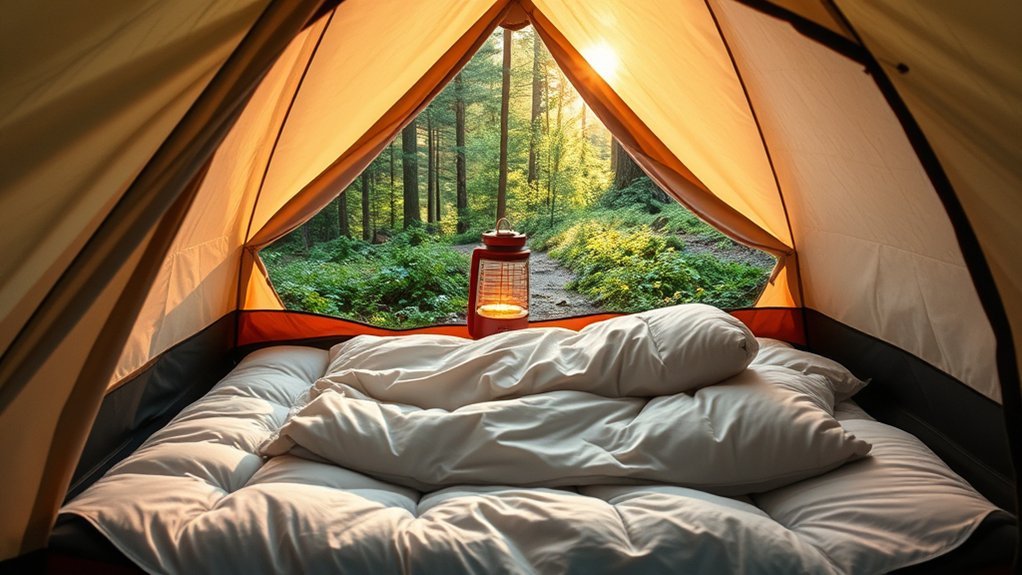
Comfort comes from balancing insulation with airflow. Prepare for the overnight low rather than the afternoon temperature, and remember that wind, damp clothing, cold ground, and fatigue can make the night feel colder.
Warning: Never use a fuel-burning stove, grill, heater, or lantern inside a tent or other enclosed sleeping space. The U.S. Consumer Product Safety Commission warns that these devices can cause fatal carbon-monoxide poisoning as well as fire. If anyone develops headache, dizziness, weakness, nausea, unusual sleepiness, or confusion, move to fresh air and seek emergency help.
Ventilation and Condensation Control
Condensation forms when warm, moist air meets a colder tent surface. Breathing, damp clothing, wet ground, and cooking all add moisture. Ventilation can reduce condensation, but it may not eliminate it during humid, still, or cold weather.
- Keep vents open overnight: Do not automatically close every vent to “hold in warmth.” Use the rainfly and vent design to maintain airflow while keeping rain out.
- Stake the fly correctly: A taut rainfly with space between the fly and inner tent improves drainage and airflow.
- Keep wet items out: Put wet boots, rainwear, and damp packs in the vestibule or another protected area rather than beside the sleeping bags.
- Avoid touching the walls: Keep bags and clothing away from the tent fabric so condensation does not soak them.
- Wipe and dry: Carry a small absorbent cloth for heavy moisture, then air out the tent and sleep gear when weather permits.
- Never cook inside: Cooking adds vapor and creates carbon-monoxide, flame, and fuel hazards.
Insulation and Ground Protection
Use the tent manufacturer’s footprint or a properly sized groundsheet when it helps protect the floor. It must remain fully beneath the tent; exposed edges can collect rain and funnel it under the floor. A footprint protects against abrasion and surface moisture, but it does not replace an insulated sleeping pad.
In cold conditions, add a closed-cell foam pad beneath an inflatable pad to raise the combined R-value and provide backup if the inflatable pad leaks. Keep dry layers, a hat, and socks available. A warm-water bottle can help, but use only a leakproof container approved for hot water, tighten it carefully, wrap it in fabric, and keep it away from bare skin.
In hot weather, maximize mesh ventilation, use a lighter bag or sheet, remove the rainfly only when weather and privacy allow, and choose shade that is free of falling-branch hazards. Do not sacrifice bug protection or storm readiness merely to increase airflow.
Stay Hydrated and Nourished
Drink regularly during the day so you are not trying to catch up at bedtime. Needs vary with heat, humidity, altitude, activity, body size, illness, and access to food. As a practical benchmark for moderate work in heat lasting less than two hours, NIOSH recommends 8 ounces of water every 15–20 minutes and generally no more than six cups per hour. That guidance is not a fixed prescription for every camper.
- Keep water accessible: Store a closed bottle where you can reach it without knocking it over.
- Do not overdrink before bed: Sip to address thirst while avoiding an unnecessary nighttime restroom trip.
- Use electrolytes when appropriate: Water is usually enough for shorter activity. Balanced electrolyte drinks become more useful when sweating continues for several hours.
- Eat a light snack if needed: Nuts, crackers, oatmeal, or another familiar food can settle hunger without a large meal.
- Limit alcohol: It can impair judgment, disrupt sleep, increase heat loss in cold conditions, and complicate hydration.
Anyone with a medical condition or fluid restriction should follow their clinician’s guidance rather than a general camping target.
Organize Your Tent Space
A tidy tent is easier to sleep in and safer to exit at night. Assign a place for every small item before darkness falls.
- Put headlamps, eyeglasses, medication, and a whistle in the same pocket every night.
- Place shoes beside the door or in the vestibule, where they cannot block the exit.
- Keep stakes, trekking poles, cookware, and hard objects away from sleeping pads.
- Use built-in pockets and gear lofts only within their weight limits.
- Use manufacturer-provided loops for a short line only if the tent allows it, and hang lightweight dry items—not wet clothing that adds moisture.
- Keep backpacks and totes arranged so no one has to crawl over them.
- Keep all food, trash, scented toiletries, and cooking clothing out of the tent where wildlife rules require it.
A small doormat or towel at the entrance helps keep sand and mud off the sleeping pads. Before bed, do a 60-second reset: close doors, check zippers, locate the headlamp, clear the exit, and confirm that food storage is complete.
Prepare for Wildlife Encounters
Wildlife safety begins with odor control and local rules. The required storage method varies by park and species. Some locations provide lockers, some require an approved bear-resistant container, and some permit a specific hanging method. The National Park Service advises checking the exact food-storage rules for the place you will visit.
- Store every scented item: Food, drinks, trash, cookware, toothpaste, soap, cosmetics, sunscreen, insect repellent, and pet food may all require secure storage.
- Do not store food in the tent: Keep the tent free of crumbs, wrappers, and clothing heavily soiled by cooking odors.
- Use the required system: A scent-resistant bag can help contain odors but is not a substitute for a required locker or approved bear-resistant container.
- Follow the required separation: Do not assume one universal “200-foot rule.” Use the campground’s designated cooking area or the land manager’s stated distance and layout.
- Keep a clean camp: Wash cookware promptly, secure trash, and never burn food scraps as a disposal method.
- Keep doors zipped: This reduces insects and small animals inside the tent, but it does not replace proper food storage.
Learn the response for the wildlife in that region before the trip. Bear, mountain lion, snake, alligator, and small-animal guidance is not interchangeable. Never approach, feed, or corner an animal.
Note: Food-storage rules can change by season or because of active wildlife. Check the land manager’s page shortly before departure and follow posted instructions at the campground even when they differ from general advice.
Troubleshoot Common Tent Sleep Problems
The Sleeping Pad Feels Too Hard or Too Soft
Adjust it while lying in your normal position. Release air in small steps until your hips and shoulders are supported without reaching the ground. If the pad slowly collapses, close the valve again, inspect for a leak, and use the matching repair kit.
You Keep Sliding During the Night
Move the sleep system so your head is uphill. If the slope is strong enough to keep moving you, repitch on safer, more level ground when conditions and campsite rules allow. A grippy pad surface or a fitted sheet can reduce minor movement, but it cannot fix a poor site.
You Feel Cold Despite the Bag Rating
Check the pad first, then confirm that your clothes and bag are dry. Add a foam pad, dry base layer, hat, or properly used warm-water bottle. Eat a light snack if you are hungry. Do not breathe into the bag, because moisture can reduce comfort. If shivering continues or you cannot warm up, leave the exposure and seek a safer shelter.
The Tent Is Wet Inside
Decide whether the water is condensation, a leak, or runoff. Open vents, move wet gear out, wipe interior moisture, and keep bedding away from the walls. For leaks, check rainfly tension, door closure, seam condition, and whether the footprint extends beyond the floor. Move immediately if water is flowing through the campsite.
Noise Keeps You Awake
Normal wind, insects, and small animals can sound louder at night. Use earplugs only when it is safe to reduce awareness, and keep a headlamp ready. If the sound suggests severe weather, a large animal, a falling branch, or unsafe human activity, investigate from a protected position or leave rather than ignoring it.
Embrace the Outdoor Experience
Comfort also comes from accepting that a tent will not feel exactly like a bedroom. Listen to leaves, insects, wind, or distant water without treating every sound as a threat. Take a few minutes to stargaze, share a quiet story, or reflect on the day before closing the tent.
Simple outdoor mindfulness can help: notice five things you hear, relax your jaw and shoulders, and take slow breaths without forcing sleep. Keep the mood calm, but stay aware of real hazards and changing weather. With a safe site and reliable sleep system in place, the unfamiliar parts of camping often become part of the enjoyment.
Frequently Asked Questions
What are the best tent types for different weather conditions?
A three-season tent suits most spring, summer, and fall camping in moderate rain and wind. A four-season or mountaineering tent is built for stronger wind and snow loads but often has less mesh and can feel warmer or more humid. Large family tents prioritize space, not storm strength. No tent should be treated as absolutely waterproof; correct pitching, fly coverage, seam condition, and site drainage still matter.
How do I prevent condensation inside the tent?
Keep vents open, stake the rainfly so air can move between layers, and store wet clothing in the vestibule or another covered area. Avoid cooking inside and keep bedding away from the walls. Condensation can still occur in humid, cold, or windless weather, so carry a small cloth and dry the tent when conditions improve.
Can I sleep in a hammock instead of a tent?
Yes, where hammocks are allowed and suitable anchor points exist. Use wide tree-friendly straps, a rain tarp, insect protection, and an underquilt or sleeping pad because compressed insulation beneath you provides little warmth. Follow local tree and campsite rules, inspect anchors, and avoid dead trees, damaged bark, steep drop-offs, and areas where a fall would be dangerous.
What are some tips for camping with kids?
Practice sleeping in the tent at home, keep the first trip short, and bring familiar bedding, simple meals, warm layers, and a child-sized headlamp. Set clear boundaries around roads, water, fire, and wildlife. Quiet games, nature bingo, and a familiar bedtime story can make the evening fun without keeping the whole campground awake.
How do I pack my tent for easy setup?
Dry and clean the tent first. Pack the body, rainfly, footprint, poles, stakes, and repair sleeve together in a consistent order, with stakes in a protective pouch so they cannot puncture fabric. At camp, place the bag on the selected site, remove components in setup order, and keep the instructions or a saved photo available until the process is familiar.
Why am I cold even though my sleeping bag is rated for the temperature?
The bag rating assumes a complete sleep system and may reflect a lower-limit rating rather than comfort. A low-R-value pad, damp clothing, wind, hunger, fatigue, or being a cold sleeper can all reduce comfort. Use a warmer pad, dry base layers, and a bag whose tested comfort rating matches your needs.
What should I do if my sleeping pad leaks at night?
Close and recheck the valve, then listen and feel for escaping air. Mark the leak, clean and dry the area, and use the repair method made for that pad. A closed-cell foam backup can preserve insulation for the rest of the night. Do not use an adhesive or heat repair that the manufacturer does not approve.
Conclusion
Better tent sleep comes from a safe campsite and a well-matched sleep system. Choose level, well-drained ground; pair the bag or quilt with an insulated pad; use dry clothing and a supportive pillow; and keep the tent ventilated and organized. Store scented items under local wildlife rules, prepare for nighttime needs before bed, and keep every flame or fuel-burning device outside. Test the setup at home, make small adjustments at camp, and a simple tent can become a comfortable place to recover for the next day’s adventure.
Sources
- National Park Service: Finding and Setting Up a Campsite — campsite hazards, tent placement, and camp layout
- ASTM International: F3340-22 — standardized thermal-resistance testing for camping mattresses
- REI Co-op: Understanding Sleeping Bag Temperature Ratings — ISO/EN comfort and lower-limit rating guidance
- U.S. Consumer Product Safety Commission: Portable Heaters and Camping Equipment — carbon-monoxide and combustion-device safety
- National Park Service: Storing Food in Bear Country — food, trash, and scented-item storage
- CDC/NIOSH: Heat Stress Recommendations — hydration guidance for moderate activity and prolonged sweating

