
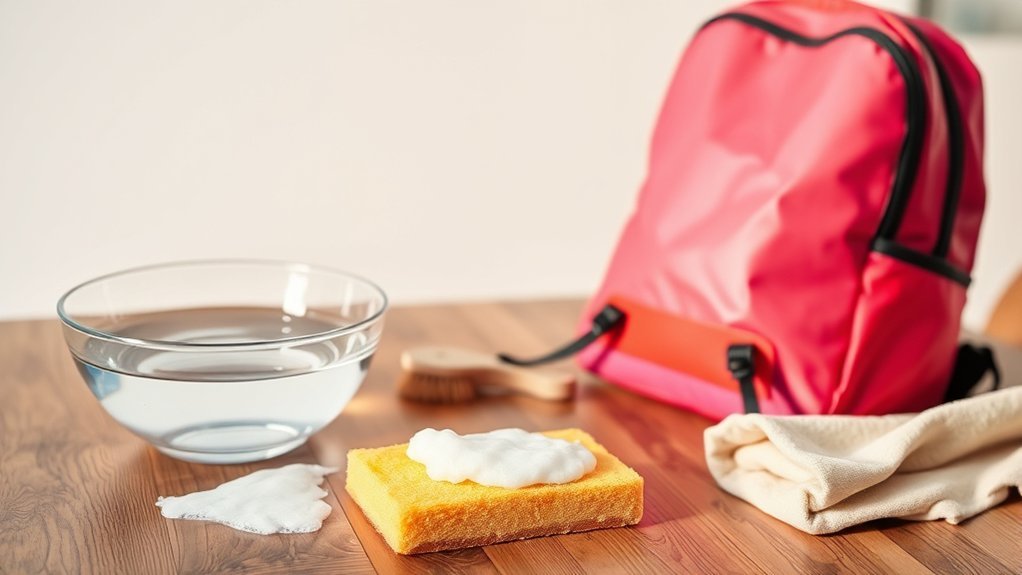
Last Updated on July 30, 2026 by Caleb Warren
Cleaning a waterproof backpack is usually simple, but the correct method depends on the pack’s care label, fabric, seam construction, frame, and closure. Some packs can be hand-washed or briefly soaked, while others should only be wiped clean. A few models permit machine washing. Start gently, use the least aggressive method that works, and let the pack dry completely before storage.
Quick Answer
Empty the backpack, check its care label, remove detachable parts, and brush or vacuum away loose debris. Clean with cool or lukewarm water, a soft sponge or brush, and a mild manufacturer-approved cleaner. Rinse well, open every pocket, and air-dry fully away from direct heat before reassembling or storing it.
Key Takeaways
- Follow the pack’s care label and manufacturer instructions before choosing spot cleaning, hand washing, or machine washing.
- Use cool or lukewarm water and a mild pH-neutral or technical gear cleaner; avoid bleach, fabric softener, solvents, and harsh stain removers.
- Do not scrub seam tape, coated panels, or waterproof zipper seals aggressively.
- Rinse away all cleaner and let every pocket, strap, foam panel, and removable part dry completely.
- Reapply a compatible water-repellent treatment only when the face fabric stops beading water and the manufacturer allows it.
At a Glance
| Time Required | 20–40 minutes of cleaning, plus roughly 24–48 hours of air-drying |
| Difficulty | Easy |
| Tools Needed | Soft sponge or microfiber cloth, soft nylon brush, mild or technical gear cleaner, clean towels, and an optional low-suction vacuum |
| Cost | About $0–$20, depending on whether you already own a suitable cleaner |
Note: “Waterproof backpack” can describe very different products. A welded roll-top dry pack, a coated hiking pack with stitched seams, and a water-resistant commuter bag may need different care and may offer different levels of water protection.
Disclosure: As an Amazon Associate I earn from qualifying purchases. Some links on this page are affiliate links, at no extra cost to you.
Preparation for Cleaning Your Backpack

Before cleaning, read the sewn-in care label and check the product page or manual. This step matters because cleaning instructions vary by model. For example, Osprey advises against machine washing its packs, while the care instructions for some Patagonia Black Hole packs permit machine washing. The manufacturer’s instructions should override general advice.
Empty every pocket and turn the pack upside down to shake out dirt, sand, crumbs, and small objects. Open all zippers and closures. Use a low-suction vacuum with a clean nozzle for loose debris inside, but do not drag a hard nozzle across coated fabric, seam tape, or delicate mesh.
Remove only the parts the manufacturer says are removable, such as a frame sheet, metal stays, hip belt, rain cover, hydration reservoir, or detachable straps. Do not force fixed hardware apart. Clean a hydration bladder separately according to its own instructions.
Choose the Right Cleaning Method
| Pack Condition | Best Starting Method |
|---|---|
| Light dust, sweat, or one small stain | Spot clean with a damp cloth or sponge |
| Mud, salt, widespread grime, or strong odor | Hand wash only if the care label allows it |
| Welded dry pack or waterproof zipper system | Use the brand’s product-specific cleaning and lubrication instructions |
| Care label permits machine washing | Use only the listed cycle, water temperature, and drying method |
| Peeling coating, loose seam tape, torn fabric, or damaged closure | Contact the manufacturer or a qualified gear-repair service before washing |
Prepare a small amount of mild pH-neutral soap or a cleaner made for technical outdoor gear. Avoid regular powdered detergent, fabric softener, bleach, solvents, degreasers, and strongly scented cleaners unless the care label specifically approves them. Test the cleaner on a hidden area first if colorfastness is uncertain.
Warning: Do not assume a waterproof pack can be submerged, machine-washed, or tumble-dried. Heat, aggressive agitation, and the wrong cleaner can damage coatings, foam, seam tape, frames, and waterproof closures.
Cleaning the Interior of Your Pack

Start with the least aggressive method. Wipe the lining, pocket corners, and base with a clean damp sponge or microfiber cloth. Pay extra attention to food spills, sunscreen, sweat, and dirt around the back panel, shoulder straps, and hip belt.
For a stubborn spot, place a small amount of approved cleaner on the sponge rather than pouring it directly into the pack. Gently work from the outside of the stain toward the center. Use a soft brush only on durable fabric and webbing. Avoid hard scrubbing on polyurethane coatings, laminated panels, seam tape, mesh, printed logos, and clear waterproof windows.
Wipe the cleaned area again with fresh water until no residue remains. Cleaner left in the fabric can attract dirt, leave an odor, or affect surface water repellency. Keep all compartments open while the interior dries.
Dealing With Odors, Spills, and Mold
For ordinary sweat odor, repeat the gentle wash and rinse, then improve airflow during drying. Do not mask the smell with perfume sprays. For an oily spill, unknown chemical, or fuel contamination, contact the manufacturer before applying a solvent or heavy-duty degreaser.
If you see mold, isolate the pack from other gear and check the manufacturer’s instructions before treating it. The U.S. Environmental Protection Agency notes that porous materials can be difficult or impossible to clean completely once mold grows into them. A valuable or heavily affected pack may need professional assessment or replacement.
Warning: Do not use bleach on a backpack merely because general mold guidance sometimes mentions bleach for hard household surfaces. Bleach can discolor fabric and damage coatings, thread, foam, and hardware unless the pack maker specifically allows it.
Spot Cleaning the Exterior

Let wet mud dry enough to brush off without smearing it deeper into the fabric. Then dampen the dirty area with cool or lukewarm water. Use a clean sponge or soft brush with a small amount of approved cleaner, working gently over the stain.
Clean high-contact areas such as the back panel, shoulder straps, hip belt, grab handle, bottom panel, and roll-top folds. Do not scrape or scrub aggressively around seam tape, welded seams, coated fabric, reflective details, or zipper seals.
After exposure to saltwater, road salt, or fine beach sand, rinse the pack and hardware with fresh water as soon as practical. Salt crystals and grit can abrade fabric, jam sliders, and interfere with waterproof closures.
Pro Tip: Use a white or light-colored cloth when testing a cleaner. It makes dye transfer easy to spot before you clean a larger area.
When a Full Hand Wash Is Appropriate
A full hand wash can help with widespread grime, sweat, and salt buildup, but only when the care label allows immersion. Fill a clean tub or large sink with enough cool or lukewarm water to work on the pack without crushing it. Add a small amount of approved cleaner.
- Remove detachable parts: Take out approved frames, stays, hip belts, rain covers, and reservoirs.
- Wet the pack gently: Lower it into the water without twisting, wringing, or forcing air through sealed compartments.
- Clean problem areas: Use a sponge or soft brush on durable fabric, straps, and webbing.
- Avoid prolonged soaking: Do not leave the pack submerged longer than needed.
- Rinse thoroughly: Replace the wash water with clean water and rinse until no suds remain.
- Drain without wringing: Let water run out, then press the pack gently between clean towels.
If the label says “spot clean only,” do not immerse the pack. If it permits machine washing, follow the exact machine cycle and drying directions rather than substituting a generic method.
Zipper Maintenance Tips
Brush loose dirt and sand from standard zipper teeth or coils with a soft nylon brush. Add a little fresh water when needed to loosen salt. Do not force a stuck slider; work debris out first and move the slider in short, gentle motions.
Waterproof zippers need product-specific care. ORTLIEB’s TIZIP guidance, for example, says to clean with soapy water and a soft brush and to use the specified zipper grease in the correct location. It warns against solvents and aggressive cleaners. Some sealing-lip systems may use silicone grease, while other zippers require a different lubricant or none at all.
Do not spray general-purpose oil, penetrating lubricant, or an unapproved silicone product along the zipper chain. These products can attract grit, stain fabric, or interfere with a sealing surface. When the zipper maker supplies lubricant, use it sparingly and wipe away excess.
Rinsing and Drying Your Backpack
Rinse every cleaned area with fresh cool water until the water runs clear and no soap remains. Pay attention to padded straps, foam back panels, roll-top folds, pocket corners, and zipper tape, where cleaner can collect.
Let excess water drain naturally. Blot or press the pack with clean towels; do not wring, twist, or sharply fold it. Reshape the pack and open all pockets, sleeves, and closures so air can reach the interior.
Air-dry the backpack indoors or in a shaded, well-ventilated area. Osprey recommends drying out of direct sunlight. Avoid radiators, hair dryers, heaters, and tumble dryers unless the care label specifically permits low-heat drying.
Drying may take a day or two, especially around foam, webbing, and double-layered pockets. The pack is ready for storage only when it feels dry inside and out and no damp odor remains. Moisture control is central to mold prevention, and the EPA advises drying items completely.
Reassembling Your Backpack
Once every component is dry, reassemble the pack using the manufacturer’s instructions. Confirm that frames, stays, belts, straps, and hydration hardware are seated correctly before loading the backpack.
Ensure All Components Are Secure
- Inspect for damage: Look for peeling coatings, loose seam tape, torn fabric, frayed webbing, cracked buckles, and bent hardware.
- Align attachment points: Refit removable parts in their original orientation so the suspension carries weight correctly.
- Secure straps and buckles: Thread webbing through the correct keepers and test each buckle under light hand tension.
- Check waterproof closures: Make sure roll-tops fold the required number of times and waterproof zippers seat fully at their end stop.
Check Functionality Before Use
Operate each zipper several times, adjust the harness, and inspect all attachment points. Do not load the pack until every component works smoothly and the interior is completely dry.
| Task | Action |
|---|---|
| Dry Components | Confirm all fabric, foam, straps, frames, and pockets are completely dry |
| Test Zippers | Operate sliders gently and confirm waterproof zipper end stops close fully |
| Inspect Buckles | Check for cracks, distortion, weak springs, or damaged webbing |
| Secure Frames | Seat removable support structures in the correct sleeves and anchors |
| Verify Waterproof Features | Inspect welded seams, seam tape, coatings, roll-tops, and zipper seals |
Perform a Gentle Water Check
If you need to check performance, place dry paper towels inside, close the pack exactly as instructed, and expose it to a light shower spray. Do not submerge it unless the manufacturer gives a submersion rating and test method. Water beading on the outer fabric only shows that the surface treatment is working; it does not prove that seams and closures are fully waterproof.
Pro Tips for Extended Pack Life
Gentle cleaning, complete drying, correct storage, and prompt repair protect a backpack better than frequent deep washing. Use the following checks to keep the pack dependable.
Regular Inspections and Maintenance
- Inspect after hard use: Check the base, shoulder-strap anchors, hip-belt wings, zipper ends, roll-top creases, and seam tape after rough trips.
- Clean when needed: Spot clean visible dirt promptly and perform a fuller wash after heavy sweat, mud, salt, food spills, or before long-term storage.
- Repair early: Small tears, loose stitching, and failing zipper components are easier to fix before they spread.
- Keep closures clean: Sand and salt are especially hard on waterproof zippers and sealing lips.
Restore Water Repellency When Needed
Cleaning can restore water beading when dirt or detergent residue is masking the existing finish. If clean fabric still wets out instead of beading, use only a treatment approved for that pack’s material. Nikwax’s backpack-care guidance recommends sponging a compatible cleaner onto the pack and applying its pack treatment while the fabric is damp.
A spray-on water repellent cannot repair delaminated fabric, separated seam tape, holes, or a damaged waterproof zipper. Those problems need a proper patch, seam repair, component replacement, or manufacturer service.
Proper Storage Techniques
Store the clean, dry pack in a cool, ventilated place away from direct sunlight, heaters, fuel, solvents, and sharp objects. Keep pockets partly open so trapped moisture can escape. Hang the pack from a sturdy loop only if the manufacturer permits it, or place it loosely on a shelf without crushing the frame or padding.
Avoiding Overloading the Pack
Do not exceed the manufacturer’s load guidance or force a zipper, buckle, or roll-top to close over an oversized load. Distribute weight evenly and keep hard-edged items away from coated panels. Reassess the contents before each trip so the seams, suspension, and waterproof closure are not under unnecessary strain.
Common Mistakes to Avoid
| Mistake | Why You Should Avoid It | Better Alternative |
|---|---|---|
| Skipping the care label | Waterproof packs use different fabrics, coatings, seams, frames, and closures. | Use the model-specific instructions first. |
| Using harsh detergent, bleach, solvent, or fabric softener | These products may leave residue or damage coatings, foam, dyes, thread, and adhesives. | Use a mild pH-neutral or approved technical cleaner. |
| Machine washing by default | Agitation can harm packs that are not designed for it. | Machine wash only when the care label allows it. |
| Scrubbing aggressively | Hard scrubbing can abrade coatings, seam tape, mesh, and printed details. | Use a sponge or soft brush with light pressure. |
| Soaking in hot water | Heat and prolonged soaking can stress adhesives, foam, and laminated materials. | Use cool or lukewarm water and limit immersion to what the label permits. |
| Using a generic zipper lubricant | The wrong product or application point can attract grit or impair a waterproof seal. | Use the zipper maker’s recommended lubricant and method. |
| Drying in direct sun or near strong heat | Excess heat and UV exposure can age fabric and coatings. | Air-dry in shade with good ventilation. |
| Storing the pack damp | Trapped moisture encourages odor and mold growth. | Dry every layer and compartment completely before storage. |
When to Seek Professional Cleaning or Repair
Contact the manufacturer or a qualified outdoor-gear repair service when the pack has peeling laminate, loose seam tape, a leaking welded seam, a damaged waterproof zipper, torn structural fabric, broken suspension hardware, or contamination from fuel or strong chemicals.
Professional cleaning alone cannot reliably rebuild a failed coating or welded seam. Ask whether the maker offers a repair program, replacement closure, approved patch, seam treatment, or warranty service. For stubborn mold in porous layers, get advice before investing in cleaning because complete removal may not be possible.
Frequently Asked Questions
Can I machine wash my waterproof backpack?
Only when the sewn-in care label or manufacturer instructions permit it. Many structured hiking packs should not go in a washing machine, but some washable travel and commuter packs list a machine cycle. Remove approved detachable parts and follow the exact temperature, cycle, and drying directions.
What materials are used in waterproof backpacks?
Common constructions include nylon or polyester face fabric with polyurethane or TPU coatings or laminates, PVC-coated fabric, and welded synthetic panels. Water protection also depends on seam construction, zipper design, roll-top closure, and whether needle holes are taped or sealed.
How often should I clean my backpack?
Spot clean it when dirt or spills appear. Give it a fuller cleaning after heavy sweat, mud, saltwater, beach sand, food leaks, or a long trip, and before extended storage. Avoid unnecessary deep washing when a damp wipe will do.
Will cleaning affect the backpack’s waterproofing?
Gentle cleaning with the approved method can improve surface beading by removing dirt and residue. Harsh detergent, heat, aggressive scrubbing, or improper machine washing can damage protective layers. Cleaning cannot repair torn fabric, delamination, failed seam tape, or a damaged waterproof closure.
Can I use bleach to clean my backpack?
Do not use bleach unless the manufacturer explicitly allows it. Bleach may discolor fabric and weaken coatings, thread, foam, adhesives, and hardware finishes. Use a mild approved cleaner and seek manufacturer advice for mold or difficult contamination.
Can I use dish soap on a waterproof backpack?
A small amount of mild, fragrance-free, pH-neutral soap may be acceptable for some packs, but a technical gear cleaner is safer when the manufacturer recommends one. Avoid strong degreasing formulas, antibacterial additives, moisturizers, bleach, and products that leave a film.
How do I know when to reapply water repellent?
Clean and rinse the pack first. When the compatible face fabric still absorbs water instead of beading after it is clean, a manufacturer-approved spray treatment may help. Reproofing will not fix holes, seam failure, delamination, or a leaking zipper.
Conclusion
The safest way to clean a waterproof backpack is to let the care label decide the method. Empty the pack, remove approved detachable parts, use cool or lukewarm water with a mild cleaner, and work gently around coatings, seams, and closures. Rinse thoroughly, dry every layer away from strong heat, and repair damage before the next trip. With careful cleaning and storage, the backpack will stay fresher and remain dependable for longer.
Sources
- Osprey: How to Clean Your Osprey Backpack — hand cleaning, avoiding machine washing for Osprey packs, and shade drying
- Patagonia Black Hole Pack 25L — example of a backpack whose care label permits machine washing
- Nikwax: Equipment Care — cleaning and restoring water repellency on backpacks
- ORTLIEB FAQ — care of waterproof bags and closure-specific lubrication guidance
- ORTLIEB: TIZIP Closure Care — cleaning and lubricating waterproof zippers
- U.S. Environmental Protection Agency: Basic Mold Cleanup Steps — moisture control, complete drying, and limitations of cleaning porous materials
