Last Updated on August 23, 2026 by Mason Reed
Choosing a safe campsite requires more than finding a beautiful view. The best location balances safety, comfort, environmental responsibility, and local rules. Before setting up your tent, check the terrain, weather conditions, water distance, fire regulations, wildlife risks, and whether camping is legally allowed in the area.
Quick Answer
A safe campsite should be on stable, level ground away from hazards like flooding areas, dead trees, steep slopes, and exposed storm zones. Choose established camping areas when possible, stay at least 200 feet from water sources where required, follow local regulations, and protect food from wildlife.
Key Takeaways
- Inspect the ground, trees, weather exposure, and nearby hazards before camping.
- Use established campsites and follow Leave No Trace principles.
- Keep water access, fire safety, and wildlife protection in mind.
- Always confirm permits, restrictions, and local camping rules.
At a Glance
| Time Required | 10–20 minutes to evaluate a campsite before setup |
| Difficulty | Beginner-friendly with careful observation |
| Tools Needed | Map, weather forecast, flashlight, first aid kit, and camping gear |
| Cost | Free in some dispersed areas; permits or campground fees may apply |
Warning: Never camp under dead branches, damaged trees, unstable cliffs, or in areas that could flood during rain. Conditions can change quickly outdoors.
Pro Tip: Arrive before dark whenever possible. Daylight makes it easier to spot hazards, evaluate the terrain, and choose a better tent location.
Disclosure: As an Amazon Associate I earn from qualifying purchases. Some links on this page are affiliate links, at no extra cost to you.
Environmental Impact
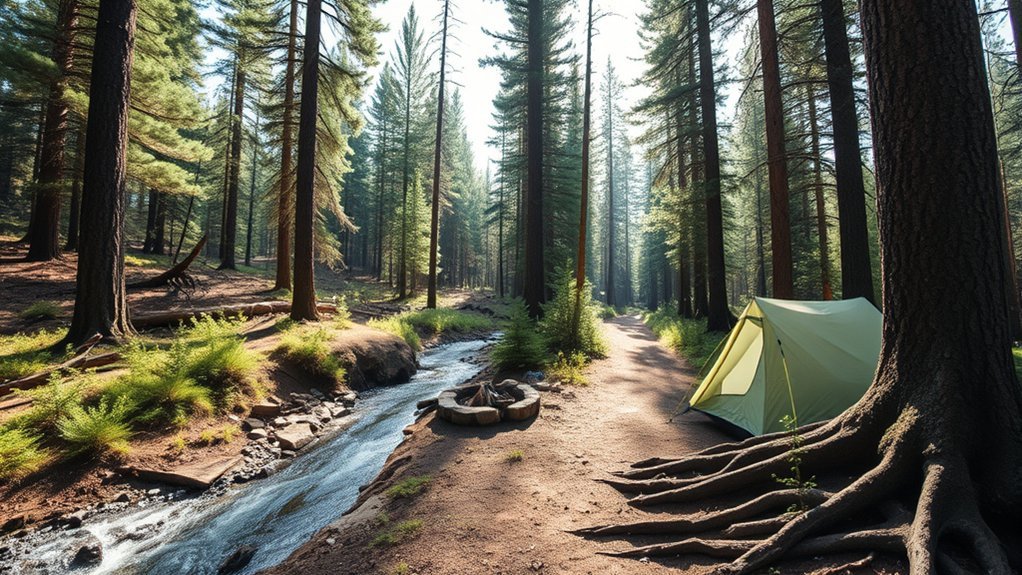
When selecting a campsite, consider how your choices affect the surrounding environment. Use established campsites or durable surfaces whenever possible to reduce damage to vegetation and soil.
Following Leave No Trace principles helps protect natural areas. Camp away from water sources according to local regulations, use existing fire rings when allowed, avoid damaging plants, and return moved natural objects such as rocks or branches before leaving.
A good campsite protects both the camper and the landscape by reducing hazards while leaving the area ready for future visitors.
Safety
Selecting a safe campsite starts with a careful inspection of the area. Look for flat, stable ground with good drainage and avoid places where water could collect after rain.
- Check for dead trees, broken branches, or unstable slopes.
- Avoid low areas that may flood during storms.
- Stay away from exposed ridges and unsafe storm locations.
- Consider wildlife activity and store food properly.
- Choose locations where emergency access or communication is possible.
Comfort
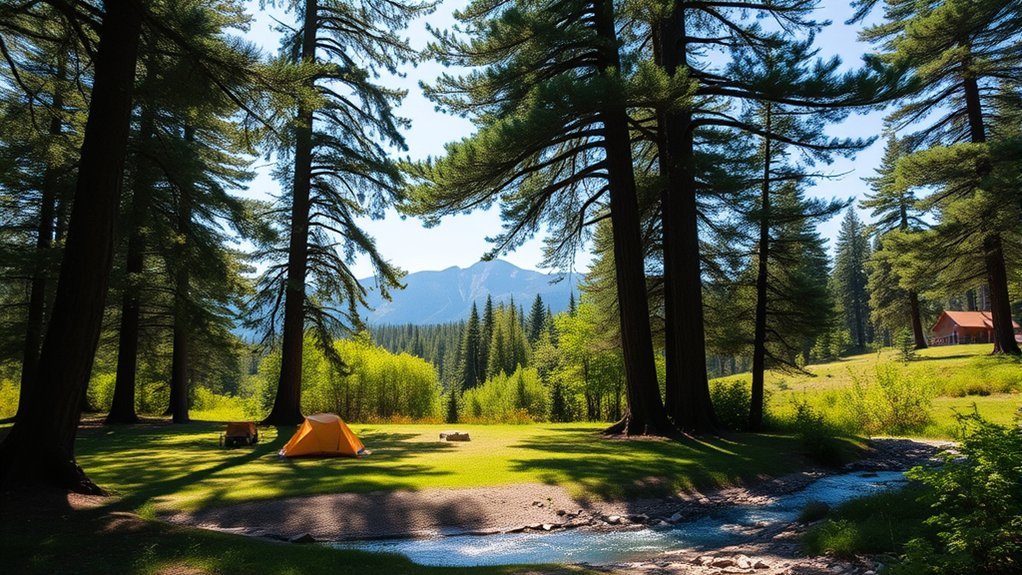
A comfortable campsite improves the entire outdoor experience. In warm weather, look for natural shade and airflow. During colder trips, natural wind protection from trees or terrain can make the campsite more comfortable.
Place your tent on level ground whenever possible. Sleeping pads, ground covers, and proper tent placement help reduce moisture and improve rest.
Water and Fire
Water and fire planning are essential parts of campsite safety. Bring or locate a reliable water source, but treat water collected from natural sources before drinking.
Follow local fire restrictions. When fires are allowed, use existing fire rings and only use appropriate firewood. Never cut live trees for fuel. In areas with fire bans, a camp stove may be the safer option.
Legal and Ethical Considerations

Before camping, confirm that the location allows overnight stays and check whether permits, reservations, or special rules apply.
- Verify local camping regulations before arriving.
- Follow required distance rules from lakes, rivers, and streams.
- Use established campsites when available.
- Respect wildlife, other campers, and local communities.
Frequently Asked Questions
What wildlife should I be aware of while camping?
Common concerns include bears, snakes, and raccoons depending on the region. Store food securely, keep campsites clean, and avoid approaching wild animals.
How do I identify a suitable tree for hammock camping?
Choose healthy, strong trees with no visible damage, cracks, or dead branches. Avoid trees that appear weak or unstable.
What gear do I need for a safe campsite?
Basic safety gear includes a suitable shelter, sleeping system, first aid kit, flashlight, navigation tools, and cooking equipment appropriate for your trip.
Are there campsite markers or signs to look for?
Yes. Look for signs showing campground rules, restrictions, trail information, and permitted camping areas.
How can I minimize my environmental footprint while camping?
Use established campsites, pack out waste, avoid damaging plants, and follow Leave No Trace practices.
Conclusion
Choosing a safe campsite means finding the right balance between protection, comfort, and respect for nature. By checking the terrain, avoiding hazards, following local rules, managing water and fire responsibly, and protecting the environment, you can create a safer and more enjoyable outdoor experience.
Sources
- Leave No Trace Center for Outdoor Ethics — camping impact and responsible outdoor practices
- National Park Service Risk Management — outdoor safety guidance
- U.S. Forest Service Fire Information — wildfire and fire safety guidance