
Last Updated on July 31, 2026 by Daniel Globe
Hotels and motels both provide short-term lodging, but they are usually designed for different travel needs. Hotels often emphasize interior room access, shared facilities, and broader services. Motels traditionally emphasize easy vehicle access, nearby parking, and shorter roadside stays. These are common patterns rather than strict rules, so the individual property matters more than the name on its sign.
Quick Answer
The main hotel-versus-motel difference is usually the layout. Hotel rooms commonly open into interior hallways, while motel rooms often open outdoors near the parking area. Hotels may provide more shared amenities and staff services, but prices, quality, security, and facilities vary widely between individual properties.
Key Takeaways
- A motel is traditionally a motor-oriented lodging property with convenient parking and exterior room access.
- Hotels more often use interior corridors and may include lobbies, restaurants, meeting rooms, fitness centers, or other shared spaces.
- Neither label guarantees a particular price, quality level, amenity package, or degree of safety.
- Compare the total price, room-access design, parking, accessibility features, cancellation terms, and recent guest reviews.
- Choose the individual property that fits your trip instead of relying only on the words “hotel” or “motel.”
Hotel vs. Motel: The Core Difference
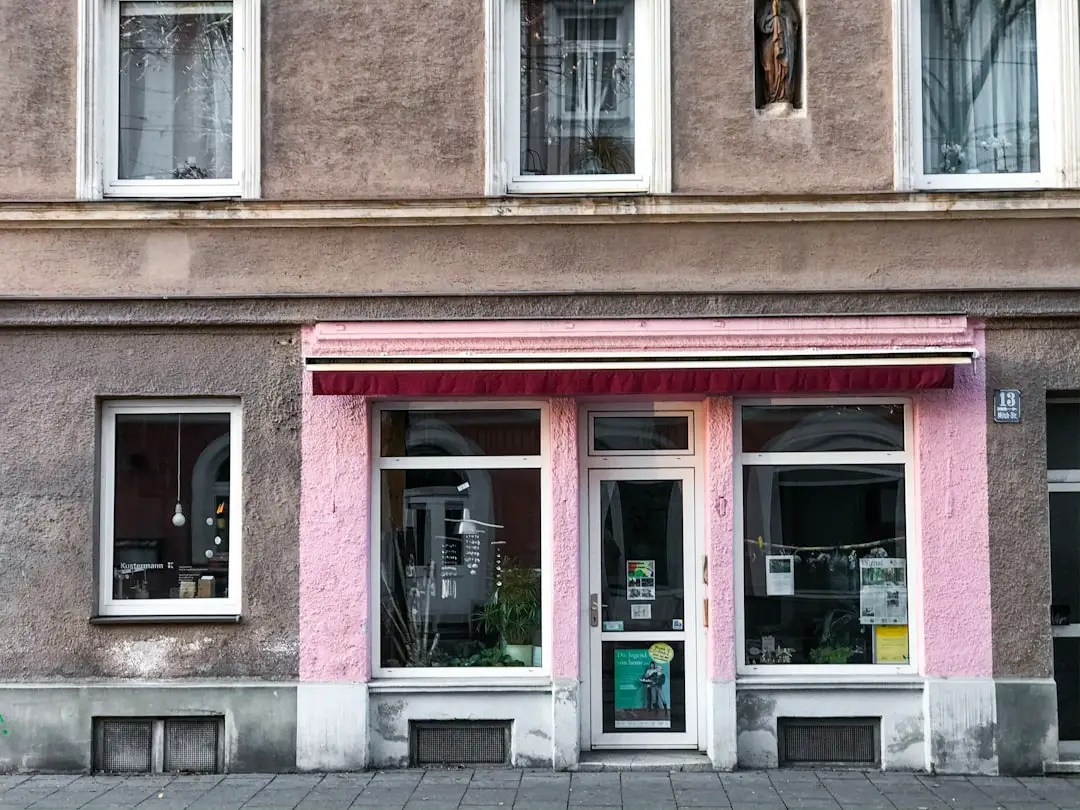
The word motel blends “motor” and “hotel,” reflecting lodging designed around automobile travel. A motel room commonly has an exterior entrance facing a parking area, which lets guests move directly between their vehicle and room. A hotel room more commonly opens into an interior corridor reached through a lobby or another controlled entrance. Merriam-Webster describes these as the usual differences, not absolute requirements.
The line between the two categories can be blurry. Some limited-service hotels have few amenities, while renovated motor lodges may offer stylish rooms, pools, restaurants, and attentive service. The U.S. Census Bureau even groups non-casino hotels and motels together under NAICS industry 721110. For travelers, the property’s actual design, policies, services, and condition are more useful than its label.
Pro Tip: Look at recent exterior, lobby, hallway, parking, and guest-room photos before booking. They usually reveal more about the experience than the property name does.
Hotel vs. Motel at a Glance
| Feature | Hotel | Motel |
|---|---|---|
| Room access | Usually through an interior hallway | Often directly from an exterior walkway or parking area |
| Typical location | City centers, airports, business districts, resorts, and tourist areas | Highways, suburban roads, small towns, and road-trip routes |
| Layout and size | May have several floors and larger shared spaces | Often has a low-rise, vehicle-oriented layout |
| Amenities | May include dining, meeting rooms, a gym, a pool, room service, or concierge help | Often focuses on the room, parking, and a smaller set of services |
| Parking | May be on-site, in a garage, valet-operated, paid, or off-site | Commonly on-site and close to guest rooms |
| Price pattern | Can cost more when broader facilities or prime locations are included | Often budget-oriented, but not always cheaper |
| Often best for | Business trips, events, longer stays, resorts, and amenity-focused travel | Road trips, overnight stops, easy vehicle access, and simple stays |
Location and Property Size
Location can affect a lodging stay as much as the building itself. Hotels are commonly found near downtown attractions, airports, convention centers, beaches, and business districts. These locations can offer easier access to restaurants, entertainment, public transportation, and events. The tradeoff may be higher parking costs, more traffic, or additional street noise.
Motels are often located beside highways or major roads, where travelers can arrive, park, sleep, and continue their trip with little delay. This can make a motel practical for road trips, late arrivals, travelers carrying bulky equipment, or guests who want to keep their vehicle close. A roadside location may provide fewer walkable restaurants and attractions, however.
Building size also influences the experience. A large hotel may have elevators, multiple room categories, meeting facilities, public lounges, and several food options. A smaller motel may offer shorter walks, fewer common areas, and a more direct route from the parking lot to the room. Neither format is automatically better; the right choice depends on how much space and service the traveler expects to use.
A lodging label describes a common format. The property’s current photos, policies, location, and recent reviews describe the stay you are actually booking.
Amenities and Services
Hotels often have more room for shared amenities and staff services. Depending on the property, these may include a staffed lobby, breakfast area, restaurant, bar, fitness center, swimming pool, business center, meeting rooms, luggage storage, room service, concierge assistance, laundry service, or airport transportation.
Those features are not guaranteed. A limited-service hotel may provide little more than a room, a front desk, and basic housekeeping. Some services may also operate only during set hours or require an added fee.
Motels commonly focus on convenient lodging rather than extensive public facilities. A motel may still offer Wi-Fi, breakfast, a pool, laundry machines, pet-friendly rooms, or in-room appliances. Renovated motor lodges and boutique motels can offer amenities and design that equal or exceed those of some hotels.
Before booking either type of property, verify the features that matter to you. Check whether the front desk operates overnight, breakfast is included, the pool is open, housekeeping is available daily, pets are accepted, and the room has the refrigerator, microwave, workspace, or bedding arrangement you need.
Products Worth Considering

100 pack-8 oz:Package includes 100 8 oz. disposable coffee cups,for cold and hot drinks.
DIVERSIFIED HOSPITALITY Amenities, ideally designed and packaged in Tubes for use in Hotel, VACATION RENTAL (Hotel &VRBO), Motel, Bed and Breakfast, Guest Room, and more to provide GREAT LOOKING hospitality service.

Professional Hospitality Solution: Elevate guest experience with thoughtful pre-assembled vanity kits for vacation rentals and hotels
Price and Affordability

Motels are often associated with budget travel because their smaller buildings and limited services may cost less to operate. That does not mean a motel will always be cheaper. A renovated motel in a popular destination can cost more than a limited-service hotel nearby, especially during weekends, festivals, sporting events, or peak travel seasons.
Compare the full cost for the same dates, number of guests, room type, and cancellation conditions. In the United States, the Federal Trade Commission’s Rule on Unfair or Deceptive Fees took effect on May 12, 2025. Covered short-term lodging sellers must prominently disclose a total price that includes mandatory fees. Government-imposed taxes and genuinely optional extras may still be shown separately under the rule.
Review all of the following before paying:
- The displayed room price for the complete stay
- Mandatory destination, resort, service, or facility fees
- Taxes and government charges
- Parking or valet charges
- Pet, extra-person, or rollaway-bed fees
- Breakfast and internet charges
- Security deposits or incidental holds
- Early check-in or late check-out charges
- Cancellation deadlines and nonrefundable-rate restrictions
Warning: A low advertised nightly rate may not be the least expensive option after parking, mandatory fees, breakfast, and cancellation restrictions are considered. Save the confirmation page and read the refund terms before completing the reservation.
A flexible rate may cost more at booking but offer better value when plans could change. A prepaid rate may be cheaper but can become expensive if it cannot be canceled. Compare the amount you may lose, not just the initial discount.
Products Worth Considering

PROTECTIVE HINGED COVER: Features a hinged, hard cover that protects the keys and display when stored, making this handheld calculator durable and easy to carry safely....
Accessibility and Parking
Hotels, motels, inns, and other places of transient lodging are subject to accessibility requirements in the United States. The ADA lodging guidance explains that guests with disabilities must have an equal opportunity to use lodging services and facilities.
Exterior room access does not automatically make a motel accessible, and an elevator does not automatically make every hotel room suitable. Guests should contact the property when specific features are essential and ask detailed questions about:
- Step-free routes from parking and reception to the room
- Accessible parking spaces and loading areas
- Door widths, thresholds, and maneuvering space
- Roll-in showers, tubs, grab bars, and toilet clearances
- Bed height and clear floor space beside the bed
- Visual or audible alarms and communication equipment
- Elevator access to the assigned floor
- Pool lifts or other accessible recreational features
Note: Do not rely only on a booking-site accessibility filter. Contact the property directly, describe the exact feature you need, and ask the staff to record it on the reservation.
Parking is often one of a motel’s strongest practical advantages. Guests may be able to park a few steps from their room, which is useful when unloading luggage or making an early departure. Hotels in dense urban areas may use garages, valet parking, remote lots, or public parking facilities. Fees and access hours can vary.
Travelers with large vehicles should confirm height, length, and trailer restrictions. Electric-vehicle drivers should check the charger type, operating status, price, availability, and whether charging spaces can be reserved. A listing that says “EV charging available” does not necessarily guarantee an open charger on arrival.
Privacy and Security
A hotel with interior corridors may limit entry through a lobby, elevator key system, or staffed entrance. This can reduce casual public access to guest-room floors. A motel allows a guest to move directly between a vehicle and room, but the room door and window may face an outdoor walkway or parking lot.
Neither design guarantees privacy or safety. Security depends on factors such as exterior lighting, door and window locks, camera placement, staff presence, maintenance, fire protection, neighborhood conditions, and how quickly management responds to problems.
Before booking, review recent guest comments for repeated reports of broken locks, poorly lit parking areas, unauthorized visitors, disruptive noise, or unresponsive management. On arrival, confirm that the deadbolt, door latch, windows, smoke alarm, and room phone work. Do not accept a room with a damaged lock or a door that does not close securely.
Warning: The U.S. Fire Administration recommends choosing lodging with hard-wired smoke alarms and automatic sprinklers, reading the room’s evacuation plan, locating the two closest exits, and counting the doors between the room and those exits.
Travelers can consult the U.S. Fire Administration’s hotel and motel fire-safety guidance before a trip. Federal travelers can also search the agency’s National Master List of registered fire-safe properties.
Atmosphere and Ambiance

Natural Light and Open Spaces
Hotels commonly use indoor lobbies, corridors, lounges, and shared facilities to shape the guest experience. Large windows, atriums, landscaped courtyards, and public seating can create a welcoming environment, while windowless corridors and busy elevators may feel less personal.
Motels often place more of the circulation space outdoors. Guests may step directly into fresh air when leaving the room, but weather, traffic noise, exterior lighting, and activity in the parking lot can have a greater effect on comfort.
Location and Exterior Setting
A downtown hotel may feel energetic because it is surrounded by restaurants, nightlife, offices, and public transportation. An airport hotel may focus on convenience and shuttle access. A resort hotel may build its atmosphere around views, recreation, pools, landscaping, or direct beach access.
A highway motel may emphasize quick arrival and departure. A restored motor court may instead use gardens, outdoor seating, vintage architecture, and personalized design to create a destination in its own right. The word “motel” therefore does not always mean plain or outdated.
Interior Design and Noise
Color, lighting, furnishings, bedding, artwork, and room layout affect how comfortable either lodging type feels. Sound is just as important. Interior hotel rooms may be affected by elevators, hallway conversations, connecting doors, or event spaces. Motel rooms may receive noise from vehicles, exterior walkways, nearby roads, or guests entering rooms late at night.
Light sleepers should request a room away from elevators, ice machines, stairwells, entrances, parking-lot gathering areas, highways, and late-night venues. Recent reviews can help identify recurring noise problems.
Target Audience and Travel Needs
Hotels often suit travelers who expect to spend more time at the property or need services beyond the room. Business travelers may value meeting space, a staffed front desk, luggage storage, reliable work areas, on-site dining, and proximity to offices or convention centers. Families may prefer elevators, breakfast, pools, suites, and indoor access between rooms and shared facilities.
Motels often suit drivers who want easy parking, fast room access, and a straightforward overnight stop. They can be practical for road trippers, people transporting equipment, guests making an early departure, or travelers who do not expect to use a lobby, restaurant, fitness center, or conference facility.
These are use cases, not rules about a traveler’s age, income, or lifestyle. Luxury motor lodges, inexpensive hotels, extended-stay properties, airport motels, and small boutique hotels all blur the traditional categories.
How to Choose Between a Hotel and Motel
- Start with the trip purpose. Decide whether you mainly need a convenient room or expect to use dining, meeting, recreation, or business facilities.
- Check the exact location. Measure the real driving, walking, or transit time to the places you plan to visit.
- Compare the total price. Include mandatory fees, taxes, parking, breakfast, pet charges, deposits, and cancellation conditions.
- Study the room-access layout. Decide whether you prefer an interior corridor or direct outdoor access near your vehicle.
- Confirm essential amenities. Verify front-desk hours, elevators, Wi-Fi, breakfast, laundry, pool access, refrigeration, and other necessities.
- Verify accessibility and parking. Ask detailed questions when a specific room feature, parking arrangement, or vehicle clearance is required.
- Read recent reviews. Focus on repeated comments about cleanliness, noise, maintenance, security, staff response, and whether listing photos are accurate.
- Review the cancellation policy. Note the local deadline, refund restrictions, modification rules, and payment schedule before booking.
Pro Tip: Compare two or three individual properties side by side. A well-reviewed motel may fit your trip better than a poorly located hotel, and a limited-service hotel may cost less than a popular motel.
Products Worth Considering

Overall Experience and Customer Satisfaction
The quality of a stay depends more on the individual property than on its category. Clean rooms, accurate listings, comfortable beds, working equipment, responsive staff, reliable reservations, and transparent charges matter at both hotels and motels.
Use recent reviews to look for patterns rather than judging the property by one unusually positive or negative comment. Give extra weight to repeated observations about cleanliness, noise, maintenance, parking, water pressure, heating or air conditioning, staff response, and billing problems. Compare guest photos with the property’s promotional images when possible.
A positive experience also begins before arrival. Clear confirmation details, responsive communication, accurate directions, and honest policies reduce surprises. After check-in, prompt handling of maintenance or room-assignment issues can matter more than the number of advertised amenities.
Travelers preparing for a work trip may also find this guide to the best lightweight laptop for travel useful when planning what to carry.
Frequently Asked Questions
What is the main difference between a hotel and a motel?
The main difference is usually the building layout and its relationship to parking. Hotel rooms commonly open into an interior hallway, while motel rooms often open directly to an exterior walkway or parking area. These are typical patterns, not universal rules.
What amenities are commonly found in a hotel?
A hotel may offer a lobby, staffed front desk, restaurant, breakfast area, fitness center, pool, meeting rooms, luggage storage, room service, concierge assistance, or laundry service. The available amenities depend on whether the property is full-service, select-service, or limited-service.
What amenities are commonly found in a motel?
Motels often concentrate on convenient rooms and nearby parking. Depending on the property, they may also offer Wi-Fi, breakfast, a pool, vending machines, laundry facilities, pet-friendly rooms, refrigerators, or microwaves. None of these features is guaranteed.
Is a motel always cheaper than a hotel?
No. Motels are often budget-oriented, but location, travel dates, demand, property condition, room type, parking charges, and mandatory fees can reverse the usual price pattern. Compare the total price for the same stay dates and cancellation terms.
Are hotels safer than motels?
Not automatically. Interior corridors and controlled entrances may reduce public access, but safety depends on the individual property’s locks, lighting, fire protection, staffing, maintenance, surroundings, and management practices. Review current guest feedback and inspect the room after arrival.
Do all motels have exterior room doors?
No. Exterior room access is a traditional motel feature, but some motels have interior corridors or a mixture of interior and exterior entrances. Check the property map and recent photos when room-access design matters to you.
Is a hotel or motel better for families?
The better choice depends on the family’s needs. A hotel may offer suites, breakfast, elevators, indoor corridors, pools, and on-site dining. A motel may provide easier unloading, nearby parking, and a lower total cost. Check room occupancy limits, bed types, connecting-room policies, and child-related fees.
Can both hotels and motels provide accessible rooms?
Yes. Both types of lodging may provide accessible rooms and facilities. Guests should confirm the exact features they need, such as step-free access, an accessible parking space, a roll-in shower, grab bars, visual alarms, elevator access, or clear space beside the bed.
Sources
- Merriam-Webster: What Is the Difference Between a Motel and a Hotel? — supports the common room-access distinction and the origin of the word “motel.”
- U.S. Census Bureau: NAICS Sector 72 — identifies hotels and motels together under lodging industry 721110.
- Federal Trade Commission: Rule on Unfair or Deceptive Fees FAQ — explains total-price disclosure requirements for short-term lodging.
- ADA.gov: Guide for Places of Lodging — supports accessibility guidance for hotels, motels, and other transient lodging.
- U.S. Fire Administration: Hotel and Vacation Rental Fire Safety — supports smoke-alarm, sprinkler, and evacuation advice.
