
Last Updated on July 31, 2026 by Daniel Globe
People often call the Stanley Hotel “the hotel from The Shining,” but that description blends together Stephen King’s novel, Stanley Kubrick’s movie, and a later television adaptation. The Stanley Hotel inspired King’s fictional Overlook Hotel, while the 1980 film used a different real hotel for its exterior and studio-built sets for most interiors.
Quick Answer
The Stanley Hotel in Estes Park inspired Stephen King’s 1977 novel, but it was not the main filming location for Stanley Kubrick’s 1980 movie. Kubrick used Timberline Lodge in Oregon for exterior shots and built the interiors at Elstree Studios in England. The Stanley later portrayed the Overlook in the 1997 miniseries.
Key Takeaways
- The Overlook Hotel is fictional; no single real property is “the” hotel in every version of The Shining.
- The Stanley Hotel inspired Stephen King after he and Tabitha King stayed there in 1974.
- Timberline Lodge supplied the Overlook’s exterior establishing shots in Stanley Kubrick’s 1980 film.
- The movie’s main interior spaces were large sets built at Elstree Studios in England.
- The Stanley Hotel was used as the Overlook in Stephen King’s 1997 television miniseries.
Disclosure: As an Amazon Associate I earn from qualifying purchases. Some links on this page are affiliate links, at no extra cost to you.
Which Hotel Is the Hotel From The Shining?
The answer depends on whether you mean the novel, the 1980 movie, or the 1997 miniseries. The fictional Overlook Hotel was assembled from different inspirations and filming locations.
| Version or role | Hotel or location |
| Stephen King’s novel | The Stanley Hotel in Estes Park, Colorado, inspired the fictional Overlook Hotel. |
| 1980 movie exterior | Timberline Lodge on Mount Hood, Oregon, appears in the Overlook’s exterior establishing shots. |
| 1980 movie interiors | The main interiors were sets built at Elstree Studios in Hertfordshire, England. |
| 1997 television miniseries | The Stanley Hotel portrayed the Overlook on screen. |
The Stanley inspired the story, Timberline supplied the famous movie exterior, and the Overlook itself remains fictional.
The History of the Stanley Hotel
Freelan Oscar Stanley, an inventor best known for the Stanley Steamer automobile, came to Colorado in the early 1900s while suffering from tuberculosis. The mountain climate helped his health, and he returned to Estes Park. He later developed a grand resort that could offer the level of comfort expected by wealthy travelers from the East Coast.
Construction began in 1907, and the Stanley Hotel opened on June 23, 1909. The property offered unusually modern comforts for its time, including electricity, telephones, private bathrooms, and automobile transportation. Stanley also invested in roads, water, and electric service that supported the growth of Estes Park.
The National Register of Historic Places documentation describes the hotel as an important early Colorado mountain resort and credits it with helping expand tourism in the Estes Park area.
The Inspiration for Stephen King’s The Shining
Stephen King and his wife, Tabitha, stayed at the Stanley Hotel in late September 1974, just before the property closed for the season. King later wrote that they were the only guests and that the empty corridors seemed like an ideal setting for a ghost story.
According to King’s own account, he dreamed that his young son was running through the hotel’s corridors while being chased by a fire hose. After waking, King sat looking toward the Rocky Mountains and developed the basic framework of the novel. This documented account is different from the often-repeated claim that he dreamed of a river of blood.
The Kings stayed in room 217, which became the haunted room number in the novel. The Stanley now promotes room 217 as part of its literary history, although availability is limited and ordinary hotel tours do not enter occupied guest rooms.
The Ghostly Legends and Hauntings at the Stanley Hotel
The Stanley Hotel has built a worldwide reputation around ghost stories, guest reports, and local folklore. Stories often connect F.O. Stanley with the billiard room and public areas, while other tales describe piano music associated with his wife, Flora. Visitors have also reported cold spots, footsteps, voices, or moving objects.
These accounts are part of the hotel’s cultural identity, but they are not verified historical events or scientific evidence of paranormal activity. The most accurate approach is to present them as legends and personal experiences rather than established facts.
Note: The Stanley’s ghost stories are entertainment and folklore. Stephen King’s documented inspiration was the hotel’s empty atmosphere and a disturbing dream—not a confirmed paranormal encounter.
The Architecture and Design of the Stanley Hotel
| Aspect | Verified detail |
| Opening year | 1909 |
| Builder and probable designer | F.O. Stanley, according to National Register documentation |
| Architectural character | Georgian Revival and classical revival elements |
| Key exterior features | Four-story frame construction, an H-shaped plan, a hipped roof, a central cupola, dormers, porches, and strong symmetry |
| Historic district | The 1985 National Register district nomination documented 12 buildings and associated land |
The Stanley’s white exterior, red roof, long porches, cupola, and balanced façade create a formal contrast with the rugged mountain setting. National Register records describe the complex as a rare group of classical revival buildings in the Mountain West.
Inside, the public spaces continue the property’s historic character through classical details, broad corridors, gathering rooms, and a grand staircase. The hotel has been altered and restored over time, so claims that every furnishing or decorative feature is original should be treated cautiously.
The Impact of The Shining on the Stanley Hotel
King’s novel gave the Stanley Hotel a lasting place in horror history. Kubrick’s 1980 adaptation expanded public interest in the story, even though his film did not use the Stanley as the Overlook’s exterior or main interior location.
The connection became more direct in 1997, when Stephen King’s television miniseries used the Stanley Hotel as the Overlook. Today, the property openly interprets the differences among the novel, Kubrick’s movie, and the miniseries through tours and themed experiences.
This distinction matters for visitors: the Stanley is the literary inspiration and a later filming site, while Timberline Lodge is the recognizable exterior seen in Kubrick’s movie.
The Haunted Tours and Events at the Stanley Hotel
As of July 2026, the Stanley offers several guided experiences, including a Historic Day Tour, a Historic Night Tour, and a theatrical The Shining Tour. The Shining tour compares the novel, Kubrick’s film, and the 1997 miniseries rather than claiming that the 1980 movie was filmed at the hotel.
The hotel’s current tour policies say tours are generally limited to guests age eight and older, advance booking is recommended, routes can include stairs and outdoor areas, and guest rooms are not part of the tour. Schedules, prices, parking rules, and accessibility details can change, so visitors should verify them before traveling.
Pro Tip: Book the exact experience you want before arriving. A history tour, a night folklore tour, and The Shining tour cover different material, and none guarantees access to room 217 or another occupied guest room.
Products Worth Considering


The Famous Guests and Visitors of the Stanley Hotel
Stephen King is the visitor most closely tied to the hotel’s modern identity, but the Stanley welcomed prominent guests long before The Shining. The National Register nomination notes that many early guest records were lost, then lists figures including Theodore Roosevelt, John Philip Sousa, Margaret “Molly” Brown, Enrico Caruso, George Eastman, Joan Baez, and Bob Dylan.
That official record supports Roosevelt’s connection to the property, but it does not confirm the article’s earlier claim that he visited specifically in 1915 while on a Colorado hunting trip. Likewise, celebrity stories should not be presented with exact dates or circumstances unless a primary record supports them.
Can You Visit the Real Hotels Connected With The Shining?
Products Worth Considering

Horror Supernatural design. The Shining Overlook is 100% authentic, officially licensed Warner Bros. merchandise!

Poster measures 12x18 inches (31x46 cm) and ideal size for any standard 12x18 frame. Low-glare paper minimizes reflections and creates photo quality poster art for your home decor. All poster prints are carefully rolled and packed.

Horror Movie Merchandise design. The Shining Overlook Hotel Maze is 100% authentic, officially licensed Warner Bros. merchandise!
Visiting the Stanley Hotel in Colorado
Yes. The Stanley is an operating resort in Estes Park with rooms, dining, events, and guided tours. Fans can stay on the property and learn about King’s visit, the hotel’s history, its folklore, and the 1997 miniseries. A regular tour ticket does not include entry into guest rooms.
Visiting Timberline Lodge in Oregon
Yes. Timberline Lodge is an operating mountain lodge on Mount Hood. Visitors can see the real exterior used for the Overlook’s establishing shots, but the building’s interior does not match Kubrick’s movie sets.
Visiting the 1980 Movie Interiors
No complete real-world hotel contains Kubrick’s lobby, corridors, Gold Room, and other main interiors. Those spaces were constructed as sets at Elstree Studios in England, and their layout was designed for the film rather than copied from Timberline Lodge or the Stanley Hotel.
Warning: Do not plan a trip expecting the Stanley Hotel’s interior to match Kubrick’s Overlook. The Stanley inspired the novel, but the movie’s familiar interior spaces were studio sets.
The Future of the Stanley Hotel
The hotel is entering a major period of expansion and cultural development. According to the Colorado Educational and Cultural Facilities Authority, the Stanley campus is now operated through the Stanley Partnership for Art, Culture and Education, with preservation, hospitality, film, and arts programming at the center of the project.
Plans include 64 additional hotel rooms, expanded guest facilities, and a large event center with a theater and a horror-focused experience curated by Blumhouse. The project schedule published by CECFA targets hotel expansion through summer 2028 and event-center completion by the end of 2028. The hotel is expected to remain open during construction, but timelines and access conditions may change.
The new development extends the same pattern that has shaped the Stanley for more than a century: historic preservation paired with changing visitor interests. Its identity now rests on several layers at once—a landmark Colorado resort, the inspiration for a major novel, a center of paranormal folklore, and a destination for film and cultural events.
Products Worth Considering
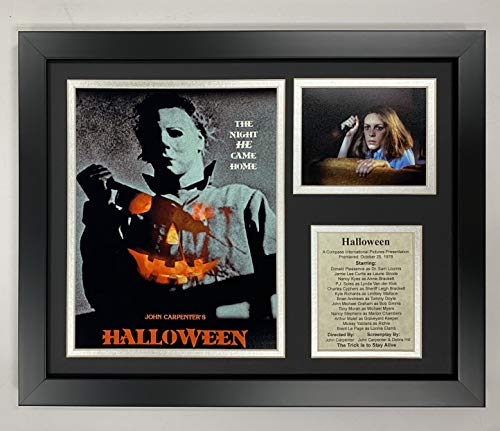
LEGENDARY QUALITY: This professionally joined, black lacquered frame comes with (1) 8" x 10" photo, (1) 3" x 5" photo and (1) biography mounted on bevel-cut double-matting under glass – and can be easily hung with wire.


GIFT FOR MOVIE FANS: The greatest gift for any fan of the classic horror film "The Shining".
Frequently Asked Questions
What is the hotel in The Shining?
The Overlook Hotel is fictional. The Stanley Hotel inspired Stephen King’s novel, Timberline Lodge supplied exterior shots for the 1980 movie, and studio sets at Elstree Studios supplied most movie interiors.
Was the 1980 movie filmed at the Stanley Hotel?
No. Stanley Kubrick’s movie used Timberline Lodge for exterior establishing shots and Elstree Studios in England for the main interior sets. The Stanley Hotel was used in Stephen King’s 1997 television miniseries.
Did Stephen King stay in room 217?
Yes. King and his wife stayed in room 217 during their 1974 visit. Room 217 became an important location in the novel, while Kubrick changed the haunted room number to 237 for the movie.
What did Stephen King dream about at the Stanley Hotel?
King said he dreamed that his three-year-old son was running through the corridors while being chased by a fire hose. The common claim that he dreamed of a river of blood is not supported by King’s published account.
Is the Stanley Hotel really haunted?
The hotel is famous for ghost stories and personal reports, but haunting claims cannot be verified as historical or scientific fact. They are best understood as folklore, guest experiences, and part of the property’s entertainment identity.
Can you visit both the Stanley Hotel and Timberline Lodge?
Yes. Both are operating hotels open to visitors, but they are in different states. The Stanley is in Estes Park, Colorado, and Timberline Lodge is on Mount Hood in Oregon.
Sources
- National Register of Historic Places: Stanley Hotel District nomination — opening, architecture, historic significance, development of Estes Park, and documented guests.
- Stephen King: The Shining inspiration — King’s first-person account of the 1974 stay and his fire-hose dream.
- American Film Institute: The Shining — Elstree Studios interiors and Timberline Lodge exterior shots.
- The Stanley Hotel: official tour information — current tours, restrictions, access, and visitor policies.
- Timberline Lodge: official lodge information — current status as an operating historic mountain lodge.
- Colorado Educational and Cultural Facilities Authority: Stanley Hotel project — ownership structure, preservation plans, expansion, and published construction timeline.
