

Last Updated on July 25, 2026 by Daniel Globe
Hotels do not rely on one universal pillow. Most properties choose a practical mix of feather-and-down, down-alternative fiber, and sometimes foam pillows so guests can select a softer or firmer feel. The “hotel pillow” experience usually comes from the full setup: balanced loft, durable construction, a smooth cotton cover, a protective encasement, and several pillows on the bed.
Quick Answer
Hotels commonly use feather-and-down chamber pillows and polyester or microfiber down-alternative pillows. Luxury brands often favor a supportive feather core with a softer down outer layer, while down-alternative options are popular for easy care and feather-free rooms. Many hotels also offer different firmness levels rather than one pillow for every guest.
Key Takeaways
- The most common hotel pillow fills are feather-and-down blends and down-alternative polyester or microfiber.
- Chamber construction can combine a supportive feather core with a softer down outer layer.
- Firmness and loft matter as much as the fill, especially when matching a pillow to a sleep position.
- “Hypoallergenic” does not mean allergen-free; pillow protectors and proper washing still matter.
- There is no universal hotel fill-power standard, cleaning schedule, or replacement interval.
Disclosure: As an Amazon Associate I earn from qualifying purchases. Some links on this page are affiliate links, at no extra cost to you.
What Types of Pillows Do Hotels Use?
Hotel pillow programs vary by chain, property, room category, and region. However, official hotel bedding collections show several recurring choices. Marriott sells feather-and-down chamber pillows with a feather core and down outer chamber, as well as down-alternative pillows. Westin also offers feather-and-down, pure down, and soft or firm down-alternative options. This supports a simple answer: hotels usually use a selection rather than a single pillow type.
| Hotel Pillow Type | Typical Feel | Why Hotels Use It | Main Trade-Off |
|---|---|---|---|
| Feather-and-down chamber | Soft outer feel with a more supportive center | Balances plushness, loft, and shape retention | Needs fluffing and may not suit guests avoiding animal fill |
| Down alternative | Soft to medium, depending on fill weight | Feather-free, widely available, and often easier to maintain | Lower-quality fiber can flatten or clump sooner |
| Pure down | Very soft, light, and compressible | Creates a premium, cloud-like feel | May feel too soft for sleepers who need more height |
| Memory foam or specialty foam | Contoured and less compressible | Provides a distinct support option on request or in specialty rooms | Can feel warmer, heavier, or less “fluffy” |
Official Marriott product listings show common hotel-collection dimensions of about 20 by 26 inches for standard, 20 by 30 inches for queen, and 20 by 36 inches for king. Actual guest-room specifications can differ, so the property or brand store is the best source when you want an exact match.
Pro Tip: When you love a hotel pillow, photograph the law label or ask the front desk for the manufacturer, fill, firmness, and product name. The hotel brand alone may not identify the exact pillow because specifications can vary by property and region.
Why Hotel Pillows Feel So Comfortable
The filling is only part of the experience. Hotels often create a more comfortable bed by combining several design and presentation choices:
- Layered construction: A chamber pillow can place firmer feathers in the center and softer down around them, reducing the flat, unsupported feel of an all-soft pillow.
- Different firmness choices: Soft and firm options let more guests find a workable height and level of support.
- Smooth, tightly woven covers: Cotton covers improve the surface feel and help contain fine fill.
- Pillow protectors: A zippered protector adds a washable barrier between the pillow and pillowcase.
- Multiple pillows: Guests can use one pillow, combine two, or place one between the knees without needing a single pillow to do every job.
- Regular inspection: Pillows that become lumpy, stained, damaged, or permanently flat can be removed from service.
Common Pillow Fillings and Materials
Pillow materials differ in loft, firmness, airflow, washability, weight, and price. Down and feather blends are strongly associated with luxury hotels, while polyester down alternative is common where a feather-free, practical option is needed. Memory foam, latex, wool, cotton, and buckwheat can also provide useful alternatives, but they are less representative of the classic fluffy hotel-pillow feel.
Down Pillows: Luxury and Comfort

Down is the soft undercoating found beneath the outer feathers of ducks or geese. A high-down pillow is lightweight, compressible, and easy to shape. It can feel luxurious, but its softness does not automatically provide enough height for every sleeper.
Many hotel-branded pillows use a feather-and-down blend instead of pure down. Feathers add structure, while down adds softness. Chamber construction takes this idea further by placing a supportive feather core inside a softer down layer. The Marriott Hotels Feather & Down Pillow, for example, lists a feather inner chamber, a down outer chamber, a cotton cover, and medium support. The Westin Feather & Down Pillow is another official hotel-branded blend.
Down and feather pillows usually benefit from regular fluffing and complete drying after washing. Always follow the product’s care label because some are machine washable, while others require more limited cleaning. Shoppers concerned about animal welfare can also look for credible third-party sourcing certifications rather than relying on broad marketing language.
Memory Foam Pillows: Support and Pressure Relief
| Memory Foam Feature | What It Means for Sleepers |
|---|---|
| Material | Viscoelastic polyurethane foam that slowly responds to heat and pressure |
| Support | Can hold a more consistent shape than loose fiber or down |
| Pressure distribution | Contours around the head and neck, although comfort depends on height and firmness |
| Heat | Some sleepers find solid foam warmer than loose-fill pillows |
| Care | The foam core is commonly spot-cleaned rather than machine washed; check the label |
Memory foam was developed by NASA-funded researchers for improved aircraft-seat cushioning and impact protection. Its slow-response structure later moved into mattresses, pillows, and many other consumer products. NASA describes the material as conforming to the body and returning to its original shape after pressure is removed.
A memory foam pillow may suit someone who prefers a stable, contoured surface. However, it is not automatically better for neck pain, and a shape that works for one sleeper may be too high, low, firm, or warm for another. Cooling gel, ventilation holes, and shredded foam can change the feel, but these features do not guarantee a cool night.
Polyester Pillows: Affordable and Feather-Free
Polyester pillows use synthetic fibers, often designed to imitate the softness and loft of down. Hotels may use down-alternative pillows because they are widely available, can be produced in different firmness levels, and avoid animal fill. They are also a practical option for feather-free rooms or guests who prefer synthetic bedding.
Polyester is sometimes marketed as hypoallergenic, but no pillow should be assumed to be allergen-free. Dust mites and other allergens can build up in bedding regardless of the fill. The American Academy of Allergy, Asthma & Immunology recommends allergen-proof pillow covers and regular hot-water washing of washable bedding for people managing dust-mite exposure.
Quality varies. A well-made down-alternative pillow may stay evenly filled for a reasonable period, while a cheaper fiber pillow may flatten or form lumps. Check the fill weight, stitching, care label, and return policy instead of choosing by the word “hotel” alone.
The Benefits of Natural and Organic Pillow Fillings
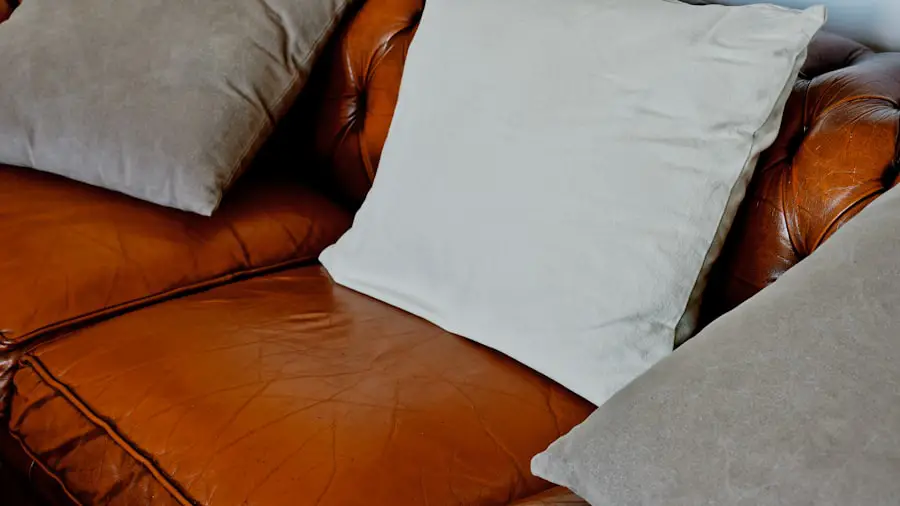
Natural pillow materials include down, feathers, wool, natural latex, cotton, and buckwheat hulls. They can appeal to shoppers who prefer renewable materials or a particular feel. Wool can feel springy and manage moisture well, natural latex is resilient and buoyant, and buckwheat hulls create a firm, adjustable pillow with noticeable movement and sound.
The words “natural,” “organic,” and “eco-friendly” are not interchangeable. A pillow may have an organic cotton cover but a synthetic fill, or it may use natural latex without being certified organic. Read the full materials label and look for credible independent certification that applies to the specific component being advertised.
These fills are not standard across most hotel rooms. They are better viewed as specialty alternatives for home use or selected properties rather than the default answer to what pillows hotels use.
How Firm Are Hotel Pillows?
There is no universal hotel firmness. Official hotel stores sell soft, medium, and firm products, which reflects the wide range of guest preferences. Firmness also depends on more than the label: fill weight, chamber design, pillow height, sleeper body size, mattress softness, and how much the material compresses all change the final feel.
Down and feather pillows often feel softer as the fill shifts and compresses. Dense down-alternative pillows can feel medium or firm. Solid foam usually holds its shape more consistently. For a home setup, buying two different firmness levels is often more useful than buying four identical pillows.
Finding the Right Pillow for Your Sleeping Position
The goal is not to force the neck perfectly straight in every moment. It is to choose a pillow height and firmness that keep the head reasonably supported without bending the neck sharply upward, downward, or sideways.
- Side sleepers: Usually need enough loft to fill the space between the shoulder and head. A firmer or higher pillow may work, but mattress softness and shoulder width affect the required height.
- Back sleepers: Often do well with medium loft that supports the neck without pushing the chin toward the chest.
- Stomach sleepers: Commonly prefer a thin, soft pillow, or no head pillow, because excessive height can rotate and extend the neck.
- Combination sleepers: May prefer an adjustable-fill pillow or a responsive medium-loft option that can be reshaped.
Pillow height can change pressure and cervical alignment, but research does not establish one ideal height for every person. Body shape, sleep position, mattress firmness, and personal comfort all matter.
Warning: A pillow may improve comfort, but it should not replace medical care. Seek professional advice for persistent neck pain, numbness, weakness, severe headaches, loud snoring, witnessed breathing pauses, or major daytime sleepiness. A standard pillow is not a treatment for obstructive sleep apnea. The National Heart, Lung, and Blood Institute notes that side sleeping may help some patients, but treatment should be based on a medical evaluation.
How to Recreate the Hotel Pillow Feel at Home
- Choose the feel first. Pick plush feather-and-down, easy-care down alternative, or stable foam based on what you actually enjoyed.
- Use two firmness levels. A soft pillow plus a medium or firm pillow gives you more flexibility than matching pillows.
- Match the loft to your position. Do not buy an extra-thick pillow only because it looks full on a hotel bed.
- Add zippered protectors. Protectors help manage dust, moisture, and routine washing without changing the pillow itself as often.
- Use correctly sized pillowcases. A case that is too small can make a pillow feel firmer; an oversized case can look loose and untidy.
- Fluff loose-fill pillows. Redistribute down, feathers, or fiber after sleep and after drying.
- Verify the exact hotel product. Buy from an official hotel store or confirm the manufacturer and model with the property.
Tips for Maintaining and Extending the Lifespan of Your Hotel Pillow
Pillow care depends on the fill and construction, so the sewn-in care label should take priority over general advice. A practical routine includes the following:
- Use a pillowcase plus a zippered protector.
- Wash pillowcases regularly and wash the protector according to its label.
- Wash the pillow only when the manufacturer permits it.
- Use a gentle detergent and avoid overloading the washer.
- Dry washable down, feather, and fiber pillows completely to reduce odor, clumping, and moisture buildup.
- Do not machine wash a solid foam core unless the manufacturer specifically allows it.
- Fluff loose-fill pillows and rotate their position on the bed.
- Replace a pillow when it remains flat, lumpy, damaged, stained, or uncomfortable after proper cleaning and fluffing.
Note: Hotels do not follow one public replacement schedule. Usage, laundering, material quality, property standards, and visible wear determine when a pillow should be removed from service.
More Travel Comfort Guides
If you want to improve comfort beyond the hotel bed, see 5 Wired Noise Cancelling Earbuds Perfect for Your Next Flight. You can also browse more travel advice at taketravelinfo.com or prepare for a winter trip with the Best Ski Travel Bag guide.
Sources
- Marriott Bonvoy Boutiques Pillow Collection — examples of down, feather-and-down, and down-alternative hotel pillows.
- Westin Feather & Down Pillow — official hotel-brand fill, cover, sizing, and care details.
- NASA: Memory Foam — origin of memory foam as aircraft-seat cushioning technology.
- PeerJ study on pillow height and cervical alignment — evidence that pillow height changes pressure and neck alignment.
- National Heart, Lung, and Blood Institute: Sleep Apnea Treatment — medical guidance on side sleeping and established treatment options.
- American Academy of Allergy, Asthma & Immunology: Indoor Allergens — dust-mite control, pillow encasements, and bedding care.
Frequently Asked Questions
What type of pillows do hotels use?
Hotels commonly use feather-and-down blends, chamber pillows, and polyester or microfiber down-alternative pillows. Some properties also provide memory foam or specialty pillows. The exact mix varies by brand, property, room type, and region.
What is the fill power of hotel pillows?
There is no universal hotel fill-power range. Fill power measures the loft of down, so it applies mainly to down products, not polyester, memory foam, or feather-heavy blends. Many official hotel pillow listings emphasize chamber design, fill blend, and firmness without publishing fill power.
Are hotel pillows hypoallergenic?
Some hotel pillows are marketed as hypoallergenic or use feather-free down-alternative fill, but that does not mean they are allergen-free. Dust mites can live in bedding of many materials. An allergen-proof protector and proper washing are important for people with sensitivities.
How do hotels maintain the quality of their pillows?
Practices vary, but useful measures include pillow protectors, laundering according to the product label, complete drying, regular fluffing, and inspection for stains, damage, lumps, or permanent flattening. There is no single replacement schedule used by every hotel.
Can guests purchase the same pillows used in hotels?
Yes. Several hotel brands sell pillows through official online stores. Confirm the exact property, model, fill, and firmness before ordering because a chain may use different products across brands or locations.
Why do hotel pillows feel so soft and full?
The effect often comes from a combination of generous fill, chamber construction, smooth cotton covers, protective encasements, regular fluffing, and multiple pillows arranged together. A pillow can look very full while still compressing significantly under the head.
Do hotels use memory foam pillows?
Some hotels offer memory foam or other specialty pillows, but foam is not the only standard. The classic fluffy hotel feel is more commonly associated with feather-and-down or down-alternative loose fill.
Which hotel pillow firmness is best?
The best firmness depends on sleep position, shoulder width, body size, mattress softness, and personal comfort. Side sleepers often need more loft, back sleepers usually need moderate loft, and stomach sleepers commonly prefer a thinner, softer pillow.
