
Last Updated on July 25, 2026 by Daniel Globe
Bed bugs (Cimex lectularius) are small, nocturnal, blood-feeding insects whose resurgence across hotel rooms, public transit, and residential properties makes them one of the most frustrating travel hazards worldwide. Their ability to squeeze into microscopic crevices makes detection difficult until an infestation takes hold. While bed bugs do not transmit infectious diseases, their bites cause severe itching, anxiety, and sleep loss. Learning how to conduct a hotel bed bug inspection and protect your luggage can ensure a safe, pest-free trip.
Quick Answer
To check a hotel room for bed bugs, immediately place your luggage in the bathroom bathtub or on a hard tile floor. Pull back mattress linens to inspect seams, box spring corners, and headboards for live insects, translucent cast skins, or dark rust-like fecal spots. If signs are detected, inform management immediately and request a room at least two floors away.
Key Takeaways
- Inspect Before Unpacking: Keep luggage in the bathtub or elevated on hard surfaces until you examine the mattress, headboard, and furniture seams.
- Identify Key Indicators: Look for reddish-brown bugs (4–5 mm), dark fecal dots that bleed like a marker on fabric, shed skins, and blood smears on sheets.
- Relocate Strategically: If bugs are found, move to a new room that does not share adjacent walls, floors, or ceilings with the infested unit.
- Heat-Treat Belongings: Tumble dry suspect travel clothes on high heat (above 120°F / 49°C) for 30–45 minutes to destroy all life stages, including eggs.
At a Glance: Hotel Room Inspection Protocol
| Time Required | 5 to 10 minutes upon entry |
| Difficulty | Easy (Visual inspection) |
| Tools Needed | Smartphone flashlight, rigid card (credit card or room key) |
| Safe Staging Zone | Bathroom bathtub or elevated metal luggage rack |
Precautionary Measures for Travelers
Travelers are particularly vulnerable to bed bugs due to the constant turnover in hotels, motels, and vacation rentals. These persistent pests easily hitch rides on suitcase fabric, coat hems, and backpack straps. According to the U.S. Environmental Protection Agency (EPA), taking defensive steps prior to unpacking is the single most effective way to avoid bringing insects home.
Researching accommodations before booking provides crucial early insights. Travel review platforms and specialized pest registries often record guest reports of past infestations. When packing, encase soft luggage in protective covers or select hard-shell suitcases, which offer fewer fabric seams for bed bugs to cling to.
Pro Tip — The S.L.E.E.P. Method: Hospitality industry experts recommend using the S.L.E.E.P. protocol upon arrival: Survey the room for signs, Lift sheets and inspect seams, Elevate luggage off the floor, Examine fine crevices with a flashlight, and Place all bags away from beds and upholstered couches.
Upon entering your hotel room, keep your bags off carpeted floors and away from upholstered furniture. Staging luggage in the bathroom bathtub or on a folding metal rack keeps your belongings isolated while you conduct a thorough check.
How to Inspect Your Hotel Room for Bed Bugs
Never unpack clothing or lie on the bed before inspecting the room. Bed bugs avoid light and stay hidden during daylight hours, so you must physically check their preferred harborage points. Turn on room lights and activate your smartphone flashlight.
Begin with the bed. Strip back the fitted sheet, mattress pad, and duvet. Slide a plastic credit card along the piping, seams, and corner folds of the mattress. Examine the box spring, paying close attention to plastic corner guards and the felt dust cover underneath.
Warning: Check behind the headboard mounted to the wall. Bed bugs frequently cluster on the backside of wooden headboards, behind picture frames hanging above the bed, and inside nightstand drawers closest to the mattress.
Extend your check to nearby furniture. Inspect the piping of upholstered armchairs, desk chair cushions, baseboard crevices, and electrical outlet plates adjacent to sleeping areas.
Products Worth Considering
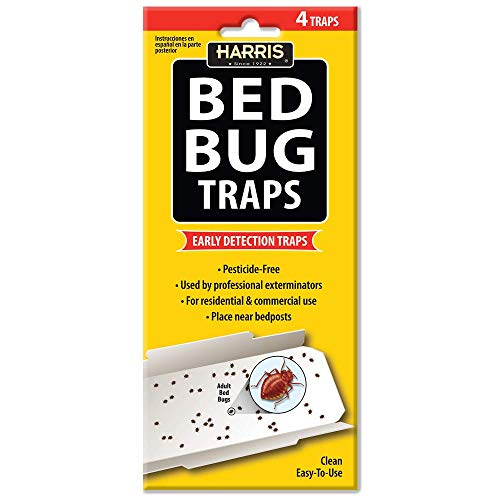
Natural Product. Easy to Use - Simply fold the trap and insert the tab at the top to hold it together
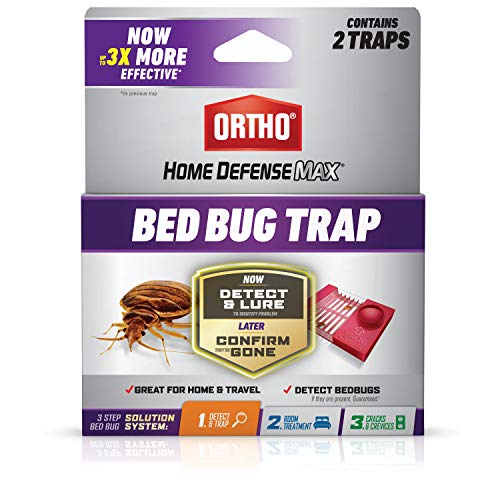
DETECT & TRAP BED BUGS: Detect and lure bed bugs from their hiding places with Ortho Home Defense Bed Bug Traps

Travel Size & TSA Approved Bed Bug Spray: Hygea Natural's TSA approved travel size bed bug spray fits any bag for hotel stays. Perfect bed bug spray for travel and luggage protection wherever you go
Signs of Bed Bug Infestation
| Physical Indicator | Visual Appearance & Characteristics |
|---|---|
| Blood Smears | Small red or rust-colored stains on sheets or pillowcases caused by accidentally crushing bugs after feeding. |
| Fecal Excrement | Tiny dark specks (1–2 mm) that bleed into fabric fibers like a felt-tip marker. |
| Shed Exoskeletons | Translucent, amber-colored molted skins shed by growing nymphs across 5 developmental stages. |
| Eggs & Eggshells | Tiny, pinhead-sized (1 mm) pearly-white eggs stuck to dark crevices in small clusters. |
| Pheromone Odor | A sweet, musty, almond- or coriander-like scent emitted by alarm pheromones in heavy infestations. |
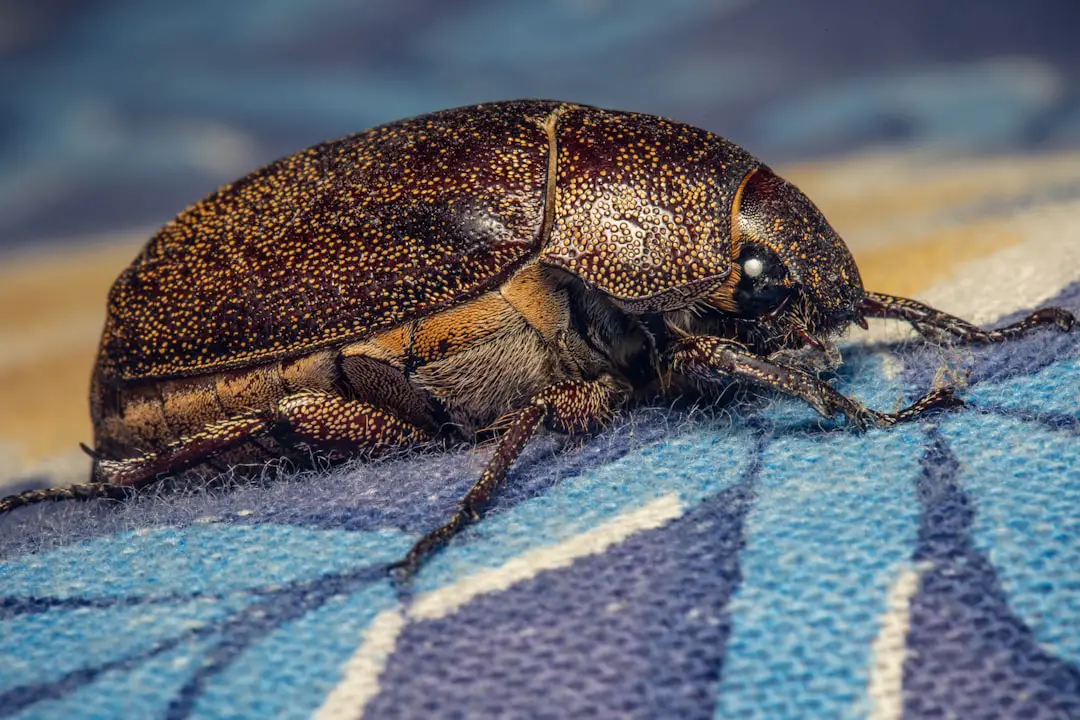
Recognizing these visual markers allows early identification before insects migrate into your luggage. Live adult bed bugs are reddish-brown, oval-shaped, flattened, and approximately the size of an apple seed (4–5 mm long). After blood feeding, their bodies swell, elongate, and turn a darker red-brown color.
What to Do if You Find Bed Bugs in Your Hotel Room
If you discover live bugs, fecal spots, or cast skins during your inspection, remain calm and take immediate action to isolate your gear:
- Do Not Settle In: Immediately pick up your luggage from the room staging area. Avoid setting bags on carpet or upholstered chairs.
- Document Evidence: Take clear photographs and videos of the bugs, fecal spots, or mattress seams on your smartphone for verification.
- Notify Front Desk Immediately: Inform hotel management of your findings calmly and show them your visual evidence.
- Request a Room Buffer: Ask to be moved to a clean room located at least two floors away. Bed bugs readily travel along electrical conduits and plumbing lines into adjacent rooms, as well as rooms directly above and below the infestation.
How to Protect Your Belongings from Bed Bugs
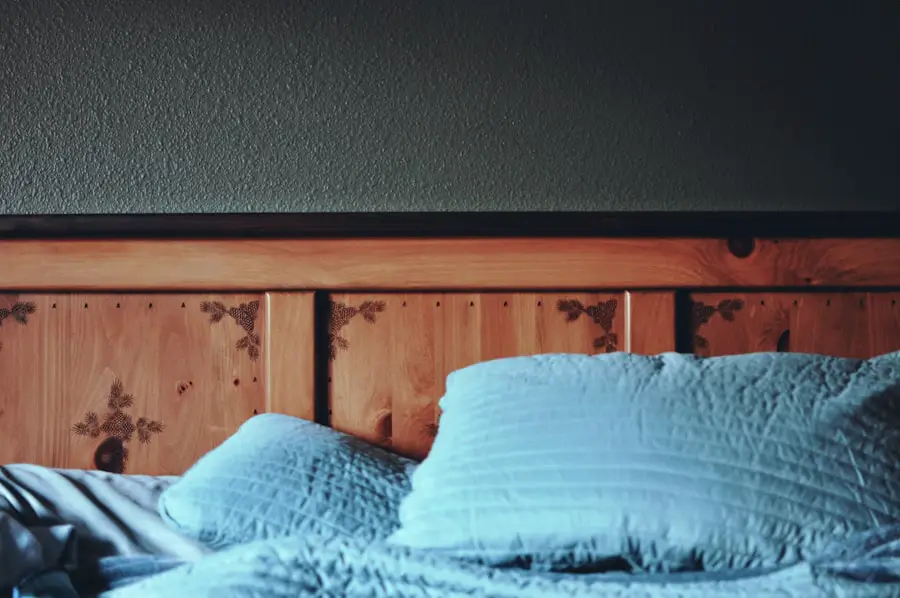
Safeguarding your belongings throughout your trip prevents hitchhiking bugs from establishing a colony inside your home. According to pest management data from the Centers for Disease Control and Prevention (CDC), bed bugs cannot climb smooth, polished surfaces like glass, tile, or sleek metal as easily as textured wood or fabric.
Keep suitcases closed and zipped shut when not in use. Store worn clothing in heavy-duty sealable plastic bags rather than tossing dirty laundry onto carpeted floors or hotel chairs. When you return home, unpack bags directly in a garage, laundry room, or entry hallway with hard flooring—never on your bed or carpet.
Thermal Lethality Note: Research demonstrates that exposure to temperatures of 120°F (49°C) or higher kills all bed bug life stages—including eggs—within 20 minutes. Washing travel clothing and drying it on high heat for 30–45 minutes guarantees thermal eradication.
Products Worth Considering
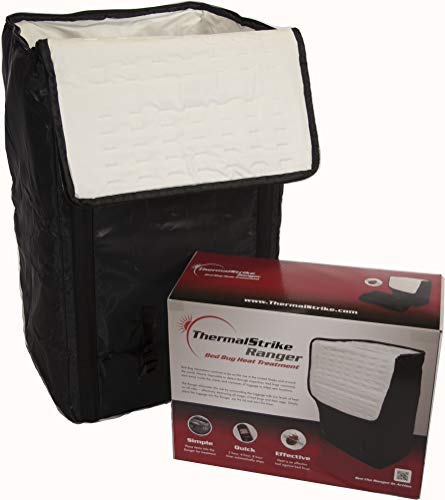
[Lethal Heating System] ThermalStrike uses a patented six-sided heating system that surrounds and destroys bed bugs, carpet beetles, moths, and other insects – including eggs, larvae, and adults. Heat in excess of 120 degrees penetrates deep into cracks and small openings.

The Hair Dryer Bag is nice way to store hairdryer without the cord getting tangled in the cabinet,it would fit a full-size normal hairdryer and can stop hairdryers getting dusty in guest rooms

FAST HEATING & SAFETY PROTECTION: Equipped with thermal pads, it quickly reaches a core temperature of 122°F (approx. 49°C) while remaining safe to touch, protecting your items from damage. Includes a precise temperature controller with automatic shut-off and safety protection for added peace of mind. The triple-layer insulation ensures effective heat retention. Perfect for home use or RV travel
Tips for Preventing Bed Bug Infestations in Your Home
Preventing bed bugs at home requires routine vigilance. Integrate these preventive habits into your regular cleaning routine:
- Encase Mattresses & Box Springs: Install high-quality, zippered mattress encasements tested specifically for bed bugs. These lock existing bugs inside while preventing new ones from nesting in hidden seams.
- Inspect Second-Hand Items: Carefully examine pre-owned furniture, thrifted clothing, upholstered chairs, and antique frames using a flashlight before introducing them into your home.
- Vacuum Frequently: Vacuum mattress edges, baseboards, bed frames, and carpet margins weekly. Empty vacuum canisters or bags into outdoor trash bins immediately.
- Reduce Clutter: Minimize clutter near sleeping areas to remove potential hiding crevices for nocturnal pests.
What to Look for in Hotel Reviews Regarding Bed Bugs
When researching accommodations on online travel agency (OTA) platforms or review sites, utilize keyword search filters. Query terms like “bed bug,” “bites,” “infestation,” “welts,” or “dirty mattress” to aggregate relevant guest feedback.
Evaluate review timestamps. A single isolated complaint from three years ago followed by modern positive reviews typically indicates successful extermination. Conversely, multiple recent reports across consecutive months signal active pest management failures. Observe how hotel management responds to guest complaints in public forums—responsible establishments demonstrate transparency, offer immediate refunds, and detail professional pest control interventions.
Dealing with Bed Bug Bites
Bed bug bites present as red, swollen welts that often appear in linear lines or tight clusters—commonly referred to by dermatologists as a “breakfast, lunch, and dinner” pattern. Bites occur on exposed skin areas during sleep, including arms, shoulders, neck, and ankles.
“Reaction times to bed bug bites vary significantly. While some individuals develop intensely itchy red welts within hours, up to 30% of people experience no skin reaction at all.” — American Academy of Dermatology
To treat mild bite symptoms, wash the affected skin gently with soap and water. Apply over-the-counter 1% hydrocortisone cream or calamine lotion to reduce localized inflammation, and consider oral antihistamines for itch relief. Avoid scratching bites to prevent secondary bacterial skin infections like impetigo or cellulitis. Seek prompt medical care from a licensed healthcare provider if you observe severe swelling, hives, or signs of infection.
Products Worth Considering
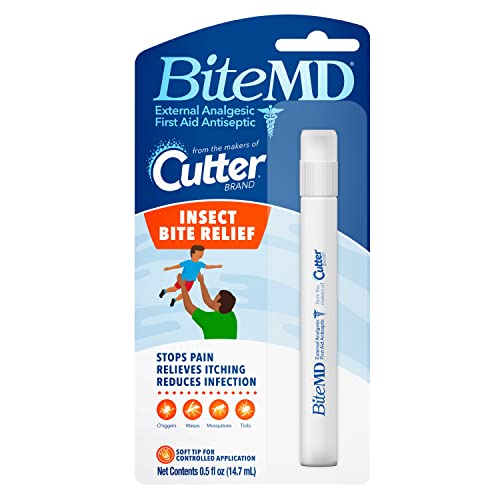
FAST RELIEF: Begins to work immediately when applied soon after an insect bite.
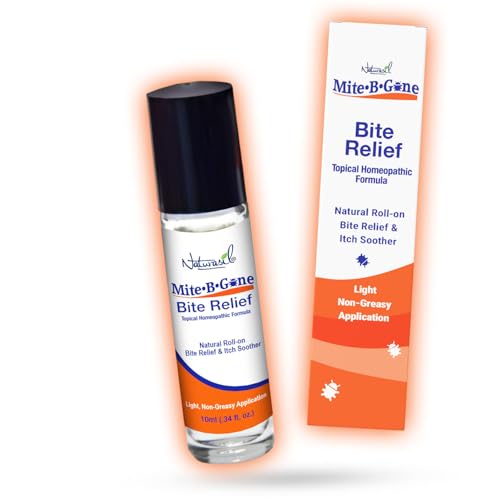
Natural Bite Relief Formula – Homeopathic blend designed to help calm skin after insect or mite bites.

FAST, EFFECTIVE, LONG LASTING ITCH RELIEF: Anti-itch cream that works immediately to soothe and cool bug bites, rashes, eczema, poison ivy, oak, or sumac. More than just mosquito bite relief
Reporting Bed Bug Infestations to Hotel Management
Promptly reporting infestations protects future travelers and compels management to enact professional pest remediation. Present your photographic evidence politely to the duty manager. Request written confirmation of your report, an immediate room reassignment, and a full refund or credit for your stay.
If hotel management refuses to address an active infestation or ignores severe sanitation issues, report the property to the local municipal health department or code enforcement agency. Documenting dates, times, employee names, and photo evidence ensures your official complaint is backed by verifiable facts.
Legal Rights and Recourse for Bed Bug Victims
Under hospitality standards and innkeeper laws, hotel operators are legally required to maintain safe, habitable, and pest-free premises for paying guests. Failure to address known bed bug infestations may constitute negligence.
Travelers who suffer severe bite reactions, property loss (such as discarding infested luggage), or medical expenses may seek financial compensation. Retain all hotel receipts, medical treatment records, property replacement receipts, and correspondence with management. In cases involving major losses or medical complications, consulting a personal injury attorney specializing in hospitality claims can help evaluate your legal options.
Frequently Asked Questions
What are bed bugs?
Bed bugs (Cimex lectularius) are small, reddish-brown, wingless insects that feed on human and animal blood. Adult bed bugs are oval-shaped and about the size of an apple seed (4–5 mm). They hide in mattress seams, furniture crevices, and wall cracks during the day and emerge at night to feed.
How do bed bugs spread between rooms and homes?
Bed bugs do not fly or jump; they spread by crawling into suitcases, clothing, backpacks, and pre-owned furniture. In hotels and apartment buildings, they can crawl through wall voids, electrical conduit piping, and hallway floors into adjacent rooms.
How do you check for bed bugs in a hotel room?
First, place your bags in the bathroom tub or elevated luggage rack. Pull back bed sheets and use a flashlight to inspect mattress seams, box spring corners, headboards, and upholstered chairs. Look for live bugs, dark fecal specks, shed exoskeletons, or blood spots on white sheets.
What should I do if I find bed bugs in my hotel room?
Photograph the evidence immediately. Inform the front desk duty manager and request a new room at least two floors away from the infested unit. Keep your luggage elevated and double-bag suspect clothing in plastic sacks until you can heat-treat them in a high-temperature dryer.
Can I prevent bringing bed bugs home from a hotel?
Yes. Keep suitcases elevated off hotel floors and store dirty laundry in sealed plastic bags. Unpack directly in your entryway or garage upon returning home, and immediately tumble dry all clothing on high heat (above 120°F / 49°C) for 30–45 minutes to destroy any hitchhiking bugs or eggs.
Sources
- U.S. Environmental Protection Agency (EPA) — Bedbug Prevention, Identification, and Control Standards
- Centers for Disease Control and Prevention (CDC) — Bed Bugs FAQs and Health Guidelines
- American Academy of Dermatology (AAD) — Clinical Diagnosis and Treatment of Bed Bug Bites
- Mayo Clinic — Bed Bugs Overview, Symptoms, and Risk Factors
