

Last Updated on July 25, 2026 by Daniel Globe
Paying for a hotel stay with cash is still possible at some properties, but “accepts cash” does not always mean you can arrive without a credit or debit card. A hotel may accept cash for the final bill while requiring a card to guarantee the reservation, check you in, or cover incidental charges. Checking the exact property policy before you travel is the safest approach.
Quick Answer
Yes, some hotels accept cash, but many still require a credit or debit card to reserve the room, check in, or cover incidentals. Cash may be accepted only at checkout. Because policies can vary by property, confirm the reservation, deposit, ID, and checkout requirements with the specific hotel before booking.
Cash can be useful for travelers who prefer to work with a fixed spending budget or who do not want the hotel charge placed on a credit card. However, cash does not make a hotel stay anonymous. The property may still collect your name, identification, contact details, and reservation information.
Cash also has tradeoffs. Physical money can be lost or stolen, and a cash transaction does not provide the same credit-card billing-dispute process available for certain card charges. For that reason, always obtain a detailed receipt whenever you pay a hotel in cash.
Key Takeaways
- A hotel can accept cash for the final bill while still requiring a credit or debit card at check-in.
- Ask separately about the reservation guarantee, room payment, incidental deposit, and checkout payment.
- Bring valid identification and enough money to cover the room, taxes, and any required cash deposit.
- Debit and prepaid cards can create temporary holds or face property-specific restrictions.
- Always get a receipt for cash payments and cash security deposits.
Do Hotels Accept Cash?
Some hotels accept cash, but there is no universal hotel-industry rule. Policies can differ not only between hotel companies but also between individual properties within the same brand.
Hilton’s payment guidance, for example, states that accepted payment types can vary by location and recommends checking the individual hotel’s policies or contacting the property directly.
The most important distinction is when the hotel accepts cash. A property might:
- require a card to guarantee the reservation;
- require a credit or debit card at check-in;
- place an incidental authorization on that card;
- allow the room balance to be paid in cash at checkout; or
- accept a cash security deposit instead of a card, depending on its policy.
“Cash accepted” does not necessarily mean “no card required.” The reservation, check-in deposit, incidentals, and final payment can all have different rules.
How to Find Hotels That Accept Cash Payments
Start by checking the payment and deposit information on the hotel’s official website or booking page. Online travel sites can also display property-specific payment terms, but the hotel itself should be your final source for check-in requirements.
Then call the property directly. Do not ask only, “Do you accept cash?” That question can produce an incomplete answer.
Instead, ask:
- Can I reserve the room without a credit card?
- Can I check in without presenting a credit card?
- Do you accept a debit card instead?
- Can I pay the room and taxes in cash?
- Do you require a separate incidental or security deposit?
- Can that deposit be paid in cash?
- How much is the deposit?
- When is a cash deposit returned?
- What identification must I show?
Pro Tip: Call the actual hotel’s front desk rather than relying only on a chain’s general customer-service line. Individual properties can have different deposit and payment rules.
Property-level differences are real. For example, Hyatt Place Dallas/Garland/Richardson states that cash is accepted only upon departure, while guests must provide a valid credit card and identification upon arrival.
Do not assume independent hotels are automatically more flexible or chain hotels are automatically cashless. Verify the specific property’s rules before committing to the reservation.
Tips for Making Cash Payments at Hotels
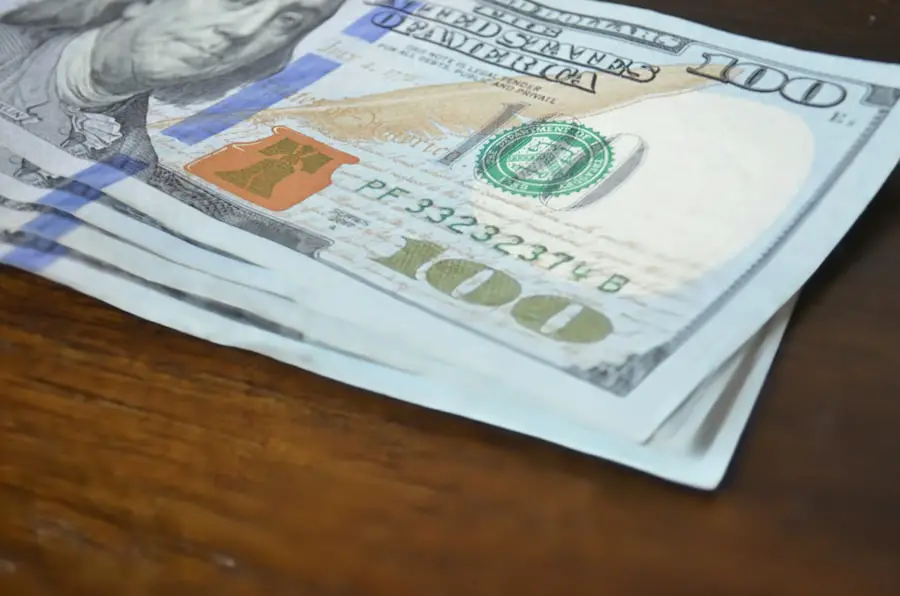
Plan the full amount you may need before arriving. That can include the room rate, taxes, mandatory charges, and a refundable security or incidental deposit.
You do not need to carry a hotel bill entirely in small denominations. Instead, carry the amount you expect to need in a secure place and keep a smaller amount separately for normal trip expenses and tips.
For every cash payment:
- ask the front desk to count the money in your presence;
- request a printed or emailed receipt immediately;
- make sure the receipt identifies what the payment covers;
- keep any separate receipt for a refundable cash deposit; and
- review your final folio before leaving the hotel.
Warning: Do not arrive with only the advertised nightly rate in cash. Taxes, deposits, parking, and other charges can increase the amount required at check-in or checkout.
Understanding the Deposit and Payment Process for Cash Payments
The deposit and payment process varies by hotel, so there is no standard deposit amount or universal payment schedule. Some properties require full room payment at arrival, some settle the room at checkout, and others require a card even when the final bill will be paid with cash.
| Step | What to Confirm |
| 1. Reservation | Find out whether the room can be reserved without a credit card or whether a card is required only as a guarantee. |
| 2. Before arrival | Confirm the accepted payment methods, deposit amount, ID requirement, and whether cash is accepted at check-in or only at checkout. |
| 3. Check-in | Present the required identification and payment method. The hotel may require a card authorization even if you plan to pay cash later. |
| 4. Deposit | Pay the required incidental or security deposit using an accepted method and obtain proof of the deposit. |
| 5. Checkout | Review the final folio, settle any remaining balance in cash if permitted, and request a receipt showing a zero balance. |
| 6. Deposit return | If you provided a refundable cash deposit, follow the hotel’s inspection and refund procedure and keep documentation showing the amount returned. |
A security or incidental deposit protects the hotel against unpaid room charges, damage, or other costs incurred during the stay. The hotel may require cash, a card authorization, or another approved payment method.
Ask whether a cash deposit is returned immediately after the room is inspected or whether the property follows another refund procedure. Do not assume it will be handed back automatically at the moment you return your keys.
Note: Also ask how an early checkout or cancellation affects prepaid room charges and cash deposits. Cancellation and refund rules are separate from the hotel’s basic cash-payment policy.
The Differences Between Cash and Credit Card Payments at Hotels
Cash, credit cards, and debit cards each have advantages and disadvantages at hotels.
| Factor | Cash | Credit Card | Debit Card |
| Hotel acceptance | Property-specific | Commonly accepted | Common, but rules vary |
| Incidental hold | May require cash deposit | Reduces available credit temporarily | Can make account funds temporarily unavailable |
| Billing dispute protections | No credit-card billing-dispute process | Federal billing-error protections may apply | Different rules from credit cards |
| Budget impact | Spending limited to cash carried | Can create interest if a balance is carried | Uses money from your bank account |
Credit cards have an important consumer-protection advantage. The Consumer Financial Protection Bureau explains that consumers have rights for disputing qualifying credit-card billing errors. Cash payments do not have an equivalent card-issuer dispute process, making your hotel receipt especially important.
Debit cards create a different concern: access to your own money. Visa explains that hotels can place temporary authorization holds on debit-card funds. Those funds may be unavailable until the transaction is finalized and the hold is released.
What to Consider When Paying for Your Hotel Stay with Cash

Start with the hotel’s current payment policy rather than relying on an old review or forum post. Policies can change, and one hotel within a brand may use different rules from another.
Also consider how much physical cash you are comfortable carrying. A multi-night stay plus a security deposit can require a substantial amount of money. Keep the cash secure and avoid displaying or counting a large amount in a public area before reaching the front desk.
Budget for the complete stay rather than only the room rate. Depending on the property and trip, the final amount may include taxes, parking, optional purchases, food and beverage charges, or other services.
Paying cash can avoid credit-card interest if your alternative would be carrying the hotel charge as a card balance. However, cash does not automatically produce a hotel discount or eliminate every fee.
The Importance of Verifying the Hotel’s Cash Payment Policy
Never rely on the words “cash accepted” without asking for details. Verify the policy before finalizing travel plans, particularly when you will not have another acceptable payment method available at check-in.
If possible, obtain confirmation in writing by email or through the hotel’s messaging system. Record the date of the conversation and the name or department of the employee who confirmed the policy.
Confirm all of the following:
- whether a payment card is required to make or guarantee the reservation;
- whether the physical card must be presented at check-in;
- whether cash is accepted at check-in or only at checkout;
- the incidental or security-deposit amount;
- whether the deposit can be paid in cash;
- required identification;
- cash-deposit refund procedures; and
- cancellation and early-departure rules.
Note: U.S. currency being legal tender does not mean every private hotel must accept cash. The Federal Reserve states that no federal law generally requires a private business to accept currency or coins for goods or services, although state or local laws may impose different requirements.
Exploring Alternative Payment Options for Hotels That Don’t Accept Cash
If a hotel will not accept cash, a standard debit card is often the most practical alternative for someone who does not want to use credit. Before relying on one, ask how much the property will authorize for the room and incidentals so the hold does not leave you without enough available money for the rest of your trip.
A network-branded prepaid card may also work in some situations. The Consumer Financial Protection Bureau notes that many prepaid cards carrying a major payment-network logo can be used at hotels. However, that does not guarantee an individual hotel will accept a particular prepaid card for reservations, deposits, or incidentals. Check both the card’s terms and the hotel’s policy.
Mobile wallets and services such as PayPal or Venmo should also be treated as property- or booking-channel-specific options rather than universal substitutes for a credit card. A hotel may accept a digital payment in one context while still requiring a physical card at check-in.
For travelers who strongly prefer cash, the most reliable strategy remains simple: identify a suitable property, call the front desk, explain that you intend to use cash, and confirm every stage of the payment process before making nonrefundable travel arrangements.
For other travel planning topics already covered on this site, see the guides to lightweight laptops for travel, waterproof sneakers for spring travel, and compact binoculars for hiking.
Sources
- Federal Reserve — Cash Acceptance FAQ — explains that federal law does not generally require private businesses to accept cash.
- Hilton — Payment FAQs — confirms that accepted payment methods can vary by location and that incidentals may require a card hold.
- Hyatt Place Dallas/Garland/Richardson — Hotel Policies — provides a real property example where a card is required upon arrival and cash is accepted only at departure.
- Visa — Debit Card Guidance — explains authorization holds that can temporarily restrict funds at hotels.
- Consumer Financial Protection Bureau — Credit Card Disputes — explains federal billing-error dispute protections for credit-card users.
- Consumer Financial Protection Bureau — Prepaid Card Use — explains where network-branded prepaid cards may be usable and why card terms still matter.
Frequently Asked Questions
What is the policy of hotels regarding accepting cash payments?
There is no universal policy. Some hotels accept cash at check-in, some accept it only when you check out, and others may require card payments. Always verify the specific property’s rules before booking.
Do all hotels accept cash for room reservations?
No. A hotel may require a credit or debit card to guarantee a reservation even when it allows you to pay the final room bill in cash. Online reservation systems can also have different requirements from reservations made directly with the property.
Are there any additional requirements for paying with cash at a hotel?
Possibly. A hotel may require valid identification, advance payment, a refundable cash security deposit, or a credit or debit card for incidentals. Requirements and deposit amounts vary by property.
Can I use cash to pay for incidentals at a hotel?
Some hotels allow a cash deposit for incidentals, while others require a credit or debit card authorization. Ask the property specifically how it handles incidental charges before you arrive.
Are there specific hotel chains that do not accept cash payments?
Do not rely on a chainwide assumption. Payment policies can vary among properties within the same brand. Check the payment-policy section for the exact hotel and call its front desk when cash is your only payment option.
Can I book a hotel with a card and pay cash at checkout?
Some properties allow this. The card may be used to guarantee the reservation and cover an incidental authorization, while the final room balance is settled in cash. Confirm this arrangement with the hotel before arrival.
How do I get a cash hotel deposit back?
Follow the property’s checkout and room-inspection procedure and keep the original deposit receipt. Ask at check-in when and how refundable cash deposits are returned so you know what to expect before handing over the money.
