
Last Updated on July 26, 2026 by Daniel Globe
Bed bugs can turn a hotel stay into a stressful problem, but a quick inspection before you unpack can greatly reduce the chance of bringing them home. Bed bugs are small, flat, blood-feeding insects that hide near sleeping and resting areas. They are not a sign that a hotel is dirty, and even high-end properties can have them. The safest approach is simple: keep your luggage away from the bed, inspect the room for physical signs, and know what to do if you find evidence.
Quick Answer
To check a hotel room for bed bugs, keep your luggage in the bathroom or on a hard surface while you inspect the mattress seams, box spring, bed frame, headboard, luggage rack, and nearby upholstered furniture. Look for live bugs, dark fecal spots, rusty stains, eggs, eggshells, or shed skins before unpacking.
Key Takeaways
- Inspect the hotel room before unpacking, starting with the mattress, headboard, bed frame, and luggage rack.
- Keep luggage off the bed and floor; an inspected luggage rack or a hard bathroom surface is safer while you check the room.
- Physical evidence is more useful than bites. Look for live bugs, dark fecal spots, rusty stains, eggs, eggshells, and shed skins.
- If you find bed bugs, photograph the evidence, notify hotel management, and request a non-adjacent room or different accommodation.
- After a possible exposure, contain clothing and use a high-heat dryer for items that can safely tolerate it; washing alone may not kill every bed bug.
At a Glance
| Time Required | A few minutes for a basic check; longer for a detailed inspection |
| Difficulty | Easy |
| Tools Needed | Flashlight or phone light; sealable bag for dirty clothing |
| Cost | Usually $0 if you already have a phone light and bags |
Disclosure: As an Amazon Associate I earn from qualifying purchases. Some links on this page are affiliate links, at no extra cost to you.
What Bed Bugs Look Like and Which Signs Matter
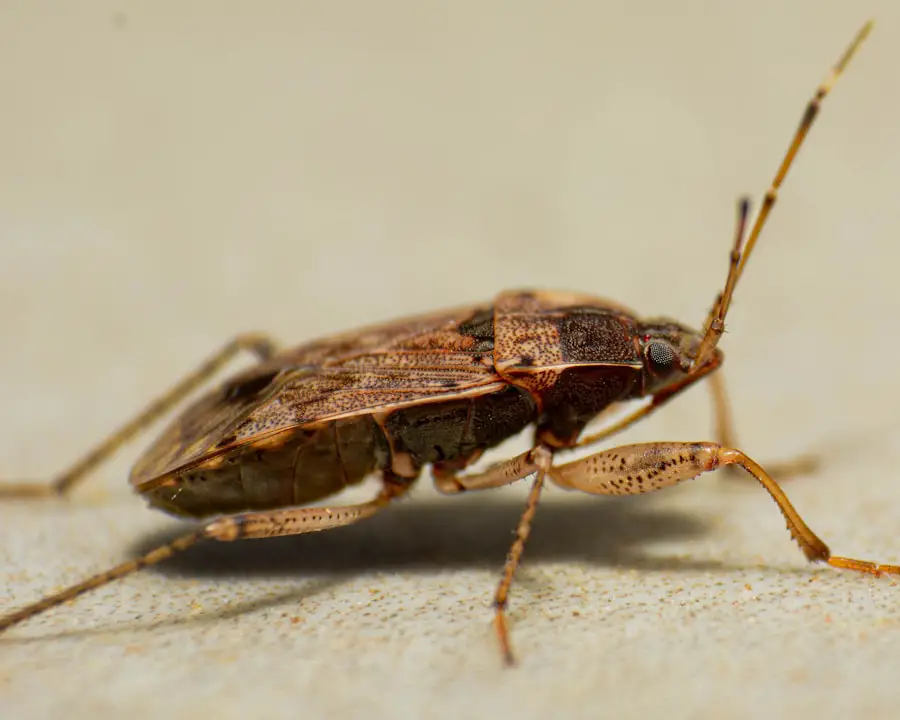
The common bed bug, Cimex lectularius, is a small, wingless insect that feeds on the blood of people and animals. Adult bed bugs are typically reddish-brown and roughly apple-seed sized, while younger nymphs can be much smaller and paler. Eggs are tiny, about 1 mm, and can be difficult to see without close inspection. According to the U.S. Environmental Protection Agency (EPA), the most useful signs are physical evidence around sleeping areas.
- Live bed bugs: Flat, oval insects that become more swollen and reddish after feeding.
- Dark spots: Bed bug fecal material that can look like tiny marker dots on fabric or nearby surfaces.
- Rusty or reddish stains: Marks on sheets or mattresses that can result when a bed bug is crushed.
- Eggs and eggshells: Tiny, pale structures, usually around 1 mm.
- Shed skins: Pale exoskeletons left behind as nymphs grow.
Note: Bites alone cannot confirm a bed bug infestation. The EPA notes that bed bug bites can resemble bites from other insects, rashes, or hives, and some people do not react to bites at all.
Bed bugs can multiply quickly: the EPA reports that a female may lay about 1 to 3 eggs per day and roughly 200 to 500 eggs during her lifetime under suitable conditions.
Precautionary Measures for Travelers
Travelers can reduce the risk of picking up bed bugs without turning every trip into a major inspection project. Start with the assumption that bed bugs can occur in any lodging. The Centers for Disease Control and Prevention (CDC) notes that bed bugs can occur even in five-star hotels and that cleanliness does not determine whether they are present.
Before your trip, pack a small flashlight or plan to use your phone light. Consider keeping clean and dirty clothing in separate sealable bags. Official EPA travel guidance does not require hard-sided luggage; where you place and inspect your suitcase matters more than assuming one luggage material is bed-bug-proof.
When you reach your room, do not place luggage on the bed. The EPA’s travel guidance recommends inspecting the mattress, headboard, and luggage rack and keeping luggage away from the bed. You do not need a special portable detector for a basic hotel inspection; a flashlight is usually enough to check common hiding places.
Pro Tip: Keep dirty clothing in a sealed bag during the trip. This makes it easier to contain and move laundry directly to treatment when you get home if you later suspect exposure.
How to Inspect Your Hotel Room for Bed Bugs
Inspect the room as soon as you arrive and before you unpack. A basic inspection focuses on the places closest to where people sleep because bed bugs tend to hide near a host.
Products Worth Considering
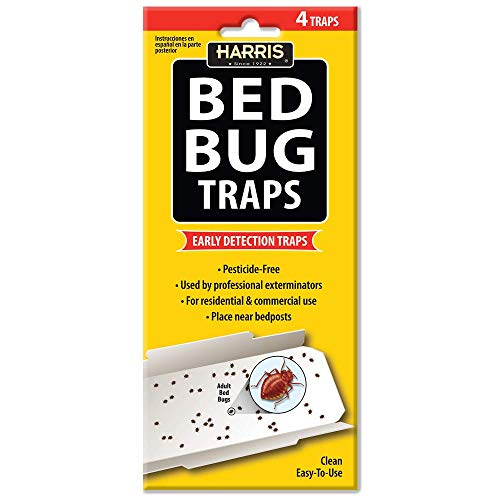
Natural Product. Easy to Use - Simply fold the trap and insert the tab at the top to hold it together

This Powerful Flashlight- Is just what you need to detect bed bugs in a hotel room or find invisible stains from Body Fluids.
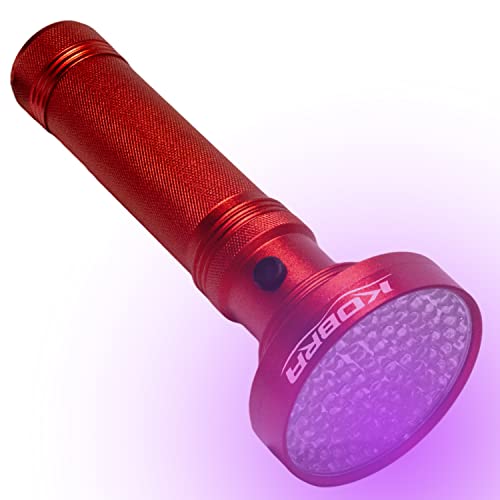
POWERFUL UV OUTPUT: Our blacklight flashlights are equipped with 100 high-intensity LEDs, delivering 18W of UV power at 390-395nm — brighter and more effective than standard 51 or 12 LED models.
1. Put Your Luggage in a Lower-Risk Spot
Temporarily place your luggage in the bathroom or on another hard surface away from the bed and upholstered furniture. Another option is an inspected luggage rack positioned away from the bed and wall. Do not assume the luggage rack is automatically safe; check its joints, webbing, seams, and cracks first.
2. Inspect the Mattress and Box Spring
Pull back the sheets enough to examine the mattress seams, piping, corners, and tags. If the box spring is visible, inspect its edges and fabric folds as well. Look for live bugs, dark fecal spots, rusty stains, eggs, eggshells, and shed skins.
3. Check the Bed Frame and Headboard
Use your flashlight to inspect cracks, screw holes, joints, and the narrow space between the headboard and wall. Do not dismantle hotel furniture or put yourself at risk trying to remove a fixed headboard. A careful visual inspection of accessible gaps is enough.
4. Check the Luggage Rack and Nearby Furniture
Inspect the luggage rack, nightstand joints, upholstered chair seams, sofa cushions, and other furniture close to the bed. In a more detailed check, look behind accessible wall hangings and along nearby baseboards. Bed bugs can fit into very narrow cracks, so focus on seams and joints rather than only broad, exposed surfaces.
5. Decide Based on Physical Evidence
A clean-looking mattress does not guarantee that a room is free of bed bugs, and an unexplained skin mark is not proof that bed bugs are present. Give the most weight to live insects or the combination of characteristic stains, cast skins, and eggs in likely hiding places.
Note: A sweet or musty odor can occur with heavier infestations, but odor is subjective and should not be used by itself to rule a room in or out.
What to Do If You Find Bed Bugs in Your Hotel Room
| Step | What to Do |
| 1. Stop unpacking | Keep luggage and belongings contained and away from the bed and upholstered furniture. |
| 2. Document the evidence | Take clear photos of the bug or signs and note the room number, location, date, and time. |
| 3. Notify hotel management | Report the finding promptly so the property can inspect the room and follow its pest-management procedure. |
| 4. Request a safer relocation | Ask for a room that is not next door to the affected room, or choose different accommodations if you are not comfortable staying. |
| 5. Treat exposed belongings | Inspect luggage and contain clothing. For dryer-safe items, use a household dryer on high heat for 30 minutes when appropriate for the fabric. |
| 6. Follow up in writing | Keep photos, receipts, and the hotel’s written response if you request a room change, refund, reimbursement, or other resolution. |
Stay calm and avoid moving loose belongings from the affected room into another room without containing them first. If you have already unpacked, inspect what you can and place washable clothing in sealed bags for later laundering and drying.
University of Minnesota Extension advises travelers who find bed bugs to notify the front desk immediately and request a new room that is not next door to the affected room. A non-adjacent room lowers the chance of being moved into a room that may share a wall with the original room.
Warning: Do not spray the hotel room, your skin, or your belongings with random insecticides, rubbing alcohol, or other improvised chemicals. Pesticides must be used only where their labels allow, and do-it-yourself treatments can be ineffective or unsafe.
A refund is not automatically guaranteed in every jurisdiction or under every hotel policy. Ask the manager what remedy is available and request the decision in writing. Reporting requirements also vary by state and locality, so contact the appropriate local lodging, health, or consumer-protection authority only when that agency handles complaints in the place where the hotel is located.
Products Worth Considering

Partially enclosed trap, designed with a see-through window

ENVIRONMENTAL BED BUG SCREENING KIT – This rapid test kit is designed to detect bed bug-derived antigens from environmental surface samples collected from beds, mattresses, furniture crevices, and other suspected areas. It is intended for environmental hygiene monitoring, not for human specimen testing.

EARLY DETECTION MADE SIMPLE: Detect bed bugs at the first sign; protect bedrooms, hotels, dorms, and rentals; ideal for treatment follow-up and prevention plans
Tips for Preventing Bed Bug Infestations in Your Home
Bed bugs are excellent hitchhikers. They can travel on luggage, clothing, bedding, boxes, and furniture, so prevention at home is mostly about inspecting high-risk items and reducing hiding places.
- Inspect second-hand furniture: Check used beds, couches, chairs, and other furniture carefully before bringing them inside. Avoid discarded curbside furniture.
- Use mattress and box-spring encasements: High-quality encasements reduce hiding places and can make bed bugs easier to spot.
- Reduce clutter: Fewer hiding places make inspection and control easier.
- Vacuum regularly: Vacuuming can remove individual hitchhikers, although it is not a stand-alone treatment for an established infestation.
- Keep travel luggage away from the bedroom: After inspection and cleaning, store suitcases away from sleeping areas rather than under the bed.
The EPA recommends checking second-hand furniture before bringing it home and using an integrated approach if bed bugs are found. Do not rely on pesticides alone. Established infestations often require a pest-management professional experienced with bed bugs.
Caution: Do not try to heat a room with space heaters, fireplaces, or other improvised equipment. Professional heat treatments require controlled equipment and temperature monitoring. Home freezers may also be too warm or inconsistent to reliably treat every item.
The Importance of Proper Luggage Inspection
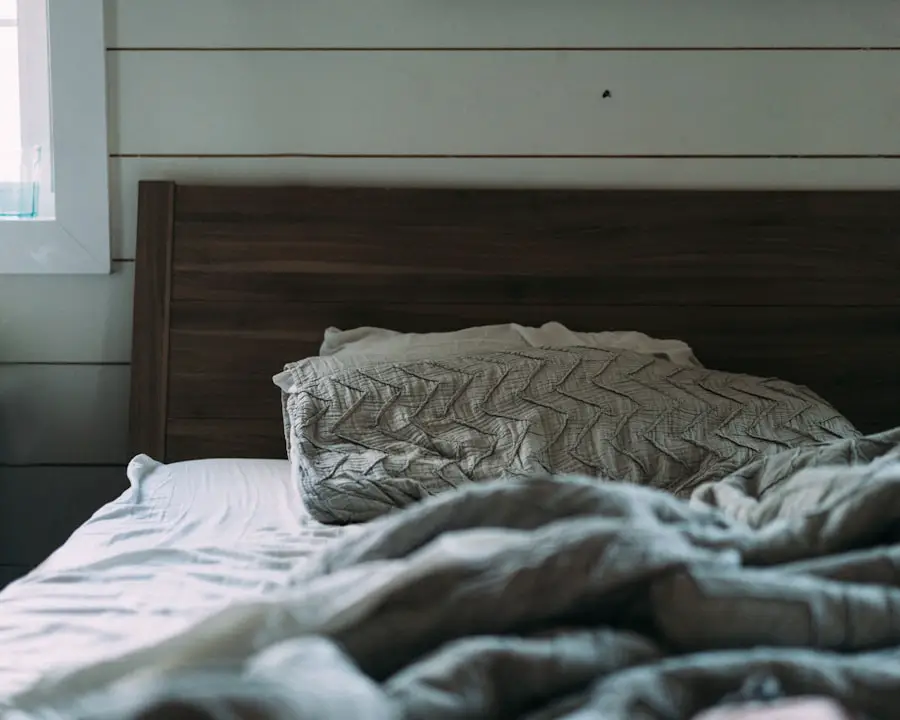
Luggage deserves special attention because bed bugs can hide in seams, zipper folds, pockets, lining edges, handles, and wheel housings. Inspect your suitcase before you leave the hotel and again when you return home, especially after a suspected exposure.
Products Worth Considering
![GearLight UV Black Light Flashlight S100 [2 Pack] - Mini Blacklight Ultraviolet Pen Lights for Leak and Hotel Inspection - Pet Urine, Bed Bug, Scorpion, Stain, and Dye Detector](https://m.media-amazon.com/images/I/41CCNt2kRPL._SL500_.jpg)
COMPACT - This sleek and portable UV flashlight is portable and compact enough to fit in your pocket. They illuminate unknown stains, pests, dye, and other spots that can't be seen with the human eye by making them glow.
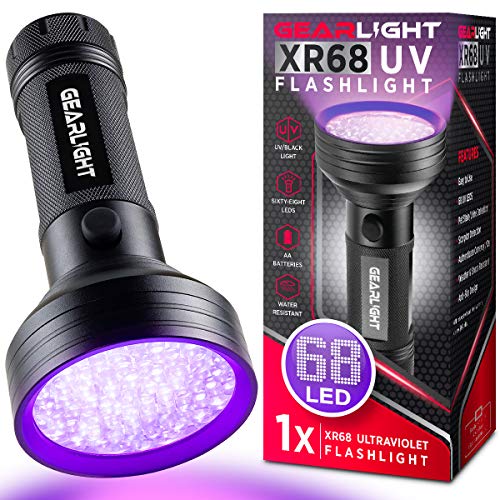
BEATS COMPETITION: Packed with 68 LEDS, the XR68 has 30% more UV brightness to help detect stains for same relative price. While others try to sell flashlight with only 51 LEDs, which customers frequently complain is underpowered, the XR68 provides enough light yet remains compact enough for daily use.
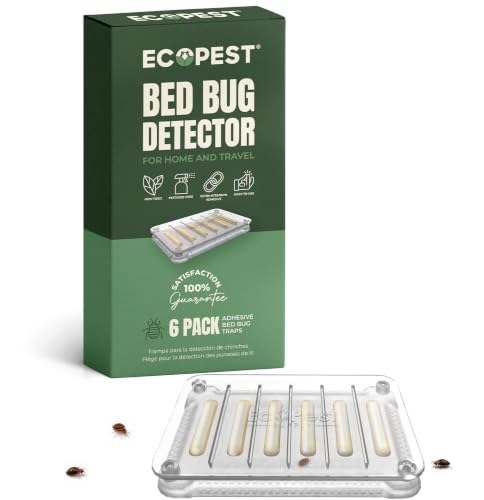
EARLY BED BUG DETECTION — Identify early, so you can treat quickly. EcoPest Bed Bug Detector traps will alert you to a bed bug problem before an infestation starts. Bed bugs can reproduce rapidly, allowing infestations to quickly grow and spread. Identifying bed bugs early will allow you to take appropriate measures and end the bed bug cycle before it starts.
How to Handle Luggage and Clothing After Travel
- Inspect the suitcase: Use a flashlight to check seams, zippers, pockets, folds, handles, and other narrow gaps.
- Unpack in a controlled area: Keep luggage away from bedrooms while you sort clothing.
- Contain laundry: Move clothing in sealed bags if you suspect exposure.
- Use the dryer correctly: The EPA states that a household dryer on high heat for 30 minutes can kill bed bugs and eggs on items that can safely tolerate that treatment. Washing alone may not be enough.
- Vacuum the suitcase: Concentrate on seams and pockets. Empty the vacuum contents into a sealed bag and place it in an outdoor trash container.
- Store luggage away from sleeping areas: Once inspected and cleaned, keep it in a garage, basement, closet away from the bed, or another suitable storage area.
Note: Always follow the garment care label. High heat can damage some fabrics and items. For belongings that cannot go in a dryer, keep them contained until you can use a suitable treatment method or get advice from a qualified pest professional.
Can You Tell Whether a Hotel Is Bed-Bug-Free Before Booking?
No hotel can honestly guarantee that it will never receive a bed bug. Bed bugs are carried in by people and belongings, and the CDC specifically notes that the cleanliness of a property does not determine whether bed bugs are present.
Online reviews can provide context if several recent guests describe the same unresolved problem, but reviews are not proof that a room is currently infested or currently clear. A better question is how the property responds when a bed bug is reported. Hotels should have a process for inspecting affected rooms, involving trained staff or pest-management professionals, documenting findings, and taking affected rooms out of service when treatment is needed.
Features such as hardwood floors or mattress encasements may reduce some hiding places or make inspection easier, but they do not make a hotel “bed-bug-proof.” Your own room inspection remains useful regardless of the hotel’s price, star rating, flooring, or appearance.
The Role of Hotel Staff in Preventing Bed Bug Infestations
Hotel staff are important because early recognition can keep a small problem from becoming a larger one. Housekeeping, maintenance, and management teams should know the common signs of bed bugs and have a clear procedure for reporting suspected activity.
A sound response includes documenting the room, arranging a careful inspection, avoiding unnecessary movement of potentially infested items, and using qualified pest-management professionals when treatment is required. Nearby rooms may also need inspection because bed bugs can move through structural gaps and between adjoining spaces.
Staff training should also reduce stigma. Bed bugs can be introduced into any lodging, and blaming guests or housekeeping workers can discourage reporting. Fast, calm reporting is more useful than embarrassment or panic.
Health Effects of Bed Bug Bites and Infestations
Bed bugs are not known to spread disease to people. However, the CDC reports that bites can cause itching, loss of sleep, and, rarely, allergic reactions. Intense scratching can damage the skin and may contribute to a secondary infection.
Reactions vary widely. Some people develop small, itchy red marks, while others have little or no visible reaction. Because bites can resemble many other conditions, do not diagnose a hotel infestation from skin marks alone.
Most bites need only basic symptom care and good hygiene. Avoid scratching when possible. Contact a healthcare professional if you develop a significant allergic reaction, severe or worsening skin inflammation, or signs of infection.
Note: Bed bug infestations can also cause anxiety and loss of sleep. If worry continues after the infestation has been professionally assessed or eliminated, consider discussing the ongoing symptoms with a healthcare professional.
How to Handle Bed Bug Complaints with Hotel Management
Approach hotel management calmly and with specific evidence. Explain where you found the suspected bed bug or signs, provide photos, and give the room number and approximate time of discovery. Ask the property to document the complaint and inspect the room.
If you want to stay at the property, request a non-adjacent room and inspect that room before moving your belongings into it. If you would rather leave, ask what the hotel can offer for cancellation, refund, relocation, laundry, or other documented costs. Policies and legal obligations vary, so avoid assuming that a particular refund or reimbursement is automatic.
Keep copies of your booking confirmation, photographs, receipts, and written communications. If the property does not respond appropriately and you want to make an official report, check the state or local agency that regulates lodging or pest complaints in that jurisdiction.
Resources for Dealing with Bed Bug Infestations
Reliable bed bug guidance is available from public-health agencies and university extension programs. Start with the EPA for travel precautions, identification, prevention, and treatment guidance; use the CDC for health information; and contact a local Cooperative Extension office or qualified pest-management professional if you need help identifying a specimen or handling a suspected home infestation.
When traveling, the EPA’s bed bug travel guidance provides a practical checklist for inspecting a room, using luggage racks safely, and handling luggage when you return home.
The goal is not to prove that a hotel can never have bed bugs. It is to spot physical evidence early, keep your belongings away from likely hiding places, and act quickly if you find a problem.
Frequently Asked Questions
What are bed bugs?
Bed bugs are small, flat, wingless insects that feed on the blood of people and animals. The common bed bug is Cimex lectularius. Adults are usually reddish-brown and apple-seed sized, while nymphs and eggs are smaller and harder to see.
How can I check for bed bugs in a hotel room?
Before unpacking, keep luggage in the bathroom or on a hard surface away from the bed. Inspect the mattress seams, box spring, bed frame, headboard, luggage rack, and nearby furniture with a flashlight. Look for live bugs, dark fecal spots, rusty stains, eggs, eggshells, and shed skins.
What are the signs of a bed bug infestation in a hotel room?
The strongest signs are live bed bugs, small dark fecal spots, rusty or reddish stains, tiny eggs or eggshells, and shed skins near the bed or other resting areas. A musty odor can occur with heavier infestations, but odor alone is not reliable evidence.
What should I do if I find bed bugs in my hotel room?
Stop unpacking, contain your belongings, photograph the evidence, and notify hotel management immediately. Request a room that is not next door to the affected room or choose another property. Inspect and treat potentially exposed belongings before bringing them into your sleeping area at home.
Can I prevent bringing bed bugs home from a hotel?
You cannot reduce the risk to zero, but you can lower it. Keep luggage off the bed, inspect the room and luggage rack, bag dirty clothing, inspect your suitcase before and after travel, and store luggage away from the bedroom. After a suspected exposure, use a high-heat dryer for dryer-safe clothing and bedding.
Do bed bug bites prove that a hotel room has bed bugs?
No. Bites are a poor stand-alone indicator because they can resemble other insect bites, rashes, or hives, and some people do not react to bed bug bites. Look for physical evidence in the room and seek professional identification when needed.
Does washing clothes kill bed bugs?
Washing alone may not kill all bed bugs. For items that can safely tolerate it, the EPA recommends a household dryer on high heat for 30 minutes to kill bed bugs and eggs. Always follow garment care instructions.
Sources
- U.S. EPA — Tips for Travel — hotel-room inspection, luggage placement, and return-home precautions.
- U.S. EPA — How to Find Bed Bugs — physical signs, hiding places, bite limitations, and reproduction.
- U.S. EPA — Preparing for Treatment Against Bed Bugs — high-heat dryer guidance, containment, and vacuum disposal.
- U.S. EPA — Protecting Your Home from Bed Bugs — second-hand furniture, encasements, clutter, vacuuming, and prevention.
- CDC — About Bed Bugs — disease-transmission status, bites, health effects, and the fact that cleanliness does not determine presence.
- University of Minnesota Extension — Bed Bug Prevention and Control in the Home — hotel inspection steps, non-adjacent room guidance, luggage handling, and home prevention.
