

Last Updated on July 28, 2026 by Daniel Globe
San Diego can feel expensive, but many of its best outdoor, cultural, and waterfront experiences cost nothing to enter. You can explore public beaches, watch a sunset from coastal overlooks, walk through historic districts, hear a landmark pipe organ, and hike city trails without buying a ticket. The key is knowing where parking, equipment, or upgraded tours may add a cost.
Quick Answer
San Diego offers many worthwhile free experiences: public beaches, nearby La Jolla tide pools, Balboa Park gardens, Mission Bay paths, Sunset Cliffs overlooks, Old Town museums, Sunday Spreckels Organ concerts, the Embarcadero, Mission Trails hikes, and the Chula Vista training center’s self-guided Olympic Path. Parking, equipment, and some guided tours may still cost extra.
Key Takeaways
- Beach access is generally free, but bonfires are allowed only in approved fire rings where they are provided.
- Balboa Park’s gardens and public spaces are free, while most museum free days are limited to San Diego residents and eligible military families.
- Mission Bay has more than 12 miles of waterfront paths, but visitors should not assume there is one continuous, fully separated 12-mile loop.
- State-park hikes may be free to enter on foot, yet official parking at Torrey Pines and Cuyamaca Rancho State Park can cost extra.
- The Chula Vista Elite Athlete Training Center’s mile-long self-guided Olympic Path is free; guided and behind-the-scenes tours are paid.
What’s in This Article
- Before You Go: What “Free” Really Means
- San Diego Beaches and Bonfires
- La Jolla Cove and Nearby Tide Pools
- Balboa Park Strolls and Museum Free Days
- Mission Bay Park Activities and Biking Paths
- Sunset Cliffs and Coastal Views
- Old Town Historic Sites and Cultural Walks
- Spreckels Organ Pavilion Concerts
- Embarcadero Walks and Public Art
- Mountain Hikes and Scenic Lookouts
- Chula Vista Elite Athlete Training Center
- Frequently Asked Questions
Disclosure: As an Amazon Associate I earn from qualifying purchases. Some links on this page are affiliate links, at no extra cost to you.
Before You Go: What “Free” Really Means
Every activity below has a no-admission option, but a zero-dollar outing still takes planning. Parking is the most common extra expense. Transit fares, food, bike rentals, museum special exhibitions, and guided tours can also turn a free stop into a paid one.
Free Activity Cost Check
| City beaches | No admission fee; parking availability and local rules vary by beach. |
| Balboa Park | Park entry and many gardens are free. Paid parking is enforced in most central lots; Lower Inspiration Point offers up to three free hours. |
| State-park hikes | Walking in may be free, but official vehicle parking at Torrey Pines and Cuyamaca Rancho State Park is paid. |
| CVEATC | The self-guided Olympic Path is free. Guided packages currently start at $10 per person. |
| Transit and rentals | Bus, trolley, ferry, bike, and water-sport rentals are separate costs unless you already have a pass or equipment. |
San Diego Beaches and Bonfires
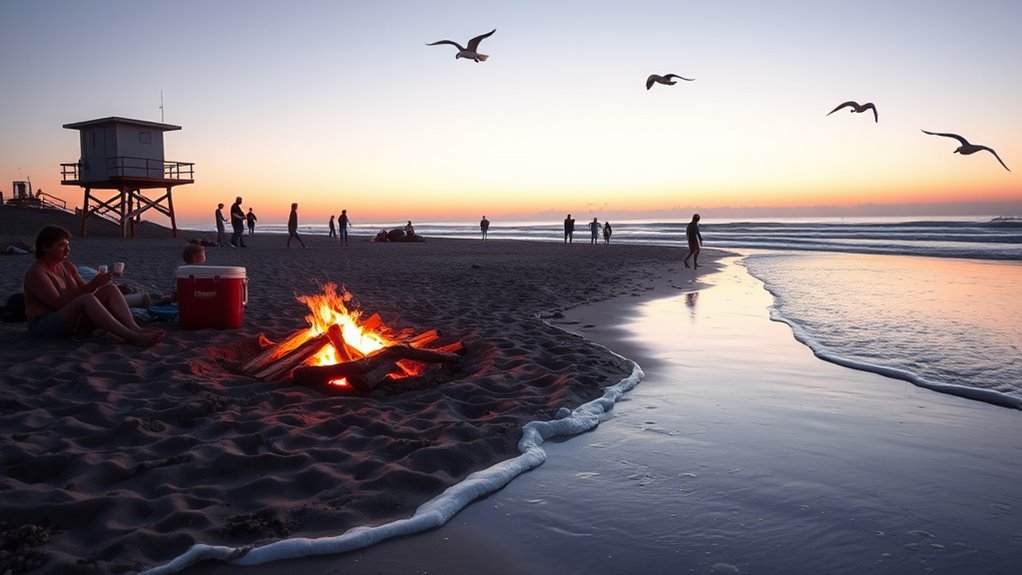
One of the best free ways to soak up San Diego is to hit its public beaches. Coronado Central Beach, La Jolla Shores, Ocean Beach, and Mission Beach offer room for swimming, body surfing, sunbathing, volleyball, sandcastles, and long shoreline walks. Bring a picnic, refillable water bottle, sunscreen, and a blanket to keep the day inexpensive.
Bonfires require more planning. At City of San Diego beaches, fires are allowed only in City-provided fire rings or other approved containers where available. The rings are first-come, first-served, open fires directly on the sand are prohibited, and fires are not allowed from midnight to 5 a.m. Only approved fuel such as wood, charcoal, or paper products may be used, and the fire must be fully extinguished before you leave. Review the City’s current beach amenities and regulations before carrying firewood to the shore.
Coronado is a separate city, so its beach-fire rules may differ from San Diego’s. Wherever you go, obey posted signs, avoid glass containers, keep smoke away from nearby groups, and leave the sand cleaner than you found it. Waves, sunsets, and a simple picnic can still make the beach feel like a complete day out without an admission charge.
La Jolla Cove and Nearby Tide Pools

Pro Tip: Arrive shortly before low tide. Winter often brings the lowest daylight tides, which can expose more rocky habitat and give you a longer, safer viewing window.
La Jolla Cove feels like a living aquarium, with clear water, sandstone cliffs, seabirds, and marine mammals nearby. The Cove itself is best known for swimming, snorkeling, and scuba diving when conditions are calm. For tide pooling, walk to nearby rocky areas such as Shell Beach or explore the tide pools north or south of La Jolla Shores. The San Diego Natural History Museum’s La Jolla Shores tide-pool guide recommends arriving at or just before low tide.
Move slowly on wet rock and look for anemones, crabs, limpets, small fish, and sea stars without touching or collecting them. La Jolla Cove lies within an ecological reserve where fishing and removing objects are prohibited. Bring shoes with grip, keep both hands free for balance, and never turn your back on breaking waves.
Sea lions commonly rest near Point La Jolla, but visitors must stay outside posted closure areas and barriers. The City warns that approaching, touching, or crowding marine mammals can be dangerous and may violate federal law. Check the current Point La Jolla access rules, observe wildlife from a respectful distance, and use a zoom lens rather than moving closer.
Balboa Park Strolls and Museum Free Days

After the coast, head inland to Balboa Park, where about 1,200 acres of gardens, trails, plazas, fountains, public art, and historic architecture invite slow exploration. The park itself has no admission fee. You can visit the renovated Botanical Building and Lily Pond, which features more than 2,100 permanent plants, and enjoy outdoor spaces without buying a museum ticket.
Note: Balboa Park’s rotating museum free days are generally for residents of the City and County of San Diego and active-duty military personnel and their dependents. Photo identification and proof of address may be required.
Visitors from outside the county should focus on the always-free gardens, trails, architecture, public art, Botanical Building, and Timken Museum of Art. San Diego residents can check the Resident Free Days schedule, because participating museums, exclusions, and dates can change.
Parking rules changed in 2026. Paid parking is enforced in most central Balboa Park lots from 8 a.m. to 6 p.m., while the Lower Inspiration Point lot offers up to three free hours. The free tram continues to run through the cultural district, generally every 10 to 15 minutes from 8 a.m. to 8 p.m. Confirm current rates and locations on the official Balboa Park parking page before driving.
Once inside, choose one garden, plaza, or free gallery instead of racing across the whole park. Street performers, weekend lawn programs, shaded benches, and changing seasonal displays make repeat visits worthwhile.
Mission Bay Park Activities and Biking Paths

For wide-open water views and easy outdoor movement, Mission Bay Park offers sandy shorelines, picnic lawns, playgrounds, fire rings, and an extensive network of bicycle and pedestrian paths. The City’s master plan describes more than 12 miles of waterfront paths, but that should not be read as a guaranteed, fully separated, uninterrupted 12-mile loop. Construction, road crossings, and path connections can affect the route.
- Choose an out-and-back ride or walk that matches your time and comfort instead of assuming you must circle the entire bay.
- Pack a picnic and use the public lawns, tables, playgrounds, and designated swim areas.
- Fly a kite at Tecolote Shores or visit Fiesta Island, while staying clear of protected nesting areas.
Dog rules depend on the location and season. Fiesta Island is generally leash-optional outside posted wildlife and youth-camp closures. In most other parts of Mission Bay Park, dogs are prohibited during set daytime hours and must be leashed when they are allowed. Review the City’s current dog-access rules before bringing a pet.
Mission Bay is ideal for a flexible day: walk for 30 minutes, ride several miles, stop at a playground, or watch birds from the shoreline. Bring your own bike and food to keep the outing free.
Sunset Cliffs and Coastal Views
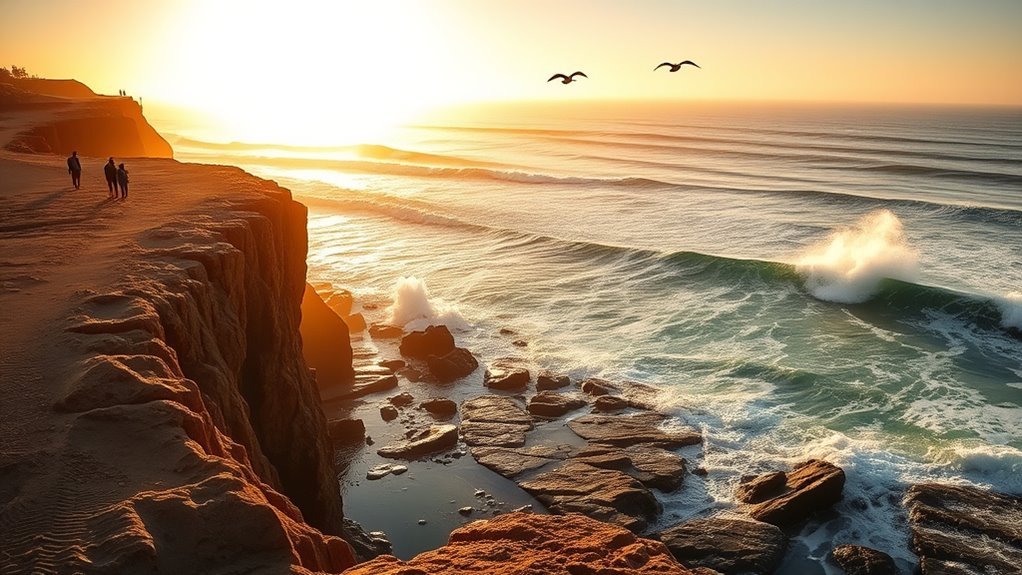
Warning: Stay behind barriers and well back from all bluff edges. Sandstone can fail without warning, and high surf can make unofficial access routes, sea caves, and lower rocks deadly.
From Mission Bay, head west to Sunset Cliffs Natural Park, where rugged bluffs, offshore rocks, and open Pacific views create one of the city’s best free sunset stops. Use legal paths and established overlooks. View sea caves, arches, and wave action from a safe distance rather than climbing down eroded slopes.
| What to Do | Safety and Planning Tip |
|---|---|
| Walk the bluff-top path | Wear sturdy shoes and stay on established routes. |
| Photograph the coastline | Use a zoom or wide lens without stepping beyond barriers. |
| Watch the sunset | Arrive early, park legally, and leave before dark if you are unfamiliar with the paths. |
| Look for wildlife | Observe seabirds and marine mammals from a distance. |
Street parking and small lots are available in some areas, but spaces fill before sunset. The City states that the Ladera Street and Osprey Street sites do not have public restrooms, so plan before you arrive and carry out all trash.
Old Town Historic Sites and Cultural Walks
Step into Old Town San Diego State Historic Park to explore adobe buildings, shaded courtyards, restored shops, museum rooms, and living-history programs. The park interprets the area’s Kumeyaay roots, Mexican California period, and later American settlement instead of presenting the neighborhood as a single, simple story.
Five original adobe buildings, free museum spaces, and living-history programs make Old Town one of San Diego’s strongest no-cost cultural stops.
- Visit restored homes, exhibits, and the working blacksmith area when programs are operating.
- Read the outdoor Iipay ~ Tipai Kumeyaay Mut Niihepok exhibit to understand the land’s Indigenous history.
- Check the official event calendar for free walking tours, demonstrations, music, and seasonal celebrations.
The visitor center and select museums generally operate from 10 a.m. to 5 p.m., though closures and event schedules can change. Official parking lots provide up to four hours of free parking. Dogs are allowed in outdoor areas such as the plaza but not inside museums or historic buildings.
Spreckels Organ Pavilion Concerts
At the Spreckels Organ Pavilion in Balboa Park, the world’s largest outdoor pipe organ fills an open-air bowl with music. The Spreckels Organ Society presents a free public concert every Sunday at 2 p.m., rain or shine. Performances generally last about one hour and may include classical works, film music, jazz-influenced arrangements, and guest artists.
The organ and pavilion were given to the City of San Diego in 1915, and the free-concert tradition grows from that deed of gift. Bring a blanket or low chair, arrive early enough to find a comfortable spot, and check the weekly program before traveling. The concert pairs easily with a free walk through Balboa Park’s gardens, although central parking may cost extra.
These performances are more than background music. They are a public civic ritual where locals, visitors, families, and serious music fans share the same space without a ticket barrier.
Embarcadero Walks and Public Art
San Diego’s Embarcadero is a roughly two-mile downtown waterfront stretch with bay views, parks, plazas, piers, memorials, and public art. A free walk can connect Broadway Plaza and Broadway Pier with Lane Field Park, Ruocco Park, Seaport Village, and the Embarcadero Marina parks.
- Walk the waterfront promenade and public plazas for skyline, ship, and bay photographs.
- Use the Port of San Diego’s Art on the Tidelands resources to identify sculptures and memorials.
- Pause at Ruocco Park or Embarcadero Marina Park North for open lawn, benches, and water views.
Crystal Pier is not on the Embarcadero; it is in Pacific Beach and is currently closed for repairs. Coronado Ferry Landing is also separate, across San Diego Bay. Both were misplaced in the original route description. The Embarcadero itself remains free to walk, but most nearby parking is metered, garage-based, or otherwise paid.
Bring friends or family, refill water before the walk, and check the Port’s event calendar. Public concerts and festivals may be visible from open areas, but ticketed venues and museums along the route are not automatically free.
Mountain Hikes and Scenic Lookouts
For a genuinely free city hike, start with Mission Trails Regional Park. The park has about 60 miles of trails, including routes around Mission Gorge, the Fortuna Mountains, and Cowles Mountain. Cowles Mountain reaches 1,591 feet, the highest point within the City of San Diego, and rewards a steady climb with broad regional views.
Other scenic choices need cost context. Stonewall Peak in Cuyamaca Rancho State Park offers alpine and desert views, but official day-use parking is $10 per vehicle; legal highway turnouts may provide free access where permitted. Torrey Pines State Natural Reserve has coastal cliffs and ocean overlooks, but official parking uses demand-based fees that can reach $25. Lake Cuyamaca may involve parking, fishing, or boating charges. In Anza-Borrego Desert State Park, some developed day-use areas charge fees even though many open desert areas do not.
Note: Mt. Soledad is a quick scenic lookout rather than a wilderness hike. Mission Trails is the better choice for a no-admission trail day close to the city.
Choose a route that matches your fitness and the weather. Carry more water than you expect to need, use sun protection, stay on authorized trails, and avoid exposed inland hikes during extreme heat. Spring wildflowers are never guaranteed, so check current park conditions rather than planning around old bloom reports.
Chula Vista Elite Athlete Training Center
Note: The free option is the self-guided Olympic Path, open Monday through Saturday during daylight hours. Guided and behind-the-scenes packages are paid and subject to availability.
The 155-acre Chula Vista Elite Athlete Training Center supports Olympic, Paralympic, national-team, collegiate, and other elite athletes. Visitors can still experience the campus without paying by walking the mile-long Olympic Path, which provides overlooks of several sport venues.
Free Self-Guided Olympic Path
The self-guided route is the correct no-cost choice for this article. It lets you walk through the main campus during posted daylight hours and view training areas from designated public points. Bring comfortable shoes, stay on the marked route, respect athlete privacy, and understand that daily training activity is not guaranteed.
- Visit Monday through Saturday during daylight hours.
- Follow the designated Olympic Path rather than entering restricted athlete or staff areas.
- Allow about 30 to 60 minutes for a relaxed walk and venue overlooks.
Paid Guided and Behind-the-Scenes Access
Guided tours are not free. The official guided-tour page currently lists a $10 Bronze Olympic Path tour, a $20 Silver venue tour with behind-the-scenes access, and a $45 Gold package that adds lunch. Prices can change, and guided tours depend on weekday availability, weather, and staffing.
The paid options may include closer views of training venues, strength and conditioning areas, and dining facilities. Reserve ahead if that access matters to you. For a strictly free day, use the self-guided path and skip the upgraded packages.
Frequently Asked Questions
Are there free parking spots near popular beach access points?
Yes, but availability is not guaranteed. City beach lots exist at places such as La Jolla Shores, Mission Bay, Mission Beach, Ocean Beach, Pacific Beach, and South Mission Beach. Free street parking may also be available, but spaces fill early and posted limits, sweeping schedules, permits, and temporary restrictions still apply.
Can I bring a dog to these outdoor areas?
Sometimes. Dog Beach at Ocean Beach and much of Fiesta Island allow off-leash use, while most other beaches and Mission Bay areas use seasonal time restrictions and leash rules. Point La Jolla closure areas do not allow dogs. Old Town permits dogs outdoors but not inside museums or historic buildings.
Are there public restrooms along these coastal routes?
Major beaches such as La Jolla Cove, La Jolla Shores, Mission Bay, Mission Beach, Ocean Beach, and Pacific Beach have public restrooms. Sunset Cliffs is less predictable: the City states that the Ladera Street and Osprey Street sites do not have restrooms. Check facilities before starting a long walk.
Is public transportation convenient for these sites?
MTS buses and trolleys serve Old Town, downtown, the Embarcadero, Balboa Park, and several beach neighborhoods. Remote trailheads, Stonewall Peak, and some overlooks are harder to reach without a car. Check the current MTS trip planner and return schedule before leaving.
What are the main safety tips for tide pools and cliffs?
Check tide and surf conditions, wear shoes with grip, keep hands free, and never turn your back on the ocean. Stay behind barriers and far from unstable bluff edges. Do not enter posted wildlife closures, touch marine animals, or climb down unofficial routes. Carry water and a charged phone.
Are Balboa Park museum free days open to all visitors?
Usually not. The rotating Resident Free Days program is for residents of the City and County of San Diego and active-duty military personnel and their dependents. Identification may be required, and special exhibitions can still cost extra. The park’s gardens, public spaces, Botanical Building, and some venues remain free to everyone.
Are Chula Vista Elite Athlete Training Center tours free?
The self-guided Olympic Path is free. Guided tours are paid, with current published packages starting at $10 per person and higher tiers adding venue access or lunch. Check the official site because prices and availability can change.
Are Torrey Pines and Stonewall Peak completely free?
Trail access may be possible without paying if you arrive on foot or use legal free parking outside fee areas, but official parking is not free. Torrey Pines uses demand-based vehicle fees, and Cuyamaca Rancho State Park charges a day-use vehicle fee. Never park illegally to avoid a charge.
Conclusion
San Diego’s best no-cost experiences reward timing and preparation more than spending. Watch wildlife from a respectful distance in La Jolla, walk Mission Bay without forcing a full loop, explore Old Town’s free museums, hear the Spreckels Organ on Sunday, or choose a true no-admission hike at Mission Trails. Check parking, access, tides, weather, and event schedules before leaving, then bring your own water and food. With those details handled, the city can still deliver a full day of beaches, culture, music, and views for little or no money.
Sources
- City of San Diego Beach Amenities and Regulations and Point La Jolla guidance — beach fires, facilities, dog hours, ecological rules, and marine-mammal safety.
- Balboa Park Resident Free Days and Balboa Park parking — eligibility, museum exclusions, paid parking, and tram service.
- Old Town San Diego State Historic Park, Torrey Pines State Natural Reserve, and Cuyamaca Rancho State Park — hours, history, access, and vehicle fees.
- Spreckels Organ Society — free Sunday concert schedule and organ history.
- Port of San Diego Embarcadero and Art on the Tidelands — waterfront route, parks, piers, and public art.
- CVEATC Self-Guided Tours and CVEATC Guided Tours — free Olympic Path access and current paid tour tiers.


1 Comment
Pingback: 10 Best Carmel Indoor Activities For Rainy Days [2026]