
Last Updated on August 26, 2026 by Daniel Globe
Sacramento is an easy California city to explore, with Gold Rush history, major museums, leafy neighborhoods, river trails, and one of the state’s strongest farm-to-fork food scenes. Most first-time visitors can cover the essential sights in two days, while a third day gives you time for the American River Parkway, more neighborhoods, or a nearby Gold Country or wine-country excursion.
Quick Answer
For a first Sacramento trip, spend two days exploring the State Capitol, Old Sacramento Waterfront, the California State Railroad Museum, Crocker Art Museum, Midtown, and the riverfront. Visit in spring or fall for comfortable sightseeing, use SacRT or walk around the central grid, and add a third day for parks, trails, or a nearby excursion.
Key Takeaways
- Two days is enough for Sacramento’s main museums, historic district, Capitol area, and Midtown; three days feels more relaxed.
- Spring and fall are usually the easiest seasons for walking, although hot spells can occur outside midsummer too.
- Downtown and Midtown are the most convenient bases for first-time visitors who want restaurants, attractions, and transit nearby.
- SacRT’s current mobile fare app is Transit Connect; the former ZipPass app was retired in 2026.
- For outdoor time, the 32-mile Jedediah Smith Memorial Trail and the Sacramento and American rivers provide easy escapes from the urban core.
Disclosure: As an Amazon Associate I earn from qualifying purchases. Some links on this page are affiliate links, at no extra cost to you.
Essential Travel Tips & Best Times to Visit Sacramento

If you want comfortable walking weather, spring and fall are usually the easiest seasons to visit Sacramento. March through May often brings mild days, green parks, and blooming gardens, while late September through November usually combines warm afternoons with cooler evenings. June and September can still become quite hot, so do not assume every spring or fall day will be mild.
Summer is Sacramento’s hottest season, and daytime temperatures can climb well into the 90s or higher during heat waves. Winter is cooler and is also part of the region’s wetter season. Check the National Weather Service Sacramento forecast shortly before your trip rather than packing from monthly averages alone.
Warning: Sacramento heat can become dangerous during summer and early-fall heat waves. Carry water, use sunscreen, reduce strenuous outdoor activity during the hottest part of the afternoon, and never leave children or pets inside a parked vehicle.
Sacramento’s central street grid is fairly easy to understand, and many downtown and Midtown attractions can be combined on foot. For longer trips, use light rail, buses, rideshare, or a bike. Shared scooters may also be available, but operators can change, so check the City’s current shared-rideable information instead of relying on an older brand name.
Where to Stay: Neighborhoods and Accommodation Picks

Where you stay affects how much time you spend driving. Downtown and Midtown are the easiest choices for most first-time visitors because restaurants, museums, nightlife, the Capitol area, and transit are close together. Old Sacramento places you beside the historic waterfront, while East Sacramento and Land Park have a quieter residential feel. Natomas is practical when airport access matters more than being able to walk to downtown attractions.
| Area | Best For | What to Expect |
| Downtown | First visits, museums, events | Central location, hotels, Capitol access, transit |
| Midtown | Food, coffee, nightlife | Walkable restaurant and bar scene with a neighborhood feel |
| Old Sacramento | History and waterfront atmosphere | Historic buildings, tourist attractions, river access |
| East Sacramento / Land Park | Quieter stays and families | Residential streets, parks, less nightlife |
| Natomas | Airport access and business trips | Modern hotels but more driving for sightseeing |
Pick downtown or Midtown for the easiest first visit, Old Sacramento for historic atmosphere, East Sacramento or Land Park for quieter surroundings, and Natomas when airport convenience matters most.
How Many Days Do You Need in Sacramento?
Two days is the sweet spot for most first-time visitors. One day is enough for the biggest highlights, but you will need to move quickly. Three days gives you room for the American River Parkway, extra museums, neighborhood exploring, or a nearby day trip.
One-Day Sacramento Itinerary
- Start around the California State Capitol and Capitol Park.
- Walk or ride to the Crocker Art Museum.
- Spend the afternoon in Old Sacramento Waterfront and the California State Railroad Museum.
- Finish with dinner in Downtown, Midtown, or East Sacramento.
Two-Day Sacramento Itinerary
Use the first day for the Capitol, Crocker, Old Sacramento, and the Railroad Museum. On day two, visit Sutter’s Fort, explore Midtown cafés and restaurants, then spend late afternoon along the river or on an easy section of the American River Parkway.
Three-Day Sacramento Itinerary
Keep the two-day plan and use the third day for a longer bike ride, Folsom Lake, Coloma, nearby Gold Country towns, Clarksburg wine country, or a longer Napa Valley excursion. A third day also helps families who prefer shorter museum visits and more breaks.
Top Attractions: Museums, Historic Sites, and Landmarks

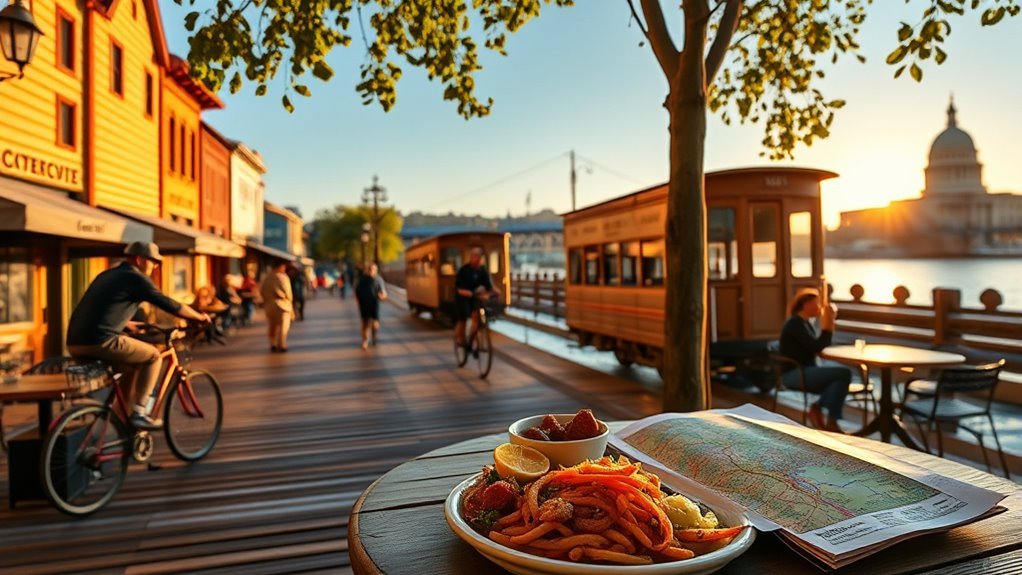
Sacramento’s major attractions are concentrated enough that you can combine several in one day. Old Sacramento Waterfront preserves the city’s Gold Rush-era streetscape and is home to shops, museums, river views, and historic buildings.
The California State Railroad Museum displays more than 20 restored locomotives and railroad cars alongside exhibits explaining how railroads shaped California and the West. It is one of the strongest choices for families and transportation-history fans.
Sutter’s Fort State Historic Park interprets the settlement established by John Sutter beginning in 1839. Modern interpretation also addresses the Native Nisenan and Miwok people and the exploited labor that supported the settlement, giving visitors a fuller picture than older Gold Rush narratives.
The Crocker Art Museum grew from the Crocker family collection and became the first public art museum west of the Mississippi when the gallery and collection were donated to Sacramento in 1885. Its collections now include California art, European master drawings, ceramics, Asian art, African art, photography, and modern works.
At the California State Capitol, visitors can combine the building with Capitol Park. Free public tours are currently offered on weekdays, generally on the hour from 10 a.m. to 4 p.m., subject to state schedules and security needs. Check the California State Capitol Museum tour page before arriving.
Eat and Drink: Restaurants, Coffee Shops, and Food Experiences
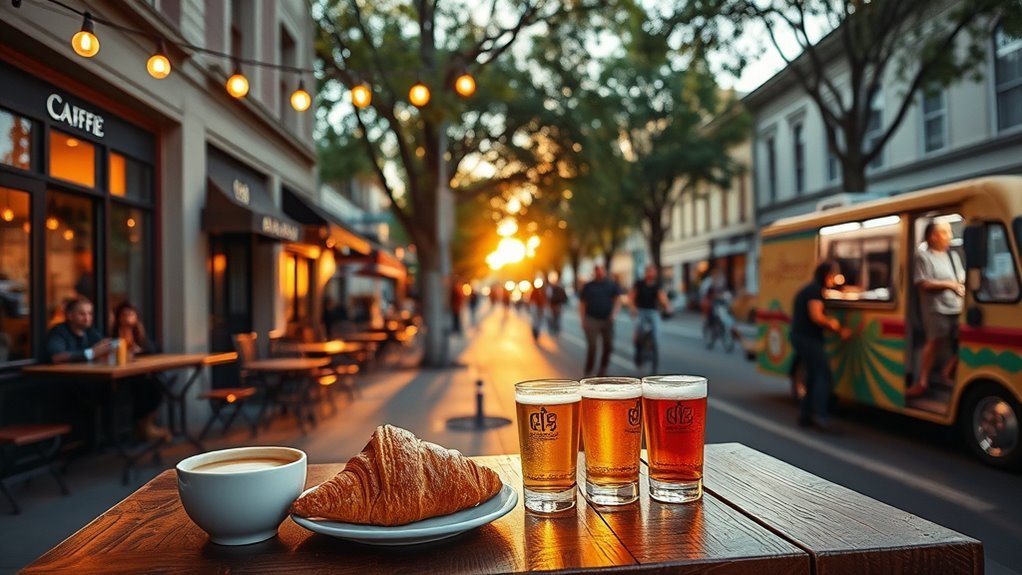
Sacramento sits beside one of the country’s major agricultural regions, which helps explain its strong farm-to-fork identity. Menus change frequently, so restaurant availability and reservations should be checked shortly before your visit.
The Kitchen remains one of Sacramento’s standout special-occasion restaurants and is listed in the Michelin Guide with one star. Kru Contemporary Japanese Cuisine serves contemporary Japanese food, sushi, and omakase, and currently recommends reservations. Temple Coffee Roasters has multiple Sacramento locations, while Scorpio Coffee operates in Midtown at 1905 16th Street.
Note: Beast + Bounty appears in older Sacramento dining guides, including the original version of this article, but the restaurant closed at the beginning of 2025. Do not build a current itinerary around it.
Food-focused visitors can also look for farmers markets, guided tastings, restaurant weeks, and Visit Sacramento’s farm-to-fork events. Event formats and ticket requirements change from year to year, so confirm the current calendar rather than assuming a previous festival schedule still applies.
- Reserve high-demand tasting menus and omakase experiences before your trip.
- Use Midtown for an easy café, restaurant, and bar crawl without much driving.
- Check farmers-market days if local produce is a priority.
- Verify event tickets individually; some Sacramento food events are free while others require paid admission.
Outdoor Activities: Parks, Trails, and River Adventures

Sacramento is especially easy to enjoy outdoors in spring and fall. The American River Parkway, Capitol Park, neighborhood green spaces, and the Sacramento and American rivers give you options ranging from an easy stroll to a full-day bike ride.
American River Parkway Trails
The Jedediah Smith Memorial Trail runs for about 32 miles from Discovery Park toward the Folsom area, paralleling the American River for much of its route. The paved trail is popular for cycling, running, walking, and skating, with access at parks and river areas including Discovery Park, River Bend Park, William B. Pond, Sunrise, and Sacramento Bar.
The Jedediah Smith Memorial Trail gives visitors roughly 32 miles of continuous American River corridor to explore between Sacramento and the Folsom area.
William Land Park is a worthwhile Sacramento park, but it is not a stop on the American River Parkway trail. For an official trail description and access-point list, see Sacramento County Regional Parks.
- Stay right on the paved path except when passing.
- Give an audible warning before passing another trail user.
- Expect faster cyclists on popular stretches.
- Carry water during warm weather because shade varies.
Capitol Park & Gardens
Capitol Park surrounds the State Capitol with mature trees, memorials, paths, and landscaped gardens. The California World Peace Rose Garden contains about 650 roses representing more than 140 varieties, rather than the 1,200 varieties sometimes quoted in older travel content.
The park works well for a short walk before or after a Capitol visit. You will also encounter memorials tied to California military, civic, and political history. The Capitol building itself offers public tours on its current weekday schedule.
Kayaking & River Rentals
The Sacramento and American rivers create several paddling opportunities around the region. Depending on conditions and the season, kayaks, canoes, and stand-up paddleboards may be available from private outfitters or recreation areas. Common access areas include Discovery Park and locations farther east along the American River and Lake Natoma corridor.
Warning: A river that looks calm can still have strong current, cold water, submerged hazards, and seasonal changes in flow. Wear an appropriate life jacket, check current conditions and closures, and do not assume every section is suitable for beginners.
Day Trips and Nearby Excursions
Sacramento makes a useful base for Northern California day trips, but driving times can change sharply with weekday traffic, weekends, weather, and mountain conditions.
- Folsom Lake State Recreation Area: usually one of the quickest nature escapes from central Sacramento, with hiking, biking, picnicking, boating, and seasonal swimming. Check California State Parks for current advisories before water recreation.
- Coloma: visit Marshall Gold Discovery State Historic Park and the area where the 1848 gold discovery helped trigger the California Gold Rush.
- Clarksburg: a closer alternative to Napa for vineyards and Delta scenery south of Sacramento.
- Napa Valley: practical as a long day trip, although traffic can push the drive well beyond an hour each way.
- Nevada City and Grass Valley: Gold Country towns with historic centers, restaurants, galleries, and foothill scenery.
- Lake Tahoe: possible as a long day trip, but two hours should be treated only as a best-case estimate. Winter storms, chain controls, weekend congestion, and construction can add substantial time.
Pro Tip: If you only have two days in Sacramento, stay in the city. Add a long Napa, Gold Country, or Tahoe excursion only when you have a third day or when that excursion is a major reason for your trip.
Getting Around: Transportation, Parking, Safety, and Local Etiquette
Central Sacramento is manageable without a car if you stay downtown or in Midtown. Walking, SacRT buses and light rail, rideshare, cycling, and shared scooters can cover most visitor needs. A car becomes more useful for suburban destinations and day trips.
Transit Options & Passes
Sacramento Regional Transit operates buses and light rail. The major 2026 change visitors need to know is that the former ZipPass mobile fare app has been retired. Transit Connect is now SacRT’s mobile app for purchasing and activating fares.
Transit Connect currently supports single rides and daily or monthly passes. SacRT states that a valid single-ride ticket covers 90 minutes. Check SacRT Transit Connect for current fare options, app changes, and payment features.
- Check routes and service alerts before leaving your hotel.
- Activate mobile fare before boarding when required.
- Use rideshare when transit frequency is inconvenient late at night.
- Allow extra time when attending major downtown events.
Sacramento Airport to Downtown
SacRT’s Airport Express Route 142 connects Sacramento International Airport with downtown and currently operates daily. SacRT lists approximately hourly service and stops serving both airport terminals. Rideshare, taxi, rental cars, and hotel shuttles are alternatives when your arrival time or luggage makes the bus inconvenient.
Bike, Scooter, and Pedestrian Travel
Sacramento’s flat central grid makes many trips comfortable by bicycle, scooter, or on foot. Older travel guides may mention JUMP bikes or other specific shared-mobility brands, but operators change. Use current local apps or the City of Sacramento’s shared-rideable information instead of assuming a specific company will be available.
Do not repeat the older claim that Sacramento currently has a Gold Bicycle Friendly Community rating. The City’s published bicycle planning material identifies a Silver recognition level, and award status can change with later review cycles.
Motorized scooters are subject to local and California rules. Sidewalk riding is prohibited, and shared devices should be parked so they do not block sidewalks or curb ramps.
Parking in Downtown and Old Sacramento
If you drive, garages are often simpler than repeatedly moving between street meters. Downtown, the Capitol area, DOCO, Old Sacramento, and event districts all have paid parking options. Rates, event surcharges, and time limits vary, so read the posted rules where you actually park.
During large events, park once and walk or use transit for the rest of the central-city portion of your day. This is usually less stressful than trying to move a vehicle between every attraction.
Safety, Etiquette, and Practical Tips
Use the same city-awareness habits you would use in any urban destination. Keep valuables out of sight in parked cars, use well-lit routes after dark, secure bikes properly, and stay aware around busy intersections and light-rail tracks.
- Use marked crossings and follow bicycle and scooter traffic rules.
- Keep sidewalks, curb ramps, and transit doors clear.
- Do not leave luggage or electronics visible inside a parked vehicle.
- Check park and river advisories before outdoor recreation.
- Carry water on hot days, even when you are only walking around downtown.
Frequently Asked Questions
Can I Bring My Pet on Public Riverboat Tours?
Pet policies depend on the cruise and operator. Some sightseeing cruises may permit dogs, while dining or specialty cruises can have stricter rules. Service animals are treated separately from ordinary pets. Check the exact Sacramento cruise listing before booking rather than assuming a general company policy applies to every boat.
Are There Annual Festivals With Free Entry in Sacramento?
Yes. Sacramento regularly hosts free public events, although schedules change by year. One established example is Downtown Sacramento’s Concerts in the Park series, which was free during its 2026 season. Farm-to-fork events vary: some programs are admission-free while tastings and special dinners may require tickets.
Where Can I Charge an Electric Vehicle Downtown?
Downtown Sacramento has public and private EV charging in parking garages and other facilities, including City-operated parking locations. Charger availability, connector type, pricing, and access hours can change, so use SacPark or a live charging network such as ChargePoint or PlugShare shortly before arrival. Westfield Galleria is in Roseville and should not be treated as a downtown Sacramento charging location.
Is Sacramento Walkable for Visitors With Mobility Aids?
Much of central Sacramento has curb ramps, relatively flat terrain, and accessible public transit, but conditions are not identical on every block. Historic surfaces around Old Sacramento can be less smooth, and river access can involve ramps whose slope changes with water level. Check individual attractions and transit accessibility details when step-free access is essential.
Are There Luggage Storage Options Near the Amtrak Station?
Yes. Amtrak currently lists paid bag storage and checked-baggage storage at Sacramento Valley Station. Service eligibility and fees can depend on your trip, so confirm the current station rules with Amtrak Sacramento Valley Station before relying on the service.
How Many Days Should I Spend in Sacramento?
Plan two days for a first visit. That gives you time for the Capitol, Old Sacramento, the Railroad Museum, Crocker Art Museum, Midtown, and some riverfront or park time without rushing. Add a third day for the American River Parkway or a nearby Gold Country, Folsom, Clarksburg, or Napa excursion.
Do I Need a Car to Visit Sacramento?
Not for a central-city trip. If you stay downtown or in Midtown, you can combine walking, SacRT, rideshare, cycling, and scooters for most major sights. Rent a car if you plan to stay outside the central grid or take day trips to Folsom Lake, Gold Country, Napa Valley, or Lake Tahoe.
Conclusion
Sacramento works especially well for travelers who like a mix of history, museums, food, and outdoor time without spending every hour in a car. Give yourself two days for the Capitol, Old Sacramento, the Railroad Museum, Crocker Art Museum, Midtown, and the riverfront. With a third day, explore the American River Parkway or head into the foothills, Gold Country, or nearby wine regions. Check current weather, attraction hours, transit alerts, and event schedules shortly before your trip so older information does not shape your plans.
Sources
- National Weather Service Sacramento — current Sacramento weather and heat conditions.
- Sacramento Regional Transit — Transit Connect — current mobile fare system, tickets, and SacRT updates.
- Sacramento County Regional Parks — Jedediah Smith Memorial Trail — official 32-mile trail information and access points.
- California State Capitol Museum — current Capitol public-tour information.
- California State Parks — Folsom Lake State Recreation Area — recreation information, restrictions, and current advisories.
- Amtrak — Sacramento Valley Station — baggage storage, accessibility, station services, and operating information.

