
Last Updated on July 30, 2026 by Daniel Globe
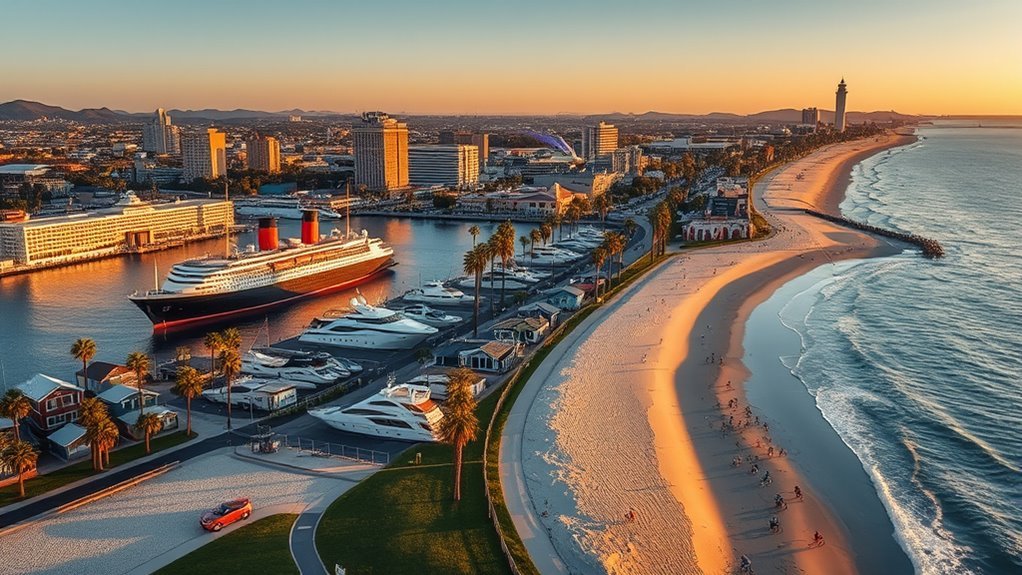
Long Beach blends a working harbor, sandy shoreline, museums, neighborhood restaurants, and an easy-to-explore downtown. You can tour the Queen Mary, spend several hours at the Aquarium of the Pacific, bike beside the beach, browse Retro Row, or build a weekend around Cambodian food and waterfront views. The best trip combines major sights with time in the city’s distinct neighborhoods.
Quick Answer
Long Beach is best for a two- or three-day coastal city break. Base yourself downtown for the Aquarium, Queen Mary, harbor, and transit; add Belmont Shore, Naples, Retro Row, or Cambodia Town for beaches, shopping, and food. Reserve major attractions, check beach-water advisories, and confirm seasonal boat and event schedules before you go.
Key Takeaways
- Downtown and the waterfront are the easiest base for a first visit.
- The Aquarium of the Pacific and the Queen Mary are the two signature attractions, but each needs separate admission and planning.
- Long Beach’s neighborhoods are a major part of the experience, especially Belmont Shore, Naples, Retro Row, East Village, and Cambodia Town.
- Beach conditions, water quality, boat schedules, admission prices, and event dates can change, so check official sources shortly before your trip.
- Public transit works well for downtown sightseeing, while a car or ride-share is more useful for farther neighborhoods and regional day trips.
Disclosure: As an Amazon Associate I earn from qualifying purchases. Some links on this page are affiliate links, at no extra cost to you.
Getting to Know Long Beach: Location, History and Neighborhoods
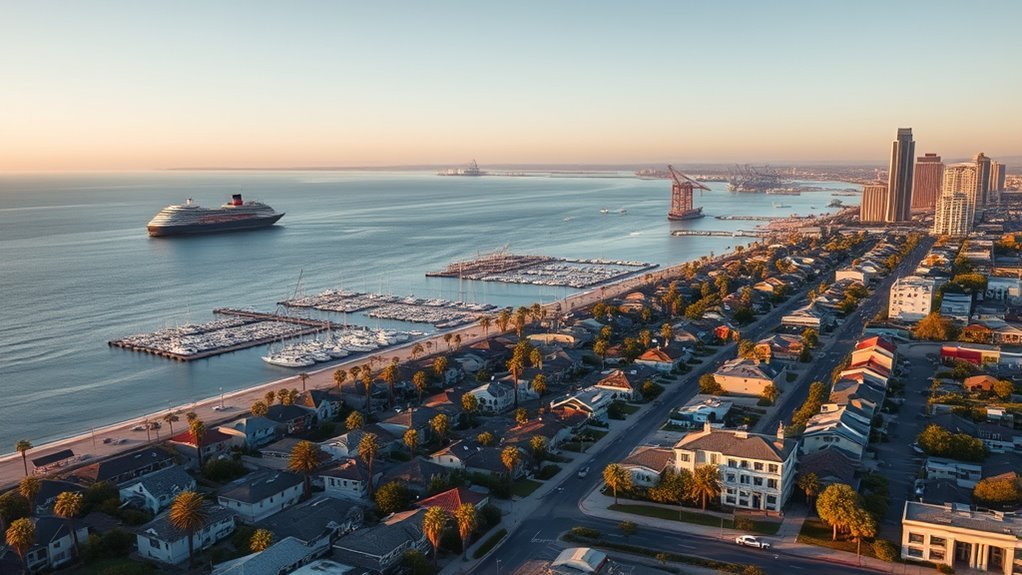
Long Beach sits south of Los Angeles on San Pedro Bay. The city recorded 466,742 residents in the 2020 Census, making it a large, diverse city rather than a small beach town. Its waterfront combines visitor attractions, marinas, parks, cruise operations, and the working Port of Long Beach.
The area has deep Indigenous roots connected to the Tongva people. The City of Long Beach’s history page notes that Spanish explorer Juan Rodríguez Cabrillo called the area the “Bay of the Smokes,” referring to smoke signals seen near present-day Signal Hill. Spanish and Mexican land grants later divided the area into Rancho Los Cerritos and Rancho Los Alamitos. Both ranch sites remain important places for learning about local history.
Best Neighborhoods for Visitors
- Downtown and the waterfront: Best for first-time visitors who want the Aquarium, Shoreline Village, the convention center, Pine Avenue, and transit within easy reach.
- East Village Arts District: A walkable downtown pocket with galleries, murals, cafés, boutiques, and arts events.
- Belmont Shore: A lively stretch around Second Street with restaurants, shops, nightlife, and access to the beach.
- Naples and Alamitos Bay: Better for quiet walks, canals, paddle sports, and a residential coastal feel.
- Retro Row: A Fourth Street district known for vintage clothing, records, independent shops, restaurants, and the restored Art Theatre.
- Cambodia Town: The place to explore Long Beach’s Cambodian community, markets, noodle shops, bakeries, and regional dishes.
- Bixby Knolls: A more residential option with independent businesses, restaurants, and community events along Atlantic Avenue.
Best Time to Visit and How Long to Stay
Long Beach is a year-round destination, but the best timing depends on your priorities. Late spring through early fall usually suits beach walks, outdoor dining, boat trips, and festivals. Winter can bring cooler evenings and occasional rain, but major indoor attractions remain open and hotel demand may be lower outside holidays and convention dates.
Plan two days for the Aquarium, Queen Mary, waterfront, and one neighborhood. Allow three days if you also want museums, a whale-watching trip, beach time, or a deeper food itinerary. Add another day for Catalina Island, the Palos Verdes Peninsula, San Pedro, or another regional side trip.
Long Beach works best when you pair one major waterfront attraction with one neighborhood each day instead of trying to treat the entire city as a single downtown stop.
Top Attractions: Aquarium of the Pacific, the Queen Mary and More
Aquarium of the Pacific
The Aquarium of the Pacific is the city’s best-known family attraction. It presents more than 100 exhibits and 19 major habitats focused on the Pacific Ocean, including Southern California, the Northern Pacific, tropical waters, sharks, sea otters, penguins, and changing exhibitions. Allow at least three hours, and longer if you attend animal presentations or visit with children.
Timed admission may be required or encouraged, especially on weekends and school breaks. The Aquarium is KultureCity-certified and offers sensory resources, including sensory bags and designated support for guests with sensory needs. Check the current accessibility page and event calendar before visiting.
The Queen Mary
The Queen Mary began her maiden voyage in May 1936 and later served during World War II before becoming a permanently moored Long Beach landmark. Today, visitors can explore exhibits and tours, dine aboard the ship, attend events, or stay in an Art Deco stateroom.
Admission, tours, restaurants, hotel access, and parking are separate considerations. Some historic areas of the ship are difficult or impossible to access for guests with limited mobility, so review the ship’s current accessibility information before booking.
Other Museums and Historic Sites
- Museum of Latin American Art: The only U.S. museum dedicated to modern and contemporary Latin American and Latino art.
- Long Beach Museum of Art: Art exhibitions in a bluff-top setting overlooking the coast.
- Rancho Los Alamitos: A historic ranch site with gardens and exhibits that interpret Indigenous, Spanish, Mexican, and American periods.
- Rancho Los Cerritos: A preserved adobe home and grounds that help explain the region’s rancho history.
- Earl Burns Miller Japanese Garden: A compact garden at California State University, Long Beach; reservations or limited hours may apply.
Pro Tip: Do not assume one waterfront ticket covers several attractions. The Aquarium, Queen Mary tours, cruises, parking, and special events are generally booked and priced separately.
Waterfront Activities: Harbor Cruises, Whale Watching and Water Sports
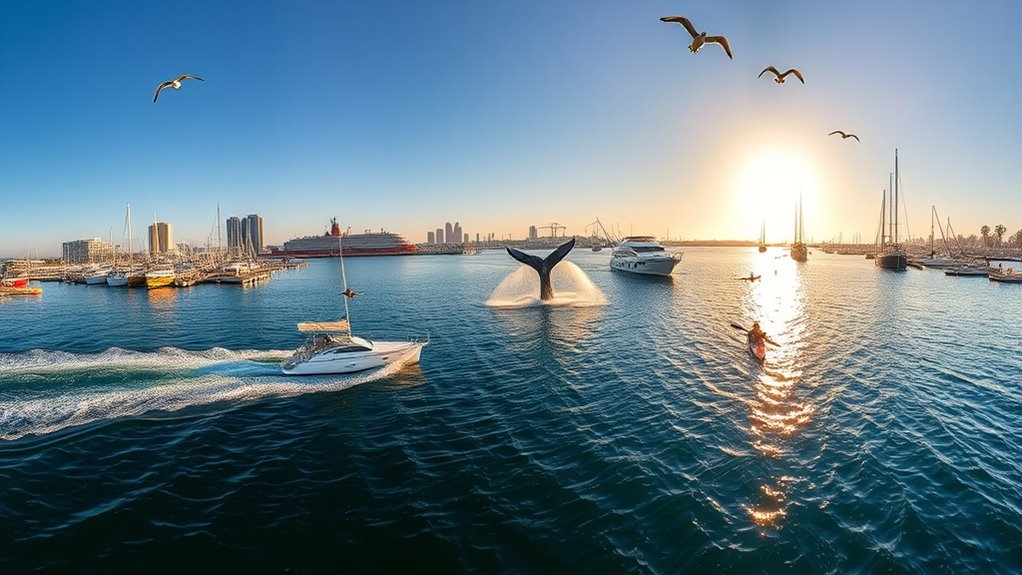
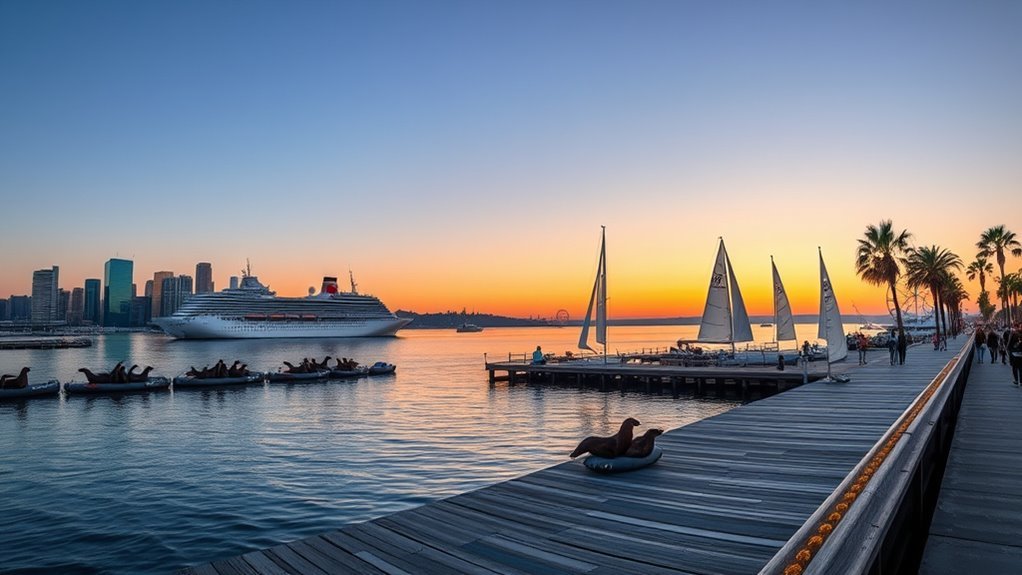
A narrated harbor cruise is an easy way to see the downtown skyline, Queen Mary, marinas, and port activity without committing to a long excursion. Whale-watching trips usually spend several hours offshore and may encounter dolphins, whales, sea lions, or seabirds, but wildlife sightings are never guaranteed.
Kayaks and paddleboards are popular around Alamitos Bay and Naples, where the water is generally more protected than the open coast. Jet-ski rentals, parasailing, private boat rentals, and sailing trips may also be available through licensed operators. Compare minimum ages, deposits, cancellation rules, life-jacket policies, and weather limits before paying.
Long Beach Transit’s water-taxi service is seasonal and may operate on a limited schedule. Treat it as a scenic transportation option rather than the only way to reach a timed reservation.
Note: Ocean and harbor water can feel cold even on warm days. Bring a light layer for boat trips, and use a wetsuit when the operator recommends one for longer water sessions.
Beaches, Parks and Outdoor Adventures
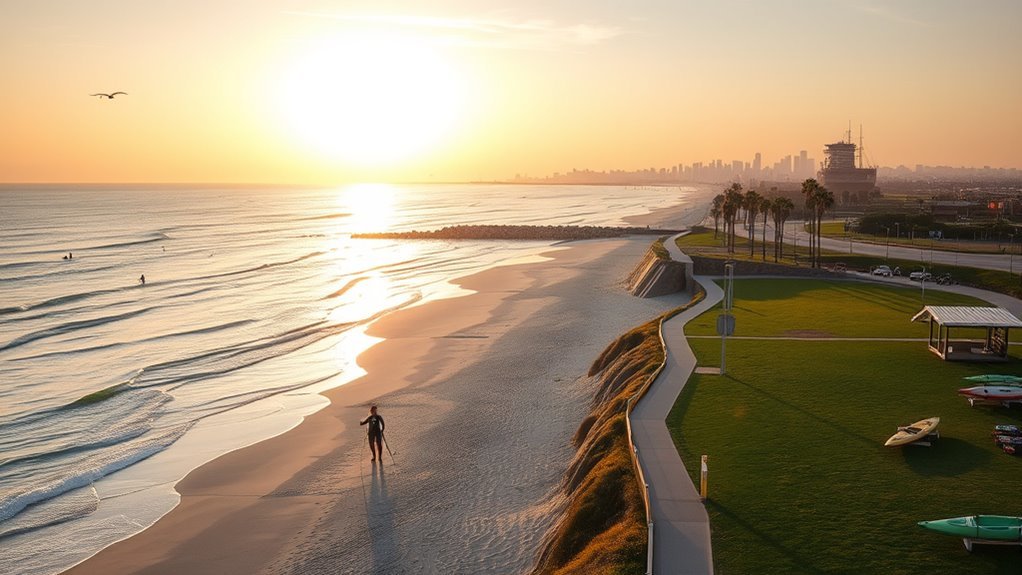
Long Beach has about seven miles of public ocean and bay shoreline. Alamitos Beach, Junipero Beach, and the long City Beach stretch are convenient for walking, cycling, sunbathing, and casual beach sports. The offshore breakwater reduces surf along much of the oceanfront, so visitors seeking larger waves usually look elsewhere in Southern California.
For families, Mother’s Beach offers a protected bay setting, playground, picnic areas, and shallow water. Rosie’s Dog Beach provides a designated off-leash dog zone during posted hours. El Dorado Regional Park adds lakes, trails, picnic areas, and recreation away from the waterfront, while Signal Hill offers elevated views close to the city.
Swimming and Water Quality
The City of Long Beach routinely tests recreational water and posts warnings or closures when bacterial levels are unsafe. Conditions can worsen near storm drains and after rain. Check the city’s Beach Watch conditions on the day you plan to swim, and follow all posted signs.
Warning: Do not enter water under a closure, near a flowing storm drain, or when lifeguards advise against swimming. After rain, wait for official guidance rather than assuming the water is safe.
Biking and Walking
The Shoreline Pedestrian Bikepath is one of the easiest scenic rides for visitors. Long Beach Bike Share also provides short-term bikes at hubs around the city, but rates and service areas can change. Ride predictably, use lights after dark, lock the bike correctly, and watch for pedestrians on shared paths.
For cliff trails and wider ocean views, the Palos Verdes Peninsula is a separate destination west of Long Beach. It is better treated as a half-day trip with a car or ride-share than as a Long Beach neighborhood.
Arts, Museums and Cultural Highlights

Long Beach’s arts scene ranges from major museums to neighborhood galleries, murals, live performance, and studio events. The strongest cluster for a casual walk is the East Village Arts District, but public art appears throughout downtown and many residential districts.
Museum of Latin American Art
The Museum of Latin American Art, commonly called MOLAA, focuses on modern and contemporary Latin American and Latino art. The museum’s current expansion information describes a collection of more than 1,600 works representing artists from 33 countries. Rotating exhibitions, gardens, education programs, festivals, and public events make it more than a single permanent display.
MOLAA currently offers free admission on Sundays, although special programs may have separate registration or fees. Confirm current hours, exhibition closures, and ticket rules before traveling.
East Village Galleries and Art Walks
The East Village Arts District includes galleries, studios, murals, boutiques, cafés, and performance spaces. Second Saturday programming and downtown Art + Design Walk events can bring gallery openings, music, vendors, and street activity, but the route and participating venues may change from month to month.
| Best for | Local art, murals, independent shops, cafés, and evening events |
| When to go | Daytime for relaxed browsing; scheduled art-walk evenings for more activity |
| Planning tip | Check the current event map because participating galleries and hours vary |
Where to Eat: Restaurants, Cafés and Local Specialties
Long Beach’s food scene is one of the best reasons to leave the waterfront. You can move from seafood and brunch to Cambodian noodles, Colombian-inspired cooking, Southern comfort food, pizza, bakeries, and chef-led tasting menus within a few miles.
Neighborhood Food Guide
- Cambodia Town: Start with Phnom Penh Noodle Shack or another long-running Cambodian restaurant for noodle soups, rice plates, grilled meats, and bright herb-forward flavors.
- Belmont Shore: Good for a walkable mix of cafés, casual restaurants, bars, desserts, and outdoor seating along Second Street.
- Downtown and the waterfront: Convenient for harbor-view meals, pre-event dining, and restaurants near hotels and attractions.
- Retro Row and Broadway: Strong for coffee, brunch, independent restaurants, bars, and casual evening stops.
- Bixby Knolls: A useful choice for neighborhood dining and breweries away from the tourist core.
Notable Local Restaurants
Examples worth checking include Heritage for a refined, seasonal meal; Little Coyote for New York-style pizza; The Attic for Southern-inspired comfort food and its well-known Bloody Mary; Phnom Penh Noodle Shack for Cambodian noodles; Selva for Colombian-inspired dishes; and Parker’s Lighthouse for a waterfront setting. Sophy’s is another established Cambodian option in the wider Long Beach area.
Restaurant hours, reservation policies, menus, service charges, and even operating status can change. Check the restaurant’s own current site or reservation page before making a special trip.
Pro Tip: Build one meal around Cambodia Town rather than eating every meal near the harbor. It gives you a much clearer sense of Long Beach’s local identity.
Shopping Districts, Markets and Vintage Finds
Retro Row is the city’s best-known vintage-shopping district. The core runs along Fourth Street and mixes vintage clothing, records, furniture, gifts, cafés, restaurants, and the Art Theatre. Inventory changes constantly, which is part of the appeal.
Belmont Shore’s Second Street offers a broader mix of boutiques, services, national retailers, and restaurants. East Village is better for local art, design goods, sustainable fashion, and independent makers. Shoreline Village and the Pike Outlets are convenient additions to a waterfront day, although they feel more visitor-focused than Retro Row or East Village.
| Retro Row | Vintage clothing, records, furniture, gifts, cafés, and independent businesses |
| Belmont Shore | Walkable shopping, dining, nightlife, and beach access |
| East Village | Art, design, boutiques, studios, murals, and event-night browsing |
| Waterfront | Souvenirs, casual shopping, harbor views, and easy access from major attractions |
Events, Festivals and Annual Happenings
Long Beach hosts neighborhood art walks, food and cultural festivals, concerts, holiday boat parades, convention events, and waterfront races throughout the year. Dates and locations can change, so use the official city or tourism calendar rather than relying on an old annual list.
The Acura Grand Prix of Long Beach is normally held in spring on downtown streets and brings major road closures, crowds, and higher lodging demand. Book early if the race is the reason for your visit; avoid the event weekend if you want a quiet waterfront stay.
Long Beach is also a major LA28 venue zone. The current official venue plan includes several Long Beach locations for Olympic and Paralympic competition, but event assignments and operating plans may still be updated before 2028. Check the official LA28 venue page for the latest plan.
Where to Stay: Hotels, Historic Lodging and Budget Options
Downtown is the most practical area for a first visit because it puts the waterfront, convention center, restaurants, Metro A Line, and Long Beach Transit within easy reach. Belmont Shore and Naples feel more residential and coastal but have fewer conventional hotels, so vacation-rental rules and availability need careful checking.
- Downtown waterfront hotels: Best for walkability, harbor views, conventions, and first-time sightseeing.
- The Queen Mary: Best for history and atmosphere; expect the quirks of a preserved ocean liner rather than a standard modern hotel.
- Long Beach Airport area: Useful for early flights, business travel, and easier freeway access, but less convenient for evening waterfront walks.
- Budget motels and limited-service hotels: Compare recent reviews, parking fees, deposits, neighborhood location, and cancellation terms rather than choosing on room price alone.
Terranea Resort is sometimes grouped into broader Long Beach-area recommendations, but it is in Rancho Palos Verdes, about 15 miles from Long Beach according to the resort. Choose it for a separate resort experience, not for walking to Long Beach attractions.
Note: Hotel prices change by date, event calendar, room type, taxes, and parking. Exact nightly ranges become outdated quickly, so compare the total stay cost on your actual dates.
Sample Long Beach Itineraries
One Day
- Start at the Aquarium of the Pacific when it opens.
- Walk through Rainbow Harbor and Shoreline Village for lunch.
- Tour the Queen Mary in the afternoon.
- Finish with dinner downtown, in Cambodia Town, or along Retro Row.
Two Days
Use the one-day plan for the waterfront. On day two, choose MOLAA or the Long Beach Museum of Art, browse Retro Row, walk Belmont Shore and Naples, and reserve a neighborhood dinner.
Three Days
Add a whale-watching trip, kayak session, El Dorado Park visit, rancho tour, or half-day excursion to Palos Verdes or San Pedro. Keep one flexible block in case marine weather or event traffic changes your plan.
Practical Tips: Transportation, Parking, Safety and Accessibility
Getting to Long Beach
Long Beach Airport is the closest airport and handles domestic service. LAX and John Wayne Airport are farther away but may offer more flight choices. Travelers arriving by rail can use the Metro A Line, which serves Downtown Long Beach and connects with the wider Los Angeles Metro network.
Getting Around
Long Beach Transit buses cover downtown and outlying neighborhoods. The free downtown Passport route serves major waterfront destinations, including the Aquarium and Queen Mary. Metro, local buses, bike share, ride-share, walking, and seasonal water taxis can be combined for a car-light visit.
A car is still useful for El Dorado Park, Palos Verdes, some restaurant trips, or travel with extensive mobility equipment. Downtown parking garages and attraction lots are convenient but may charge separate fees. Read posted limits and validation rules instead of assuming a restaurant or attraction includes parking.
Pro Tip: Stay downtown and use the free Passport for a waterfront day. Save the car or ride-share for Belmont Shore, Cambodia Town, Retro Row, El Dorado Park, or regional trips.
Safety
Use normal urban precautions. Keep valuables with you, do not leave bags or electronics visible in a parked car, use well-lit routes at night, and check your route before walking between unfamiliar areas. Conditions vary by block and time of day, so current local guidance is more useful than broad claims that an entire neighborhood is “safe” or “unsafe.”
You may see people experiencing homelessness in some public areas. Be respectful, stay aware of your surroundings, and contact emergency services when there is an immediate safety or medical threat.
Accessibility
Accessibility varies across historic sites, beaches, boats, hotels, and event venues. The City has beach-access mobility mats at Alamitos Beach, Granada Beach, and Mother’s Beach. The Aquarium offers extensive accessibility and sensory resources. The Queen Mary has accessible areas, but the ship’s historic design limits access to some decks and spaces.
Contact attractions and tour operators before paying when you need step-free routes, wheelchair space, sign-language interpretation, assisted listening, service-animal accommodation, sensory support, or accessible transportation. Ask for the exact route from parking or transit to the entrance, not only whether a venue is described as “ADA accessible.”
Frequently Asked Questions
How many days do you need in Long Beach?
Two days cover the main waterfront attractions and one or two neighborhoods. Three days are better if you want a museum, whale-watching trip, beach time, kayaking, or a regional side trip.
Do you need a car to visit Long Beach?
Not for a downtown waterfront trip. The Metro A Line, Long Beach Transit, the free Passport, walking, bike share, and ride-share can cover the core. A car is more convenient for farther neighborhoods, El Dorado Park, Palos Verdes, and other regional trips.
Can you drink alcohol on Long Beach public beaches?
Public consumption is generally prohibited unless it occurs in a properly licensed or specifically permitted area. Do not bring alcohol onto a public beach based on informal local practice; follow posted rules and the current Long Beach Municipal Code.
Where can you find public restrooms after 10 p.m.?
There is no reliable citywide list of late-night public restrooms, and beach or park facilities may close. Plan around the posted hours of your hotel, restaurant, attraction, parking facility, or event venue. Ask permission before using a business restroom.
Are there pet-friendly restaurants with outdoor seating?
Yes, many cafés and restaurants have dog-friendly patios, but policies can change and health rules generally keep non-service animals out of indoor dining areas. Call the restaurant and confirm the patio policy before arriving with a pet.
Is it safe to leave valuables in a parked car near the waterfront?
No. Do not leave valuables visible in any parked car. Take bags and electronics with you, lock the vehicle, close the windows, and choose a well-lit legal parking area.
Do Long Beach attractions offer sensory-friendly or quiet visits?
The Aquarium of the Pacific offers sensory resources and schedules sensory-friendly family mornings on selected dates. Other museums and attractions may provide accommodations by request. Check the current calendar and contact the venue directly because quiet-hour programs are not necessarily offered every day.
Conclusion
Long Beach rewards a slower plan. Give the Aquarium and Queen Mary enough time, then move beyond the waterfront for Cambodian food, vintage shopping, neighborhood art, canals, parks, and beach paths. Stay flexible around marine weather, water-quality notices, traffic, and event closures. With a well-chosen base and a few advance reservations, the city works equally well for a family weekend, food-focused break, or relaxed coastal stay.
Sources
- City of Long Beach — Long Beach History — Indigenous, Spanish, rancho, and city-history context.
- Aquarium of the Pacific — Exhibits — current exhibit and habitat count.
- The Queen Mary — Ship History — maiden voyage and ship background.
- Museum of Latin American Art — Mission and History — museum focus and institutional role.
- Long Beach Transit — local bus, Passport, and seasonal water-transit information.
- City of Long Beach — Ocean Water Monitoring — beach testing, warnings, and closure information.
