
Last Updated on September 10, 2026 by Daniel Globe
A good hiking packing list does more than keep you comfortable. It helps you handle changing weather, delays, navigation problems, minor injuries, and an unexpected night outside. What you carry should match the route, season, forecast, remoteness, group size, and whether you are taking a short day hike or an overnight backpacking trip.
Quick Answer
Pack the hiking Ten Essentials first: navigation, sun protection, insulation, illumination, first aid, fire, repair tools, extra food, water plus treatment, and emergency shelter. Then add clothing, footwear, sleep gear, cooking equipment, hygiene items, and wildlife-specific gear based on your route, weather, trip length, and local regulations.
Key Takeaways
- Carry the Ten Essentials even on day hikes, then scale the rest of your gear to the route, conditions, and distance from help.
- Choose moisture-managing layers, reliable rain protection, and well-fitting footwear with traction suited to the terrain.
- Bring enough drinking water for the route and a treatment method when you may need to refill from natural sources.
- Use a map and compass or another independent backup; do not treat a phone or mobile hotspot as guaranteed backcountry communication.
- For overnight trips, add an appropriate shelter, sleep system, food storage method, stove where permitted, and sanitation supplies.
At a Glance
| Time Required | About 15–30 minutes for a familiar day hike; longer for overnight, remote, winter, or permit-based trips |
| Difficulty | Easy to moderate planning; gear needs rise with weather, elevation, remoteness, and trip length |
| Tools Needed | Route map, current forecast and trail information, packing checklist, and a properly fitted pack |
| Cost | $0 if you already own the basics; otherwise highly variable because footwear, shelter, sleep systems, and satellite devices can change the total substantially |
Disclosure: As an Amazon Associate I earn from qualifying purchases. Some links on this page are affiliate links, at no extra cost to you.
Plan Before You Pack
Start with the hike, not the gear shelf. Check the route distance, elevation gain, terrain, forecast, daylight, water availability, trail closures, permit rules, fire restrictions, wildlife requirements, and the abilities of everyone in your group. Before leaving, share your route, trailhead or parking location, backup plan, and expected return time with a trusted person who is not on the hike.
- Download or carry the route: Save an offline map before leaving service, and carry a paper map and compass for remote or complex routes.
- Check current conditions: Snow, washed-out bridges, wildfire closures, heat, high water, and thunderstorms can make a familiar trail much harder.
- Set a turnaround time: Turn back before darkness, severe weather, or fatigue makes the return unsafe.
- Verify permits and rules: Some trailheads, wilderness areas, campsites, fires, and food-storage systems require permits or specific equipment.
Warning: Weather can change quickly in mountain and desert environments. If thunderstorms are possible, plan an early turnaround and get off exposed ridges or summits. The National Weather Service says there is no completely safe place outdoors when thunderstorms are in the area.
The 10 Essentials for Hiking
The National Park Service Ten Essentials guidance treats these systems as the minimum hikers should consider for any outing. The exact items should still be adjusted for the location, season, duration, and distance from help.
- Navigation: Map, compass, GPS device or offline phone map, plus the skills to use them.
- Sun protection: Sunglasses, sunscreen, a brimmed hat, and protective clothing as conditions require.
- Insulation: Extra layers, hat and gloves when appropriate, and rain or wind protection.
- Illumination: A headlamp or flashlight with spare power; do not rely on your phone flashlight alone.
- First aid: A kit matched to group size, trip length, known medical needs, and your level of training.
- Fire: A lighter, waterproof matches, or another fire starter where fires are legal and conditions allow them.
- Repair tools: A knife or multi-tool, tape, cord, and any repair items specific to your gear.
- Extra food: Enough energy-dense food to cover the planned hike plus a reasonable delay.
- Hydration: Drinking water plus a treatment method when natural sources may be used.
- Emergency shelter: An emergency bivy, tarp, space blanket, or your overnight shelter.
Clothing and Footwear
When embarking on an outdoor adventure, the right clothing and footwear are important for comfort and safety. Choose them for the environment and forecast rather than for appearance. Layering gives you flexibility as your body heat and weather conditions change.
A moisture-wicking base layer helps move sweat away from the skin. An insulating mid-layer such as fleece or down adds warmth, while a waterproof, wind-resistant outer shell protects against rain and wind. In mountain terrain, a lightweight breathable shell that packs down easily is useful when conditions change quickly.
Footwear is equally important, but there is no single best choice for every trail. Prioritize fit, traction, protection, and comfort. Hiking boots can add structure and protection on rough terrain or under heavier loads, while breathable trail runners often work well for maintained trails and warmer conditions. Waterproof footwear can help in sustained wet or cold conditions, though it may dry more slowly once water gets inside.
A well-lugged outsole can improve grip on loose or uneven ground. Vibram is one common outsole brand, but tread pattern, rubber compound, fit, and trail conditions all affect traction. Moisture-managing, cushioned socks can reduce friction and improve comfort; carrying a dry spare pair is useful on long or wet hikes. In colder climates, insulated footwear may be appropriate.
Pro Tip: Test shoes, socks, rain gear, pack fit, water treatment, stove, and navigation tools before the trip. The trail is a poor place to discover that new footwear rubs, a filter is clogged, or a headlamp battery is dead.
Shelter and Sleeping Gear
The selection of shelter and sleeping gear is crucial for a good night’s rest on an overnight trip. A tent, tarp, hammock system, or bivy should match the expected weather, insects, campsite rules, group size, and your experience. Weight matters for backpacking, but a specific tent weight is not automatically “ideal”; weather protection, usable space, durability, and ease of setup matter too.
A two-person backpacking tent under four pounds can be a practical lightweight option for many hikers, but lighter and heavier designs can both be appropriate. Look for a rainfly or other weather protection suited to the forecast, a sound floor, secure stakes or anchors, and enough ventilation to manage condensation.
Choose a sleeping bag or quilt using the expected overnight low, not just a “three-season” or “winter” marketing label. Standardized ISO or EN temperature ratings can make bags easier to compare. Cold sleepers should pay close attention to the comfort rating, and everyone should pair the bag with a sleeping pad that provides enough insulation from the ground.
Inflatable pads are popular because they can be light and compact, while closed-cell foam pads are simple, durable, and resistant to punctures. Together, the shelter, sleeping bag or quilt, and pad form a sleep system; a warm bag on an under-insulated pad can still leave you cold.
Navigation and Communication
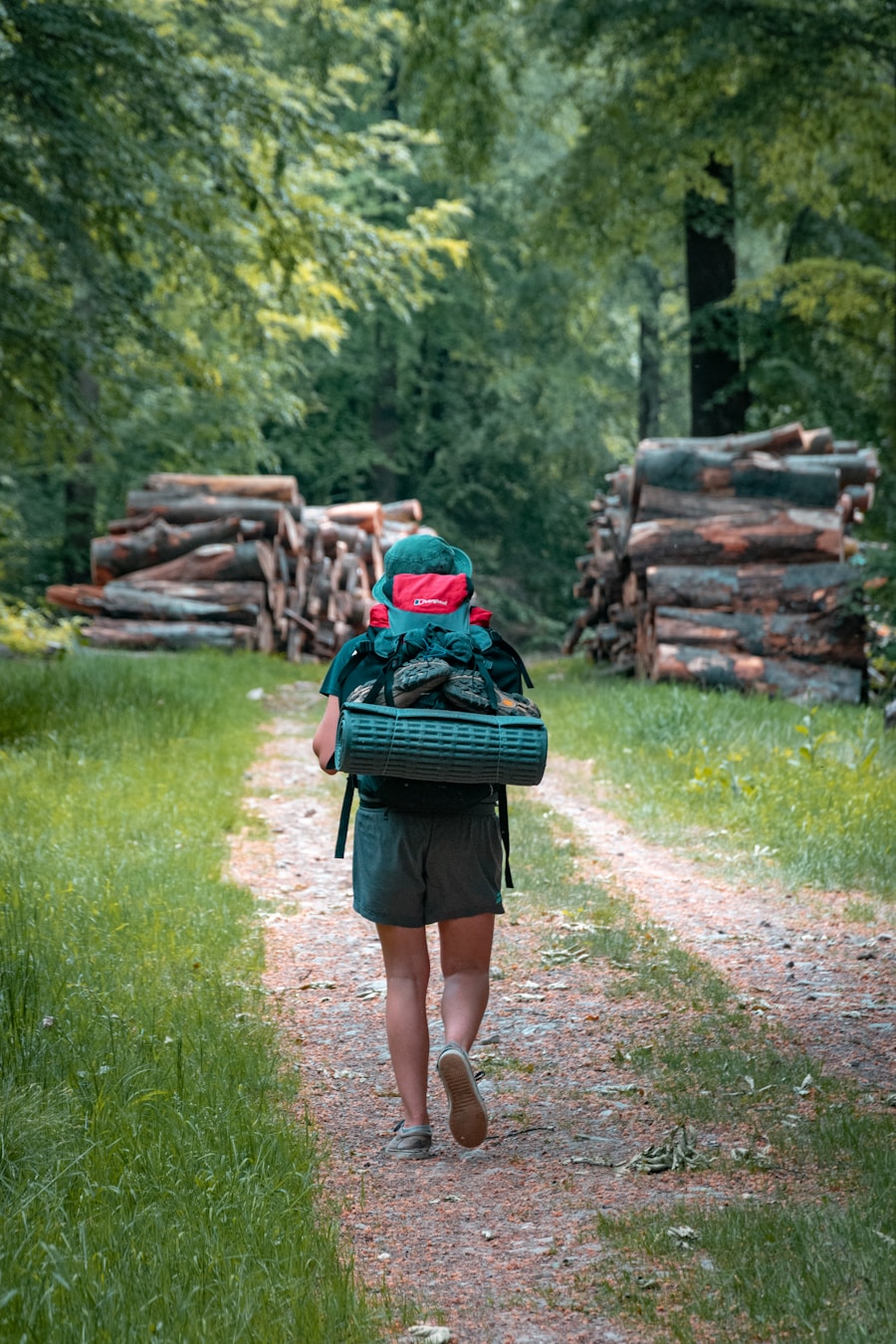
In the wilderness, effective navigation and communication tools are indispensable for safety and orientation. Traditional maps and compasses remain valuable in remote areas and provide a backup when electronics fail. A topographic map can show terrain, elevation contours, trails, and mapped water features, helping you plan the route and anticipate steep climbs or descents.
GPS devices and smartphone applications can provide location tracking and route information, but batteries can fail and phones can be damaged or lose service. Download maps before the hike, carry a charging cable, and protect electronics from water. A power bank or spare batteries can extend runtime. A portable solar charger may help on sunny multi-day trips, but cloud cover, shade, panel size, and limited daylight mean it should not be treated as a guaranteed power source.
Cell service may be absent in remote areas. A satellite messenger or personal locator beacon can add an emergency communication option where cellular networks do not reach, but you should understand the device, subscription or registration requirements, coverage limitations, and SOS procedure before departure.
Note: A mobile Wi-Fi hotspot still depends on an available cellular data network in most cases. It can be useful while traveling, but it is not a substitute for an offline map, paper backup, satellite messenger, or personal locator beacon in areas without service.
Water and Hydration
Carry enough water for the planned route and conditions, then decide whether you also need a refill and treatment plan. Water needs vary with heat, humidity, altitude, pace, body size, and exertion. As one current park reference, Great Smoky Mountains National Park lists at least 1 liter per two hours of hiking among its Ten Essentials guidance; hotter and drier environments may require more.
Never assume a clear mountain stream is safe to drink. The Centers for Disease Control and Prevention recommends treating water when safety is uncertain. Boiling is the most reliable germ-killing method; bring clear water to a rolling boil for 1 minute, or 3 minutes above 6,500 feet. When boiling is not practical, the CDC recommends filtering and then disinfecting according to the product instructions.
Pack the treatment system you know how to use, plus a backup appropriate to the trip. Also check whether water sources are seasonal, dry, frozen, contaminated by harmful chemicals, or too far apart for your carrying capacity.
First Aid Kit and Personal Care Items
| Item | Example Compact-Kit Amount | Maintenance |
|---|---|---|
| Adhesive bandages | Assorted sizes; scale to group and trip length | Keep dry; replace damaged or expired sterile supplies |
| Gauze pads | Several sterile pads | Replace if packaging is damaged or the labeled date has passed |
| Antiseptic wipes | Several single-use wipes | Replace dried-out or expired packets |
| Tweezers | 1 | Clean after use; inspect for damage |
| Scissors | 1 | Keep clean and protected |
| Hand sanitizer | 1 small bottle | Replace when empty or past the labeled expiration date |
A well-stocked first aid kit prepares you for minor cuts, blisters, scrapes, and other problems that can occur far from a trailhead. In addition to the items above, consider medical tape, blister care, elastic wrap, gloves, any personal prescriptions, and a small first aid reference. The right kit depends on group size, trip length, known medical needs, and the skills of the people carrying it.
Personal care items also matter. Pack broad-spectrum sunscreen, lip balm with SPF, sunglasses, a hat, and moisturizer or lotion when dry conditions make skin care useful. In tick or mosquito country, the CDC recommends EPA-registered repellents such as DEET, picaridin, IR3535, oil of lemon eucalyptus/PMD, or 2-undecanone when used according to the label. Ticks can transmit illnesses such as Lyme disease, while mosquitoes can transmit illnesses such as West Nile virus. The CDC also advises applying sunscreen first and repellent second when both are used.
Biodegradable soap does not make washing directly in a stream or lake acceptable. Following Leave No Trace guidance, collect water and wash at least 200 feet from natural water sources where local rules allow. Use only a small amount of soap, strain out food particles, pack out the scraps, and disperse wastewater as local guidance directs.
Food and Cooking Supplies
Proper nutrition helps maintain energy during outdoor adventures. Plan meals around trip length, weather, appetite, dietary needs, and whether cooking is practical. Lightweight, non-perishable foods such as dehydrated meals, energy bars, nuts, tortillas, nut butter, jerky, and dried fruit are convenient because they pack well and provide useful calories without refrigeration.
For day hikes, prioritize food that can be eaten without cooking so a stove failure or fire restriction does not leave you without a meal. For overnights, a portable camp stove can make hot meals and drinks easier where stoves are allowed. Choose the stove and fuel system for temperature, altitude, trip length, group size, and local rules; do not assume propane or butane is the only option.
Lightweight aluminum or titanium cookware can reduce pack weight, and a spork or small utensil keeps the kitchen simple. Carry enough fuel for the planned meals plus a sensible margin, and follow all fire restrictions.
Store Food and Scented Items Correctly
Food storage rules vary by destination. In bear country, some parks require approved bear-resistant canisters or lockers, while others allow specific hanging methods. Food, trash, toiletries, sunscreen, insect repellent, and other scented items may all be regulated as attractants. Check the land manager’s current rules before you leave and never store food in your tent.
Warning: Do not improvise wildlife food storage based on advice from another park. Bear-canister, locker, and hanging requirements differ by location, and some places prohibit methods that are allowed elsewhere.
Safety and Emergency Equipment
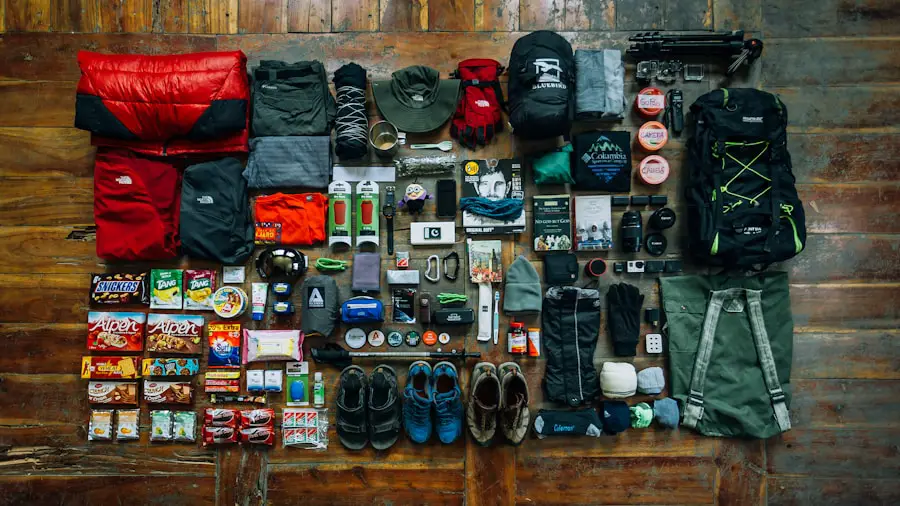
Safety equipment helps you handle delays and emergencies. A whistle can attract attention without requiring you to shout continuously. A signal mirror can provide another daytime signaling option in open terrain. A headlamp or flashlight with spare power is essential if a hike runs later than planned, and an emergency bivy or reflective blanket can reduce exposure during an unplanned stop.
Fire-starting tools such as waterproof matches or a lighter can be useful where fires are legal and safe. A multi-tool can support simple repairs, food preparation, and gear adjustments. Duct tape, repair patches, cord, and a small sewing or gear-repair kit may be more useful than a large tool on many hikes.
Carry emergency communication appropriate to the route. A charged phone is useful where coverage exists, but remote hiking may justify a satellite messenger or personal locator beacon. Know how to trigger an SOS and what information rescuers will need.
Weather Emergency Basics
If you hear thunder, move toward safe shelter as quickly as conditions allow. The National Weather Service advises getting off elevated terrain, avoiding isolated trees and exposed areas, and seeking a substantial building or enclosed metal-topped vehicle when available. If you are deep in the backcountry, reduce exposure and follow current NWS and local ranger guidance.
Backpack and Daypack Essentials
The right backpack should fit your torso and hips comfortably while holding the equipment your trip requires. Capacity is only a rough guide. A 20–30 liter daypack works for many day hikes, while multi-day trips often need more space, but bulky winter gear, bear canisters, group equipment, and ultralight setups can change those needs substantially.
Organize the pack so frequently used items are easy to reach. Keep rain gear, snacks, water, navigation tools, and first aid accessible. Stuff sacks or packing cubes can separate clothing from cooking supplies and small safety items. Place dense items close to your back and avoid hanging heavy objects where they can swing.
Water bottles or a hydration bladder should be easy to reach so you drink regularly. A rain cover can protect the outside of a pack, but water can still enter around the back panel or straps; a waterproof pack liner or dry bags provide a second layer of protection for critical gear such as insulation and sleep clothing.
Day Hike vs. Overnight Backpacking
A day hiker and an overnight backpacker share the same safety foundation, but an overnight trip adds systems for sleep, food storage, cooking, sanitation, and longer exposure to weather.
| Trip Type | Pack Focus |
|---|---|
| Day hike | Ten Essentials, route-specific water and food, weather layers, first aid, emergency shelter, navigation, and lighting |
| Overnight backpacking | Everything above plus shelter, sleep system, more food and water capacity, treatment, stove/fuel where appropriate, food storage, sanitation, and overnight clothing |
| Cold, desert, snow, or remote travel | Specialized layers, traction or snow gear when required, greater water or insulation margin, stronger navigation redundancy, and a more conservative emergency plan |
Miscellaneous Items
Beyond the core essentials, a few comfort and efficiency items can improve the trip. A compact sit pad, travel pillow, or hammock can make camp more comfortable where hammocks are allowed. Trekking poles can improve balance on uneven terrain and reduce some of the load felt during climbs and descents. A lightweight tarp can serve as rain or sun protection or as a clean ground surface when used in a way that follows local rules.
A portable phone charger can keep navigation and communication devices powered, especially on longer outings. Entertainment such as playing cards or a book can be welcome on an overnight trip, but comfort items should come after safety, water, food, insulation, and shelter.
When preparing for a hiking trip, tools and gadgets should support the plan rather than replace core skills. A reliable power bank is useful for keeping electronics charged, and this power bank guide can help compare charging options. A portable camping stove can be useful for overnight trips where stoves are permitted. A portable Wi-Fi hotspot may help while traveling in areas with cellular coverage, but it should not be counted on for backcountry emergency communication.
Note: Pack weight is personal. A lighter pack can make hiking easier, but removing safety-critical items to hit an arbitrary weight target is a poor trade. Reduce duplicate comfort items first.
Love travel? Join Our Facebook Community For More Tips.
Frequently Asked Questions
What should I pack for a hiking trip?
Start with the Ten Essentials: navigation, sun protection, insulation, illumination, first aid, fire, repair tools, extra food, water and treatment, and emergency shelter. Then add route-specific clothing, footwear, medication, permits, and—if staying overnight—shelter, a sleep system, cooking gear, and approved food storage.
What type of clothing should I pack for a hiking trip?
Use a moisture-managing base layer, an insulating layer when temperatures may drop, and a rain- and wind-resistant outer shell. Add a hat, gloves, sun protection, and spare socks as conditions require. Choose well-fitting footwear with traction appropriate to the terrain rather than assuming every hike requires heavy boots.
What kind of food and water should I bring on a hiking trip?
Bring food that is easy to eat, calorie-dense, and appropriate to the trip length, such as nuts, bars, tortillas, dried fruit, jerky, or dehydrated meals for overnights. Carry enough drinking water for the route and bring treatment when you may refill from streams or lakes. Never assume clear natural water is safe to drink untreated.
What safety items should I pack for a hiking trip?
Carry a first aid kit, headlamp with spare power, whistle, emergency shelter, navigation tools, repair supplies, extra food, and a charged phone. For remote routes, consider a satellite messenger or personal locator beacon. Match wildlife, snow, heat, and water-safety gear to the destination and current conditions.
What other essential items should I pack for a hiking trip?
Useful extras include sunscreen, insect repellent, sunglasses, a brimmed hat, trekking poles, a power bank, a pack liner or dry bag, a small quick-dry towel, toilet supplies, and any required permit or pass. The longer, colder, more remote, or more technical the route, the more important redundancy and emergency planning become.
How much water should I carry for hiking?
There is no single amount that works for every hike. Heat, humidity, altitude, pace, body size, and water availability all matter. Great Smoky Mountains National Park lists at least 1 liter per two hours of hiking as a planning reference, while hotter and drier routes may require more. Check destination-specific guidance before leaving.
Do I need a satellite communicator for hiking?
Not every hike requires one, but it can be valuable on remote routes without reliable cell service. A satellite messenger can support two-way messaging and SOS features depending on the model and plan, while a personal locator beacon is designed primarily for emergency distress signaling. Learn the device before relying on it.
Sources
- National Park Service — Hiking and Ten Essentials — current Ten Essentials, trip preparation, and a park-specific hydration reference.
- CDC — Water Treatment When Hiking, Camping, or Traveling — treatment methods and safe boiling guidance.
- CDC — Preventing Tick Bites — EPA-registered repellent options and prevention guidance.
- Leave No Trace — Dispose of Waste Properly — washing, wastewater, and the 200-foot guideline.
- National Park Service — Bear Safety: Storing Food — food, trash, and scented-item storage guidance.
- National Weather Service — Lightning Safety — thunderstorm and exposed-terrain safety guidance.

