
Last Updated on July 27, 2026 by Daniel Globe
What you wear hiking should match the trail, weather, temperature, and length of your trip. Comfortable footwear matters, but so do breathable layers, the right socks, sun protection, and a rain or warm layer you can add when conditions change. A good hiking outfit keeps you comfortable without limiting movement or leaving you unprepared for the weather.
Quick Answer
For most hikes, wear moisture-managing wool or synthetic clothing, comfortable hiking shoes or boots with good traction, and wool or synthetic socks. Add sun protection and carry a rain shell or warm layer. Adjust your outfit for heat, cold, precipitation, insects, trail conditions, and the length of your hike.
Key Takeaways
- Choose hiking footwear for the terrain, weather, pack weight, and your own fit rather than relying on boot height alone.
- Use wool or synthetic layers that manage moisture and dry faster than cotton.
- Carry an insulating layer and rain shell when conditions could become cooler, wetter, or windier.
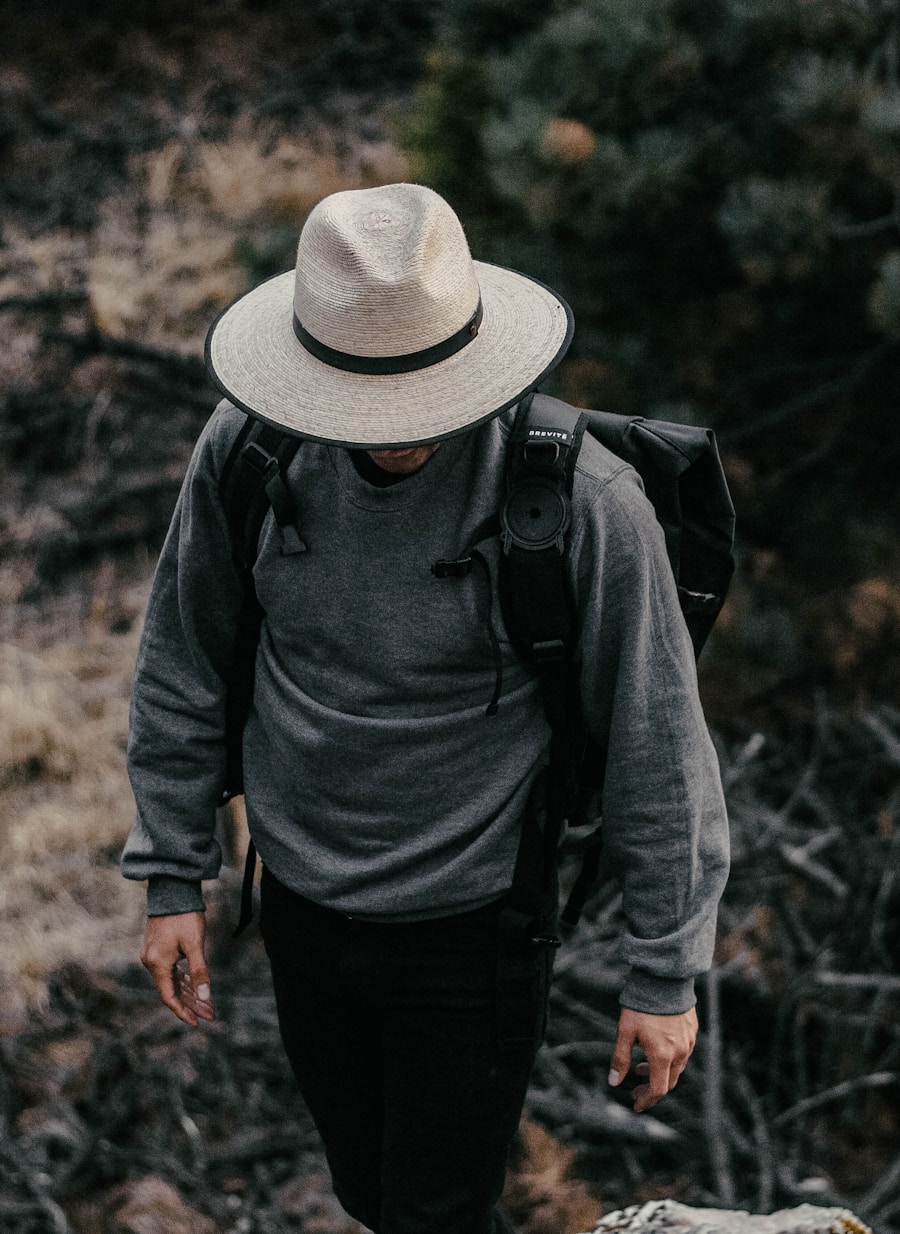
- Protect exposed skin and eyes with a broad-brimmed hat, UV-blocking sunglasses, protective clothing, and sunscreen.
- Wear well-fitting wool or synthetic hiking socks to help manage moisture and reduce rubbing.
- In tick habitat, long clothing and properly treated clothing or gear can add protection.
- For winter hiking, add insulation, waterproof footwear, gloves, a warm hat, and traction appropriate for the trail.
- Check the forecast and current trail conditions before choosing your final hiking outfit.
Choose Hiking Footwear for the Trail
Selecting appropriate footwear is one of the most important parts of dressing for a hike. The best choice depends on the trail surface, weather, pack weight, distance, and what feels secure on your feet.
For rocky, muddy, steep, or uneven terrain, hiking shoes or boots with a durable outsole and dependable tread can provide better grip and foot protection than casual shoes. Mid- or high-cut boots may also feel more supportive around the ankle and can help keep dirt, mud, or light snow out. However, boot height alone should not be treated as a guarantee against ankle sprains.
For easy, well-maintained trails, lightweight hiking shoes or trail-running shoes can work well. They are often more flexible and lighter than traditional boots, which many hikers prefer when moving quickly or covering long distances.
Brands such as Merrell and Salomon offer hiking footwear in several styles, but brand name matters less than fit, tread, comfort, and suitability for your trail.
Products Worth Considering

OMNI-TECH: For prolonged exposure to moderate rain and snow. Multilayered, waterproof, seam-sealed construction that allows the inside to breathe, keeping feet dry and comfortable no matter the conditions.

Comfortableness: NORTIV 8 Men's Waterproof Hiking Boots certainly delivers on all-day comfort! Removable and shock-absorbent cushioned insoles offer the support for your feet.

OMNI-TECH: For prolonged exposure to moderate rain and snow. Multilayered, waterproof, seam-sealed construction that allows the inside to breathe, keeping feet dry and comfortable no matter the conditions.
How Hiking Shoes Should Fit
Your heel should feel secure without excessive slipping, while your toes need enough room that they do not repeatedly hit the front of the shoe on descents. Try hiking footwear with the same type of socks you expect to wear on the trail.
Walk around, use an incline ramp if the store has one, and check for pressure points. New footwear should also be tested on shorter walks or hikes before you depend on it for a long or remote trip.
Pro Tip: Fit hiking shoes later in the day when your feet may be slightly larger, and test them with your normal hiking socks. Comfort in the store is more useful than assuming a painful shoe will eventually “break in.”
Dress in Layers for Comfort and Protection
Layering lets you adjust your clothing as your activity level and the weather change. The National Park Service Ten Essentials includes extra clothing and insulation because conditions can change during a hike.
A practical three-layer system includes:
- Base layer: Worn next to your skin to move moisture away and dry efficiently. Merino wool and synthetic fabrics such as polyester are common choices.
- Insulating layer: Holds warm air near your body. Fleece, synthetic insulation, and down are common options depending on the weather.
- Outer shell: Helps protect you from wind and precipitation. Choose a shell that matches the rain, snow, and wind you could realistically encounter.
You do not have to wear all three layers at once. On an uphill climb you may need only a base layer, while at a windy overlook or during a rest break you may quickly want insulation and a shell.
Note: Check the forecast, elevation, wind, precipitation, and current trail conditions before leaving. Mountain weather can be much colder or wetter than conditions at the trailhead.
The Importance of Moisture-Wicking Fabrics
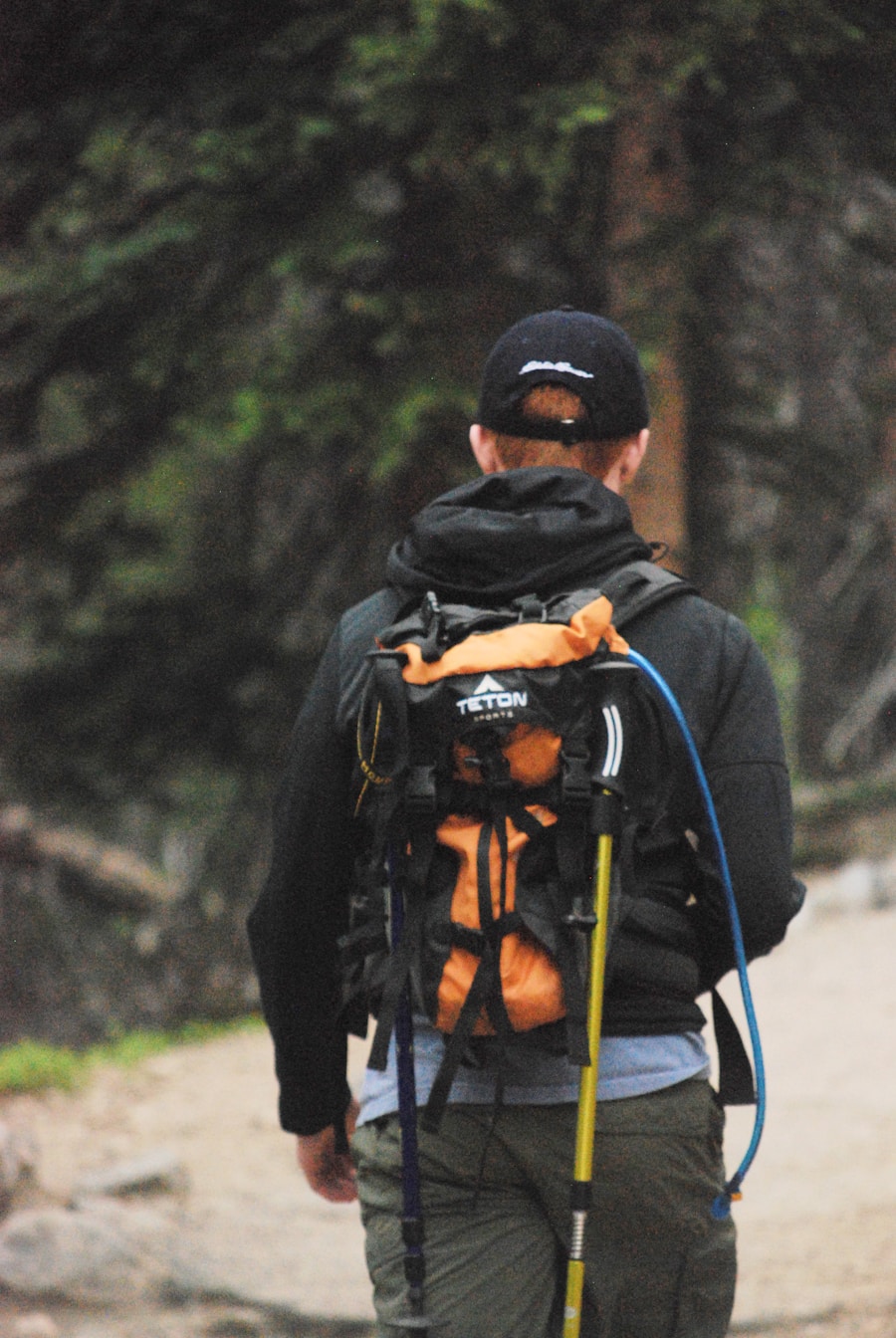
Hiking creates heat and sweat, so clothing that handles moisture well can make a major difference in comfort. Wool and many synthetic fabrics move moisture away from the skin and dry more effectively than heavy cotton clothing.
Merino wool is especially popular for base layers and socks because it can manage moisture, provide insulation, and resist odor during repeated wear. Polyester, nylon, and similar synthetic fabrics are also useful because they are lightweight and generally dry quickly.
Moisture management becomes especially important when temperatures fall. Wet clothing increases heat loss, which is why the National Park Service winter-safety guidance recommends wool or synthetic clothing rather than cotton for cold conditions.
What Not to Wear Hiking
There is no universal banned clothing item, but some choices perform poorly when conditions become wet, cold, steep, or rough.
- Heavy cotton or denim in cold or wet weather: These materials absorb water and can stay wet for a long time.
- Unsupportive open footwear on rough trails: Flip-flops and similar shoes provide little protection from rocks, roots, and loose surfaces.
- Clothing that restricts movement: Tight pants or stiff garments can become uncomfortable on climbs and scrambles.
- Brand-new footwear on a major hike: Test fit and comfort before committing to a long day.
- Too many warm layers at the start: Overdressing can make you sweat heavily, leaving your clothing damp when you stop moving.
What to Wear Hiking in Hot Weather
Hot-weather hiking calls for clothing that balances ventilation with protection from the sun. Lightweight, breathable shirts and hiking pants or shorts can help your body release heat.
Long sleeves and long pants can still make sense in strong sun when the fabric is lightweight and breathable. Light-colored clothing may also feel more comfortable in direct sun.
A broad-brimmed hat, UV-protective sunglasses, and sunscreen should be part of your hot-weather setup. Take breaks and adjust your clothing before you become excessively overheated.
Warning: Clothing cannot make an unsafe heat situation safe. In extreme heat, reduce your pace, shorten or postpone the hike, carry enough water, and turn around if you or a hiking partner develops signs of heat illness.
Products Worth Considering
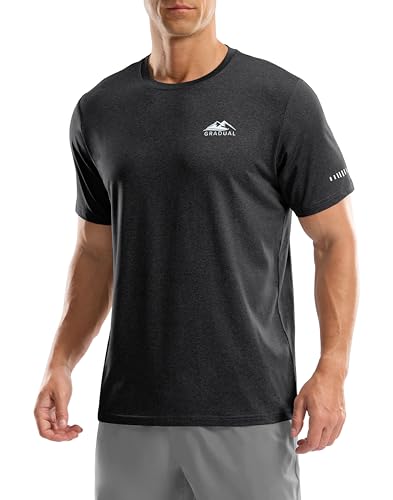
Light & Cool: Super soft men's performance tee with ultra-breathable, quick-dry fabric that moisture wicking to keep you cooling and fresh all day.
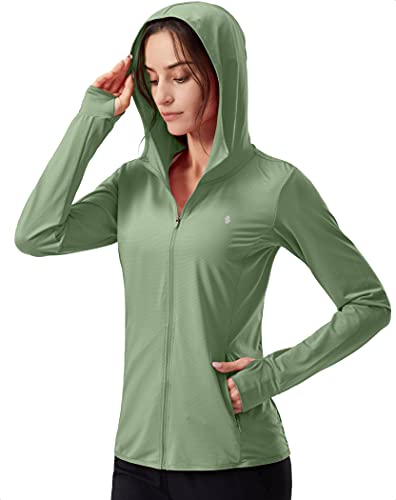
Sun Protection: The fabric rating UPF 50+ protects your skin from the harmful UVA/UVB rays, keeping you cool and comfortbale while outdoors in the direct sunlight.

UPF 50+ Sun Protection – Blocks harmful UVA/UVB rays to help protect your skin during hiking, fishing, beach walks, and outdoor workouts.
Sun Protection: Hats, Sunglasses, and Sunscreen
| Protection | What to Look For | Main Benefit | Important Detail |
|---|---|---|---|
| Sunscreen | Broad-spectrum, SPF 30 or higher; water-resistant when sweating heavily | Protects exposed skin from UV radiation | Water-resistant labels specify 40 or 80 minutes; follow the product’s reapplication directions |
| Hat | Broad brim; a tested UPF rating if you want rated sun-protective fabric | Shades the scalp, face, ears, and neck | Not every hat is UPF 50+ |
| Sunglasses | UV400 or 100% UV protection; wraparound coverage when practical | Protects the eyes from ultraviolet radiation | Polarization reduces reflected glare but is separate from UV protection |
Sun protection matters on long hikes, exposed ridges, desert trails, beaches, and snowy terrain. A wide-brimmed hat can shade your face, ears, scalp, and neck. Lightweight sun-protective clothing can also reduce how much exposed skin needs sunscreen.
For sunglasses, prioritize a label stating UV400 or 100% UV protection. The U.S. Food and Drug Administration advises choosing sunglasses that block more than 99% of UVA and UVB radiation. Wraparound frames can provide additional coverage from light entering around the sides.
Polarized lenses can be useful around water, snow, and other reflective surfaces because they reduce reflected glare. However, polarization is not a substitute for UV protection.
For exposed skin, choose broad-spectrum sunscreen. SPF 30 or higher is a practical outdoor recommendation. Reapply approximately every two hours and follow the label for additional application after swimming or heavy sweating. FDA water-resistant sunscreen labels specify either 40 or 80 minutes of water resistance; sunscreen should not be considered waterproof.
Packing Essential Accessories: Backpacks, Hats, and Gloves
The right accessories can make a hike more comfortable and keep essential gear within reach. A hiking backpack should fit your torso, remain stable while walking, and have enough capacity for water, food, clothing, navigation equipment, and other essentials.
For many day hikes, a pack around 20–30 liters is a useful starting range. Smaller packs may work for short outings, while longer, colder, or more remote day hikes often require more space. Multi-day trips commonly require approximately 50 liters or more, although trip length, season, shelter, food, and how compactly you pack all affect the final size.
Look for comfortable shoulder straps and a stable fit. Larger packs may also use a supportive hip belt to transfer more of the load to your hips.
Hats serve different purposes depending on conditions. A broad-brimmed sun hat helps with UV exposure, while a warm beanie or insulated hat is useful in cold weather.
Gloves can protect your hands from cold, wind, rough rock, and vegetation. Lightweight gloves may be useful in cool or exposed conditions, while winter hiking may require insulated, weather-resistant gloves or mittens.
Selecting the Right Socks
Socks play an important role in foot comfort. Wool and synthetic hiking socks are common choices because they manage moisture better than ordinary cotton socks and are available in different cushioning levels.
Choose sock thickness based on your shoe fit and weather. Heavier socks provide more cushioning and insulation but take up more room inside the shoe. Thin hiking socks reduce bulk and may feel better in warm weather or closely fitted footwear.
Reinforced heels and toes can improve durability. Most importantly, socks should lie smoothly against your feet without large wrinkles, slipping, or bunching.
Pro Tip: On long hikes, carrying a dry spare pair of socks gives you an easy way to change if your feet become soaked from rain, stream crossings, or sweat.
Shorts or Pants for Hiking?
Both can work. Choose based on weather, vegetation, sun exposure, insects, and the trail surface.
- Shorts: Cooler and well ventilated for warm, open trails, but they leave more skin exposed to sun, insects, scratches, and brush.
- Hiking pants: Provide more protection from sun, vegetation, ticks, wind, and rough surfaces.
- Convertible pants: Offer flexibility when a cool morning becomes a warm afternoon.
Stretch woven hiking pants are especially useful when you need freedom of movement without the slow drying time of denim.
What to Wear in Tick and Bug Country
Clothing becomes part of your insect-protection strategy when hiking through grassy, brushy, or wooded areas where ticks are common.
The Centers for Disease Control and Prevention recommends reducing tick exposure and notes that clothing, boots, and gear can be treated with products containing 0.5% permethrin. Follow the product label carefully, and do not apply permethrin products intended for clothing directly to your skin.
Long sleeves, long pants, socks, and closed footwear reduce exposed skin. Light-colored clothing can also make crawling ticks easier to spot.
After hiking in tick habitat, check your clothing, body, gear, and pets for ticks.
Rain Gear: Staying Dry on the Trails
Weather can change quickly, so a rain shell is a useful item even when rain is only a possibility. Choose a jacket designed to block precipitation and wind while still allowing you to vent excess heat.
Features such as an adjustable hood, cuffs, hem, and ventilation zippers can help you manage changing conditions. Remember that even breathable rain clothing can feel damp inside during hard exertion, so adjust your pace and ventilation when possible.
Waterproof or water-resistant hiking pants are useful in prolonged rain, wet brush, or cold conditions. Lightweight rain pants can be packed away when not needed.
Waterproof hiking footwear can reduce water entering from puddles, rain, mud, and wet vegetation, but feet can still become damp from sweat or water entering over the top of the shoe.
Gaiters can add protection around the lower leg and top of the boot. They are especially useful in mud, wet vegetation, loose debris, and snow.
Products Worth Considering

【Breathability & Safety】Swisswell men golf rain gear including rain jacket and rain pants. Separate mesh lining(5000g/m²/24hr rating breathability)maintains airflow and prevents clammy feeling. Unlike heavier rain gear, lightweight design (1.6 lbs) won't overheating during active, outdoor work, yard activities. High visibility reflective stripes on the chest pocket and back ensure safety by keeping you visible in low-light condition when motorcycle, cycling, running, evening dog walks

Portability: 33,000ft mens waterproof gear with a storage bag that can easily fit in the rain jacket and rain pants, which is convenient and not occupying a space in your suitcase when traveling. Mens Rain Jackets: 33,000ft men's golf rain suit water

WATERPROOF and BREATHABLE – Constructed with frogg toggs L83 bi-laminate materials for dependable waterproof protection
Special Considerations for Cold Weather Hiking
Cold-weather hiking requires more planning because wind, snow, wet clothing, and inactivity can cool the body quickly. Dress in layers that you can add and remove rather than relying on one very heavy garment.
The National Park Service winter-safety guidance recommends wool or synthetic clothing instead of cotton, along with wind and precipitation protection, warm headwear, gloves or mittens, and suitable winter footwear.
A typical cold-weather setup may include:
- A wool or synthetic base layer.
- A fleece, synthetic, or down insulating layer.
- A wind- and precipitation-resistant outer shell.
- Warm wool or synthetic socks.
- Insulated or winter-appropriate boots.
- A warm hat or hood.
- Insulated gloves or mittens.
- A neck gaiter or balaclava when wind and exposed skin are concerns.
- Traction devices when the trail surface requires them and you know how to use them.
Remove or vent layers before you become heavily sweaty. Once you stop moving, damp clothing can cool quickly.
In cold conditions, staying dry is part of staying warm. Sweat, rain, and wet snow can all increase heat loss once your activity level drops.
Hydration still matters in cold weather. Physical activity can dehydrate you even when you do not feel hot or especially thirsty. An insulated bottle can help slow freezing in very cold conditions.
Warning: Persistent shivering, confusion, poor coordination, slurred or difficult speech, numbness, or an inability to stay warm can signal a serious cold-related problem. Get to shelter and seek emergency help when needed rather than trying to push through worsening symptoms.
Choose Your Hiking Outfit for the Conditions
Instead of using one outfit for every hike, make a final clothing decision after looking at the route and forecast.
| Conditions | Useful Clothing Choices |
| Hot and sunny | Lightweight breathable shirt, hiking shorts or lightweight pants, sun hat, UV-blocking sunglasses, hiking socks, and breathable trail footwear. |
| Cool and changeable | Moisture-managing base layer, hiking pants, light fleece or insulation, and a wind/rain shell in your pack. |
| Wet | Quick-drying layers, waterproof shell, optional rain pants and gaiters, spare socks, and footwear suited to muddy or wet terrain. |
| Cold or snowy | Wool or synthetic base layer, insulation, weatherproof shell, warm hat, gloves or mittens, warm socks, insulated footwear, and suitable traction. |
| Buggy or tick-prone | Long sleeves, long pants, socks, closed footwear, and appropriately treated clothing or gear when needed. |
The exact clothing you need also depends on where you are hiking. If your trip includes New Zealand, seasonal weather can vary widely by region and elevation, so this guide to the best time to travel to New Zealand can help with broader seasonal planning.
Frequently Asked Questions
What should I wear for hiking?
Wear comfortable hiking footwear, wool or synthetic socks, and breathable clothing that matches the temperature. Carry an extra insulating layer and rain protection when conditions could change. Add a hat, sunglasses, and sunscreen for sun exposure.
What type of socks should I wear for hiking?
Wool or synthetic hiking socks are good choices because they manage moisture and are available in different cushioning levels. Pick a thickness that works with your shoes without making them uncomfortably tight.
Should I wear a hat while hiking?
A hat is useful in many conditions. A broad-brimmed hat provides shade in strong sun, while an insulated hat or beanie helps protect you from cold and wind.
What type of jacket should I bring for hiking?
Choose the jacket for the expected conditions. A lightweight rain shell works for mild wet weather, while cold hikes may require both an insulating layer and a wind- and precipitation-resistant shell.
Do I need to wear sunscreen while hiking?
Protect exposed skin whenever UV exposure is a concern. Broad-spectrum SPF 30 or higher is a practical outdoor choice. Reapply about every two hours and follow the product label after swimming or heavy sweating.
Should I wear sunglasses while hiking?
Yes when you are exposed to significant sunlight. Choose sunglasses labeled UV400 or 100% UV protection. Polarized lenses are optional but can reduce glare from water, snow, and other reflective surfaces.
Can I wear jeans hiking?
Jeans may be acceptable for a short, dry, mild-weather walk, but they are a poor choice when getting wet or cold is possible. Denim absorbs water, dries slowly, and can become heavy and uncomfortable. Wool or synthetic hiking clothing is safer for variable conditions.
Should I wear shorts or pants hiking?
Shorts provide more ventilation in hot weather, while pants provide more protection from sun, insects, brush, wind, and rough terrain. Choose based on the trail rather than temperature alone.
Sources
- U.S. National Park Service — Ten Essentials — supports carrying sun protection, extra clothing, insulation, and weather-appropriate hiking gear.
- Great Smoky Mountains National Park — Hiking — supports current hiking preparation, layering, and essential-equipment recommendations.
- U.S. Food and Drug Administration — Tips to Stay Safe in the Sun — supports sunscreen, UV-protective sunglasses, reapplication, and water-resistance guidance.
- CDC Yellow Book — Sun Exposure in Travelers — supports UV protection, wraparound sunglasses, and the distinction between polarization and UV protection.
- Centers for Disease Control and Prevention — Preventing Tick Bites — supports clothing and treated-gear recommendations in tick habitat.
- U.S. National Park Service — Be Winter Ready for Your Adventure — supports cold-weather layering, wool and synthetic clothing, winter footwear, hydration, and hypothermia precautions.
