Last Updated on July 27, 2026 by Daniel Globe
Hiking can be an invigorating and rewarding way to explore nature, but it is not risk-free. Weather can change quickly, trails can become difficult to follow, uneven terrain can cause falls, and remote locations may leave hikers far from immediate help. The level of danger depends heavily on the trail, conditions, the hiker’s experience, and how well the trip is planned.
Physical demands matter too. Fatigue, blisters, strains, dehydration, heat illness, cold exposure, and altitude can turn a manageable hike into a serious problem. The good news is that many hiking risks can be reduced by choosing an appropriate route, checking conditions, carrying essential gear, knowing when to turn around, and having an emergency plan.
Quick Answer
Hiking can be dangerous when weather, terrain, navigation mistakes, wildlife, illness, or inadequate preparation create problems. For most hikers, the risk can be reduced substantially by choosing a suitable trail, checking current conditions, carrying the Ten Essentials, sharing a trip plan, staying within personal limits, and turning back when conditions worsen.
Key Takeaways
- Hiking has real risks, including falls, navigation errors, severe weather, heat or cold illness, water hazards, wildlife encounters, and medical emergencies.
- Risk varies widely by terrain, elevation, weather, remoteness, experience, fitness, and preparation.
- Research the route, check weather and trail alerts, share a trip plan, carry the Ten Essentials, and set a turnaround time before starting.
- Do not assume a phone will have service. Backcountry hikers may benefit from an appropriate satellite messenger or personal locator beacon.
- Regular hiking can contribute to the physical and mental-health benefits associated with physical activity and time in nature.
Warning: Hiking conditions and wildlife risks vary by location. Always follow current park, land-management, weather, fire, and emergency guidance for the specific trail. General safety information cannot account for every medical condition or wilderness emergency.
Disclosure: As an Amazon Associate I earn from qualifying purchases. Some links on this page are affiliate links, at no extra cost to you.
Common Dangers on the Trail
The dangers hikers face vary widely by location and conditions. A short, maintained trail near a busy visitor center is very different from an exposed mountain route miles from the nearest road. Understanding the hazards most likely to occur on a particular hike is one of the best ways to reduce risk.
Getting Lost or Going Off Route
Navigation mistakes are a common concern, especially where trails intersect, signs are limited, snow covers the route, vegetation hides the tread, or darkness reduces visibility. A hiker who continues moving without knowing their location can travel farther away from the intended route and make a rescue more difficult.
Carry navigation tools appropriate for the trip and know how to use them. The National Park Service Ten Essentials recommends navigation tools such as a map, compass, and GPS, with a physical map available as a backup. Downloading an offline map before leaving cellular coverage can also help, but electronics should not be the only navigation plan.
Weather, Heat, Cold, and Lightning
A sunny morning can turn into rain, high wind, cold, fog, or thunderstorms. Wet rock, mud, snow, and ice reduce traction and can make familiar terrain much more dangerous. Heat creates a different problem: prolonged exertion can contribute to dehydration and heat-related illness.
Check the forecast immediately before leaving and continue watching the sky and changing conditions. The National Weather Service advises that there is no completely safe place outdoors while thunderstorms are nearby. If you hear thunder and can reach a substantial building or hard-topped vehicle, seek shelter rather than continuing the hike.
Note: In remote backcountry where immediate shelter is unavailable, avoiding the storm in the first place is critical. Check the forecast, leave exposed summits and ridges early, and establish a turnaround time before conditions deteriorate.
Falls, Cliffs, and Water Hazards
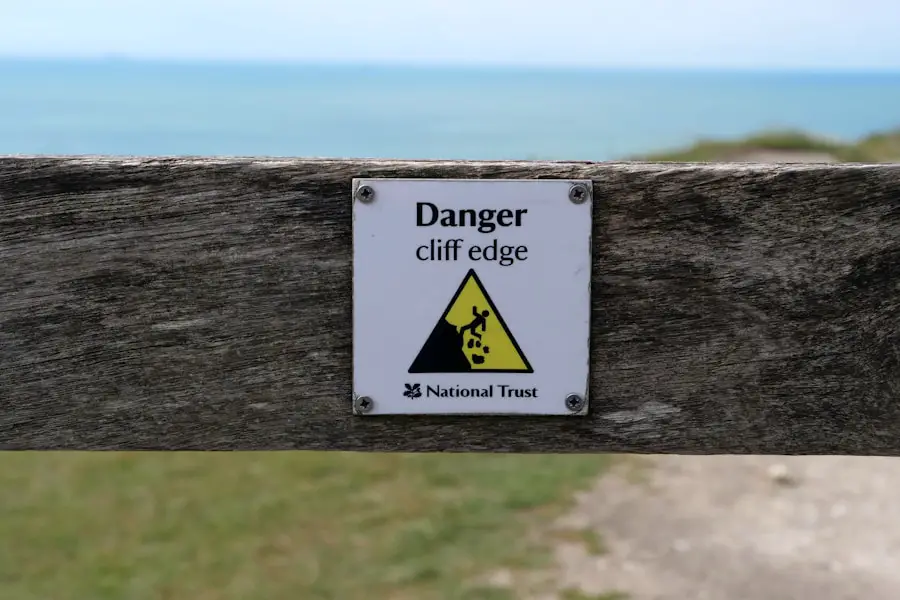
Loose rock, roots, steep slopes, wet surfaces, snow, and fatigue can lead to slips and falls. The consequences become much more serious near cliffs, waterfalls, exposed ledges, or swift water.
Do not assume a stream is safe to cross because it looks shallow. Fast water can be powerful, and depth can be difficult to judge. NPS hiking guidance recommends avoiding crossings during flooding, icy conditions, white water, or whenever the depth and footing cannot be assessed safely. Turning around is often the safest decision.
Altitude Illness
Higher elevations introduce an additional risk even for physically fit hikers. According to the CDC Yellow Book, unacclimatized people can develop altitude illness when traveling to high sleeping elevations, with risk becoming important around 8,000 feet and sometimes lower.
Headache, unusual fatigue, dizziness, nausea, or poor sleep after gaining elevation should not simply be dismissed as being out of shape. Do not continue ascending when altitude-illness symptoms are present, and descend if symptoms worsen despite rest.
Wildlife, Ticks, and Mosquitoes
Wildlife encounters vary greatly by region. Bears, snakes, mountain lions, moose, insects, and other animals require different precautions. Keep your distance, do not feed wildlife, secure food where required, and learn the local rules before starting the hike.
In bear country, making your presence known can reduce the chance of surprising a bear. If you encounter one, remain calm and follow local species-specific guidance. The National Park Service bear-safety guidance advises hikers not to run, to give the animal room to leave, and to check park-specific recommendations because appropriate responses can vary. Bear spray may be recommended in some areas and restricted or unnecessary in others.
Ticks and mosquitoes can also transmit disease. The CDC’s Lyme disease prevention guidance recommends measures such as EPA-registered insect repellent, protective clothing, tick checks, and prompt removal of attached ticks. Mosquito-bite prevention can also reduce exposure to diseases such as West Nile virus.
Preparing for a Safe Hike
Preparation is one of the most effective ways to make hiking safer. Before leaving, research the route rather than relying only on a trail name or difficulty label. Look at distance, elevation gain, terrain, expected hiking time, water availability, exposed sections, seasonal hazards, permit requirements, trail closures, and the latest ranger or land-manager alerts.
Choose a route that matches the least experienced or least conditioned person in the group. A trail that is easy for an experienced mountain hiker may be difficult for someone who is new to hiking, unused to elevation, carrying a heavier backpack, or adapting to hot or humid conditions.
Prepare Your Body for the Hike
Regular walking, hill climbing, strength work, and gradually longer outings can help build the endurance needed for demanding hikes. For a backpacking trip, practicing with a loaded pack can also reveal fit problems and help the body adapt to carrying additional weight.
A brief progressive warm-up before a hard hike can help the body transition into activity. Static stretching may be useful for individual mobility or comfort, but it should not be treated as a proven way to prevent hiking injuries. Research has not shown routine pre-exercise static stretching to provide a meaningful overall reduction in injury risk.
Carry the Ten Essentials
The exact equipment should match the environment, but the National Park Service recommends carrying the Ten Essentials even when an outing is expected to be straightforward:
- Navigation: map, compass, GPS, or suitable backups.
- Sun protection: sunscreen, sunglasses, a hat, and protective clothing.
- Extra clothing: layers appropriate for the worst reasonable conditions.
- Illumination: preferably a headlamp or flashlight plus spare power.
- First-aid supplies: customized for the trip and personal medical needs.
- Fire: where legal and appropriate, a reliable method of starting an emergency fire.
- Repair kit and tools: items suited to the equipment being carried.
- Extra food: enough to handle an unexpected delay.
- Water and water-treatment supplies: based on the route and available sources.
- Emergency shelter: such as an emergency bivy, tarp, space blanket, or other appropriate shelter.
Pro Tip: Leave a trip plan with someone who is not hiking with you. Include the trail, trailhead, planned route, members of the party, vehicle information when useful, and the time that person should contact authorities if you have not returned.
Benefits of Hiking
| Benefit | What Hiking Can Contribute |
| Physical Fitness | Walking uphill and over varied terrain can provide moderate or vigorous aerobic activity while challenging the legs and balance. |
| Mental Health | Physical activity and time in natural environments are associated with benefits such as reduced anxiety and improved mood for many people. |
| Weight Management | Hiking increases physical activity and energy expenditure and can be one part of a broader healthy-weight strategy. |
| Sleep | Regular physical activity is associated with better sleep quality. |
| Connection with Nature | Trails provide an opportunity to spend sustained time outdoors, notice natural surroundings, and step away from everyday distractions. |
Hiking offers benefits beyond simply reaching a viewpoint or completing a trail. Because it is a form of physical activity, regular hiking can contribute to many of the benefits associated with an active lifestyle. The CDC reports that regular physical activity supports cardiovascular health, healthy weight, bone health, sleep, balance, and mental well-being.
How demanding a hike is depends on speed, elevation gain, terrain, pack weight, weather, and individual fitness. A gentle nature trail may provide moderate activity, while a steep mountain route can be considerably more strenuous. Hiking should therefore be increased gradually rather than treating every trail as the same type of workout.
The safest hike is not necessarily the easiest trail—it is the trail that matches the hiker’s abilities, preparation, equipment, and the conditions that day.
Safety Tips for Hikers
A few habits can prevent small problems from becoming emergencies:
- Tell someone your plan. Share the route and expected return time with a trusted person who is not on the hike.
- Check current conditions. Review the weather forecast, trail closures, fire restrictions, flood concerns, and local alerts before leaving.
- Stay on the intended route. Avoid unofficial shortcuts that increase the chance of getting lost, falling, or damaging sensitive terrain.
- Carry independent navigation. Do not depend entirely on cellular data or one electronic device.
- Bring enough food and water. Carry additional supplies for an unexpected delay and bring treatment equipment when relying on backcountry water.
- Dress for changing conditions. Layers, rain protection, sun protection, and terrain-appropriate footwear help hikers respond to changing weather.
- Set a turnaround time. Do not let reaching the summit or destination become more important than returning safely.
- Watch your footing. Slow down on loose, wet, snowy, icy, exposed, or steep terrain.
- Respect wildlife. Maintain distance and follow location-specific guidance rather than approaching animals for photographs.
- Know your limits. Fatigue, pain, dizziness, confusion, worsening weather, navigation uncertainty, or equipment problems are valid reasons to stop or turn back.
Solo hikers should take extra precautions because there may be no companion available to provide first aid or seek help. A detailed trip plan, reliable navigation, sufficient emergency supplies, and an appropriate backup communication device become even more important as remoteness increases.
How to Handle Emergencies on the Trail
Even careful hikers can experience emergencies. The first priority is to remain calm enough to assess what is happening instead of reacting impulsively.
If You Become Lost
The National Park Service outdoor emergency plan recommends stopping and taking a moment to assess the situation. Use a map, compass, GPS, landmarks, or other navigation information to establish your location.
If you know where you left the route and it is safe to do so, retracing your steps may return you to the trail. If you cannot confidently recover the route, avoid wandering aimlessly. Call 911 or the appropriate local emergency service if you need rescue and have communication. Provide coordinates, the trail or area, your last known location, visible landmarks, clothing, equipment, and relevant medical information.
Once rescuers have your location—or when you cannot safely determine a route back—staying put generally makes you easier to find. Move only when your current location poses an immediate danger, such as rising floodwater, fire, falling rock, or another direct threat. Use a whistle, flashlight, bright clothing, reflective material, or another visible signal to attract attention.
If Someone Is Injured
For a minor scrape or blister, use the first-aid supplies you carried to clean, protect, and monitor the injury. For a suspected fracture, major bleeding, breathing difficulty, chest pain, head injury, severe allergic reaction, altered mental status, or another serious condition, seek professional emergency assistance as soon as possible.
Minimize unnecessary movement when doing so could worsen the injury. Control serious external bleeding with direct pressure, keep the injured person protected from cold or heat, and provide rescuers with the most accurate location possible.
Warning: Do not rely on a phone as your only emergency plan. Cellular coverage can be absent in backcountry areas. For remote trips, research whether a personal locator beacon or two-way satellite messaging device is appropriate and learn how to use it before leaving.
If Severe Weather Develops
Do not continue toward an exposed summit, ridge, waterfall, canyon, or river simply because the destination is close. Lightning, flash flooding, extreme heat, snow, high wind, and rapid temperature drops can justify ending the hike early.
If thunder is audible and substantial shelter or a hard-topped vehicle can be reached, seek it promptly. If flash flooding is possible, move away from washes, narrow canyons, stream beds, and other low areas according to local emergency guidance.
The Importance of Proper Gear
The right gear cannot eliminate hiking risk, but it can give a hiker more options when conditions change. Equipment should match the route rather than following a single packing list for every trail.
Footwear and Clothing
Choose footwear that fits well and provides suitable traction for the terrain. Hiking shoes, trail shoes, or boots may all be appropriate depending on the surface, load, weather, and the hiker’s needs. A good fit helps reduce rubbing and blisters, while suitable tread can improve footing on loose or uneven surfaces.
Clothing should allow adjustment as temperature and exertion change. Synthetic or wool layers can move moisture away from the skin more effectively than clothing that remains wet, while a rain shell and insulating layer can become important if weather deteriorates.
Backpacks and Trekking Poles
A backpack should fit comfortably and hold essential supplies without interfering with balance. Heavy loads should be avoided when they are not necessary, especially for hikers who have not trained to carry them.
Trekking poles can provide additional points of contact on uneven ground and may improve stability for some hikers, particularly during descents or stream approaches. They are aids rather than substitutes for careful foot placement and sound judgment.
Navigation, Water, and Communication Gear
Carry a map or other navigation backup even when using a phone or handheld GPS. Electronics should be charged before departure, and longer or remote trips may justify additional battery capacity.
Bring enough water for the route and conditions. When a hike depends on lakes, streams, or other natural sources, carry a suitable treatment method instead of assuming clear-looking water is safe to drink.
In areas without reliable cell service, a personal locator beacon or two-way satellite messenger can add an important communication option. These devices do not replace navigation skills, a trip plan, or emergency supplies.
The Psychological Rewards of Hiking
Hiking can also offer psychological rewards. Physical activity itself is associated with benefits for mood, anxiety, sleep, and brain health. Time spent in natural environments may add another useful dimension by giving people a break from everyday demands and encouraging attention to their surroundings.
A systematic review and meta-analysis of nature-based activities found evidence of improvements in several mental-health outcomes among adults, although the strength and quality of evidence varied across studies. This supports a balanced conclusion: time outdoors can be beneficial, but hiking should not be presented as a guaranteed treatment for anxiety, depression, or other health conditions.
Hiking can also be social. Group hikes create opportunities to talk, cooperate, share experiences, and spend time together away from routine distractions. For people who prefer solitude, a well-planned solo hike may provide quiet time and a strong sense of independence, though solo travel requires additional safety planning.
Overall, hiking combines physical activity, time outdoors, challenge, and exploration. Those rewards do not erase the risks, but understanding the hazards and preparing for them makes it much easier to enjoy the trail responsibly.
For information about this website’s policies and use, review the Terms and Conditions.
Love travel? Join Our Facebook Community For More Tips.
Frequently Asked Questions
Is hiking dangerous?
Hiking involves real risks, but the level of danger varies greatly. A maintained local trail in good weather may present relatively modest risk, while remote mountain, desert, winter, or high-altitude routes can be much more serious. Preparation, judgment, experience, equipment, and current conditions all matter.
What are the most common dangers of hiking?
Common hazards include falls, getting lost, sudden weather changes, heat or cold illness, dehydration, lightning, water crossings, altitude illness, wildlife encounters, insect bites, blisters, and other injuries. The most important risks depend on the location and season.
How can hikers minimize the risks of hiking?
Choose a trail that matches your abilities, check current weather and trail alerts, share a trip plan, carry the Ten Essentials, bring sufficient food and water, stay on the intended route, know local wildlife precautions, set a turnaround time, and be willing to turn back when conditions worsen.
What should I do if I get lost while hiking?
Stop and remain calm. Use your map, compass, GPS, and visible landmarks to establish your location. Retrace your route only when you can do so safely and confidently. If you cannot recover the route, call for help when possible and stay put unless your location presents an immediate danger. Make yourself visible and use a whistle or light to signal rescuers.
What should hikers do during a dangerous situation?
Remain calm, identify the immediate threat, and avoid making the situation worse. Seek professional emergency help for serious injuries or life-threatening conditions. Provide an accurate location, protect the group from weather, control serious bleeding when present, and follow local emergency guidance for hazards such as lightning, flooding, wildfire, or dangerous wildlife.
Are hiking safety guidelines different in mountains, deserts, and forests?
Yes. Mountains may involve altitude, lightning, snow, and exposed terrain. Deserts can create severe heat, dehydration, and navigation problems. Forests may have limited visibility, ticks, wildlife, or rapidly changing weather. Coastal and canyon routes can add tide or flash-flood hazards. Always research the specific environment before leaving.
What safety gear should I carry for hiking?
A useful baseline is the Ten Essentials: navigation, sun protection, extra clothing, illumination, first aid, fire-starting equipment where appropriate, repair tools, extra food, water and treatment supplies, and emergency shelter. Add location-specific equipment such as traction devices, bear spray where recommended and legal, or satellite communication for remote routes.
Is it safe to hike alone?
Many people hike alone successfully, but solo hiking removes the immediate assistance a companion can provide after an injury or navigation problem. Solo hikers should be especially careful about route selection, trip plans, navigation, emergency supplies, turnaround decisions, and communication in areas without cell service.
Sources
- National Park Service — Hike Smart — trail planning, weather, trip plans, communication, water, footwear, wildlife, and emergency preparation.
- National Park Service — Ten Essentials — recommended navigation, first aid, food, water, lighting, clothing, repair, and emergency equipment.
- National Park Service — Outdoor Emergency Plan — lost-hiker and injury response guidance.
- National Weather Service — Lightning Safety — thunderstorm and lightning precautions.
- Centers for Disease Control and Prevention — Preventing Lyme Disease — current tick-bite prevention guidance.
- Centers for Disease Control and Prevention — Health Benefits of Physical Activity for Adults — evidence-based physical-activity benefits.