
Last Updated on July 27, 2026 by Daniel Globe
Hiking boots can work very well in snow, but the word hiking boot covers everything from lightweight, breathable three-season footwear to insulated winter models. The right choice depends on how cold it is, whether the trail is powdery, packed or icy, how long you will be outside, and whether your boots can keep your feet warm and dry.
Quick Answer
Yes, hiking boots can be used in snow when they are waterproof, warm enough for the conditions, properly fitted, and paired with suitable traction. Regular non-insulated boots may work for mild, short winter hikes, while deep snow, severe cold, ice, or technical terrain can require winter boots, snowshoes, or specialized mountaineering equipment.
Key Takeaways
- Waterproof hiking boots can work for light or moderate snow if your feet stay warm and the boots have enough room for appropriate winter socks.
- Insulated winter hiking boots are a better choice for colder temperatures, longer outings, or people whose feet get cold easily.
- Ordinary hiking tread is not a substitute for traction devices on hard-packed snow or ice.
- Use gaiters to reduce snow entering over the top of your boots, especially in deeper snow.
- For soft, deep snow, snowshoes can improve flotation; they attach over suitable winter footwear rather than replacing it.
- Weather, trail conditions, snow depth, and avalanche risk matter just as much as the boots you choose.
When Are Hiking Boots Good for Snow?
Regular hiking boots are most suitable for snow when the outing is relatively short, temperatures are moderate, and the trail has only a shallow covering of snow. A waterproof membrane or other waterproof construction is especially useful when snow is wet or temperatures are close to freezing and melting snow can soak the boot.
A non-insulated waterproof hiking boot may be comfortable during active hiking because walking generates heat. The same boot can feel much colder during long rest stops, slow travel, or very low temperatures. Your personal cold tolerance also matters.
Winter-specific hiking boots add insulation and often use outsole materials designed for cold-weather traction. For example, some current winter hikers combine waterproof construction, synthetic insulation, and winter-specific rubber compounds rather than relying on a standard three-season hiking outsole.
Note: A boot being labeled “waterproof” does not automatically make it a winter boot. Waterproofing controls outside moisture; insulation, fit, socks, traction, and the conditions determine whether the complete setup is appropriate for cold-weather hiking.
The Importance of Insulation
Insulation slows heat loss around your feet. It becomes increasingly important as temperatures fall, your outing gets longer, or your activity level decreases. Winter hiking boots commonly use synthetic insulation because it can provide warmth without the bulk of a traditional snow boot.
Some manufacturers describe insulation in grams, such as 100, 200, or 400 grams. Those numbers can help compare models within a product range, but they should not be treated as universal temperature limits. Foot warmth also depends on circulation, wind, activity level, sock thickness, moisture, boot volume, and how long you remain outside.
For example, Merrell groups insulated footwear by relative warmth and insulation weight, while individual models combine insulation with different uppers, soles, liners, and underfoot systems. That is more useful as a comparison tool than assuming a specific insulation weight guarantees comfort at a particular air temperature.
Pro Tip: Do not make a winter boot fit excessively tight by adding very thick socks. You should be able to wiggle your toes comfortably. A cramped boot can compress insulation and make your feet less comfortable. Wool or synthetic hiking socks are usually better choices than cotton because they manage moisture more effectively.
Cold injuries are not determined by footwear alone. Wetness, improper clothing, wind, exposure time, and exhaustion can all increase cold stress. The CDC’s National Institute for Occupational Safety and Health identifies hypothermia, frostbite, trench foot, and chilblains as cold-related illnesses or injuries that can occur during cold exposure.
Warning: Numb toes, persistent loss of feeling, unusual skin color, uncontrollable shivering, confusion, or poor coordination are not normal hiking discomforts. Get out of the cold and seek appropriate medical help when cold-injury symptoms develop.
Traction and Grip on Snow
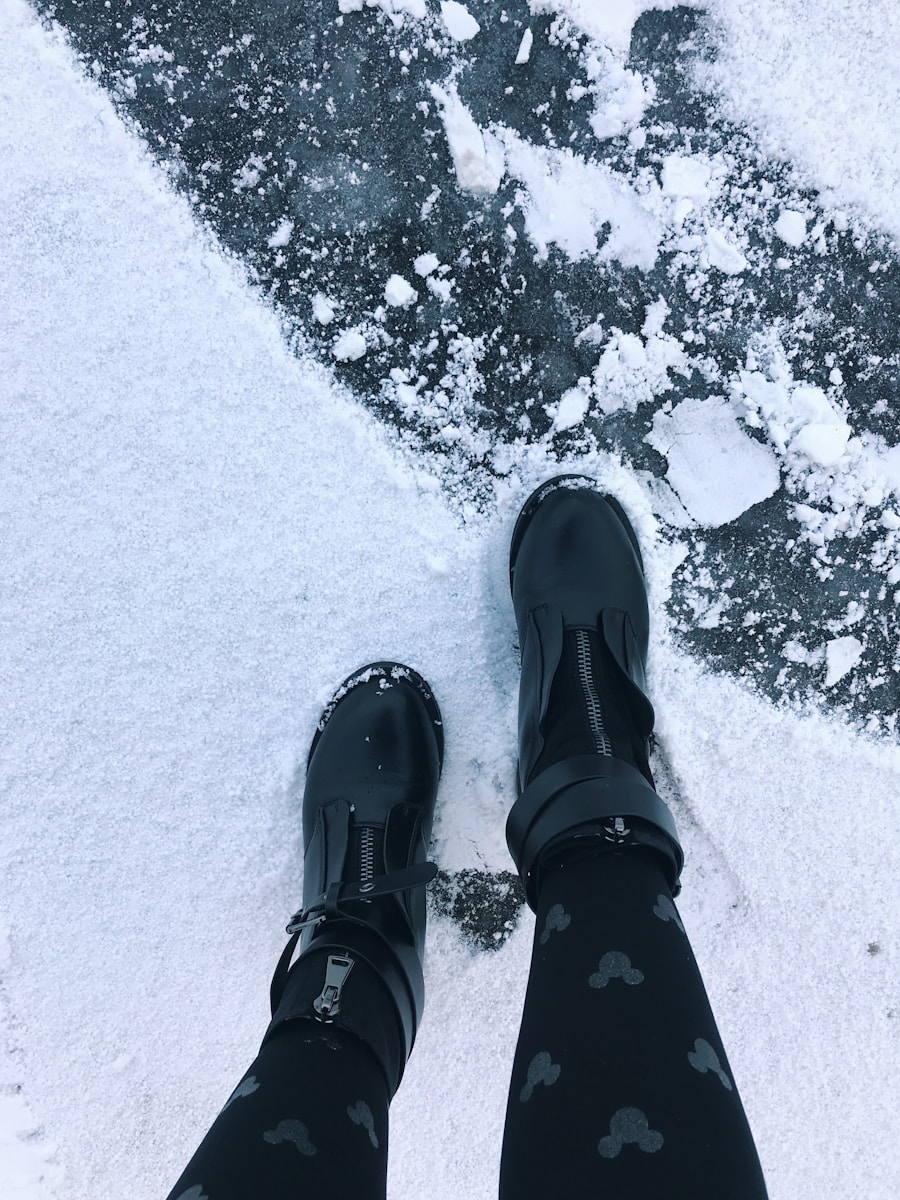
Snow and ice create very different traction problems. Deep outsole lugs can bite into loose snow and help shed mud or slush, but an aggressive summer hiking sole does not automatically provide dependable grip on hard ice.
Cold-weather rubber compounds are designed to improve winter performance. For example, Vibram Arctic Grip All Terrain is specifically designed for traction on wet ice and mixed winter surfaces. That is different from assuming every Vibram-branded outsole has the same winter performance.
Even a winter-specific outsole cannot eliminate slipping. When trails become icy or hard packed, removable footwear traction is often the safer approach. The National Park Service recommends traction devices for hard-packed snow and ice and notes that deeper, softer snow is better suited to snowshoes.
Think of your boot outsole as the base layer of traction. On genuinely icy trails, conditions may require an over-the-shoe traction device rather than relying on tread alone.
Lightweight footwear traction devices and ice cleats are intended for different surfaces and activities, so follow the product manufacturer’s instructions. Technical mountaineering crampons are a separate category and require appropriate terrain knowledge and compatible footwear.
Waterproofing and Snow
Waterproofing becomes especially important when snow is wet, temperatures rise above freezing, or the trail contains slush and standing water. Wet socks and footwear increase discomfort and accelerate heat loss.
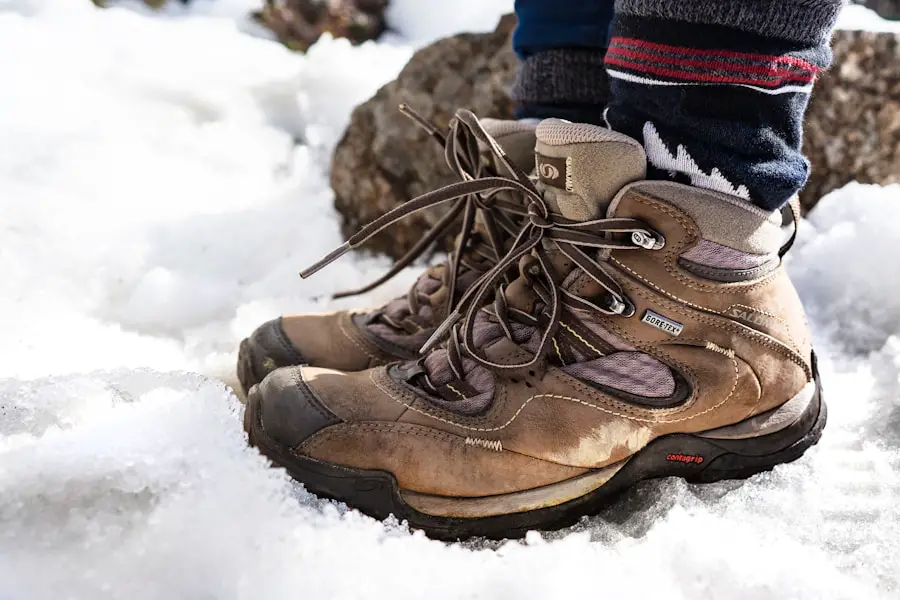
Waterproof membranes can keep liquid water outside while allowing some moisture vapor to escape. GORE-TEX footwear, for example, is designed to provide waterproof protection while allowing water vapor to pass outward through the footwear system.
Breathability still has limits. If you hike hard enough to sweat heavily, moisture can accumulate inside even waterproof footwear. Manage your pace and sock system so your feet stay as dry as practical.
| Snow Condition | Typical Footwear Setup | What to Add |
| Light, shallow snow | Waterproof hiking boots may be enough when temperatures and exposure are moderate. | Warm socks; gaiters if snow reaches above the boot collar. |
| Wet snow or slush | Waterproof footwear with enough insulation for the temperature. | Gaiters and spare dry socks. |
| Hard-packed snow or ice | Waterproof winter-capable hiking boots. | Appropriate over-the-shoe traction devices. |
| Soft, deep snow | Insulated waterproof winter footwear. | Gaiters and snowshoes when depth requires flotation. |
| Steep technical snow or ice | Compatible mountaineering footwear may be required. | Technical equipment, skills, and appropriate winter-route experience. |
Ankle Support and Boot Height in Snow
Mid-cut and higher hiking boots can be useful in snow because their taller collars provide more coverage and make it harder for shallow snow to enter from above. A secure heel, stable sole, and proper lacing can also make uneven winter terrain feel more controlled.
However, boot height should not be treated as a guarantee against ankle sprains. Research on high-top footwear has not established a clear protective effect for preventing ankle injuries in every setting. A Cochrane review indexed by PubMed found that the protective effect of high-top shoes remained uncertain.
Choose a boot that holds your heel securely without crushing your toes. Make sure you can walk naturally while wearing the winter socks you plan to use.
For deeper snow, gaiters are often more useful than simply choosing the tallest possible hiking boot. They cover the gap between your pants and footwear and help keep snow and mud from entering around the collar. The National Park Service includes waterproof boots and gaiters among its winter hiking essentials.
Considerations for Different Types of Snow
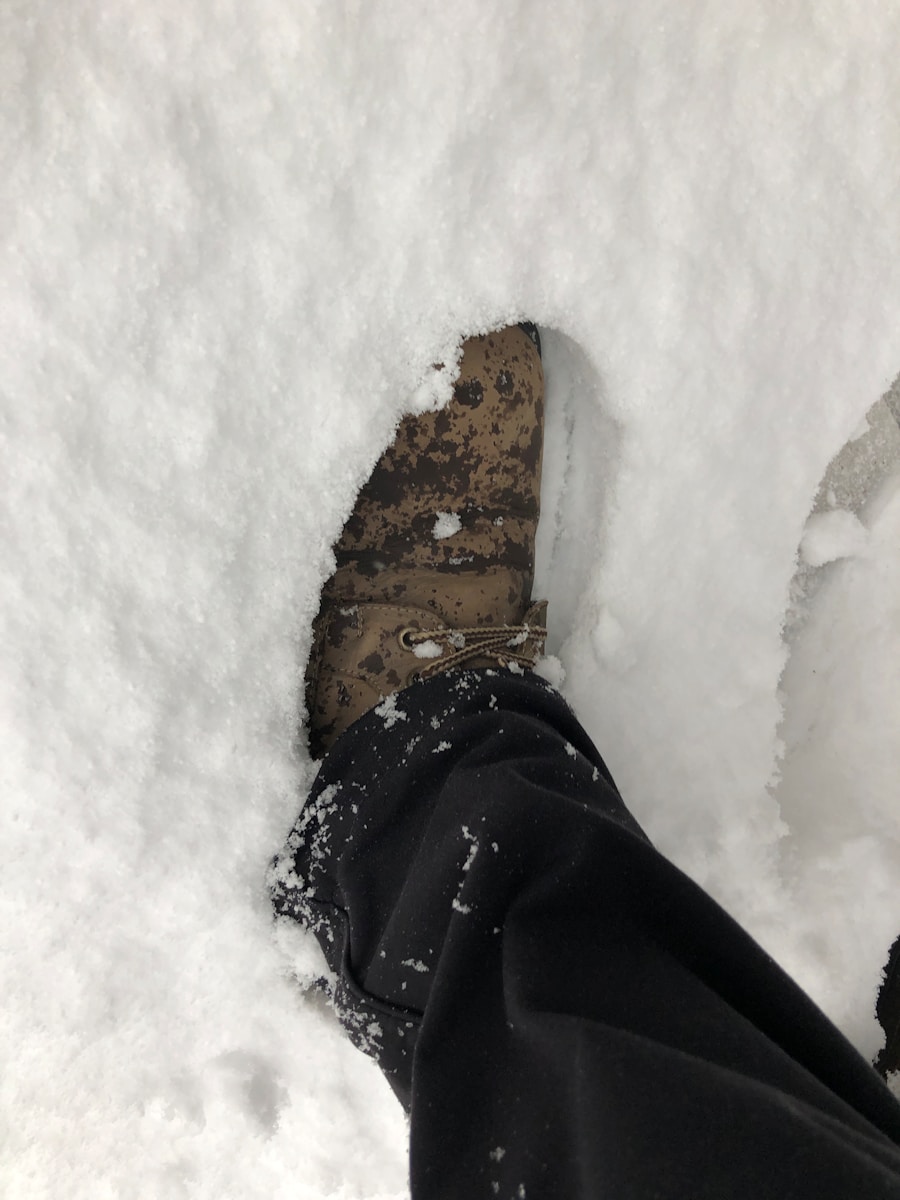
Fresh, Shallow Snow
Waterproof hiking boots may be adequate when only a small amount of fresh snow covers a firm trail underneath. Insulation needs depend on the temperature, wind, activity level, and duration of your hike.
Deep Powder
Deep snow creates a flotation problem rather than simply a traction problem. Without enough surface area, each step can sink deeply into the snow, making travel slow and exhausting. Snowshoes spread your weight over a larger area and are generally used over appropriate winter boots.
Hard-Packed Snow
Frequently traveled snow can compress into a firm, slippery surface. Hiking tread may help, but removable traction devices provide much better bite when the surface becomes hard or icy.
Ice
Ice is the condition where relying on an ordinary hiking outsole becomes most risky. Use traction suited to the surface and turn around if a trail becomes too steep or icy for your equipment and experience.
Wet Snow and Slush
Slush places the greatest emphasis on waterproofing because liquid water can reach seams, tongues, and the top of the boot. Gaiters, waterproof footwear, moisture-managing socks, and a spare pair of dry socks can make a major difference.
Traction Devices, Snowshoes, and Mountaineering Boots
These pieces of equipment solve different problems and should not be treated as interchangeable.
- Traction devices: Attach underneath boots to improve grip on hard-packed snow or ice.
- Snowshoes: Attach to suitable footwear and provide flotation in softer, deeper snow.
- Winter hiking boots: Provide walking comfort, weather protection, insulation, and a base for traction devices or snowshoe bindings.
- Traditional snow boots: Can offer excellent warmth and snow protection but may be bulkier or less efficient for long-distance hiking.
- Mountaineering boots: Built for more technical mountain travel and may offer the stiffness and compatibility required by particular crampon systems.
The National Park Service advises that traction devices are useful for hard-packed snow and ice, while softer and deeper snow is better suited to snowshoes. This distinction is more useful than choosing equipment based only on how much snow is visible.
Products Worth Considering

GRIPS ON SLIPPERY SURFACES: Walk confidently with these slip-on traction cleats designed to evenly distribute underfoot traction across ice- and snow-covered surfaces, as to provide stability on rocky terrain.

Stronger and safer spikes: Featured 19 high quality stainless steel spikes per foot and firm chain system, providing excellent traction on a variety of terrain or other worst conditions, keep you safe and injury-free

【Non-slip Cleats】Ice cleats with 9 plum shaped stainless steel studs which firmly embedded in the rubber,not easy to fall off.evenly spreading from the toe to the heel,providing excellent traction on slippery surfaces
How to Make Regular Hiking Boots Work Better in Snow
If you already own waterproof hiking boots and expect only moderate winter conditions, you may not need to replace them immediately. Build a winter footwear system around them.
- Start with the fit. Wear the socks you intend to hike in and make sure your toes are not compressed.
- Use wool or synthetic socks. Avoid relying on cotton for cold, wet outings.
- Add gaiters. They help prevent snow from falling into the boot from above.
- Carry appropriate traction. Snow can become icy as a trail is packed down or repeatedly melts and refreezes.
- Carry spare dry socks. This gives you a backup if moisture enters the boot or your feet sweat heavily.
- Dry boots thoroughly after use. Remove insoles when practical and allow the footwear to dry before the next outing.
Be cautious about adding bulky aftermarket insulated liners to boots that were not designed for them. Reducing interior volume can create pressure points and an overly tight fit. A properly designed insulated winter hiking boot is a better solution when regular boots are consistently too cold.
Products Worth Considering

Waterproof & Protection: Women hiking boots features Hydroshield Membrane waterproof mesh upper that keeps your feet cool and dry.

Synthetic and mesh upper for breathability and durability

Waterproof Design: Lined with a waterproof membrane, these women’s hiking boots feature rubber detailing on the upper, keeping your feet dry and comfortable when trudging through puddles, streams or other wet conditions.
When Should You Switch to Winter Hiking Boots?
Dedicated winter hiking boots become the better choice when cold exposure is prolonged, temperatures are consistently below freezing, you frequently hike through snow, or your three-season hiking boots leave your toes cold despite appropriate socks.
Look for a combination of:
- Waterproof construction suitable for snow and slush
- Insulation appropriate to your expected conditions
- Enough toe-box volume for winter socks without squeezing your feet
- A secure heel and comfortable walking fit
- A cold-weather-capable outsole
- A collar and tongue that limit snow entry
- Compatibility with the traction devices or snowshoes you expect to use
If the route involves steep alpine snow, exposed slopes, glaciers, or technical ice, the question is no longer simply whether ordinary hiking boots are warm enough. Appropriate mountaineering footwear, technical traction, route knowledge, and winter travel skills may be required.
Warning: Footwear cannot make an unsafe winter route safe. Check the forecast and current trail conditions before leaving. In avalanche terrain, obtain current avalanche information and use appropriate education, equipment, and judgment. Turn around when conditions exceed your gear or experience.
Products Worth Considering

Stronger and safer spikes: Featured 19 high quality stainless steel spikes per foot and firm chain system, providing excellent traction on a variety of terrain or other worst conditions, keep you safe and injury-free
Stronger and safer spikes: Featured 19 high quality stainless steel spikes per foot and firm chain system, providing excellent traction on a variety of terrain or other worst conditions, keep you safe and injury-free

25-Spike Grip for Extreme Ice & Hard Snow:Command reliable traction on the most demanding surfaces. With 25 high-density steel gripper spikes, these ice cleats dig deep into solid ice and hard-packed snow, delivering reliable multi-directional stability and slip resistance for severe winter conditions
Are Hiking Boots Suitable for Snow?
Hiking boots are suitable for snow when their features match the conditions. Waterproof three-season hiking boots may be perfectly adequate for a short walk through shallow snow in moderate temperatures. Insulated winter hiking boots are a better choice as temperatures drop, exposure increases, or winter hiking becomes a regular activity.
The biggest mistake is assuming that one feature solves every winter problem. Waterproofing does not provide insulation. Deep lugs do not guarantee grip on ice. A high collar does not eliminate ankle injuries. Insulation does not help if the boot fits so tightly that your feet are uncomfortable.
Instead, match the complete system to the trail: waterproof and appropriately warm footwear, moisture-managing socks, gaiters when snow is deep enough to enter the boot, traction on packed snow or ice, and snowshoes when soft snow makes you sink.
The National Park Service also recommends checking weather and trail conditions, carrying winter-appropriate equipment, and being willing to turn around when conditions change. That makes the condition of the trail—not simply the label on your boots—the final deciding factor.
Frequently Asked Questions
Can hiking boots be used in snow?
Yes. Waterproof hiking boots can work well in light or moderate snow when they keep your feet warm enough and fit properly. Colder temperatures, deep snow, long exposure, or technical terrain may call for insulated winter hiking or mountaineering boots.
What type of hiking boots are best for snow?
Look for waterproof construction, enough insulation for your expected conditions, a secure but roomy fit, a winter-capable outsole, and compatibility with gaiters and any traction devices or snowshoes you plan to use.
Can regular hiking boots be used in snow?
Regular waterproof hiking boots may be enough for shallow snow and relatively mild winter hikes. Non-waterproof or poorly ventilated wet footwear is a poor choice, and non-insulated boots may become uncomfortable during colder or longer outings.
How can I make my hiking boots more suitable for snow?
Use wool or synthetic winter socks, add gaiters to keep snow from entering over the collar, carry suitable traction for packed snow or ice, and keep a spare pair of dry socks. If your feet remain cold, move to properly fitted insulated winter hiking boots rather than cramming bulky liners into footwear that is too small.
What are the dangers of using unsuitable hiking boots in snow?
Poor waterproofing can leave your feet wet, inadequate warmth can contribute to cold exposure, and insufficient traction can increase the chance of slipping. Numbness, unusual skin color, persistent shivering, confusion, or loss of coordination require prompt action rather than simply continuing the hike.
Do I need traction devices or snowshoes with hiking boots?
It depends on the snow. Traction devices are useful on hard-packed snow and ice. Snowshoes are more useful when soft, deep snow causes you to sink. Both are normally used with suitable boots rather than replacing them.
Are thick socks enough to make uninsulated hiking boots winter-ready?
Not always. Warm socks can improve comfort, but adding socks until the boot becomes tight can reduce toe room and compress insulation. For consistently cold conditions, a properly fitted insulated winter hiking boot is usually a better solution.
Sources
- National Park Service — Winter Hiking Tips — winter footwear, gaiters, traction, weather, trail conditions, and avalanche awareness.
- National Park Service — Hiking with Traction Devices — traction for hard-packed snow and ice and snowshoes for softer, deeper snow.
- CDC/NIOSH — Cold and Work: Types, Causes, Preparation — cold stress, hypothermia, frostbite, and other cold-related risks.
- GORE-TEX — Waterproof Footwear — waterproof and breathable footwear technology.
- Vibram — Arctic Grip All Terrain — winter-specific outsole technology for wet ice and mixed surfaces.
- PubMed — Interventions for Preventing Ankle Ligament Injuries — evidence regarding high-top footwear and ankle-sprain prevention.
