
Last Updated on July 24, 2026 by Ethan Caldwell
Hotels normally replace used sheets and pillowcases before a new guest checks in. During your stay, however, daily housekeeping does not always include a full linen change. The schedule can depend on the property, brand, location, length of stay, sustainability program, and your own request. Here is how hotel sheet changes usually work and what you can do if your bedding does not seem clean.
Quick Answer
Most reputable hotels replace sheets and pillowcases after one guest checks out and before another checks in. During a longer stay, the hotel may change sheets daily, every few days, weekly, or only when requested. Daily room cleaning does not necessarily mean that all bed linen is replaced.
Key Takeaways
- A newly arriving guest should receive clean sheets and pillowcases that have not been used since laundering.
- Housekeeping service and full linen replacement are separate services.
- Stayover schedules vary by hotel, brand, location, and length of stay.
- A neatly made bed cannot prove that its sheets were changed.
- You can request fresh sheets at any time by contacting housekeeping or the front desk.
Disclosure: As an Amazon Associate I earn from qualifying purchases. Some links on this page are affiliate links, at no extra cost to you.
Do Hotels Change Sheets After Each Guest?
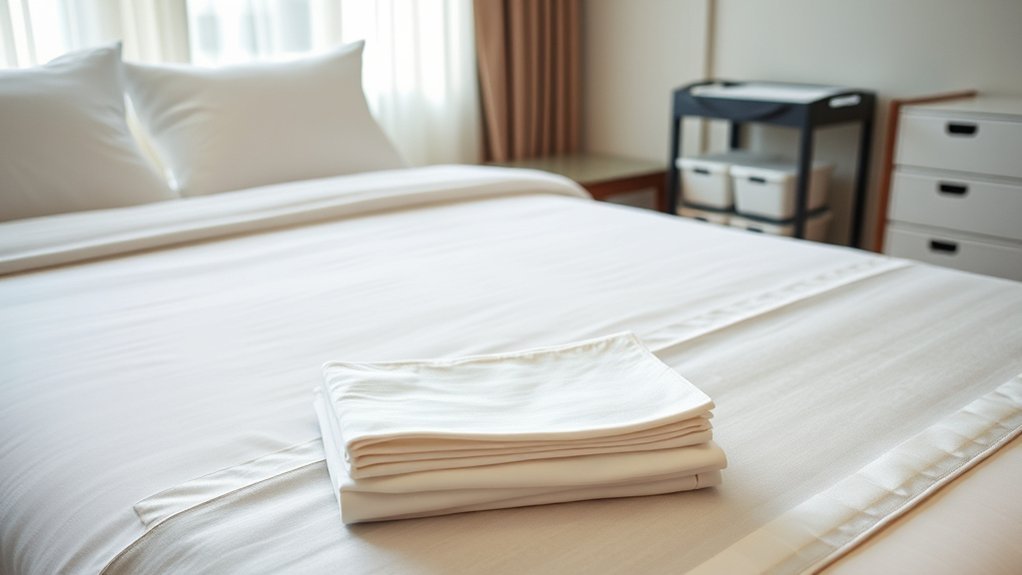
Hotels generally replace used sheets and pillowcases after a guest checks out. A new guest should not be placed in bedding that was used by the previous guest without being laundered.
This is more than a customer preference in some locations. The American Hotel & Lodging Association’s Hospitality Law Database lists examples of state rules requiring clean sheets and pillow slips for each new guest. However, lodging laws differ by jurisdiction, so there is no single worldwide rule covering every hotel.
The policy is less predictable during a continuing stay. A hotel may clean your room, empty the trash, replace towels, and make the bed without changing the sheets. Some properties replace stayover linen every few days, while others use longer intervals or allow guests to choose the frequency.
Note: “Daily housekeeping” describes how often the room is serviced. It does not automatically mean that the sheets, duvet cover, and other bed linen are replaced every day.
How Hotels Change Sheets
Housekeeping procedures differ by property, but a checkout-room linen change normally involves removing used sheets and pillowcases, checking the bed and mattress area, bringing in clean linen, and remaking the bed. The used linen is sent to an on-site laundry or an outside commercial laundry service.
Sheet Change Timing
Sheet-change timing depends on the room’s status:
- Checkout room: The previous guest has left, so used sheets and pillowcases should be removed before the next guest arrives.
- Stayover room: The same guest remains in the room, so the property’s stayover schedule applies.
- Guest-requested service: The guest asks for a linen change outside the normal schedule.
- Soiled bedding: Linen with visible stains, spills, blood, bodily fluids, or strong odors should be removed promptly.
- Do-not-disturb room: Housekeeping may not enter, which can delay scheduled service until the guest removes the sign or contacts the hotel.
Hotels should not be grouped into one fixed schedule based only on whether they are luxury, mid-range, or budget properties. A full-service hotel may offer daily room servicing but replace linen every third night. An extended-stay property may provide fewer automatic services while allowing additional service upon request.
Room Cleaning Steps
A typical checkout-room process may include the following:
- Remove used sheets, pillowcases, towels, and other designated linen.
- Keep soiled linen separate from clean linen.
- Inspect the mattress surface, mattress protector, pillows, and bed frame for stains, damage, or pest signs.
- Clean the room and bathroom according to the property’s procedure.
- Bring clean linen into the room without placing it on dirty surfaces.
- Remake the bed and inspect the completed room.
The room attendant does not necessarily wash the linen personally. Many hotels use a central laundry area or an outside contractor. The important issue for you is that used linen is removed and replaced with properly handled clean linen.
Hotel Sheet Change Policies by Stay Length
There is no universal stayover schedule. Current published hotel policies show how widely service can vary. Hilton, for example, states that many of its luxury and full-service brands receive daily housekeeping, while several focused-service and extended-stay brands in the United States and Canada receive housekeeping every other day. Guests can request additional service through the front desk.
Individual properties may have their own linen schedule. Some Hyatt locations publish a light room service for the first days followed by a full linen change on day three. Other locations provide regular room servicing but schedule full linen changes less frequently.
| Stay Situation | What Commonly Happens | What You Should Confirm |
|---|---|---|
| New arrival | Used sheets and pillowcases are replaced before check-in. | Report stains, hair, odors, dampness, or debris immediately. |
| Short stay | The room may be serviced without a full sheet change. | Ask whether linen is replaced automatically or by request. |
| Long stay | Full linen changes may follow a multi-day or weekly schedule. | Confirm the next scheduled change and how to request an extra one. |
| Green or opt-out program | Sheets and towels may be reused during the same guest’s stay. | Check whether you opted in automatically and whether fresh linen remains available on request. |
The property’s written policy is more reliable than assumptions based on its nightly price or star rating.
How Often Hotels Change Sheets on Long Stays
During a long stay, sheets may be changed every few days, once a week, or according to a customized schedule. The exact timing should be available from the hotel’s booking page, welcome information, app, in-room housekeeping card, or front desk.
Published policies illustrate the variation. Hilton’s housekeeping policy separates daily and every-other-day housekeeping by brand group. Some Hyatt hotels describe full linen service on the third or fourth day, while another publishes a seventh-day linen schedule. These examples are property policies, not rules for every hotel in the same price range.
You can request a different schedule when you check in. A simple request such as, “Please change the sheets every third day during my stay,” is clearer than relying on a card, towel position, or other informal signal.
Pro Tip: Ask the front desk to record your linen request in the reservation or room notes. This is especially useful during an extended stay or when housekeeping staff rotate between shifts.
Do Hotels Wash Duvets and Pillowcases Too?
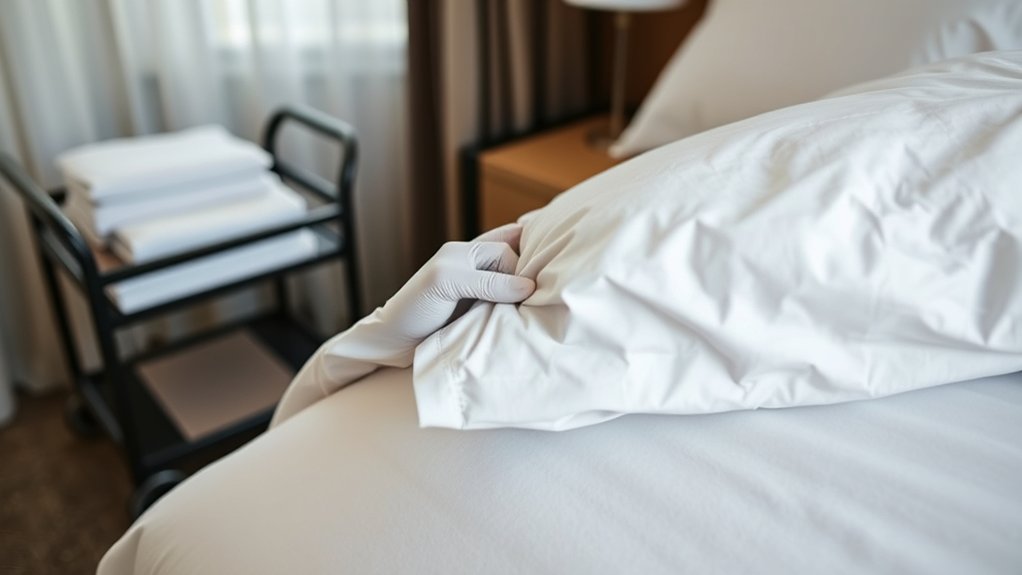
Pillowcases are direct-contact linen and should normally be replaced with the sheets before a new guest arrives. Duvet bedding is more complicated because several separate items may be involved:
- Duvet cover: The removable fabric cover surrounding a duvet insert.
- Duvet insert: The filled inner layer that provides warmth.
- Comforter: A filled top layer that may not have a removable cover.
- Top sheet: A sheet placed between the guest and the blanket or duvet.
- Decorative throw or bed runner: A nonessential top layer that may follow a different cleaning schedule.
Hotels do not follow one universal schedule for every top layer. Some replace and wash the duvet cover between guests. Others use a top sheet as the main direct-contact barrier and clean the heavier insert or comforter on a scheduled basis or whenever it becomes soiled.
When the policy is unclear, ask a specific question: “Are the duvet cover and pillowcases changed between guests?” This is more useful than asking whether the room was simply “cleaned.”
Sheets, pillowcases, duvet covers, and duvet inserts are separate items and may follow different laundry schedules.
How to Tell If Hotel Sheets Are Fresh
You cannot confirm laundering from neat folds or crisp corners alone. A room attendant can remake a bed neatly without replacing every layer, and clean sheets may develop wrinkles while being stored or handled.
You can still inspect the bedding for clear signs that it should be replaced. Complete the check before unpacking or getting into bed.
Products Worth Considering

PREMIUM LONG STAPLE COTTON SHEETS SET : Crafted from long staple fibers, our king size cotton sheet sets 400 thread count feature a classic percale weave that delivers a cool, crisp & lightweight texture. Designed for airflow, this super soft king bed set maintains a smooth surface with hotel comfort that gradually softens with washing while preserving structure and breathability.

PREMIUM LONG STAPLE COTTON SHEETS SET : Crafted from long staple fibers, this cotton 400 thread count sheets queen size set features a classic percale weave that delivers a cool, crisp & lightweight texture. Designed for airflow, this super soft queen sheets set maintain a smooth surface with hotel comfort that gradually softens with washing while preserving structure and breathability.
Visual Freshness Checks
Pull back the duvet or top layer and look at the sheets and pillowcases under normal room lighting. Check for:
- Stray hair, crumbs, grit, or other debris
- Visible stains or unexplained discoloration
- Makeup marks on pillowcases
- Damp patches or a musty odor
- Strong perfume, smoke, or body odor
- Torn fabric or damaged mattress protection
- Dark, rusty, or reddish spots near mattress seams
These signs do not always prove that housekeeping skipped a linen change. A stain may remain after laundering, for example. However, you do not need to accept bedding that appears dirty, smells unpleasant, or makes you uncomfortable.
Do not mark, write on, wet, or deliberately soil a sheet to test housekeeping. That can damage hotel property and still does not prove how the linen was handled.
Ask Staff Directly
The simplest way to confirm the policy is to contact housekeeping or the front desk. You can say:
“Could you please confirm whether the sheets and pillowcases were changed after the previous guest? I would also like a fresh set brought to the room.”
Ask separately about the duvet cover if it concerns you. Avoid relying on an informal object placement or coded signal unless the hotel itself has explained that procedure in writing.
What to Do If Hotel Sheets Feel Dirty
If the sheets appear dirty, avoid getting into the bed or placing your belongings on it. Take a clear photograph before the linen is removed, especially when there are stains, hair, debris, or bodily fluids.
- Call housekeeping and request a complete replacement of the sheets and pillowcases.
- Ask whether the duvet cover or other direct-contact bedding will also be replaced.
- Notify the front desk so the complaint is recorded.
- Inspect the replacement linen before using the bed.
- Request a room change if the problem is not corrected promptly.
- Ask for a manager if the second room or replacement linen has the same problem.
- Keep photographs and written messages if you later need to contact the hotel brand or booking platform.
Warning: Do not sleep on linen with visible blood, bodily fluids, heavy dampness, or suspected pest evidence. Avoid unnecessary contact and ask hotel staff to remove and replace it.
Be direct but calm. Describe what you found, state the resolution you need, and give staff a reasonable chance to correct it. If the hotel cannot provide a clean room, contact the booking provider and consider moving to another property.
Products Worth Considering
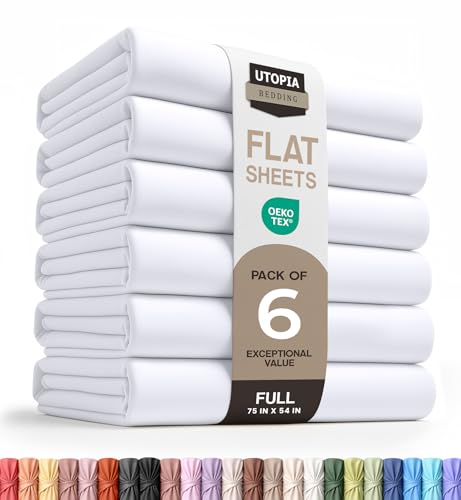
Flat sheet 6 Pack - Full size 6 pieces flat sheet measuring 81 by 96 inches; the 2-inch hem on the flat sheet adds elegance and style

COMPLETE BEDDING SET – Our bed sheet set includes everything you need: (2) 20"x30" pillowcases, (1) 102"x90" flat sheet, and (1) 80"x60" fitted sheet with deep pockets that fit mattresses up to 16” deep. Perfect for master bedrooms, guest rooms, dorms, or Airbnb stays.

King Size Pillowcase 20" x 40" (51cm x 102cm) - 100% Satisfaction Guaranteed ! Thickness, softness and warmth breathable, stronger and more durable than cotton, with the strongest stitching to prevent tears.. Wrinkle- and fade-resistant, cold-water washable and quick-drying.
Hotel Bed Bug Signs to Check For
Bed bugs can occur in budget accommodation, luxury resorts, homes, public transport, and other places where people sleep or rest. The Centers for Disease Control and Prevention explains that a property’s general cleanliness does not determine whether bed bugs are present.
Before unpacking, inspect the mattress seams, box spring, headboard, bed frame, and luggage rack. According to the U.S. Environmental Protection Agency’s travel guidance, you should keep luggage on an inspected rack rather than on the bed or floor.
Possible signs include:
- Live, flat, reddish-brown insects
- Small pale eggs or young insects
- Shed skins or exoskeletons
- Dark spots or droppings near seams and cracks
- Rusty or reddish blood spots on bedding
- A sweet, musty odor in a heavier infestation
If you find possible evidence, stop unpacking and photograph what you see. Notify management immediately. Ask the hotel to inspect any replacement room before moving your belongings, or seek alternative lodging. A room on another floor is not automatically safe simply because it is farther from the first room.
Keep your bags closed and away from beds and upholstered furniture. After returning home, inspect the luggage carefully. EPA guidance notes that dryer heat can kill bed bugs, while washing alone may not be enough.
Products Worth Considering
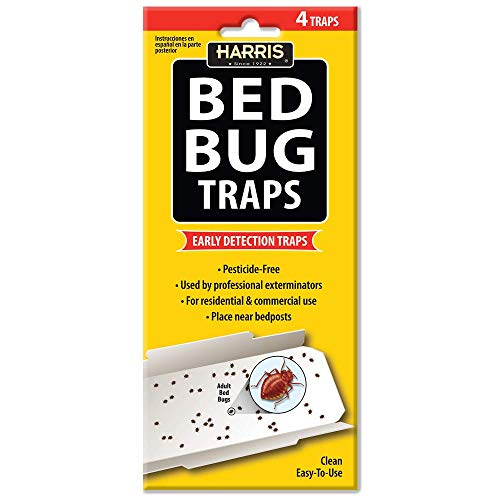
Natural Product. Easy to Use - Simply fold the trap and insert the tab at the top to hold it together

This Powerful Flashlight- Is just what you need to detect bed bugs in a hotel room or find invisible stains from Body Fluids.

POWERFUL UV OUTPUT: Our blacklight flashlights are equipped with 100 high-intensity LEDs, delivering 18W of UV power at 390-395nm — brighter and more effective than standard 51 or 12 LED models.
Why Clean Hotel Sheets Matter
Clean sheets matter because they prevent a new guest from sleeping in linen containing another guest’s hair, skin oils, sweat, spills, makeup, or other visible soil. They also affect how comfortable and well-maintained the entire room feels.
Hygiene and Comfort
Freshly laundered sheets and pillowcases provide a clean direct-contact surface for sleeping. Proper linen handling also helps prevent clean sheets from touching dirty carts, floors, used towels, or other contaminated surfaces before the bed is made.
Clean bedding does not guarantee that a room is allergen-free, germ-free, or pest-free. It is one part of a larger housekeeping process that also includes the bathroom, frequently touched surfaces, floors, waste removal, and room inspection.
- Clean linen removes visible soil from the previous stay.
- Fresh pillowcases provide a clean surface for your face and hair.
- Dry bedding avoids the discomfort and odor associated with damp linen.
- Undamaged mattress protection helps keep the sleeping area maintained.
- A consistent linen process makes cleanliness complaints easier to prevent and resolve.
Better Sleep Quality
A clean, dry, comfortable bed can make it easier to relax because you are not distracted by stains, odors, dampness, hair, or uncertainty about the previous guest. However, clean sheets alone cannot guarantee deeper sleep or prevent every source of irritation.
Room temperature, mattress comfort, lighting, outside noise, indoor air quality, and your normal sleep routine may matter just as much. Clean bedding should therefore be described as an important comfort standard rather than a treatment for sleep or allergy problems.
Why Some Hotels Change Sheets Less Often
Hotels may limit automatic stayover linen changes to reduce laundry volume, water use, energy use, detergent use, labor, and linen wear. These programs apply to the same guest reusing bedding during one stay. They should not be used as a reason to place a new guest in another person’s used sheets.
The EPA WaterSense H2Otel Challenge encourages hotels to improve water efficiency, and linen-reuse programs are one of the practices used by participating properties. The guest should still be able to ask what the policy is and request fresh linen when needed.
- You may be invited to opt out of daily service.
- The property may use a default multi-day schedule.
- Housekeeping may be reduced at extended-stay hotels.
- A do-not-disturb request may pause scheduled service.
- Staff shortages or operational problems may cause delays, but they do not excuse dirty bedding.
- You can usually request an additional linen change.
Note: Reusing your own sheets for an extra night is different from reusing sheets after a previous guest has checked out.
Frequently Asked Questions
What’s the most stolen item from a hotel room?
Recent surveys of hotel workers commonly place towels at the top of the list, followed by items such as bathrobes and hangers. However, there is no universal official theft database covering every hotel. Do not take towels, sheets, robes, pillows, or other reusable hotel property unless staff clearly say the item is complimentary.
How do I ask my hotel to change the sheets?
Call or message the front desk and say, “Please arrange a complete sheet and pillowcase change for my room.” Mention the duvet cover separately when you want it replaced too. For a long stay, ask staff to record a repeating schedule in your room notes.
What is the washcloth trick in hotels?
There is no recognized hotel-wide rule saying that a folded washcloth requests fresh sheets. Hotels may use their own cards, apps, door signs, or housekeeping procedures. Contact the front desk or leave a clearly written request instead of relying on an unofficial signal.
How often do hotels replace bed sheets?
Hotels normally replace used sheets before a new guest checks in. During a continuing stay, the schedule may range from daily service to a multi-day or weekly linen change. Check the property’s policy and request an earlier change whenever the sheets become dirty or uncomfortable.
Does daily housekeeping include fresh sheets?
Not always. Daily housekeeping may include making the bed, removing trash, cleaning the bathroom, replacing towels, and replenishing supplies. A complete linen change may follow a separate schedule unless you specifically request one.
Are hotel duvet covers changed between guests?
Policies vary. Some hotels replace the duvet cover with the sheets, while others use a top sheet and clean the heavier cover or insert on another schedule. Ask specifically about the duvet cover because a general statement about changing the sheets may not include every top layer.
Conclusion
Hotels normally replace sheets and pillowcases before a new guest arrives, but stayover linen schedules vary widely. Do not assume that daily housekeeping includes daily sheet replacement or that a neatly made bed proves the linen is fresh.
Inspect the bedding before using it, ask the property about its policy, and request a full linen change whenever you find stains, odors, hair, dampness, or other concerns. For possible bed bugs, avoid unpacking, keep luggage away from the bed, document the evidence, and notify management immediately.
Sources
- American Hotel & Lodging Association Hospitality Law Database — examples of jurisdiction-specific lodging and clean-linen requirements.
- Hilton Housekeeping Policy — current examples of housekeeping frequency by hotel brand group.
- Hyatt Place New York/Yonkers Housekeeping FAQ — an example of light service followed by a full linen change.
- U.S. Environmental Protection Agency: Bed Bug Tips for Travel — hotel-room inspection, luggage placement, and post-travel precautions.
- Centers for Disease Control and Prevention: About Bed Bugs — identification, hiding places, health effects, and infestation signs.
- EPA WaterSense H2Otel Challenge — hotel water-efficiency and sustainability practices.
