

Last Updated on July 31, 2026 by Daniel Globe
A hotel-style bed looks crisp, balanced, and inviting because every layer is smooth, centered, and practical. You do not need an expensive mattress or a pile of decorative pillows to recreate that feeling at home. Start with clean bedding that fits correctly, use neat tucks and folds, and choose only the layers that suit your sleep temperature.
Quick Answer
To make your bed like a hotel, protect and smooth the mattress, fit the bottom sheet tightly, center a flat sheet, make hospital corners, add a fluffy duvet or comforter, fold the top layers back evenly, and arrange sleeping pillows symmetrically. Finish by removing wrinkles and limiting decorative pieces.
Key Takeaways
- Correct fit and smooth layers matter more than an extreme thread count.
- Hospital corners and a straight top fold create the tailored hotel look.
- Use a duvet, blanket, and topper only when they match your comfort and temperature needs.
- Keep sleeping pillows practical and decorative pillows limited so the bed is easy to use.
- Soft lighting, a simple color palette, and varied textures can extend the hotel feel through the room.
At a Glance
| Time Required | 15–25 minutes for a full remake; about 5 minutes for a daily reset |
| Difficulty | Easy |
| Tools Needed | Mattress protector, fitted or flat bottom sheet, flat top sheet, duvet or comforter, pillowcases, and pillows; optional topper, blanket, throw, iron, or garment steamer |
| Cost | No added cost with existing bedding; optional upgrades vary by material, size, and brand |
Disclosure: As an Amazon Associate I earn from qualifying purchases. Some links on this page are affiliate links, at no extra cost to you.
Choose High-Quality Bedding That Fits Your Bed
The foundation of a polished bed is bedding that fits the mattress and feels comfortable against your skin. Measure the mattress length, width, and total depth, including any topper, before buying sheets. A fitted sheet that is too shallow will pull off the corners, while one that is too deep may wrinkle or bunch.
Cotton, linen, and manufactured cellulosic fabrics can all work well, but each feels different. Cotton is widely available and easy to layer. Linen has a relaxed texture and can feel airy. Many products marketed as “bamboo” are actually rayon or viscose made from bamboo, so check the fiber-content label rather than relying on the front-of-package wording. The Federal Trade Commission explains the correct labeling for bamboo-derived textiles.
Authentic Egyptian cotton is associated with long, fine fibers, but the name alone does not guarantee good weaving, finishing, or truthful sourcing. Look for clear fiber content, strong stitching, a reputable certification or traceability program, and care instructions that suit your routine.
Thread Count Is Only One Quality Signal
A higher thread count can create a denser fabric, but it does not automatically make a sheet softer, cooler, or more durable. Some very high counts are created by counting the strands in multi-ply yarns separately. Cotton Incorporated notes that a higher sheet thread count is not always better. Fiber quality, yarn construction, weave, finishing, and fit can matter just as much.
Percale vs. Sateen
- Percale: A plain weave with a crisp, matte feel. It is often preferred by sleepers who want light, smooth bedding without a silky finish.
- Sateen: A weave with more yarn floating across the surface, which creates a smoother, more lustrous feel. It may feel warmer or heavier than comparable percale.
Note: Do not judge sheets by thread count alone, and do not assume “bamboo” describes the finished fiber. Read the full label, check the weave, and follow the care instructions.
How to Make Your Bed Like a Hotel
Step 1: Clear the Bed and Prepare the Mattress
Remove the pillows, duvet, sheets, and loose items. Check the mattress surface for crumbs, dust, or damp spots, then allow it to air while you gather clean bedding. Smooth the mattress protector and make sure it lies flat around every edge.
Step 2: Utilize High-Quality Mattress Toppers
A mattress topper is optional. Use one when you want to change the surface feel of a mattress that is still supportive and in good condition. Memory foam tends to contour closely, while latex usually feels more responsive. Material, density, thickness, ventilation, and the sleeper’s body shape all affect comfort, so no topper can promise perfect pressure relief or spinal alignment for everyone.
Place the topper directly on the mattress, then add a protector over it if the protector is designed to fit the combined depth. A topper may reduce direct wear on the mattress surface, but it will not repair sagging, broken support, or a mattress that has reached the end of its useful life.
Step 3: Fit and Smooth the Bottom Sheet
For the easiest home setup, pull a fitted sheet over the mattress one corner at a time. Start with the two upper corners, then secure the lower corners. Run your hands from the center toward the edges to remove wrinkles.
Some hotels use a flat sheet as the bottom layer because flat sheets are easy to launder, fold, and replace. At home, a fitted sheet is usually simpler. Either method works if the sheet is smooth and securely tucked.
Step 4: Layer Your Bed with Luxurious Linens
Center the flat top sheet over the bed with an even drop on both sides. If the sheet has a finished or patterned side, place that side face down so it shows when you fold the top edge back. Leave enough fabric at the foot for a firm tuck.
Add a lightweight blanket or coverlet only when it serves a purpose. Place it over the top sheet, align it with the mattress, and leave the same amount hanging on each side. Cashmere, merino wool, cotton, and other throws can add warmth and texture, but too many layers can make the bed hot and harder to remake.
Step 5: Pay Attention to Detail with Tucked-In Sheets
Tuck the top sheet firmly under the foot of the mattress. Then make a hospital corner on each lower side:
- Lift the hanging side of the sheet about 12 inches above the mattress.
- Tuck the lower portion under the mattress at the foot.
- Lower the raised flap to form a clean diagonal fold, usually close to a 45-degree angle.
- Tuck the remaining edge under the mattress and smooth the corner.
This method creates the clean lines associated with hotel housekeeping. A practical hotel-style guide from Premier Inn at Home uses the same basic sequence: a centered flat sheet followed by neat hospital corners.
Pro Tip: If a tight tuck feels restrictive around your feet, leave the top sheet untucked along the sides near the head of the bed while keeping the foot and lower corners neat.
Step 6: Choose a Plush Duvet or Comforter
A duvet is an insert used inside a removable duvet cover. A comforter has an outer shell and fill sewn together as one finished piece. Neither option is automatically warmer or heavier; warmth depends on the fill material, fill amount, construction, and overall weight.
For a down duvet, fill power describes the loft and insulating quality of the down relative to its weight. Higher fill power can provide more loft and thermal retention per ounce, but the total warmth of the duvet also depends on how much fill it contains. IDFL explains how down fill power is measured and what it indicates.
Shake the duvet so the fill reaches every corner, then center it over the bed. For a full hotel look, choose a duvet that covers the sides without dragging on the floor. If you sleep warm, use a lighter insert or skip the extra blanket underneath. If you sleep cold, add a breathable layer rather than relying only on visual bulk.
Step 7: Create the Signature Hotel Fold
Pull the duvet or comforter up toward the pillows, then fold its top edge down about 8–12 inches. Fold the top sheet over it so the sheet creates a clean band across the bed. Adjust both sides until the fold is level and centered.
For a softer look, roll the top of the duvet back once. For a more tailored look, keep the fold flat and sharp. Smooth the surface with open hands, working from the middle toward the edges.
Step 8: Add a Touch of Elegance with Decorative Pillows
Begin with the pillows you actually sleep on. Fluff them, straighten the pillowcases, and place them in a symmetrical back row. Add shams or decorative pillows in front, but stop before the arrangement becomes difficult to remove each night.
| Pillow Role | Common Size or Shape | Material Ideas | Placement |
| Sleeping pillows | Standard, queen, or king | Cotton or linen pillowcases | Flat or upright against the headboard |
| Shams | Euro square or matching bed size | Embroidered cotton, velvet, or silk | Behind or in front of sleeping pillows |
| Accent pillows | 16 × 16, 18 × 18, 20 × 20, lumbar, or round | Silk, velvet, cotton, or textured blends | One centered accent or a balanced pair |
Blue, red, green, white, floral, and geometric designs can all work, but choose a limited color story so the bed does not look crowded. Decorative-pillow prices vary widely by size, fill, cover, and construction, so a fixed $15–$50 range is not a reliable quality guide.
Step 9: Complete the Look with a Statement Bed Skirt
A bed skirt is optional, but it can hide the bed frame or under-bed storage and give the base a finished appearance. Choose a tailored style for clean lines or a ruffled style for a softer room. The drop should reach close to the floor without pooling, and the fabric should complement the bedding rather than compete with it.
Step 10: Smooth, Center, and Edit
Stand at the foot of the bed and check the full arrangement. Confirm that the sheet band is level, the duvet hangs evenly, the pillow rows are balanced, and the throw is straight. Remove one decorative item if the bed looks busy.
Warning: Follow each fabric’s care label before ironing or steaming. Keep a hot iron or steamer away from foam, finished wood, electrical cords, and any material that the manufacturer says should not receive direct heat or moisture.
The hotel look comes from smooth, symmetrical layers—not from the highest thread count, the heaviest duvet, or the largest pile of pillows.
Finish the Room Around the Bed
Incorporate a Stylish Headboard
A headboard anchors the bed and creates a clear focal point. Upholstered linen or velvet can add softness, wood can provide warmth or structure, and metal can create a lighter visual profile. Choose a height and width that suit the room rather than assuming taller is always better. Tufting, nailhead trim, or a simple wood grain can add character without overwhelming the bedding.
Create a Cozy Atmosphere with Soft Lighting
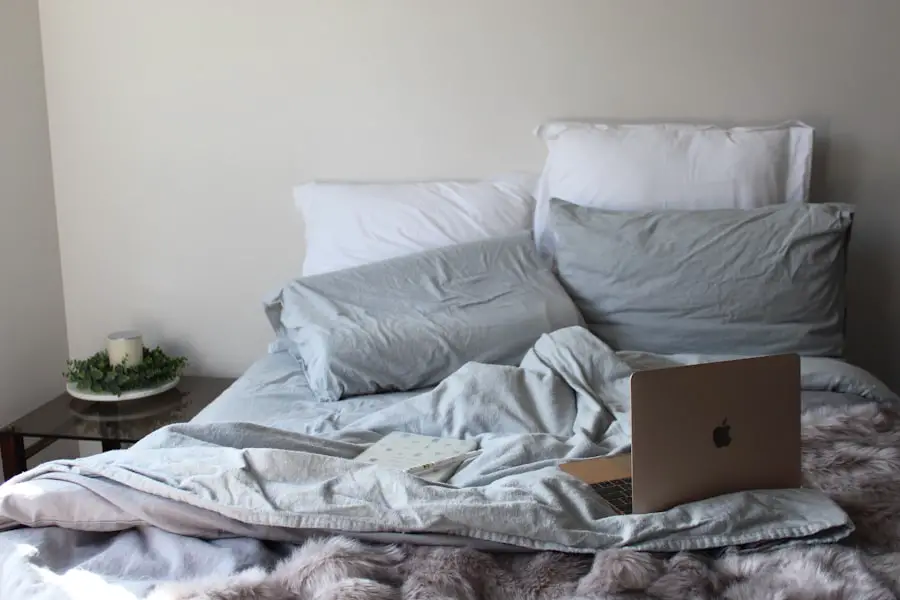
Use more than one light source so you can reduce brightness near bedtime. Bedside lamps provide focused reading light, while a floor lamp can brighten a dark corner. Dimmers and warm-toned bulbs make it easier to shift from daytime lighting to a calmer evening setting.
Lighting should support sleep rather than make medical promises. The National Heart, Lung, and Blood Institute recommends avoiding bright artificial light before bed and keeping the bedroom quiet, cool, and dark.
Opt for a Neutral Color Palette
White, beige, gray, and soft pastels create a flexible base that resembles many hotel rooms. Add personality through a small number of accents, such as muted blue, blush, green, or a deeper seasonal color. A limited palette helps the layers look coordinated, but it is a design choice rather than a requirement for restful sleep.
Embrace the Power of Texture
Mixing texture prevents a neutral bed from looking flat. Pair crisp cotton sheets with a chunky knit throw, smooth pillowcases with velvet cushions, or a linen duvet cover with a woven basket or textured rug. Repeat one or two textures elsewhere in the room so the design feels intentional.
Keep the Hotel-Style Bed Fresh
- Reset it each morning: Pull the top sheet and duvet upward, smooth the center, re-form the fold, and fluff the pillows.
- Follow care labels: Wash and dry each item according to its fiber, fill, and construction. Duvets, toppers, and decorative covers may require different care from sheets.
- Rotate layers by season: Use lighter bedding in warm weather and add a blanket or warmer insert when the room is colder.
- Air bulky bedding fully: Make sure a washed duvet or topper is completely dry before returning it to the bed.
- Store decorative pillows clean and dry: Use breathable storage and avoid compressing delicate fill for long periods.
Troubleshooting Common Hotel-Bed Problems
The Fitted Sheet Keeps Popping Off
Measure the mattress and topper together, then compare that depth with the sheet’s stated pocket depth. Replace stretched elastic or use a properly sized fitted sheet. A flat bottom sheet with firm hospital corners is another option if you are comfortable making tight tucks.
The Duvet Bunches Inside the Cover
Match the insert and cover dimensions, fasten any interior corner ties, and shake the duvet from the top corners. When inserting it, align all four corners before unrolling or turning the cover right-side out.
The Bed Looks Flat
Fluff the duvet, straighten the top fold, and create height with the sleeping pillows before adding decorative pillows. A folded throw at the foot can add depth without covering the whole bed.
The Bed Feels Too Hot
Remove the optional blanket, choose a lighter duvet or comforter, and use fewer dense layers. Select sheets by fiber and weave based on how they feel to you, not by thread count alone.
The Bed Takes Too Long to Make
Use fewer decorative pillows, skip the bed skirt if it creates extra work, and keep the daily routine to smoothing, folding, and fluffing. Save the full strip-and-remake process for laundry day.
Carry Hotel-Style Comfort Into Your Travels
A comfortable home bed can make you more aware of the small details that improve a trip. The best waterproof sneakers for travel can help keep your feet dry while exploring. One of the 5 must-have universal travel adapters can keep devices charged abroad, and the 5 must-have portable camping stoves can make outdoor meals easier. These items do not affect bed-making, but they support comfort when you are away from your hotel-inspired bedroom.
Frequently Asked Questions
What are the benefits of making your bed like a hotel?
A hotel-style method creates a neat, organized focal point and makes bedding easier to inspect, smooth, and reset. It can also support a consistent morning routine. The appearance itself does not guarantee better sleep, so comfort, temperature, light, noise, and sleep habits still matter.
What are the steps to make your bed like a hotel?
Prepare the mattress, add an optional topper and protector, fit the bottom sheet, center the top sheet, make hospital corners, add a blanket if needed, place and fold the duvet, arrange the pillows, add an optional bed skirt or throw, and smooth every layer.
What are some tips for achieving a hotel-like bed at home?
Use bedding that fits the mattress, keep the layers centered, create crisp lower corners, fold the top sheet and duvet evenly, fluff the sleeping pillows, and limit decorative pieces. Clean, smooth bedding usually has more visual impact than expensive accessories.
Why is it important to make your bed like a hotel?
It is not required, but it can make the room feel more orderly and make the bed easier to maintain. The best version is one that looks polished without adding layers or pillows that reduce comfort or create unnecessary daily work.
Do hotels use fitted sheets or flat sheets?
Practices vary. Some hotels use flat sheets as both the bottom and top layers because they are easy to process in large laundry systems. At home, a correctly sized fitted bottom sheet is often faster and easier to secure.
How do you make hospital corners?
Tuck the sheet under the foot of the mattress, lift the side fabric, tuck the lower portion underneath, lower the raised fabric into a diagonal fold, and tuck the remaining edge under the mattress. Smooth the fold so it lies flat.
How many pillows should a hotel-style bed have?
Use the number of sleeping pillows you need, usually two to four depending on bed size and preference. Add one centered accent pillow or a balanced pair of decorative pillows. More pillows are optional, not a requirement for a luxury look.
How can I keep a duvet looking fluffy?
Shake and redistribute the fill, align the insert with the cover, use corner ties when available, and follow the manufacturer’s cleaning and drying instructions. Make sure the duvet is completely dry before placing it back on the bed.
Sources
- Federal Trade Commission: “Bamboo” Fabrics — fiber-labeling guidance for rayon or viscose made from bamboo.
- Cotton Incorporated: Cotton Facts — explains why a higher sheet thread count is not always better.
- IDFL: What Is Fill Power? — explains down loft, testing, and thermal retention relative to weight.
- National Heart, Lung, and Blood Institute: Healthy Sleep Habits — supports guidance on evening light and a quiet, cool, dark bedroom.
- Premier Inn at Home: How to Make a Bed Like a Hotel — supports the practical sequence for layering sheets, making hospital corners, folding the duvet, and arranging pillows.
