
Last Updated on July 30, 2026 by Daniel Globe
Great hospitality is the feeling that a guest is expected, understood, and cared for from the moment they consider booking until after they leave. It is not limited to luxury hotels or expensive restaurants. A budget inn, neighborhood café, resort, or bed-and-breakfast can provide exceptional hospitality by delivering clean spaces, honest information, dependable comfort, thoughtful service, and respectful human connection.
Quick Answer
Great hospitality combines a warm welcome with clean, comfortable, accessible surroundings; clear prices and policies; safe food; responsive service; reliable amenities; and genuine local character. The best properties anticipate reasonable needs, solve problems quickly, respect guest privacy, and deliver a consistent experience without making the service feel scripted.
Key Takeaways
- Hospitality is built on trust, comfort, inclusion, consistency, and respectful personal attention.
- Clean rooms, dependable facilities, clear prices, and responsive staff matter more than decorative extras.
- Design, food, local culture, and thoughtful amenities can make a stay distinctive when the basics are already handled well.
- Accessibility, food safety, physical security, and guest-data protection are essential parts of responsible hospitality.
- A memorable experience often comes from how well a property responds when something does not go according to plan.
Disclosure: As an Amazon Associate I earn from qualifying purchases. Some links on this page are affiliate links, at no extra cost to you.
What Great Hospitality Means
Hospitality goes beyond completing a transaction. It creates a sense of welcome while meeting practical needs with care and consistency. A warm greeting can help, but it must be supported by an accurate reservation, a clean room, respectful communication, dependable amenities, and a staff member who takes ownership when a problem occurs.
The same principles apply at every price level. Guests at a luxury resort may expect more space, service, and facilities than guests at a roadside motel, but both should receive accurate information, clean surroundings, fair treatment, and the services that were promised. Luxury changes the scale of the offering; it does not replace the fundamentals of hospitality.
Current hotel-satisfaction research reflects this broad view. The J.D. Power 2026 North America Hotel Guest Satisfaction Index Study evaluates check-in and check-out, connectivity, facilities, food and beverage, guest rooms, staff service, and value for the price paid.
In J.D. Power’s 2026 study of 44,787 branded-hotel guests, overall satisfaction improved across every measured part of the stay, showing that hospitality depends on the whole experience rather than one impressive feature.
Design and Ambiance
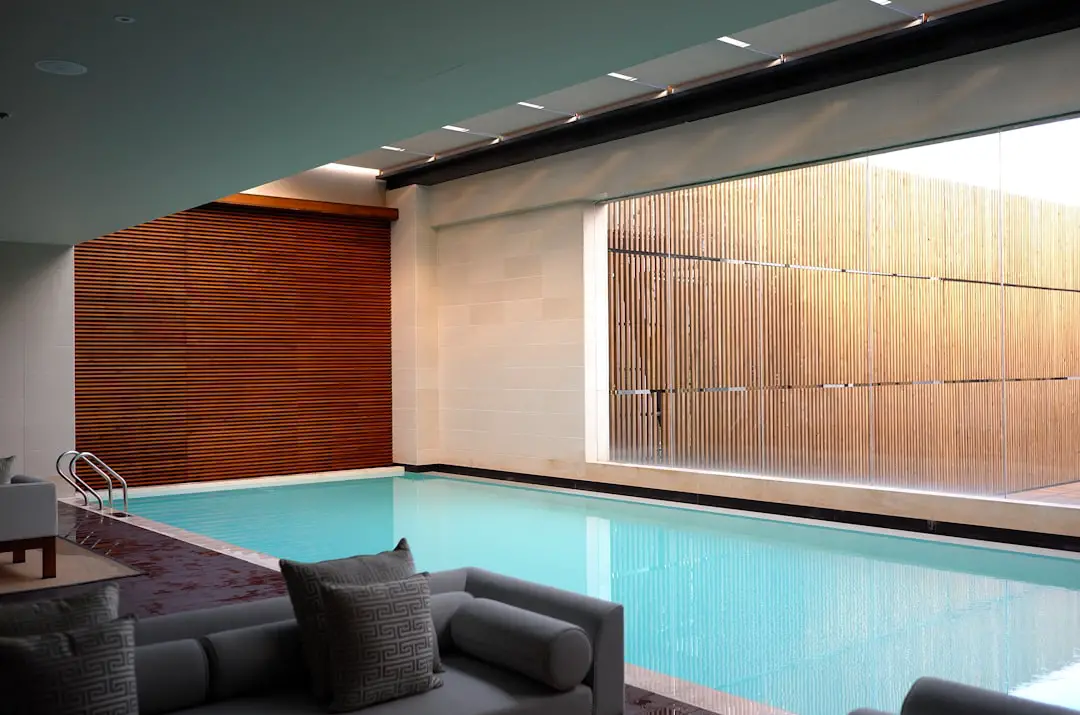
Design shapes a guest’s first impression and helps communicate what kind of experience a property offers. A boutique hotel may use local art, historic materials, or regional patterns to create a sense of place. A business hotel may favor clear signs, strong task lighting, comfortable work areas, and simple routes between rooms, meeting spaces, and transportation.
Color, lighting, furniture, sound, scent, and temperature all affect how a space feels. Warm lighting and soft materials can make a lounge feel calm, while brighter lighting and open sightlines may make an entrance feel safer and easier to navigate. Background music should suit the setting without making conversation difficult, and any added fragrance should be subtle enough to respect guests with sensitivities.
A rustic mountain lodge might use a fireplace, wooden beams, durable natural materials, and views of the surrounding landscape to create warmth and a connection to place. The design succeeds when it is comfortable, easy to use, and appropriate for the setting—not merely attractive in photographs.
Good design also reduces friction. Guests should be able to find reception, elevators, restrooms, exits, dining areas, and accessible routes without confusion. Attractive décor cannot compensate for poor lighting, unclear signs, uncomfortable seating, excessive noise, or difficult navigation.
Comfort, Cleanliness, Accessibility, and Amenities

Comfort begins with reliable basics. A guest room should be clean, quiet enough for rest, secure, and maintained in working order. The bed, linens, bathroom, temperature controls, lighting, plumbing, outlets, and door hardware should work as expected. When a defect is found, the property should correct it promptly or offer a practical alternative.
Amenities should match the property’s audience rather than follow a one-size-fits-all checklist. Reliable Wi-Fi may be vital to a business traveler, while a family may value breakfast, laundry access, a refrigerator, adjoining-room options, or a safe play area. Wellness facilities, bicycles, guided activities, pools, and spas can add value, but only when they are clean, accurately described, safely operated, and available during the promised hours.
Connected-room expectations are also changing. Streaming-capable televisions, sufficient charging points, stable internet access, and simple controls are increasingly common. Technology should be easy to understand and should never prevent a guest from requesting help from a person.
Accessibility Is Part of Comfort
An inclusive property considers mobility, vision, hearing, communication, and cognitive needs throughout the guest journey. Accessibility includes more than installing a ramp or labeling a room “accessible.” Reservation descriptions should accurately explain room features, routes should remain usable, and staff should know how to provide respectful assistance.
In the United States, the Department of Justice’s lodging guidance explains that covered lodging businesses must provide guests with disabilities an equal opportunity to use their services and facilities. Depending on the property and applicable law, this may involve accessible routes and rooms, effective communication, reasonable policy modifications, auxiliary aids, and appropriate treatment of service animals.
Note: Accessibility information should be specific. Instead of saying only “accessible room,” describe relevant features such as the route to the room, doorway clearance, bathroom layout, visual alarms, communication equipment, and bed configuration.
Safety, Privacy, and Transparent Pricing
Guests cannot relax when basic safety and trust are uncertain. Properties need maintained locks, clear emergency exits, working alarms, adequate lighting, trained staff, and procedures for medical events, severe weather, fire, lost keys, disruptive behavior, and other foreseeable problems. Staff should protect privacy when confirming room numbers, issuing replacement keys, handling deliveries, or discussing a guest’s stay.
Digital safety matters as well. Reservation systems and property-management systems may hold names, contact information, stay details, identification records, and payment data. The National Institute of Standards and Technology recommends stronger safeguards for hotel property-management systems because they can be attractive targets for theft, fraud, and malicious access.
Personalization should therefore use only the information needed to improve the stay. Staff may remember a returning guest’s pillow preference or dietary request, but sensitive details should not be collected casually, discussed openly, or retained without a valid operational reason.
Clear Prices Build Trust
Guests should understand the total cost, deposit requirements, cancellation terms, parking charges, resort fees, taxes, and optional add-ons before committing to a reservation. A surprise fee at checkout can undo many positive interactions that came before it.
For covered short-term lodging offers in the United States, the FTC’s Rule on Unfair or Deceptive Fees, effective May 12, 2025, generally requires businesses displaying a price to show the total price including calculable mandatory charges upfront. Government charges and genuinely optional add-ons may be handled differently under the rule, but they still require clear disclosure at the appropriate stage.
Warning: Descriptions, photographs, amenity lists, accessibility information, and prices should match what guests can actually book and use. Misleading information creates safety risks, complaints, charge disputes, and lasting damage to trust.
Culinary Experience
Food and beverage service can be a highlight of a stay, but an oversized menu is not the same as a good dining experience. Quality depends on fresh and properly handled ingredients, accurate descriptions, consistent preparation, sensible timing, helpful service, and an atmosphere suited to the occasion.
| Culinary Standard | What Good Hospitality Looks Like |
| Ingredient and preparation quality | Fresh, properly stored ingredients; consistent recipes; safe temperatures; and dishes that match their descriptions. |
| Menu clarity | Readable prices, clear portion expectations, honest sourcing claims, and useful descriptions of unfamiliar dishes. |
| Dietary and allergy communication | Staff who know how to record requests, verify ingredients, explain limitations, and involve a manager or chef when needed. |
| Service and atmosphere | Appropriate pacing, clean tables, attentive service, manageable sound levels, and prompt correction of mistakes. |
Farm-to-table restaurants and regional menus can strengthen a property’s identity when sourcing claims are genuine. Local produce, seafood, baking traditions, or heritage recipes can connect guests with the destination while supporting nearby producers. The story should complement the food rather than disguise inconsistent preparation or inflated claims.
Open kitchens, live music, tasting menus, and cooking demonstrations may make dining more engaging. They should still support guest comfort, hygiene, accessibility, and smooth service. A quiet breakfast room and a theatrical dinner venue can both provide strong hospitality when each fulfills its purpose well.
Food Safety and Allergies
The FDA Food Code provides a model for protecting public health in U.S. retail and food-service operations. Local rules vary, but every food business should have procedures for safe storage, preparation, cleaning, illness reporting, and allergy communication.
Warning: When a guest identifies a food allergy, staff should not guess that a dish is safe. They should follow the property’s allergy procedure, verify ingredients, explain cross-contact limitations honestly, and involve the appropriate kitchen or management employee.
Personalized Service and Service Recovery
Personalized service shows that staff recognize the person behind the reservation. Remembering a name, confirming a room preference, offering an appropriate restaurant suggestion, or noticing that someone needs help with luggage can make the experience feel attentive rather than routine.
Good personalization begins with observation and permission. A guest may appreciate being offered a quieter table but dislike having personal details mentioned in front of others. Staff should confirm preferences instead of assuming that a previous choice still applies.
What Happens When Something Goes Wrong
No property can prevent every delay, maintenance issue, billing error, or service mistake. The response often determines what the guest remembers. Effective service recovery usually follows a simple sequence:
- Listen without interrupting. Make sure the actual problem is understood.
- Acknowledge the impact. A sincere response is more useful than a defensive explanation.
- Take ownership. Avoid sending the guest through several departments when one employee can coordinate the solution.
- Offer realistic options. Explain what can be done, how long it should take, and what alternatives are available.
- Follow up. Confirm that the solution worked rather than assuming the complaint is closed.
- Record the cause. Use recurring problems to improve training, maintenance, staffing, or policies.
Pro Tip: Give frontline employees clear authority to solve common problems within defined limits. Fast, fair action usually feels more hospitable than a large gesture offered only after a long argument.
Staff Training and Consistency
A friendly employee cannot compensate for broken handoffs between reservations, housekeeping, maintenance, food service, and the front desk. Relevant guest information should reach the people who need it without exposing private details unnecessarily.
Training should cover service standards, accessibility, emergency procedures, food-allergy escalation, conflict de-escalation, privacy, local knowledge, and the property’s process for correcting errors. Managers should also support employees with realistic staffing, maintained equipment, current information, and clear decision-making authority.
Local Culture and Community Engagement

Many travelers want to understand the places they visit rather than experience the same property in every destination. Hotels and restaurants can create an authentic connection through local art, architecture, ingredients, music, stories, and partnerships.
Authenticity requires more than using regional patterns as decoration. Properties can commission work from local artists, buy from nearby producers, recommend independent businesses, hire knowledgeable local guides, and explain the history behind featured traditions. Cultural events should involve the communities being represented and compensate contributors fairly.
Community engagement can also improve the destination for residents and guests. Local purchasing, responsible hiring, neighborhood partnerships, and participation in community initiatives keep more benefits within the area. UN Tourism’s work on tourism and culture emphasizes informed cooperation between tourism and cultural stakeholders.
Care is especially important when sharing Indigenous traditions, sacred practices, traumatic history, or culturally sensitive locations. Hospitality providers should seek guidance, avoid stereotypes, and allow the relevant community to shape how its stories are presented.
Sustainability and Environmental Responsibility
Sustainable hospitality aims to reduce harmful environmental and community impacts while preserving comfort, health, and service quality. Useful measures may include efficient lighting and heating, responsible water use, preventive maintenance, waste reduction, refill systems, durable purchasing, food-waste controls, and careful sourcing.
The ENERGY STAR lodging guidance notes that hotels operate around the clock and contain many energy-using areas, including guest rooms, kitchens, laundries, pools, meeting spaces, and public areas. It recommends steps such as lighting upgrades, occupancy-based controls, efficient water heating, and regular HVAC maintenance.
Sustainability claims should be clear and measurable. Asking guests to reuse towels may reduce laundry, but it should not substitute for efficient equipment, responsible purchasing, maintenance, waste tracking, or transparent reporting. Guests should also be able to request fresh linens and housekeeping services according to the property’s policy and applicable law.
Seasonal menus and locally sourced ingredients may reduce some transportation and storage needs while supporting regional producers. Their actual environmental benefit depends on production methods, waste, refrigeration, packaging, and the distance and efficiency of transport, so “local” should not automatically be treated as a complete sustainability guarantee.
Note: The most credible environmental programs publish specific actions or recognized certifications instead of relying on vague terms such as “green,” “eco-friendly,” or “planet conscious.”
Technology Without Losing Human Connection
Technology can reduce waiting and give guests more control. Online check-in, mobile room keys, messaging, digital menus, smart-room controls, and self-service payment may be useful when they work reliably and are accessible.
Digital tools should remain optional where a reasonable alternative is needed. A guest with a dead phone, limited connectivity, a disability, or a simple preference for face-to-face help should still be able to check in, request assistance, understand charges, and access essential services.
Automated messages should provide useful information without overwhelming guests. The most effective systems route requests to the correct team, protect personal data, identify urgent issues, and make it easy to reach a staff member. Technology should remove repetitive friction so employees have more time for meaningful service—not create another barrier between the guest and the property.
Measuring and Improving the Guest Experience
Hospitality improves when a property measures what guests actually encounter. A single overall review score can hide recurring problems, so managers should examine feedback by touchpoint.
- Booking accuracy: Were the room, rate, policies, and amenities described correctly?
- Arrival: Was check-in clear, welcoming, accessible, and reasonably fast?
- Guest room: Were cleanliness, comfort, maintenance, noise, and temperature satisfactory?
- Requests: How quickly did staff acknowledge and resolve them?
- Food and beverage: Were quality, timing, menu accuracy, allergy communication, and value consistent?
- Facilities: Were advertised amenities open, clean, safe, and maintained?
- Departure: Was the bill accurate, and were issues handled before the guest left?
- Follow-up: Do review themes, repeat stays, complaints, refunds, and maintenance records show improvement?
Direct feedback is especially useful when it asks about a specific stage rather than requesting only a general rating. Properties should respond to patterns, not punish individual employees for every negative comment. Repeated complaints may point to understaffing, confusing policies, old equipment, inaccurate marketing, or weak coordination between departments.
Creating Memorable Experiences
A memorable stay is usually built from many small moments rather than one expensive surprise. A room that is ready as promised, an employee who remembers an accessibility request, a chef who explains an allergy limitation honestly, or a front desk agent who resolves a noise problem quickly can matter more than an elaborate lobby.
Thoughtful surprises can still strengthen the experience. A handwritten note, a small celebration amenity, a local recommendation matched to the guest’s interests, or help arranging transportation may feel personal when it is appropriate and not intrusive.
Storytelling also gives a property meaning. A guided walk, workshop with a local craftsperson, explanation of a historic building, or menu tied to regional traditions can help guests connect with the destination. The strongest stories are accurate, respectful, and supported by the people whose culture or history they represent.
Great hospitality therefore brings together genuine connection, thoughtful design, dependable comfort, culinary care, personal service, community engagement, environmental responsibility, accessibility, safety, privacy, and fair value. When these elements work together, guests feel recognized rather than processed—and they have a compelling reason to return and recommend the experience to others.
A traveler’s overall experience also depends on practical preparation outside the property. Readers who prefer to travel with a compact, organized bag can review these minimalist travel backpacks for spring adventures.
Frequently Asked Questions
What is a hotel?
A hotel is a business that provides short-term lodging to travelers. Depending on its type and service level, it may also offer food, housekeeping, meeting facilities, recreation, parking, transportation, concierge assistance, or other guest services.
What does hospitality mean in a hotel?
Hotel hospitality is the practice of making guests feel welcome, respected, comfortable, and supported throughout their stay. It includes accurate booking information, clean and accessible facilities, dependable amenities, attentive service, privacy, safety, fair value, and effective problem resolution.
What services do hotels typically offer?
Common hotel services include room accommodations, housekeeping, check-in and checkout assistance, Wi-Fi, maintenance support, dining, luggage storage, and local information. Full-service properties may also provide concierge desks, room service, spas, fitness centers, pools, business facilities, and event spaces.
What types of rooms are available in a hotel?
Hotels may offer standard rooms, suites, studios, connecting rooms, family rooms, extended-stay rooms, specialty suites, and accessible rooms. Bed type, occupancy, bathroom layout, kitchen facilities, view, floor, and accessibility features vary, so guests should review the exact room description before booking.
What amenities can guests expect to find in a hotel?
Frequently offered amenities include Wi-Fi, televisions, climate controls, toiletries, towels, hair dryers, safes, coffee makers, desks, and charging outlets. Breakfast, parking, airport shuttles, minibars, laundry, pools, gyms, and business centers depend on the property and may involve additional charges.
How are hotels rated or classified?
There is no single worldwide hotel-rating system. Government agencies, tourism boards, travel organizations, and independent guides may use different criteria. For example, AAA uses Diamond designations, while Forbes Travel Guide uses an independent luxury Star Rating system. Travelers should identify who issued a rating and compare it with current amenities and recent guest feedback.
What makes hotel service exceptional?
Exceptional service is accurate, observant, respectful, and consistent. Staff communicate clearly, protect privacy, confirm preferences, respond promptly, coordinate across departments, and take ownership when something goes wrong. It should feel personal without becoming intrusive.
Why are accessibility and sustainability important in hospitality?
Accessibility gives more guests an equal opportunity to use rooms, facilities, information, and services. Sustainability helps properties reduce waste, energy use, water consumption, and negative community impacts. Both are most effective when they are built into normal operations rather than treated as optional marketing features.
Sources
- J.D. Power 2026 North America Hotel Guest Satisfaction Index Study — current guest-satisfaction dimensions, survey size, amenities, and service findings.
- U.S. Department of Justice ADA Guide for Places of Lodging — accessibility, communication, policy, and staff responsibilities.
- Federal Trade Commission Rule on Unfair or Deceptive Fees FAQ — total-price and mandatory-fee disclosure requirements for covered lodging offers.
- ENERGY STAR Lodging Guidance — hotel energy management, lighting, heating, cooling, and efficiency practices.
- U.S. Food and Drug Administration Food Code — model food-safety guidance for retail and food-service operations.
- National Institute of Standards and Technology Hospitality Cybersecurity Guide — protection of hotel property-management systems and guest information.
