
Last Updated on July 26, 2026 by Daniel Globe
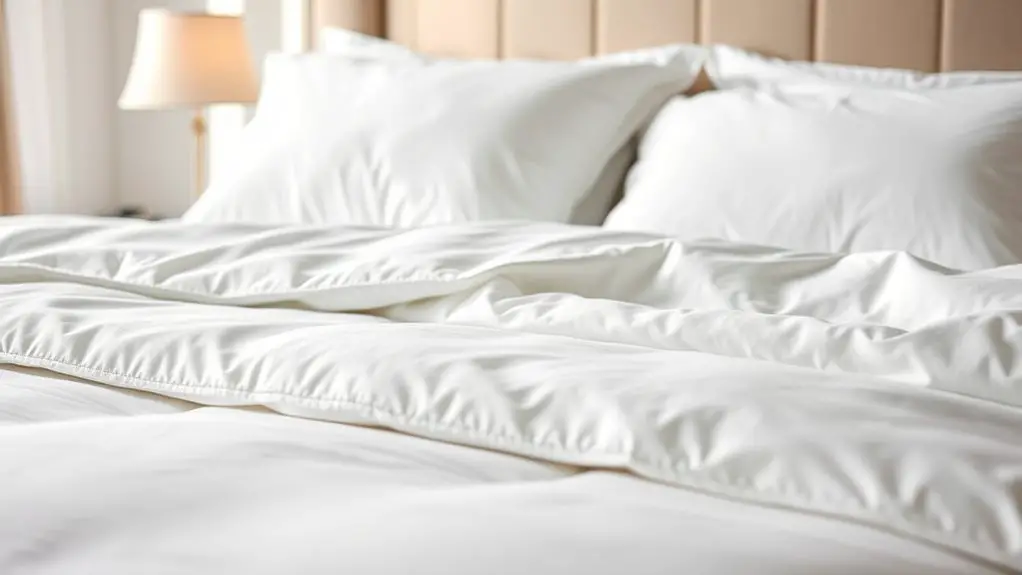
You have probably noticed how hotel beds feel instantly inviting the moment you lie down. It is not just luck or placebo—hotel sleep systems are engineered through a precise combination of hybrid mattress support, commercial-grade layering techniques, moisture-regulating textiles, and ergonomic pillow stacking. Understanding the engineering, textile science, and maintenance behind hotel sleep comfort allows you to replicate that same luxury experience at home.
Quick Answer
Hotel beds are so comfortable because they combine commercial-grade hybrid or innerspring mattresses with plush mattress toppers, breathable 300 to 500 thread count single-ply cotton sheets, customized pillow density options, and the “triple sheeting” layering method. This setup balances pressure relief with optimal spinal alignment and temperature regulation.
Key Takeaways
- Custom Hybrid Mattresses: Luxury hotels use medium-firm hybrid mattresses (combining pocketed coils and high-density foam) designed to support 90% of guest sleep preferences.
- Thread Count Truths: The sweet spot for breathable, soft hotel sheets is 300 to 500 thread count made from 100% single-ply long-staple cotton (percale or sateen weave).
- Triple Sheeting Technique: Hotels layer a middle blanket between two crisp flat sheets to create a lightweight, easily washable, cloud-like thermal barrier.
- Pillow Customization: Stacking firm support pillows behind soft down or feather pillows ensures proper alignment for back, side, and stomach sleepers alike.
At a Glance: Replicating Hotel Comfort at Home
| Target Mattress Firmness | Medium-Firm (6 to 7 on a 10-point scale) with pocketed coils. |
| Ideal Sheet Specifications | 300–500 Thread Count, 100% Long-Staple Cotton Percale or Sateen. |
| Key Layering Element | 2 to 3 inch Featherbed or Down Alternative Mattress Topper. |
| Optimal Room Climate | 65°F (18.3°C) with breathable natural fiber bedding layers. |
Disclosure: As an Amazon Associate I earn from qualifying purchases. Some links on this page are affiliate links, at no extra cost to you.
The Role of Mattress Quality and Type
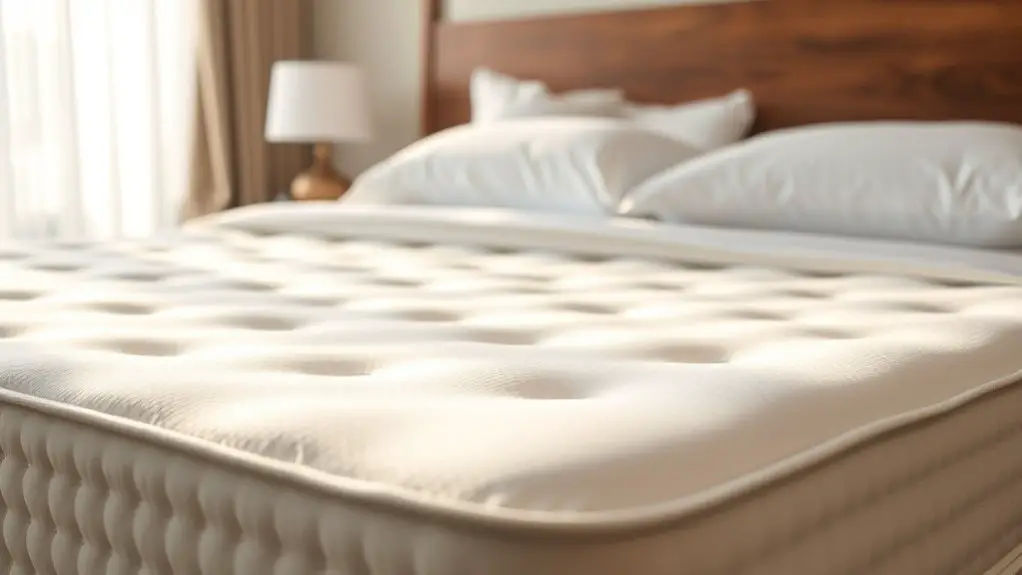
The core foundation of hotel comfort lies in mattress selection. Hospitality chains invest heavily in custom commercial-grade mattresses designed to accommodate various body types and sleep positions. Rather than choosing ultra-soft or extra-firm beds, major hotel brands select a medium-firm build (ranking between 6 and 7 on the standard 10-point firmness scale).
Most luxury hotels utilize hybrid mattresses that combine individually wrapped pocketed innerspring coils with layers of high-density gel memory foam or natural latex. According to research published by the Sleep Foundation, pocketed coils isolate motion transfer while contours reduce pressure points at the hips and shoulders. High-density foam perimeters prevent edge sagging, giving the bed a structural integrity rarely found in lower-tier residential mattresses.
Pro Tip: If your home mattress feels too firm, you do not necessarily need a full replacement. Adding a 2-inch to 3-inch plush featherbed or gel-infused foam topper replicates the soft pillow-top feeling of hotel beds while keeping your underlying spinal support intact.
Importance of High-Thread-Count Bedding
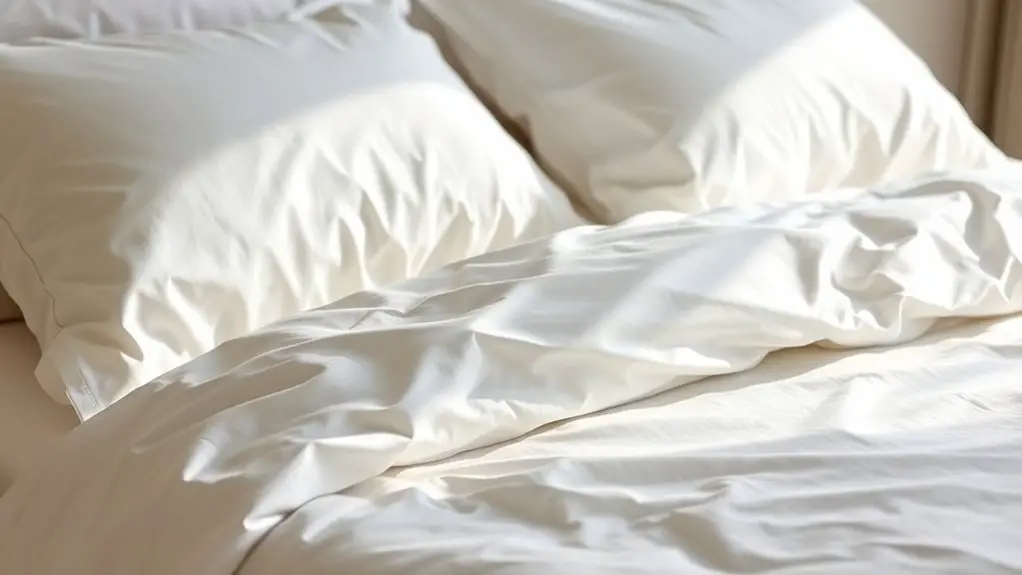
Hotel sheets feel notably smoother than standard household sheets due to strict textile parameters. However, the common belief that higher thread counts automatically mean better sheets is a marketing misconception.
Thread Count Realities: Why 300 to 500 Is the Sweet Spot
Thread count refers to the number of vertical and horizontal threads per square inch of fabric. While consumer brands market 800 or 1,000 thread count sheets, these often use multi-ply threads twisted together from short, weaker cotton fibers. This process traps heat and degrades fabric durability.
Luxury hotels prioritize 300 to 500 thread count sheets made from 100% long-staple cotton (such as Egyptian or Pima cotton). Long-staple fibers yield single-ply yarns that are finer, stronger, and noticeably smoother against the skin. According to textile standards established by The Textile Institute, single-ply cotton weaves maintain breathability, resist pilling, and grow softer with commercial laundering.
Percale vs. Sateen Weaves and the White Sheet Effect
Hotels generally choose between two primary weaves:
- Percale: A grid-like “one-over, one-under” plain weave that produces a cool, matte, crisp surface resembling a classic button-down shirt.
- Sateen: A “three-over, one-under” weave that exposes more thread surface, creating a subtle luster and a silkier, slightly warmer feel.
In addition to weave, color plays a major psychological role. Pioneered by Westin Hotels in 1999 with the introduction of the “Heavenly Bed,” all-white bedding creates an immediate perception of pristine cleanliness and luxury, reassuring guests that the room is sanitized.
Note: To recreate the crisp, cool feel of luxury hotel sheets at home, opt for 100% long-staple cotton percale in white with a thread count between 300 and 400.
The Influence of Pillow Variety and Placement
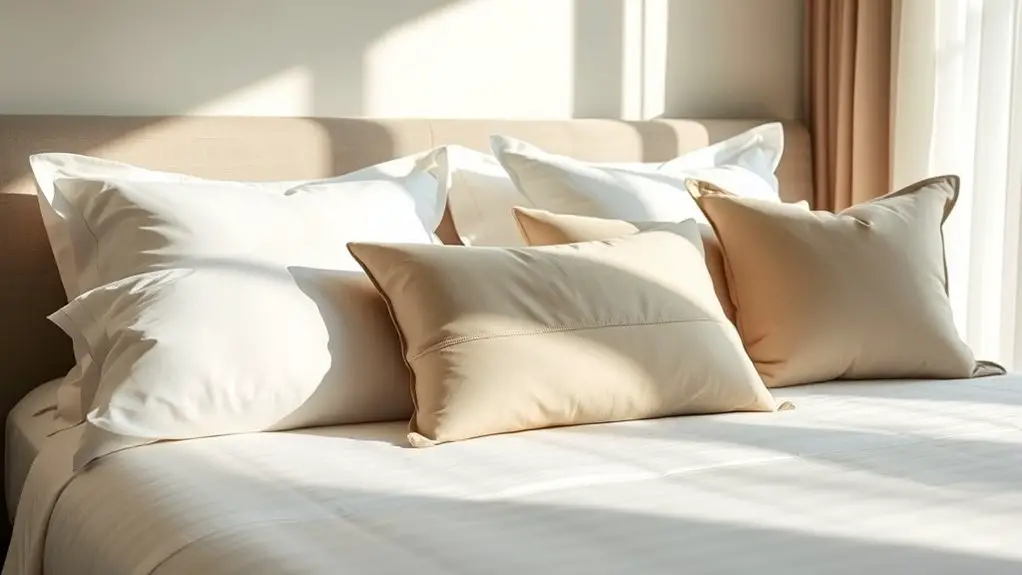
Hotels recognize that no single pillow design suits every sleep orientation. To accommodate side, back, and stomach sleepers, hotel beds feature a thoughtful mix of pillow fills and densities.
Types of Hotel Pillows
A standard hotel king or queen bed setup includes two to four pillows with varying firm and soft fill options:
- Down and Feather Blends: Usually a combination of 70% feather (for structural loft) and 30% down (for surface plushness), offering moldable neck support.
- Down Alternative (Microfiber): Hypoallergenic, synthetic cluster-fill pillows that mimic natural down without triggering allergies.
- High-Density Memory Foam: Offered on hotel “pillow menus” to provide firm contouring for side sleepers requiring strict cervical spine alignment.
Strategic Pillow Arrangement
Hotels stack pillows intentionally to offer aesthetic appeal and ergonomic versatility. Firmer, synthetic or feather-filled pillows are positioned against the headboard to serve as a backrest for reading. Softer down or down-alternative pillows are placed in front, allowing guests to customize their neck elevation and pillow height based on their sleep position.
Layering Techniques: The Triple Sheeting Method
The plushness of a hotel bed is largely achieved through deliberate layering techniques, specifically the commercial practice known as triple sheeting.
Triple sheeting eliminates bulky duvet covers—which are difficult to launder frequently—by sandwiching a light blanket or duvet insert between two clean flat sheets. This practice creates an exceptionally hygienic, easily washable, and temperature-adaptable sleep envelope.
Warning: Avoid using heavy, unbreathable synthetic comforters directly on top of your sheets. They trap body moisture and heat, disrupting deep sleep cycles despite high-quality underlying mattresses.
To implement triple sheeting at home, follow this sequence:
- Cover the mattress (and mattress topper) with a deep-fitted sheet.
- Lay down a high-quality flat sheet, smoothing out all wrinkles.
- Place a lightweight down alternative blanket or quilt over the flat sheet, stopping about 6 inches short of the head of the bed.
- Place a second flat sheet over the blanket.
- Fold the top edge of both flat sheets down over the blanket together, tucking the sides and bottom beneath the mattress using crisp “hospital corners.”
“The combination of a supportive hybrid core, a plush featherbed, single-ply long-staple cotton sheets, and triple sheeting creates a microclimate that balances thermoregulation with pressure-free buoyancy.”
Temperature Control and Mattress Protection
Achieving rest demands effective temperature regulation. According to sleep environment guidelines from the Mayo Clinic, the optimal room temperature for restorative sleep ranges between 65°F and 68°F (18.3°C to 20°C).
Hotels facilitate heat dissipation by utilizing breathable, waterproof mattress protectors made from natural fibers like cotton or bamboo rayon. These encasements protect the mattress core while allowing internal air circulation, preventing heat buildup. When combined with air-conditioned guest rooms and breathable cotton percale sheets, the bed system maintains a cool microclimate throughout the night.
Consistent Maintenance and Cleanliness Practices
The inviting fresh feel of a hotel bed depends heavily on commercial maintenance schedules. Hospitality chains follow strict operational protocols to preserve bed structure and hygiene over time:
- Routine Rotation: Mattresses are rotated 180 degrees every 3 to 6 months to distribute body weight evenly and prevent premature dipping or body impressions.
- High-Temperature Laundering: Linens are washed at high temperatures (often exceeding 140°F / 60°C) with commercial-grade hypoallergenic detergents to eliminate dust mites and allergens without damaging cotton fibers.
- Scheduled Replacement Cycles: Commercial linens are retired after 100 to 120 wash cycles, while hotel mattresses are completely replaced every 5 to 8 years, ensuring guests never experience structural sag.
Frequently Asked Questions
Do hotel beds use special mattress brands?
Yes. Many major hotel chains partner with leading mattress manufacturers to create custom commercial lines. Examples include the Westin Heavenly Bed (manufactured by Simmons) and the Marriott Bed (manufactured by Jamison). These mattresses feature reinforced edges, extra coil counts, and built-in pillow-top layers designed specifically for heavy commercial use.
How often do hotels replace their bedding and mattresses?
Sheets and pillowcases are typically replaced every 100 to 120 wash cycles (roughly once a year in high-occupancy hotels). Pillows and mattress toppers are replaced every 18 to 24 months, while core mattresses are replaced every 5 to 8 years to maintain proper support and sanitation standards.
Are hotel beds always firmer than home beds?
Not necessarily. Most hotels select a true medium-firm mattress (6 to 7 out of 10) because it provides adequate spinal alignment for back and side sleepers without feeling hard. The perceived extra softness comes from plush featherbeds or pillow-top pads layered over a firm, supportive coil base.
Do hotels use specific laundry detergents for bedding?
Hotels use commercial-grade, pH-balanced laundry formulations that combine hypoallergenic detergents, oxygen-based brighteners, and gentle fabric conditioners. These products effectively remove oils and sanitize fabrics at high temperatures while keeping long-staple cotton fibers soft and bright white.
Is hotel bed comfort influenced by room lighting and environment?
Yes. Environmental factors significantly impact sleep perception. Hotels design rooms with warm-temperature bedside lighting (2700K), blackout curtains, sound-dampening acoustics, and cool ambient thermostat settings. These cues help signal melatonin release in the brain, enhancing the sensation of bed comfort.
Conclusion
The luxurious comfort of a hotel bed is not an accident—it is a carefully crafted system that combines ergonomics, textile science, and climate regulation. By selecting a medium-firm hybrid mattress, adding a plush featherbed topper, choosing 300 to 400 thread count long-staple cotton sheets, and mastering the triple sheeting technique, you can easily replicate this five-star sleep experience in your own bedroom.
Sources
- Sleep Foundation — Analysis of hotel sleep systems, mattress construction, and pressure relief dynamics.
- Mayo Clinic — Medical guidelines on sleep hygiene, microclimates, and optimal room temperatures.
- The Textile Institute — Technical standards for cotton staple length, yarn construction, and single-ply thread counts.
- Hospitality Net — Hospitality industry standards for hotel mattress rotation, linen wash cycles, and bed layering protocols.
