
Last Updated on July 25, 2026 by Daniel Globe
A hotel-style bed looks crisp, balanced, and comfortable because every layer is fitted, centered, and smoothed with care. You do not need expensive linens or dozens of decorative pillows. Correctly sized sheets, firm hospital corners, an evenly placed duvet, and a simple pillow arrangement can give an everyday bedroom the same clean, welcoming finish.
Quick Answer
To make a bed like a hotel, start with clean, correctly sized linens. Pull the fitted sheet tight, center a flat sheet, form hospital corners at the foot, add a smooth duvet or comforter, fold the top layers back neatly, and finish with fluffed pillows and one restrained decorative layer.
Key Takeaways
- Choose sheets that fit the mattress depth; tight, smooth layers matter more than a very high thread count.
- Use hospital corners on the flat top sheet, not the fitted bottom sheet.
- Center every layer before tucking so the bed looks even from both sides.
- Place sleeping pillows behind decorative pillows and avoid overcrowding the bed.
- Follow each item’s care label when washing, drying, steaming, or ironing bedding.
At a Glance
| Time Required | About 5–10 minutes |
| Difficulty | Easy |
| Tools Needed | Fitted sheet, optional flat sheet, duvet or comforter, pillowcases, pillows, and an optional throw |
| Cost | $0 when using bedding you already own; optional linen upgrades vary |
Disclosure: As an Amazon Associate I earn from qualifying purchases. Some links on this page are affiliate links, at no extra cost to you.
What Makes a Bed Look Like a Hotel Bed?
The hotel look comes from precision rather than decoration. The sheets fit the mattress, the top layers hang evenly, the corners stay firm, and the pillows form a balanced line across the head of the bed. White and neutral linens are common because they create a clean appearance, but any coordinated color palette can work.
A neatly made bed also gives the bedroom a clear visual centerpiece. Smooth surfaces and orderly layers can make the room feel calmer without relying on unsupported claims that making the bed automatically improves productivity, mental health, or sleep.
A crisp hotel-style bed comes from correct fit, even layers, and firm tucking—not from choosing the highest thread count.
Choosing the Right Bedding and Linens
Your bedding should feel comfortable, fit the mattress, and be practical to wash. A premium price or very high thread-count label does not guarantee a better result.
Check the Mattress Depth First
Measure from the bottom edge of the mattress to its highest point, including any built-in pillow top or separate topper. Compare that measurement with the fitted sheet’s stated pocket depth. A sheet that is too shallow will pull loose, while one that is too deep may bunch under the mattress.
If the fitted sheet repeatedly slips off, look for deeper pockets, stronger elastic around the full edge, or fitted-sheet straps designed for bedding.
Choose a Fabric and Weave
Cotton is popular because it can feel soft and breathable, but fabric quality depends on more than the fiber name. Yarn quality, weave, finish, and construction all affect how the sheet feels and wears.
- Percale: Usually feels crisp, light, and cool. It is a good match for the classic freshly made hotel look.
- Sateen: Usually feels smoother, softer, and slightly heavier, with a subtle sheen.
- Linen: Breathable and textured, but naturally more relaxed and less sharply pressed.
- Blends: May resist wrinkles and dry quickly, although their feel and breathability vary by construction.
CottonWorks explains that thread count alone does not determine sheet quality. A well-made lower-thread-count sheet can feel better and breathe more easily than a heavier sheet with an inflated count.
Note: Egyptian cotton and other long-staple cotton varieties can produce smooth, durable yarns, but the fiber label alone does not confirm the quality of the finished sheet. Consider the weave, construction, care instructions, and how the fabric feels.
Keep the Color Palette Simple
White, cream, light gray, and other soft neutrals create a clean hotel-inspired base. You can add color through a throw, one lumbar cushion, or a folded blanket. Limiting the palette to two or three coordinated colors keeps the bed from looking crowded.
Prepare the Bed Before Adding Linens
- Remove used sheets, pillowcases, blankets, and the duvet cover.
- Check the mattress protector for stains, moisture, bunching, or damage.
- Smooth the protector so it lies flat without folds under the fitted sheet.
- Make sure all clean bedding is fully dry before placing it on the bed.
- Shake out each sheet and duvet before positioning it.
- Move bedside objects that could catch the fabric while you work.
Warning: Avoid repeatedly lifting a heavy mattress with one hand. Work around the bed, lift only the edge you need, bend your knees, and ask for help if the mattress is difficult to move.
How to Make a Bed Like a Hotel Step by Step
Step 1: Put On the Fitted Sheet
Identify the short and long sides before stretching the sheet over the mattress. Secure one corner, move diagonally to the opposite corner, and then fit the remaining two corners. Pull the elastic fully beneath the mattress edge.
Run your hands from the center toward the sides to smooth wrinkles. Do not try to create hospital corners with the fitted sheet; its elastic corners are designed to hold it in place.
Step 2: Center the Flat Sheet
Lay the flat sheet over the mattress with the finished or patterned side facing down. This allows the finished side to show when you fold the top edge back.
Align the sheet’s top edge near the head of the mattress. Check both sides to make sure an equal amount hangs down. Leave enough fabric at the foot to tuck securely under the mattress.
Step 3: Tuck the Foot of the Flat Sheet
Stand at the foot of the bed and tuck the lower edge of the flat sheet under the mattress. Smooth the fabric toward each corner before forming the hospital folds.
Step 4: Make Hospital Corners
Use the flat sheet hanging from each lower side to create a clean mitered fold. The detailed method appears in the next section.
Step 5: Add the Duvet or Comforter
Place the duvet or comforter on the bed with an equal drop on both sides. Align the bottom edge with the foot of the mattress or let it extend slightly beyond the mattress, depending on its size.
If you use a duvet cover, fasten the insert to any interior corner ties or loops before closing the cover. Hold the top corners and shake the duvet gently so the filling spreads evenly.
Step 6: Create the Fold-Back
Fold the top of the duvet or comforter down by about 12 to 18 inches. Fold the top edge of the flat sheet over it so the finished side is visible. Smooth the fold from the center outward.
If you do not use a top sheet, fold the duvet down on its own. A top sheet is optional; consistency and neat layering matter more than following one universal hotel method.
Step 7: Arrange the Pillows and Final Layer
Place sleeping pillows at the back, followed by shams or decorative pillows. Add one throw or folded blanket at the foot if desired. Step back and check the bed from the doorway, then straighten any uneven edges.
Mastering the Hospital Corners Technique
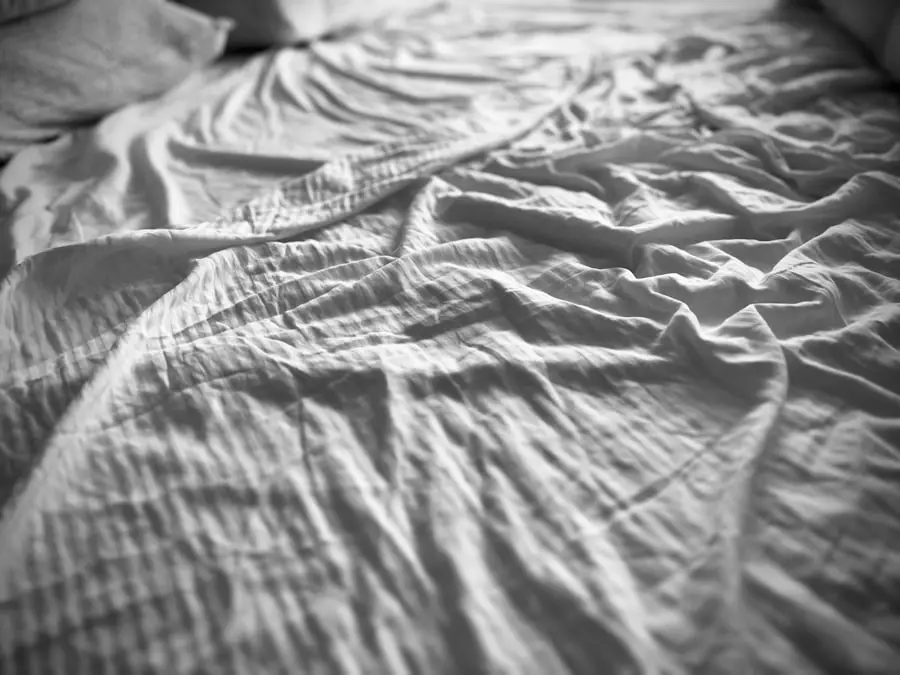
Hospital corners create a flat, secure fold at the lower corners of the bed. They are made with a flat sheet, not the elasticized fitted sheet.
- Tuck the foot: Tuck the bottom edge of the flat sheet under the mattress across the full width of the bed.
- Lift the side: At one lower corner, lift the hanging side of the sheet about 12 to 16 inches above the mattress. Lay the lifted section on top of the bed to form a triangle.
- Tuck the lower flap: Tuck the fabric still hanging below the triangle firmly under the mattress.
- Drop the triangle: Bring the lifted triangular section back down over the side of the mattress.
- Create the angle: Smooth the diagonal fold so it forms a clean line from the mattress corner.
- Tuck the remaining edge: Tuck the dropped edge under the mattress while keeping the diagonal fold flat.
- Repeat: Form the same fold on the other lower corner.
You may leave the sheet untucked along the upper sides for easier movement during sleep, or tuck the sides for a firmer finish. Avoid making the bedding so tight that it restricts comfortable foot movement.
Pro Tip: Center the flat sheet before making either corner. If one side hangs lower than the other, the corners will look uneven no matter how sharply you fold them.
Fluffing and Arranging Pillows for a Luxurious Look
| Pillow Type | Safe Fluffing Method | Best Position |
|---|---|---|
| Down or Down-Alternative Pillows | Shake gently, pat both sides, and redistribute the filling | Place sleeping pillows against the headboard or behind the shams |
| Memory Foam Pillows | Air and reshape only as allowed by the manufacturer; do not sharply fold solid foam | Arrange in a straight, supportive sleeping row |
| Euro Shams | Pat the sides and smooth the cover | Stand at the back to add height |
| Decorative Cushions | Fluff lightly and smooth the seams | Place one to three in front of the functional pillows |
Start with the pillows used for sleeping. On a queen bed, two standard or queen pillows usually create a balanced base. A king bed commonly accommodates two king pillows or three standard pillows, depending on their width.
Euro shams can add height, but they are optional. Place decorative cushions in front rather than hiding the sleeping pillows behind a large pile. One lumbar cushion or two smaller matching cushions often looks cleaner than many unrelated shapes.
Use pillow protectors when appropriate and wash pillowcases regularly. Follow the pillow manufacturer’s care directions because solid foam, shredded foam, down, and synthetic fills require different cleaning methods.
Adding Decorative Throws and Cushions
A throw or folded blanket can add color and texture without covering the careful work underneath. Fold it into thirds and lay it across the foot of the bed, or drape it over one lower corner for a more relaxed appearance.
Choose a material that suits the season. Lightweight cotton or linen works well in warm weather, while wool, fleece, or a chunky knit adds warmth in cooler months. Make sure the throw is clean and large enough to look intentional rather than like a small item left on the bed.
Mixing textures can create depth, but repeat at least one color from the sheets, headboard, curtains, or nearby furnishings. This connects the bedding to the rest of the room.
Creating a Smooth and Wrinkle-Free Finish

Wrinkle control begins in the laundry room. Do not overload the washer or dryer, because tightly packed sheets twist and crease more easily. Untangle them before transferring them to the dryer.
Always check the care label before choosing the water temperature, cycle, dryer heat, iron, or steamer setting. Whirlpool recommends using the warmest water appropriate for the fabric and notes that delicate materials may need cold water and a gentle cycle. It also advises against routinely using fabric softener on sheets because it can affect the absorbency of natural fabrics. You can review its sheet-washing and drying guidance.
- Remove sheets from the dryer promptly.
- Shake each piece before folding or putting it on the bed.
- Use low or moderate dryer heat when allowed by the care label.
- Consider dryer balls to reduce tangling and promote even drying.
- Smooth each layer from the center toward the edges.
- Use a steamer or low-temperature iron only if the fabric label permits it.
For a quick touch-up, lightly mist durable cotton bedding with clean water and smooth it by hand. Do not soak the fabric or spray moisture directly onto foam mattresses and pillows.
Warning: Keep hot irons and steamers away from your skin, the mattress, foam bedding, cords, and heat-sensitive synthetic fabrics. Test a hidden area first and follow the product’s temperature instructions.
Maintaining the Freshness and Cleanliness of the Bed
Wash sheets and pillowcases on a regular schedule based on use, perspiration, pets, illness, and personal needs. Weekly washing is a practical starting point for many homes, while lightly used guest-room sheets may not need the same schedule.
Use the detergent amount, water temperature, and cycle recommended for the fabric. Dry all bedding fully before remaking the bed to prevent trapped moisture and odors.
Special Guidance for Dust-Mite Allergies
People managing a diagnosed dust-mite allergy may need a stricter routine. Mayo Clinic recommends washing bedding weekly in water that is at least 130°F (54.4°C) to kill dust mites and remove allergens. Apply that advice only to items whose care labels allow the required temperature, and take precautions to prevent scalding around hot household water.
Protect the Mattress
A washable mattress protector helps shield the mattress from perspiration, spills, and surface dirt. Clean the protector according to its care label and make sure it is fully dry before replacing it.
Do not assume every mattress must be flipped or rotated on the same schedule. Construction and warranty requirements differ. For example, Tempur-Pedic states that its mattresses do not require rotation and should not be flipped. Follow the instructions supplied by your own mattress manufacturer.
Tips for Consistently Achieving a Hotel-Style Bed at Home
Use a Two-Minute Daily Reset
- Pull the duvet or comforter toward the head of the bed.
- Align both side drops.
- Smooth the top with broad hand movements.
- Reshape the pillows according to their construction.
- Return the throw or cushions to their normal positions.
Change the Weight, Not the Whole Style
Keep the same basic arrangement throughout the year and change only the warmth of the layers. Use a lighter blanket or duvet insert in warm months and add a warmer insert or extra blanket in cold weather.
Keep Decoration Manageable
Every decorative item must be removed before sleep and replaced in the morning. Limit the number to what you will realistically maintain. A neat row of sleeping pillows, two shams, and one accent cushion is usually enough.
Check the Bed From the Doorway
Stand where you first see the bed and check the following:
- Is the duvet centered?
- Do both sides hang to a similar height?
- Is the fold-back straight?
- Are the pillows evenly spaced?
- Is the throw folded or draped intentionally?
- Are labels, zippers, and open pillowcase ends hidden?
Hotel-Style Bed Troubleshooting
Why Does the Fitted Sheet Keep Slipping Off?
The sheet may have pockets that are too shallow, stretched elastic, or excess fabric. Measure the mattress depth, including any topper, and use a sheet with a suitable pocket measurement. Full-edge elastic or fitted-sheet straps can add security.
Why Do the Hospital Corners Come Loose?
Make sure enough flat-sheet fabric extends beyond the foot of the mattress. Tuck the foot first, create the triangular side fold, and keep tension on the fabric while tucking the final edge.
Why Does the Duvet Insert Bunch Inside the Cover?
Fasten any interior ties or loops, close the cover fully, and shake the duvet from its top corners. Confirm that the insert and cover are the same labeled size; even products with the same size name can have different measurements.
Why Does the Bed Still Look Flat?
Add height at the head of the bed with Euro shams or supportive sleeping pillows. Redistribute loose pillow filling if the care instructions allow it. A folded duvet and one textured throw can also create depth without adding clutter.
How Can I Reduce Wrinkles Without Ironing Everything?
Use the correct load size, remove bedding promptly from the dryer, shake it out, and place it on the bed while it is still slightly warm. Smooth each layer before adding the next one. A fabric-safe steamer can address remaining creases.
Frequently Asked Questions
What are the steps to make a bed like a hotel?
Smooth the mattress protector, fit the bottom sheet tightly, center an optional flat sheet, tuck the foot, make hospital corners, center the duvet or comforter, fold the top layers back, arrange the pillows, and complete a final check from the doorway.
What type of linens are used for a hotel-style bed?
Crisp cotton percale is a popular choice, while cotton sateen offers a smoother feel. The best option fits your mattress correctly, feels comfortable, and can be cleaned according to your household’s needs. Thread count alone does not determine quality.
How can I make my bed look crisp and neat?
Center every layer, remove wrinkles before adding the next layer, create firm hospital corners with the flat sheet, keep the fold-back straight, and use a limited number of evenly spaced pillows.
Do I need a flat top sheet?
No. A flat sheet creates the traditional layered look and allows hospital corners, but you can use a duvet and washable duvet cover without one. Keep the chosen system clean, centered, and easy to maintain.
How often should I wash the bedding?
Weekly washing is a practical starting point for frequently used sheets and pillowcases, but perspiration, pets, illness, allergies, and fabric-care requirements may change the schedule. Wash sooner when bedding is visibly soiled or has an odor.
How many pillows should I use?
Use enough sleeping pillows to span most of the head of the bed, then add no more decorative pillows than you are willing to remove and replace each day. Two sleeping pillows with one or two accents suit many queen beds.
Sources
- CottonWorks Home Buyer’s Guide — sheet construction, cotton, weave, breathability, and limitations of thread count.
- Whirlpool: How to Wash Sheets — care labels, wash settings, drying, tangling, and fabric-softener guidance.
- Mayo Clinic: Dust Mite Allergy — allergy-focused bedding-washing recommendations.
- Tempur-Pedic Mattress Care — an example of manufacturer-specific rotation and flipping instructions.
