Last Updated on September 10, 2026 by Daniel Globe
Cloudy skies can transform an ordinary hike into a dramatic outdoor experience. Mist can settle between ridges, overcast light can deepen the colors of forests and waterfalls, and cooler conditions can make strenuous walking feel more comfortable. The rugged cliffs and evergreen forests of the Pacific Northwest, for example, can look especially striking beneath low clouds and shifting light.
That does not mean every cloudy day is automatically a good hiking day. A calm layer of overcast is very different from dense fog, steady rain, wet cold, or a developing thunderstorm. The best cloudy-weather hikes come from enjoying the atmosphere while paying close attention to the forecast, trail conditions, visibility, and temperature.
Quick Answer
Yes, clouds can be good for hiking when the forecast is stable. Overcast conditions may reduce glare and heat, create soft photographic light, and make a trail feel calmer. However, clouds are not a safety shield: UV still reaches your skin, fog can hide the route, wet cold can cause hypothermia, and thunder means it is time to seek safe shelter.
Key Takeaways
- Calm overcast weather can make hiking cooler and reduce harsh glare, especially compared with a hot, sunny afternoon.
- Cloudy skies do not eliminate UV exposure, so check the UV Index and use sun protection when needed.
- Fog, rain, wet rock, cold wind, and thunderstorms can turn pleasant cloud cover into a serious trail hazard.
- Wildlife sightings and quieter trails are possible benefits, but both depend on the species, location, season, and local visitor patterns.
- Check the forecast and trail alerts, carry navigation and rain protection, bring water and food, and be willing to turn around when conditions deteriorate.
Disclosure: As an Amazon Associate I earn from qualifying purchases. Some links on this page are affiliate links, at no extra cost to you.
Cooler Temperatures and Reduced Sun Exposure
One reason hikers often enjoy cloudy weather is simple: it may feel cooler. When direct sunlight is blocked and temperatures are moderate, climbing hills or carrying a backpack can feel less exhausting than it does in intense summer heat.
That can reduce heat stress, but cloud cover should not be confused with complete sun protection. The U.S. Environmental Protection Agency warns that people can still get sunburned on cloudy days. The amount of UV reaching the ground varies with cloud thickness, elevation, time of day, season, and other factors.
At higher elevations, UV exposure can be especially important even when the air feels chilly. Check the UV Index before leaving and use sunscreen, protective clothing, sunglasses, and a hat when conditions call for them.
Note: Cool air can make strong UV less noticeable because your skin does not feel hot. Let the UV Index, not the air temperature or cloudiness alone, guide your sun protection.
When the forecast is stable, this balance can be ideal: less glare, more comfortable temperatures, and the soft, moody light that makes cloudy landscapes so appealing.
Enhanced Wildlife Sightings Are Possible, Not Guaranteed
Seasonal changes can create interesting opportunities to observe wildlife, but clouds themselves do not guarantee more animals on the trail. Wildlife activity varies widely by species, habitat, temperature, breeding season, migration, food availability, and time of day.
During autumn, hikers in some regions may notice migrating birds or animals feeding before winter. In other locations, certain species become less visible as temperatures fall. Thinning vegetation can occasionally make wildlife easier to see, but there is no universal rule that cooler or cloudier conditions produce better sightings.
If you do encounter wildlife, treat the sighting as a bonus rather than an invitation to move closer. The National Park Service wildlife-watching guidance recommends learning the specific rules for the park or public land you are visiting, giving animals plenty of room, and using binoculars or a zoom lens instead of approaching them.
Many national parks require substantial viewing distances, and individual parks may set stricter rules for bears, wolves, elk, bison, or other wildlife. If an animal changes its behavior because of your presence, you are already too close.
The Tranquility of Empty Trails
| Condition | Possible Benefit | Main Risk | Best Response |
|---|---|---|---|
| Calm overcast | Cooler feel, softer light, less glare | UV exposure can still be significant | Check UV Index and forecast |
| Low cloud or fog | Atmospheric scenery | Poor visibility and route-finding | Use reliable navigation and turn back if the route becomes unclear |
| Rain and wet cloud | Rich colors, waterfalls, dramatic scenery | Slippery rock, mud, rising water and wet-cold exposure | Wear rain protection and avoid hazardous crossings or slick exposed terrain |
| Thunderstorm | None that outweighs the hazard | Lightning, wind, hail, flash flooding | Leave exposed terrain and seek proper shelter |
Cloudy or cool conditions can sometimes mean fewer people on a trail, particularly when the forecast looks less inviting to casual visitors. When that happens, the experience can feel remarkably peaceful. Without a steady stream of hikers, small sounds such as wind in the leaves, moving water, or distant birds become easier to notice.
However, quieter trails are not guaranteed. Popular parks may remain crowded during cool weekends, fall-color season, holidays, or special events. Some low-elevation trails are actually busiest when summer heat fades.
When solitude does appear, enjoy it without becoming careless. Fewer people also means fewer potential helpers if you become lost or injured. Leave your route and expected return time with someone you trust, especially when hiking alone.
Cloudy weather can make a familiar trail feel quieter and more dramatic, but the best experience comes from treating changing weather as part of the route—not just part of the scenery.
Improved Light and Photo Opportunities
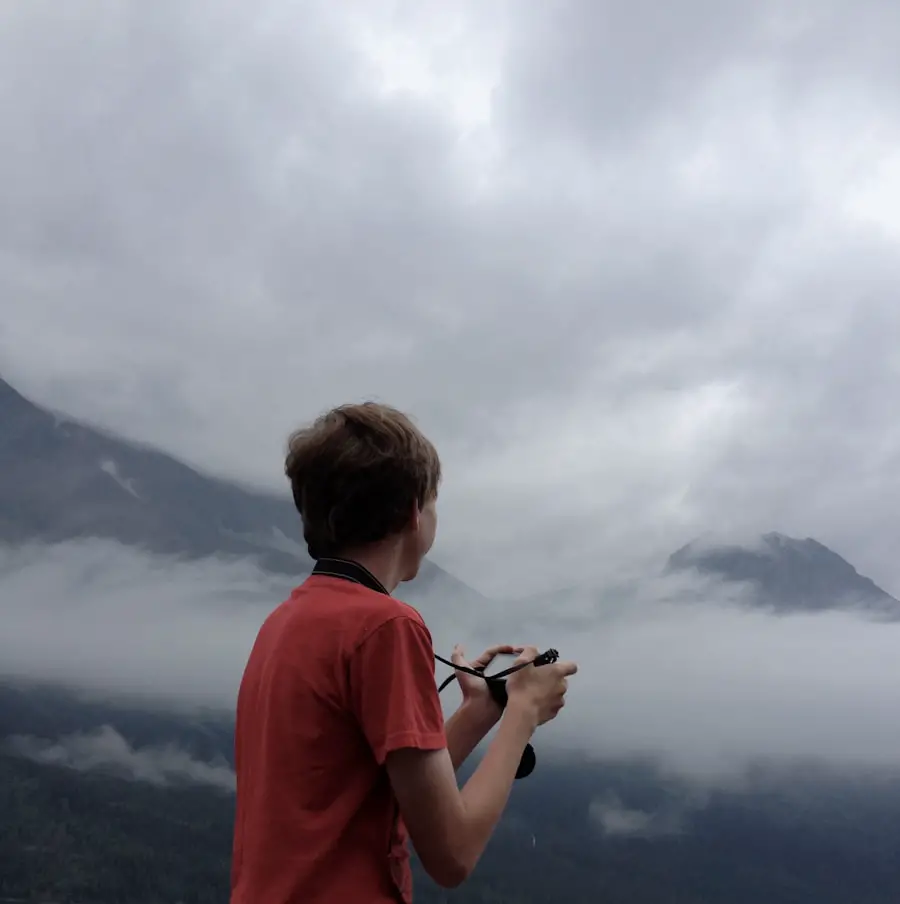
Overcast skies can be excellent for photography. Clouds diffuse direct sunlight, often producing softer light with fewer harsh highlights and deep shadows. Forests, waterfalls, moss, flowers, autumn leaves, and other close-range subjects can photograph beautifully in these conditions.
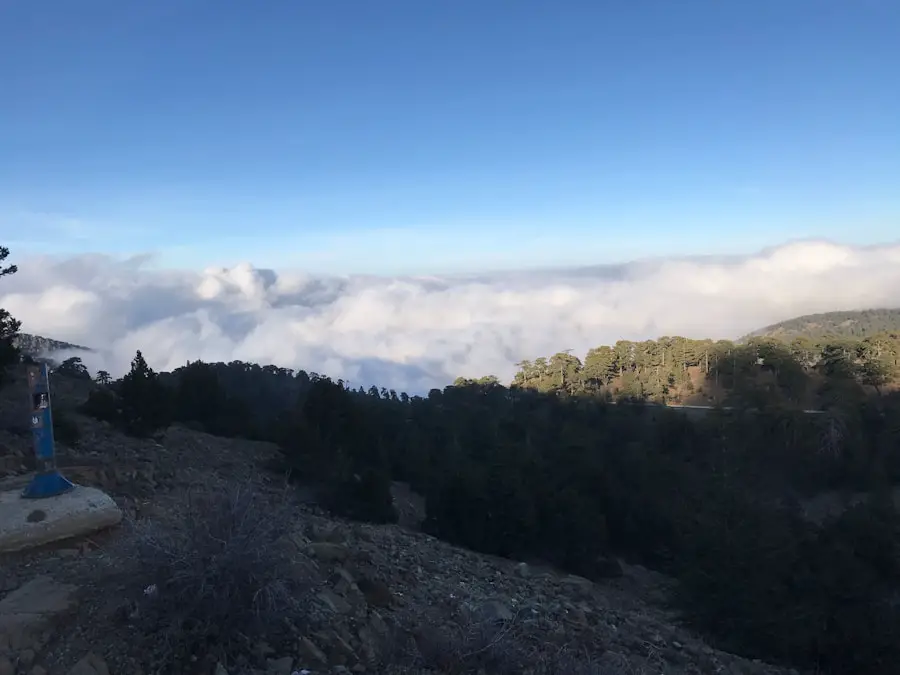
Cloud layers can also create dramatic backgrounds. Openings in the clouds may allow shafts of sunlight through, while mist can separate mountain ridges into layers and create a sense of depth.
This photographic advantage should not be described as universally “improved visibility,” however. Low clouds and fog can do the opposite, hiding landmarks, obscuring cliffs, and shortening the distance you can see down a trail.
Pro Tip: Use cloudy days for forests, waterfalls, wildlife at a safe distance, and detail shots. Save exposed ridgelines and viewpoint-dependent routes for days when the forecast provides enough visibility to navigate safely.
After a passing rain shower, the atmosphere may occasionally become exceptionally clear, producing excellent long-distance photographs. But this depends on the weather system and location; it should never be assumed simply because the temperature is cool.
Reduced Heat Stress Does Not Eliminate Dehydration
Compared with a very hot, sunny day, moderate cloudy weather can reduce environmental heat stress. That is useful for hikers because strenuous exercise in high temperatures increases the risk of overheating and heat-related illness. The CDC recommends staying cool and hydrated during hot weather and, when possible, scheduling strenuous outdoor activity during cooler periods.
But cooler weather does not remove the need for water. You still lose fluid through breathing, sweating, and physical exertion, even when your clothing does not feel soaked with sweat. Do not intentionally reduce the water you carry simply because the sky is overcast.
The National Park Service Hike Smart guidance recommends planning water and food needs before a hike and paying attention to your condition along the trail.
For longer or more remote hikes, know whether reliable water is available and whether it must be treated. Never assume that clear-looking stream water is safe to drink.
A More Comfortable Hiking Experience
Comfort is one of the strongest arguments for hiking under stable cloud cover. Without intense direct sunlight, many hikers find it easier to maintain a steady pace and regulate body temperature.
Layers make cloudy-weather hiking much easier to manage. A moisture-wicking base layer, an insulating layer when necessary, and a wind- or waterproof outer shell let you adjust as conditions change. Remove a layer before you become excessively sweaty and add protection when wind, rain, or falling temperatures begin to chill you.
Cloudy conditions should not be confused with warm conditions. Wet clothing, wind, and cool temperatures can lower body temperature surprisingly quickly. The National Park Service warns that hypothermia is a year-round risk and recommends staying dry, dressing in appropriate layers, and carrying waterproof protection.
In some places, cooler seasonal weather also reduces mosquito or other insect activity. That varies by region and species, however, and ticks or biting insects can still be present. Continue following local guidance on repellent and tick checks rather than assuming cloudy weather means a pest-free hike.
When Clouds Become a Hiking Hazard
The most important skill in cloudy-weather hiking is recognizing when an attractive overcast sky is becoming hazardous. Watch the weather throughout the hike rather than relying only on the morning forecast.
Fog and Low Clouds
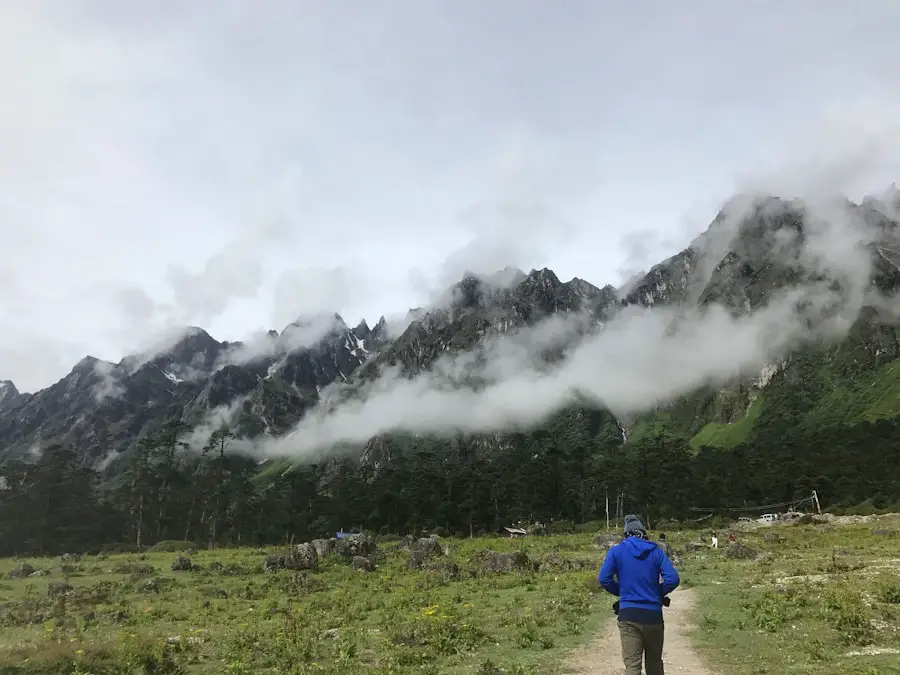
Fog can erase distant landmarks, hide trail junctions, and make cliffs or drop-offs difficult to see. In open alpine terrain, a route that seemed obvious in clear weather can become confusing within minutes.
Carry a map and a navigation method you know how to use. A downloaded offline map can be useful, but do not depend on cellular reception. Keep track of your position before visibility becomes poor. If you can no longer confidently identify the route, turning around while you still know your location is safer than continuing deeper into uncertain terrain.
Rain, Mud, and Slippery Trails
Clouds may develop into rain, and rain changes more than comfort. Roots, wooden bridges, smooth rock, leaves, mud, and steep slopes can become slippery. Streams may rise, and desert canyons or drainage channels can become dangerous even when the heaviest rain falls somewhere upstream.
Slow down and shorten your stride on wet surfaces. Avoid climbing on slick rocks near waterfalls and do not enter moving water when you cannot safely judge its depth, speed, or footing.
Thunderstorms and Lightning
Warning: Darkening clouds accompanied by thunder are not simply “moody hiking weather.” The National Weather Service states that no place outdoors is safe when a thunderstorm is in the area. If you hear thunder, leave exposed terrain and move toward a substantial enclosed building or hard-topped vehicle when one is accessible.
The National Weather Service lightning guidance emphasizes acting early rather than waiting for rain to begin. Lightning can occur away from the heaviest precipitation, and mountain ridges, summits, exposed hills, and other high points are especially poor places to remain during a storm.
If thunderstorms are forecast for mountain terrain, adjust your route and timing so you are away from exposed locations before storms are expected to develop. A photograph is never worth staying on a summit while thunder approaches.
Wet Cold and Hypothermia
Cloudy weather can become dangerous when low temperatures combine with wind and rain. Wet clothing loses insulating performance, while wind increases heat loss. Early hypothermia signs can include uncontrolled shivering, poor coordination, slurred speech, confusion, and unusual exhaustion.
If a member of your group develops signs of hypothermia, get the person out of the wind and rain, replace wet clothing with dry insulation where possible, and seek professional medical assistance for significant symptoms.
How to Prepare for a Cloudy Hike
A good cloudy-day hike begins before reaching the trailhead. The National Park Service recommends checking weather and park alerts, choosing a route that matches your abilities, carrying essential equipment, and having an alternative plan when conditions are poor.
- Check the full forecast: Look beyond the cloud icon. Check precipitation, thunderstorms, wind, temperature, visibility, and expected changes during the hours you will be outside.
- Read trail and park alerts: Look for closures, flooding, snow, wildfire conditions, washed-out bridges, or seasonal restrictions.
- Carry navigation: Bring a map, compass or reliable GPS/offline mapping system and know how to use it before visibility deteriorates.
- Pack rain protection: A waterproof or highly water-resistant outer layer can prevent a comfortable hike from becoming a wet-cold emergency.
- Dress in adjustable layers: Prepare for both exertion and periods when you stop moving.
- Carry water and food: Cooler weather does not eliminate hydration or energy needs.
- Bring a headlamp: Heavy cloud cover makes the trail look darker, and autumn or winter hikes may have significantly shorter daylight hours.
- Protect electronics: Keep your phone, spare battery, and other sensitive items dry.
- Leave a trip plan: Tell a trusted person your route, trailhead, expected return time, and what to do if you are overdue.
- Set a turnaround point: Turn back when thunderstorms approach, visibility becomes too poor to navigate, water rises, the route becomes dangerously slippery, or anyone in the group becomes cold, exhausted, or uncertain.
Pro Tip: Before leaving the trailhead, identify one easier or lower-elevation Plan B. When weather deteriorates, choosing the safer route feels much easier when you have already decided what the alternative will be.
The Opportunity for Reflection and Solitude
When conditions are safe, one of the greatest pleasures of cloudy hiking is the atmosphere. A quiet trail beneath gray skies can feel completely different from the same route on a bright summer afternoon.
The sound of wind moving through trees, water dripping from leaves, distant wildlife, or boots on damp soil becomes more noticeable when crowds are thin. These moments can encourage reflection and mindfulness without requiring the hike to become an ambitious adventure.
Moody landscapes can also make familiar places feel new. Deep greens become richer after rain, mist can move between valleys, and brief openings in the clouds can illuminate a ridge or forest for only a few moments. Those changing conditions are part of what makes cloudy hiking memorable.
Overall, clouds can make hiking cooler, quieter, and visually striking, but their value depends on the kind of weather they represent. Stable overcast can be excellent hiking weather. Dense fog requires better navigation. Rain demands traction and waterproofing. Wet cold calls for insulation, and thunderstorms require immediate respect. Enjoy the scenery, but let the forecast and actual trail conditions decide whether the hike should continue.
If you are considering hiking in areas with clouds, it is important to understand how the season affects the weather you are likely to encounter. A related article on the best time to travel to Spain can provide additional context for planning seasonal outdoor activities. Whatever the destination, check the local forecast and trail conditions rather than assuming that a particular season will always provide the same weather.
Frequently Asked Questions
What are clouds and how do they form?
Clouds consist of tiny water droplets, ice crystals, or a combination of both suspended in the atmosphere. They commonly form when moist air rises and cools enough for water vapor to condense onto tiny particles in the air. Different atmospheric conditions produce different types and layers of clouds.
How do clouds affect hiking?
Stable cloud cover can reduce glare and make hot conditions feel more comfortable while producing attractive soft light. Low cloud, fog, rain, wind, and thunderstorms can instead reduce visibility, make trails slippery, lower body temperature, or create lightning and flooding hazards.
Are clouds good for hiking?
They can be. Calm overcast weather is often pleasant for hiking because it may reduce heat and harsh sunlight while creating dramatic scenery. The important question is what weather the clouds represent. Fog, heavy rain, wet cold, strong wind, or thunderstorms may make the same trail difficult or unsafe.
Can you still get sunburned while hiking under clouds?
Yes. Cloud cover can reduce some ultraviolet radiation, but it does not block all UV. Hikers can still get sunburned on cloudy days, particularly at higher elevations. Check the UV Index and use appropriate sunscreen, clothing, sunglasses, and other protection.
What are some safety tips for hiking in cloudy conditions?
Check the detailed forecast and trail alerts before leaving, bring rain protection and layers, carry water and food, have reliable navigation, pack a headlamp, and leave your route with someone you trust. Turn around if thunderstorms develop, visibility becomes too poor to navigate safely, water rises, or anyone becomes dangerously cold.
Is it safe to hike in fog?
Light fog on a simple, well-marked trail may be manageable for an experienced and prepared hiker, but dense fog can make navigation and hazard detection difficult. Avoid exposed or unfamiliar terrain when you cannot confidently follow the route, and turn around before you lose track of your position.
How can hikers use clouds to their advantage?
Choose stable overcast days for forest hikes, waterfalls, photography, or routes that can become uncomfortable in strong heat. Take advantage of soft light and cooler-feeling conditions, but continue monitoring the forecast and carry the same navigation, water, emergency, and weather protection you would need on any other hike.
Sources
- U.S. Environmental Protection Agency — UV Radiation and Sun Exposure — cloudy-day UV exposure and sun protection.
- Centers for Disease Control and Prevention — Heat and Your Health — heat stress and hydration guidance.
- National Park Service — Hike Smart — forecasts, trip plans, water, equipment, navigation, and general hiking safety.
- National Weather Service — Lightning Safety — thunderstorm and lightning precautions.
- National Park Service — Hypothermia — wet-cold hazards, prevention, and warning signs.
- National Park Service — 7 Ways to Safely Watch Wildlife — wildlife viewing distance and responsible observation.