

Last Updated on September 10, 2026 by Daniel Globe
Hiking is more than a pleasant way to spend time outdoors. A trail walk can combine aerobic exercise, lower-body work, balance challenges, social time, and exposure to natural settings in one activity. The exact benefits depend on your pace, the terrain, the length of the hike, your fitness level, and how regularly you get outside.
Quick Answer
Hiking can improve cardiovascular fitness, leg and core strength, balance, bone health, mood, sleep, and stress management while giving you time in nature. Benefits depend on trail difficulty, pace, frequency, and your starting fitness. Even shorter hikes count as physical activity, and regular hiking can help you work toward weekly activity goals.
Key Takeaways
- Hiking can provide moderate- or vigorous-intensity aerobic exercise depending on your speed, fitness, trail grade, terrain, and pack weight.
- Regular physical activity supports heart health, brain health, sleep, bone strength, balance, and healthy weight management.
- Combining movement with time in nature may offer additional mood and stress benefits, although nature research often shows associations rather than guaranteed effects.
- Outdoor time does not guarantee adequate vitamin D. Use sun protection and obtain vitamin D through appropriate dietary or medical guidance when needed.
- The healthiest hike is one you can complete safely: match the trail to your ability, check conditions, bring essentials, and increase difficulty gradually.
Disclosure: As an Amazon Associate I earn from qualifying purchases. Some links on this page are affiliate links, at no extra cost to you.
Physical Health Benefits of Hiking
Hiking gives you many of the established benefits of regular physical activity while adding hills, uneven ground, changing surfaces, and other trail-specific challenges. According to the Centers for Disease Control and Prevention, regular physical activity can support heart health, brain health, sleep, bone strength, balance, weight management, and a lower risk of several chronic diseases.
Cardiovascular Fitness
Walking uphill or maintaining a brisk trail pace makes your heart beat faster and increases your breathing rate. Over time, regular aerobic activity can improve cardiorespiratory fitness and help lower the risk of heart disease and stroke.
Trail difficulty makes a major difference. A level nature path may feel like an easy or moderate walk, while sustained climbing, higher elevations, rough terrain, or carrying a heavy backpack can push the same person into vigorous effort.
Pro Tip: Use the talk test to judge intensity. During moderate activity, you can usually talk but not sing. During vigorous activity, you can normally say only a few words before pausing for breath. This simple test is recommended by the CDC.
Muscle Strength and Endurance
Hiking places repeated demands on the calves, quadriceps, hamstrings, glutes, hips, and muscles that stabilize the trunk. Climbing increases the demand, while controlled downhill walking challenges the legs in a different way.
Your upper body becomes more involved when you use trekking poles or carry a properly fitted backpack, but ordinary hiking should not automatically be described as a complete replacement for dedicated strength training. Adults are still generally advised to perform muscle-strengthening activities that work all major muscle groups on at least two days per week.
Bone Health, Balance, and Coordination
Walking is a weight-bearing activity, and regular physical activity helps support bone health. Hiking also requires frequent small adjustments in foot placement and body position, especially on roots, rocks, slopes, and uneven ground. Those demands can challenge balance and coordination.
This can be especially valuable as people age, although trail choice should match the hiker’s current balance, mobility, and experience. An easy, well-maintained trail can provide useful movement without the hazards of highly technical terrain.
Weight Management
Hiking burns energy and can contribute to healthy weight management, but no specific hike guarantees weight loss. Body weight is influenced by total activity, food intake, sleep, health conditions, medications, genetics, and other factors.
The practical advantage of hiking is that many people enjoy it enough to stay active for longer periods than they would during a structured workout. Consistency matters more than treating one difficult hike as a quick fix.
How Much Hiking Do You Need?
There is no universal number of hikes that everyone must complete. For general health, current U.S. guidance says adults should aim for at least 150 minutes of moderate-intensity aerobic activity each week, or 75 minutes of vigorous activity, or an equivalent combination. Adults should also include muscle-strengthening activity on at least two days per week.
Hiking can count toward the aerobic portion when the effort reaches moderate or vigorous intensity. You do not need to complete all 150 minutes at once, and some physical activity is better than none.
A beginner might start with a short, mostly level trail and add distance or elevation as comfort improves. An experienced hiker may reach vigorous intensity quickly on steep climbs or while carrying a loaded pack.
Hiking does not need to be extreme to count. A manageable trail that gets you moving regularly can be more useful for long-term health than an exhausting route you rarely want to repeat.
Mental Health Benefits
Physical activity can benefit mental health as well as physical health. The CDC reports that activity can reduce short-term feelings of anxiety, lower the long-term risk of depression, and support emotional well-being.
Exercise also appears useful for people experiencing depressive symptoms. A large 2024 systematic review and network meta-analysis published in The BMJ found meaningful reductions in depression with several forms of exercise, including walking or jogging.
That does not mean hiking should replace psychotherapy, medication, or other appropriate care. It is better viewed as one potentially helpful part of a broader mental-health routine.
Hiking may also improve confidence as you develop fitness, navigation skills, or the ability to complete increasingly challenging routes. Reaching a viewpoint or finishing a trail can provide a clear sense of progress without making appearance or body weight the main measure of success.
Note: This article provides general health information, not diagnosis or treatment. People with chronic health conditions, disabilities, significant exercise limitations, or concerns about starting vigorous activity should discuss appropriate activity with a qualified health professional.
Social Benefits
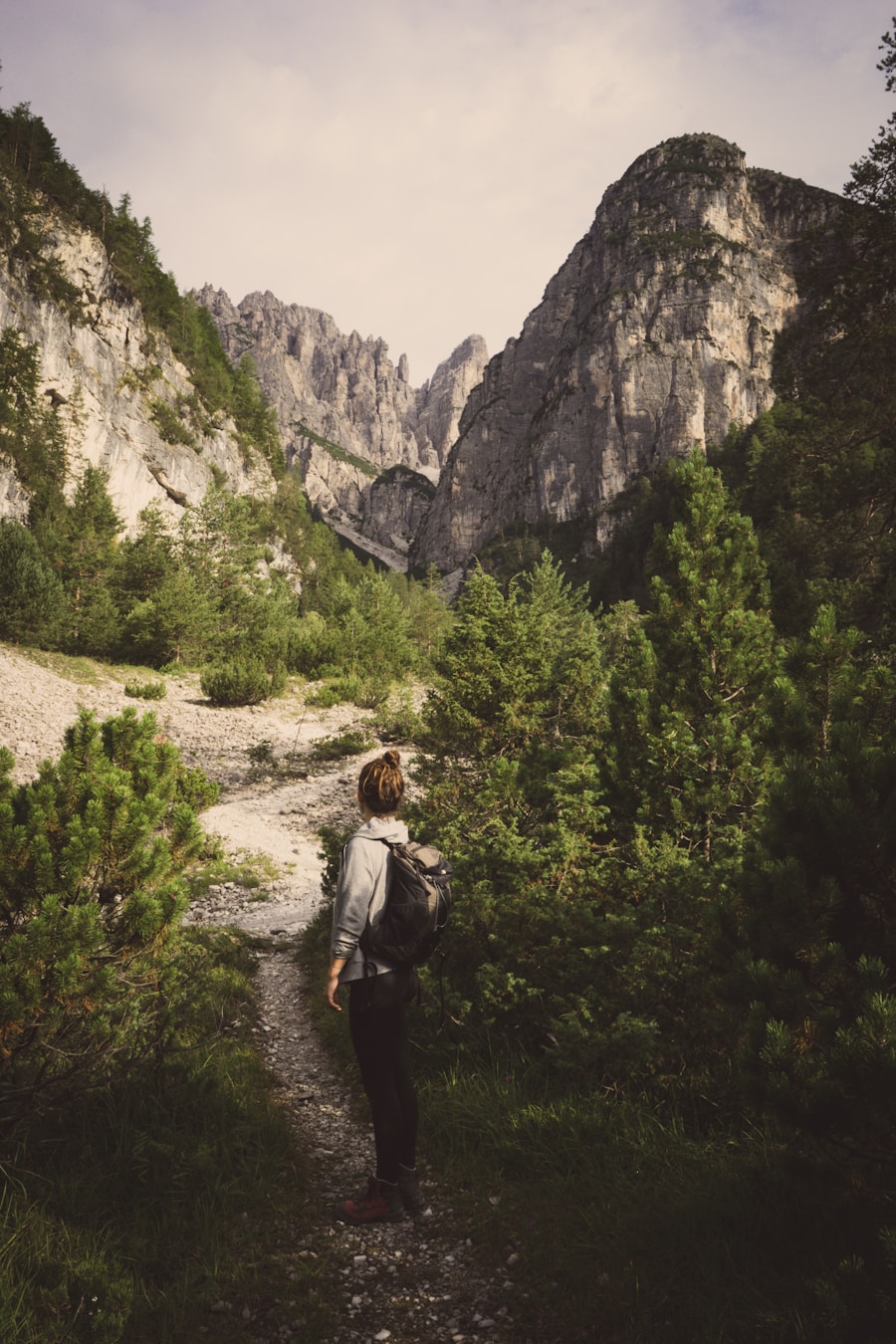
Hiking can be either a solitary or social activity. When you hike with friends, relatives, a partner, or an outdoor club, the trail creates time for conversation and a shared goal without requiring a formal competitive setting.
Group hikes can also help with motivation and accountability. People may be more likely to keep a planned outing when others are expecting them, and shared experiences can strengthen relationships.
The social benefit should not be overstated, however. Hiking does not automatically improve communication, leadership, empathy, or teamwork. Instead, it creates opportunities to practice those skills when people make route decisions together, adjust the pace for the group, share supplies, and look out for one another.
Connection to Nature
| Evidence | What It Means |
| Large 2019 nature-contact study | In a study of 19,806 adults in England, spending at least 120 minutes in nature during the previous week was associated with a greater likelihood of reporting good health and high well-being compared with no nature contact. |
| Important limitation | The 120-minute finding was observational. It shows an association and should not be treated as a proven medical threshold or prescription. |
| Outdoor physical activity | Research comparing natural outdoor exercise with indoor activity has reported promising mental-well-being effects, although study quality and outcomes vary. |
Hiking combines movement with direct exposure to woods, mountains, deserts, coastlines, parks, and other natural environments. That combination may be one reason many people experience hiking differently from treadmill walking or other indoor exercise.
A large study published in Scientific Reports found that adults reporting at least 120 minutes of recreational nature contact in the previous week were more likely to report good health and high well-being. The researchers cautioned that prospective and intervention studies were still needed, so the result should not be interpreted as proof that everyone needs exactly two hours outdoors.
Natural settings can also encourage people to pay attention to changing light, weather, sounds, plants, wildlife, and terrain. For some hikers, that attention feels mindful and helps pull focus away from everyday worries.
Outdoor Time and Vitamin D
Sunlight can trigger vitamin-D production in the skin, but hiking does not guarantee adequate vitamin-D levels. The amount produced varies with skin tone, location, season, weather, time of day, clothing, and other factors.
The CDC advises people to enjoy outdoor activity while protecting themselves from excessive ultraviolet exposure. Spending longer in the sun after the skin has produced its available vitamin D does not keep raising vitamin-D production, but it can continue increasing UV-related skin damage.
Stress Relief
Hiking can provide a useful break from work, screens, traffic, noise, and other everyday demands. Physical activity itself can reduce feelings of anxiety, and natural settings may add another source of mental restoration.
It is too simple to say that every workout lowers cortisol. Exercise is a physical stressor, and cortisol can temporarily rise during harder activity. The more useful takeaway is that regular exercise is associated with better mood, less anxiety, improved sleep, and better stress management for many people.
Rhythmic walking can also create a steady pattern of breathing and movement. Some hikers find that this makes it easier to focus on the immediate trail instead of mentally replaying problems from the day.
Improved Cardiovascular Health

Improved Cardiovascular Function
Hiking at a moderate or vigorous effort is aerobic exercise. Your heart must pump blood to working muscles while your lungs meet the increased demand for oxygen. Regular aerobic activity helps improve cardiovascular fitness and is associated with a lower risk of heart disease, stroke, high blood pressure, and type 2 diabetes.
Cholesterol, Blood Pressure, and Circulation
Regular physical activity can improve several cardiovascular risk factors, including blood pressure and metabolic health. Exercise can also contribute to a healthier lipid profile, although changes in LDL and HDL cholesterol vary from person to person and should not be presented as guaranteed results from hiking alone.
Better cardiovascular fitness also makes everyday movement more efficient. Stairs, long walks, yard work, and future hikes may feel easier as your body adapts to regular activity.
Long-Term Heart Health
The greatest benefit comes from consistency. One long hike can be enjoyable and challenging, but regular moderate activity across the week is more aligned with public-health recommendations than relying on occasional extreme efforts.
Enhanced Cognitive Function
Physical activity supports brain health. According to the CDC, activity can help thinking, learning, problem-solving, memory, and emotional balance, while regular activity is associated with a lower risk of cognitive decline and dementia.
Hiking adds tasks that a treadmill may not: choosing foot placement, scanning the route ahead, navigating turns, adjusting to slopes, monitoring weather, and making decisions about pace. Those tasks require attention and coordination while the body is moving.
Researchers continue to study how exercise changes the human brain. Exercise-related effects on blood flow, brain structure, signaling molecules, and the hippocampus are areas of active research. Adult human neurogenesis remains difficult to measure directly, so it is more accurate to focus on demonstrated cognitive benefits than to claim that hiking simply creates new brain cells.
Sleep and Daily Function
Improved sleep is another established benefit of regular physical activity. The CDC lists better sleep quality among the immediate benefits adults can experience from being active.
Improved endurance, stronger legs, better balance, and more confidence with walking can also make ordinary daily activities easier. Those functional benefits may matter as much as athletic performance, especially for people whose main goal is to stay mobile and independent.
Spiritual Connection
For some people, hiking is more than exercise. Quiet trails, expansive views, difficult climbs, and time away from routine can create feelings of awe, gratitude, reflection, or spiritual connection.
These experiences are personal rather than guaranteed health outcomes. One person may experience a mountain hike as deeply meaningful, while another simply enjoys the scenery and workout. Both experiences are valid.
Mindful movement practices such as yoga and tai chi can create similar opportunities for focused attention, but hiking adds a changing outdoor environment. That can encourage reflection on personal values, goals, relationships, or one’s relationship with the natural world.
How Hiking Can Encourage Environmental Awareness
Spending more time outdoors can increase familiarity with local landscapes and may encourage greater appreciation for natural areas. However, hiking itself does not automatically benefit the environment. Heavy recreation can contribute to erosion, litter, vegetation damage, wildlife disturbance, and crowded trails when visitors behave carelessly.
The National Park Service’s Leave No Trace guidance emphasizes planning ahead, traveling on durable surfaces, disposing of waste properly, leaving natural objects where they are, respecting wildlife, minimizing campfire impacts, and being considerate of other visitors.
Practicing those habits turns environmental appreciation into something concrete rather than assuming that simply being outdoors is automatically conservation-friendly.
How to Get the Benefits of Hiking Safely
A healthy activity can become dangerous when the route exceeds your ability or when weather, heat, altitude, water, wildlife, or navigation problems are ignored. The National Park Service recommends planning the hike, choosing a route that matches the group’s abilities, checking weather and park alerts, leaving a trip plan, and carrying appropriate food, water, navigation, clothing, and emergency equipment.
- Choose a trail that matches your current fitness and experience.
- Check distance and elevation gain, not just advertised trail difficulty.
- Review weather, closures, fire conditions, water availability, and local hazards before leaving.
- Tell someone where you are going and when you expect to return.
- Carry navigation, food, water, weather protection, sun protection, first aid, and other appropriate essentials.
- Wear footwear suitable for the terrain and conditions.
- Increase distance, elevation, speed, and pack weight gradually rather than changing everything at once.
- Turn around when conditions deteriorate or the route is taking substantially longer than planned.
Warning: Heat illness, dehydration, hyponatremia from excessive fluid intake, falls, lightning, flash floods, altitude illness, cold exposure, and getting lost can all become serious outdoor emergencies. Local conditions matter more than generic mileage rules, so check the specific trail or park before every hike.
Hiking is therefore a uniquely useful activity because it can combine physical exercise with time outdoors, changing terrain, skill development, and social or reflective experiences. The National Park Service overview of hiking benefits similarly highlights physical exercise, mental health, and relational benefits.
Frequently Asked Questions
What are the physical benefits of hiking?
Hiking can improve cardiovascular fitness, leg and core endurance, balance, coordination, and overall activity levels. Because walking is weight-bearing, it also contributes to bone health. Steeper trails, uneven terrain, trekking poles, and backpacks can increase the physical demand.
What are the mental benefits of hiking?
Hiking combines physical activity with time outdoors. Regular exercise can reduce anxiety, support mood and sleep, and lower the long-term risk of depression. Natural settings may provide additional stress-relief and well-being benefits for some people. Hiking should complement, not replace, appropriate mental-health care.
How does hiking benefit overall well-being?
Hiking can combine aerobic exercise, balance work, time in nature, skill development, social connection, and a break from everyday routines. Those benefits vary by person, but regular hiking can be an enjoyable way to build more physical activity into everyday life.
What are the social benefits of hiking?
Hiking with friends, relatives, clubs, or community groups creates shared time and a common goal. It can provide opportunities for conversation, cooperation, mutual encouragement, and stronger relationships, although these outcomes depend on the people and the experience.
How does hiking benefit the environment?
Hiking does not automatically help the environment, but spending time outdoors can encourage appreciation for natural areas. Hikers can reduce their impact by staying on appropriate surfaces, packing out waste, respecting wildlife, following fire rules, leaving natural objects in place, and following local Leave No Trace guidance.
How often should you hike for health benefits?
There is no required hiking frequency. Adults can use moderate- or vigorous-intensity hikes as part of the general goal of at least 150 minutes of moderate aerobic activity, 75 minutes of vigorous activity, or an equivalent combination each week. Shorter sessions count, and beginners should increase workload gradually.
Is hiking better exercise than ordinary walking?
Neither activity is automatically better. Hiking often adds hills, uneven terrain, balance demands, and nature exposure, while ordinary walking may be easier to perform consistently and safely. The best choice is the activity that matches your abilities and that you can do regularly.
Sources
- CDC — Health Benefits of Physical Activity for Adults — heart, brain, sleep, bone, balance, weight, and chronic-disease benefits.
- CDC — Adding Physical Activity as an Adult — current adult aerobic and muscle-strengthening recommendations.
- CDC — Benefits of Spending Time Outdoors — outdoor wellness, UV protection, and vitamin-D context.
- National Park Service — Hike Smart — trail planning, equipment, weather, water, food, and hiking safety.
- Scientific Reports — Spending at Least 120 Minutes a Week in Nature Is Associated With Good Health and Well-Being — evidence and limitations for recreational nature exposure.
- National Park Service — Leave No Trace — principles for reducing recreation impacts on natural areas.

