
Last Updated on September 10, 2026 by Daniel Globe
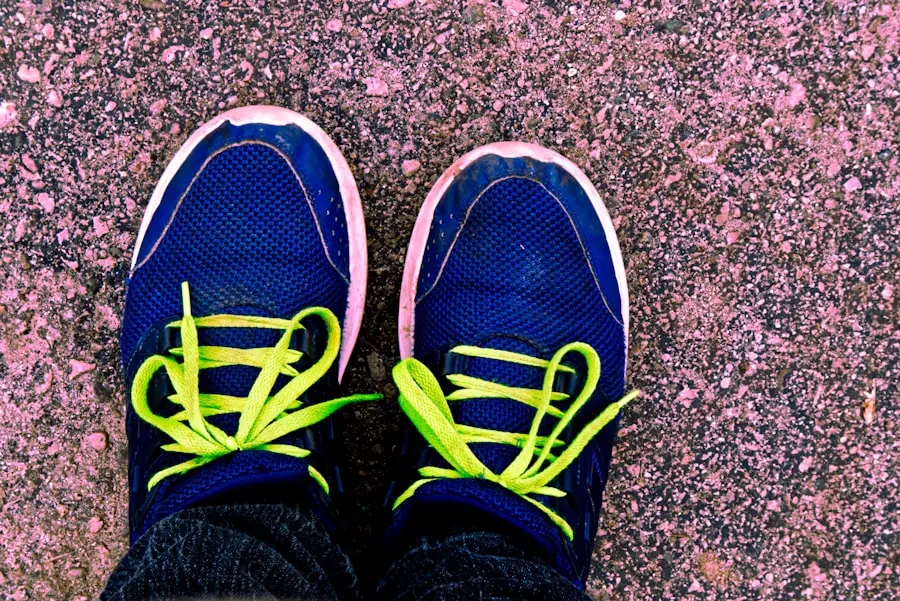
Choosing between hiking shoes and running shoes for walking comes down mainly to where you plan to walk. A light, comfortable road-running shoe often works best on pavement and sidewalks. A hiking shoe becomes more useful when your route includes gravel, rocks, mud, roots, steep slopes, or other uneven ground.
Quick Answer
For pavement, sidewalks, treadmills, and most city walking, a comfortable road-running or dedicated walking shoe is usually the better choice because it is lighter and more flexible. For gravel, mud, rocky trails, or mixed terrain, a hiking shoe—or a trail-running shoe—usually offers better traction, protection, and underfoot stability.
Key Takeaways
- Choose road-running shoes mainly for pavement, sidewalks, treadmills, and other smooth surfaces.
- Choose hiking shoes when you need more outsole traction, underfoot protection, and durability on uneven terrain.
- Trail-running shoes sit between the two categories and are often an excellent choice for people who walk or hike quickly on unpaved trails.
- Fit matters more than the label on the box. Your heel should feel secure, your toes should have room, and the shoe should be comfortable from the start.
- Do not assume a more expensive, stiffer, or higher-cut shoe automatically prevents injuries.
Note: “Hiking sneaker” is not a tightly standardized footwear category. The term usually refers to a low-cut hiking shoe or a sneaker-like outdoor shoe. This guide compares those low-cut hiking shoes with road-running shoes and also explains where trail-running shoes fit between them.
Disclosure: As an Amazon Associate I earn from qualifying purchases. Some links on this page are affiliate links, at no extra cost to you.
Hiking Shoes vs Running Shoes: The Main Differences
Road-running shoes are designed primarily for repetitive movement on relatively smooth surfaces. They commonly emphasize low weight, cushioning, flexibility, and a smooth heel-to-toe transition.
Low-cut hiking shoes are designed for walking over less predictable ground. They tend to use tougher uppers, more protective toe areas, firmer or more stable platforms, and outsoles with tread designed for dirt, gravel, mud, or rock.
Trail-running shoes blur the line. The American Academy of Orthopaedic Surgeons notes that trail shoes generally use deeper tread for traction and provide more across-the-shoe stability than ordinary running shoes. They remain lighter and more flexible than many traditional hiking shoes.
| Feature | Road-Running Shoes | Hiking Shoes |
| Best surface | Pavement, sidewalks, treadmills, smooth paths | Dirt, gravel, roots, rocks, mud, uneven trails |
| Typical feel | Lighter, softer, more flexible | Firmer, more protective, more structured |
| Traction | Optimized mainly for hard, relatively even surfaces | More aggressive tread for loose and uneven surfaces |
| Protection | Usually minimal protection from rocks and roots | Often includes tougher uppers, toe protection, and firmer underfoot construction |
| Best for everyday pavement walking | Usually yes | Usable, but often heavier and stiffer than necessary |
Support and Stability
Running shoes are sold in neutral and stability-oriented designs, but shoppers should be careful about treating foot shape or pronation as a simple prescription. A Cochrane review of running footwear found that selecting shoes according to static foot posture probably makes little or no difference to lower-limb running injury rates.
Modern stability shoes may use broader platforms, sidewalls, guiderails, firmer sections of foam, or other geometry to influence how secure the shoe feels. For walking, the more practical test is whether the shoe feels stable, comfortable, and natural while you move.
Hiking shoes often use a firmer platform than road-running shoes. That can help the foot feel less vulnerable when landing partly on a rock, root, or sloped section of trail. Traditional hiking boots can add more coverage around the ankle and extra protection from debris, but a higher collar should not be treated as a guarantee against ankle sprains.
Pro Tip: Judge stability while standing and walking, not by squeezing the shoe on a store shelf. Your heel should remain secure, and your foot should not slide from side to side when you turn or walk downhill.
Traction and Grip
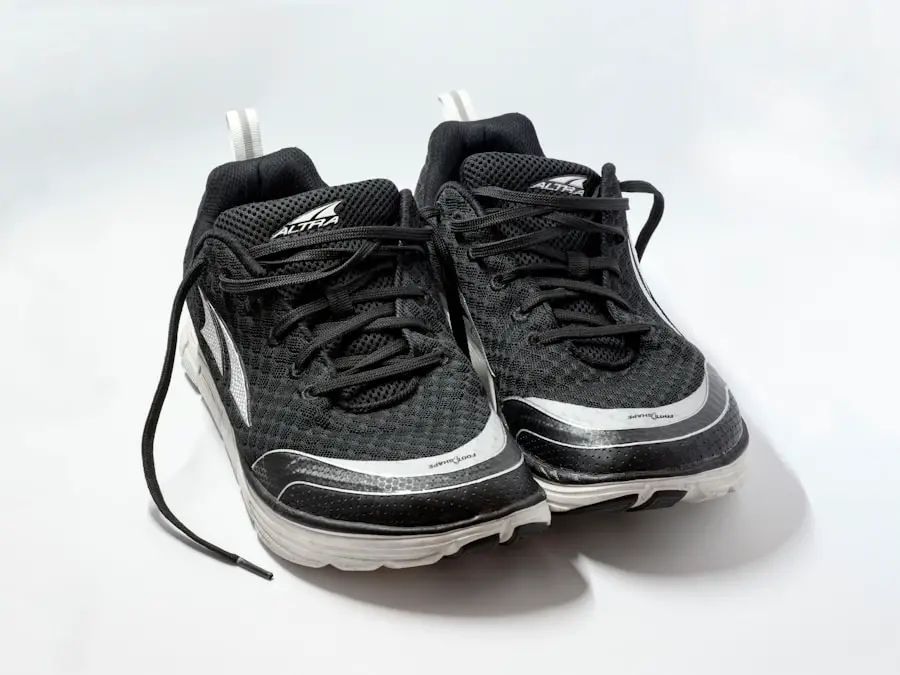
Outsole design is one of the clearest differences between road-running and hiking footwear. Road shoes generally use tread patterns intended for pavement and other hard surfaces. Trail-running and hiking shoes use lugs that can dig into dirt, gravel, loose soil, and mud.
According to REI’s trail-running shoe guidance, shallower and more closely spaced lugs suit hard-packed trails, while deeper and more widely spaced lugs are better suited to loose or muddy terrain.
Rubber compound matters too. Softer rubber can improve grip on some rock surfaces but may wear more quickly. Harder compounds may trade some stickiness for durability. Some outdoor shoes use specialized compounds such as Vibram Megagrip, which is designed for traction on both wet and dry terrain.
Warning: A lugged hiking outsole does not make ordinary footwear safe on ice. Packed snow and ice can overwhelm normal rubber tread. Conditions that require dedicated traction devices, winter footwear, or turning around should be treated separately from normal wet-trail walking.
Durability and Longevity
| Footwear Type | Typical Wear Pattern | Replace When |
| Road-running shoes | Midsole cushioning and high-contact outsole areas gradually wear down | Cushioning feels flat, tread is badly worn, the upper is damaged, or comfort changes; 300–500 running miles is a common general benchmark |
| Trail-running shoes | Lugs, outsole rubber, cushioning, and lightweight uppers can wear on abrasive trails | Traction drops noticeably, lugs are rounded or missing, cushioning changes, or the upper develops significant damage |
| Hiking shoes | Outsole lugs, flex points, seams, toe protection, and waterproof membranes receive repeated trail abuse | Grip, structure, fit, or waterproof performance has materially deteriorated, or the outsole or upper is separating |
Road-running shoes often use lightweight foam and uppers to keep weight down. Those components can gradually lose their original feel as mileage accumulates. Foot-and-ankle orthopaedic specialists at FootCareMD give roughly 300 to 500 miles of running as a general point at which athletic-shoe cushioning may be worn down.
Mileage is a useful reminder, not an expiration date. Tread loss, damaged uppers, compressed cushioning, reduced grip, and declining comfort are equally important reasons to retire a shoe.
Hiking footwear is often made with more abrasion-resistant uppers, rubber protection around vulnerable areas, and thicker outsoles. That can improve durability on rough ground, but there is no universal number of years a hiking shoe should last. Terrain, mileage, body weight, moisture, storage, construction, and care all affect service life.
Comfort and Fit
For walking, a well-fitting shoe matters more than whether the label says running, hiking, or walking. The shoe should feel comfortable when you try it on rather than depending on a painful “break-in” period to make a poor fit acceptable.
FootCareMD’s fitting guidance recommends roughly 3/8 to 1/2 inch—about a finger or thumb’s width—between the longest toe and the end of the shoe. The widest part of the foot should sit comfortably in the widest part of the shoe, and the heel should not slip while walking.
Running shoes commonly offer more cushioning choices, from low-profile designs to thick midsoles. Hiking shoes often feel firmer because their job includes protecting the foot from uneven ground. Neither approach is automatically more comfortable; it depends on the surface, your foot, and your preference.
If you use prescription orthotics, bring them when trying on shoes. A removable factory insole and sufficient interior depth can make fit easier.
Pro Tip: Try shoes on with the socks you actually plan to wear and test both feet. Feet can swell during long walks, and one foot is often slightly larger than the other.
Terrain and Usage
Running Shoes for Pavement and Smooth Paths
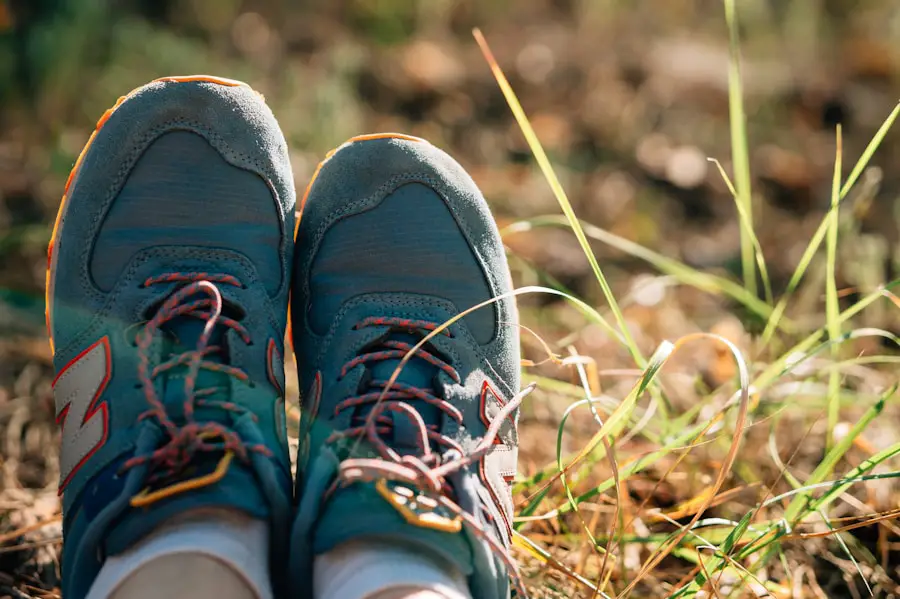
For sidewalks, paved greenways, treadmills, airports, shopping districts, and other hard surfaces, road-running shoes are often the most practical choice. They are light, flexible, and available in many cushioning levels.
REI’s walking-shoe guide specifically lists road-running shoes as a good choice for pavement and brisk walking. A dedicated walking shoe can work just as well when it fits properly.
Hiking Shoes: Engineered for Off-Road Conditions
Hiking shoes make more sense when the ground becomes rough. Rocks, roots, loose gravel, mud, steep grades, and side slopes increase the value of stronger tread, a more protective upper, and a stable platform.
Low-cut hiking shoes can provide those features without the bulk of a traditional high hiking boot. For day hikes with a light pack, they are often a useful compromise between protection and mobility.
For highly technical terrain, substantial loads, snow, or conditions where additional coverage is useful, a sturdier hiking boot may be preferable. The decision should still be based on fit and actual conditions rather than assuming that every hiker needs a boot.
Trail-Running Shoes: The Middle Ground
Trail-running shoes combine much of the lightness of running footwear with trail-oriented traction and protection. They are popular for fast hiking, day hiking, mixed dirt routes, and people who simply prefer more flexible footwear.
Many rugged trail-running shoes use deeper lugs, protective toe areas, rock plates, or firmer structures. That makes them substantially different from smooth-soled road-running shoes.
Hybrid Models: The Best of Both Worlds
Many modern shoes sit between traditional categories. A lightweight hiking shoe can feel almost like a sneaker, while a rugged trail runner can offer substantial protection and traction.
For someone who frequently moves between city streets, gravel paths, park trails, and easy hiking routes, this middle ground can be more useful than buying the heaviest hiking footwear available.
Which Shoe Is Better for Different Types of Walking?
- Sidewalks and pavement: Road-running or dedicated walking shoes usually make the most sense.
- Long paved walks: Choose whichever road-running or walking shoe fits comfortably for extended time; distance alone does not require hiking shoes.
- Gravel paths: Hiking shoes or trail runners can provide better tread and stability, although a road shoe may be fine on smooth, compacted gravel.
- Easy maintained trails: Trail runners, hiking shoes, and some road shoes can all work depending on tread, weather, and personal preference.
- Rocky, muddy, or root-covered trails: Hiking shoes or rugged trail runners are generally more appropriate.
- Heavy backpacking loads: A more structured hiking shoe or boot may feel more stable and durable.
- Mixed city and trail travel: A lightweight hiking shoe or trail-running shoe can be a practical one-pair compromise.
Weather, Waterproofing, and Breathability
Waterproof footwear can be helpful in wet grass, shallow mud, cold rain, and damp trails, but waterproof membranes also tend to reduce ventilation compared with highly breathable mesh shoes.
For warm, dry conditions, many walkers prefer breathable footwear that lets heat and perspiration escape. For cool and consistently wet conditions, water resistance may become more valuable.
Remember that a waterproof low-cut shoe can still take in water over the collar. Waterproofing also does not improve traction by itself; outsole design and rubber compound remain separate considerations.
Weight and Flexibility
Road-running shoes are typically lighter and more flexible than hiking shoes. That can make them feel less tiring during brisk walking on smooth ground and allows the foot to move easily through a repetitive stride.
Hiking shoes trade some of that lightness for structure, tread, and protection. The firmer feel can be useful on rough terrain but may feel unnecessarily stiff during an all-day city walk.
Trail-running footwear offers another option for people who want strong trail traction without as much weight or stiffness as traditional hiking footwear.
Price and Value
Price alone does not tell you whether a shoe is appropriate or whether it will prevent injuries. An expensive hiking shoe can be a poor value for someone who walks only on sidewalks, just as an expensive road-running shoe with shallow tread may be a poor choice for muddy trails.
Instead, compare the features you will actually use: fit, outsole, cushioning, durability, weather protection, weight, and the surfaces you walk on most frequently.
A well-fitting mid-priced shoe designed for your normal terrain is usually a better purchase than paying more for specialized features you do not need.
How to Choose the Right Fit
Before buying either type, use a simple fit check:
- Wear the socks you plan to use for walking or hiking.
- Fit the shoe to your larger foot.
- Leave roughly 3/8 to 1/2 inch of room beyond your longest toe.
- Make sure your toes can move without being squeezed from the sides or top.
- Check that your heel remains secure instead of sliding up and down.
- Walk around and, when possible, test an incline or ramp.
- Reject pressure points, rubbing, numbness, or obvious heel slip rather than assuming they will disappear later.
According to Mayo Clinic, useful walking-shoe features include a secure heel area, suitable cushioning, a roomy toe box, and outsole grooves or tread that help provide traction.
When Should You Replace Your Shoes?
Do not wait for the shoe to fall apart completely. Watch for changes such as:
- Outsole tread worn smooth in important contact areas
- Trail lugs becoming rounded, torn, or missing
- Midsole cushioning feeling noticeably flatter than before
- The shoe leaning or deforming when placed on a flat surface
- Upper material tearing or separating from the sole
- Waterproof construction leaking despite proper care
- A familiar shoe suddenly feeling less comfortable or secure
Running mileage can help you track wear, but hiking-shoe life varies too much by terrain and construction for one mileage or year limit to fit everyone.
When Foot Pain Changes the Decision
If walking repeatedly causes significant foot, ankle, knee, or lower-leg pain, changing shoe categories is not always the complete solution. Fit problems, training changes, previous injuries, and other factors can contribute.
A podiatrist, sports-medicine professional, physical therapist, or foot-and-ankle specialist can provide individualized guidance when pain persists, especially if you need orthotics or have a known foot condition.
For travelers comparing footwear as part of a larger packing setup, you can also see TakeTravelInfo’s guide to best carry-on luggage for international travel.
Love travel? Join Our Facebook Community
Frequently Asked Questions
What are the differences between hiking sneakers and running shoes?
Road-running shoes are generally lighter, more flexible, and optimized for pavement. Hiking shoes usually provide tougher uppers, more aggressive outsole tread, greater underfoot protection, and a more structured feel for uneven terrain.
Which is better for walking: hiking sneakers or running shoes?
Running shoes are usually better for pavement and other smooth surfaces, while hiking shoes are generally more useful for gravel, mud, rocks, roots, and uneven trails. Fit and comfort still matter more than the category name.
Can running shoes be used for hiking?
Yes. Road-running shoes can work on dry, smooth, well-maintained trails when they provide enough grip. For loose, rocky, muddy, or technical terrain, trail-running shoes or hiking shoes usually provide more appropriate traction and protection.
Are hiking sneakers suitable for running?
You may be able to run short distances in a lightweight hiking shoe, but hiking shoes are generally heavier and stiffer than footwear designed for running. For running on dirt or rocky trails, a trail-running shoe is the more purpose-built option.
Are hiking shoes good for walking on pavement?
They can be, especially if they fit well, but aggressive lugs and firm midsoles may feel less smooth on pavement. For walking mainly on sidewalks and roads, a road-running or dedicated walking shoe is usually lighter and more comfortable.
Are trail-running shoes good for hiking and walking?
Yes. Trail-running shoes are a useful middle ground because they combine relatively low weight with trail-oriented tread and protection. They are especially popular for fast hiking, maintained trails, gravel routes, and mixed-surface walking.
What factors should I consider when choosing between hiking shoes and running shoes?
Start with terrain and fit. Then compare traction, cushioning, flexibility, underfoot protection, weather resistance, weight, pack load, and durability. Do not choose solely by price, pronation labels, or the assumption that more support is always better.
Sources
- FootCareMD — How to Select Athletic Shoes — athletic-shoe fit, activity-specific features, and general replacement guidance.
- FootCareMD — 10 Points of Proper Shoe Fit — toe room, heel fit, width, and fitting recommendations.
- American Academy of Orthopaedic Surgeons — Athletic Shoes — differences among walking, running, trail, and cross-training footwear.
- Cochrane — Running Shoes for Preventing Lower-Limb Running Injuries in Adults — evidence on stability, motion-control, cushioning, and foot-posture-based shoe prescriptions.
- Mayo Clinic — Features of a Walking Shoe — walking-shoe fit, cushioning, toe-box, heel, and traction features.
- Vibram — Megagrip Technology — manufacturer information on a wet- and dry-terrain outsole compound.

