
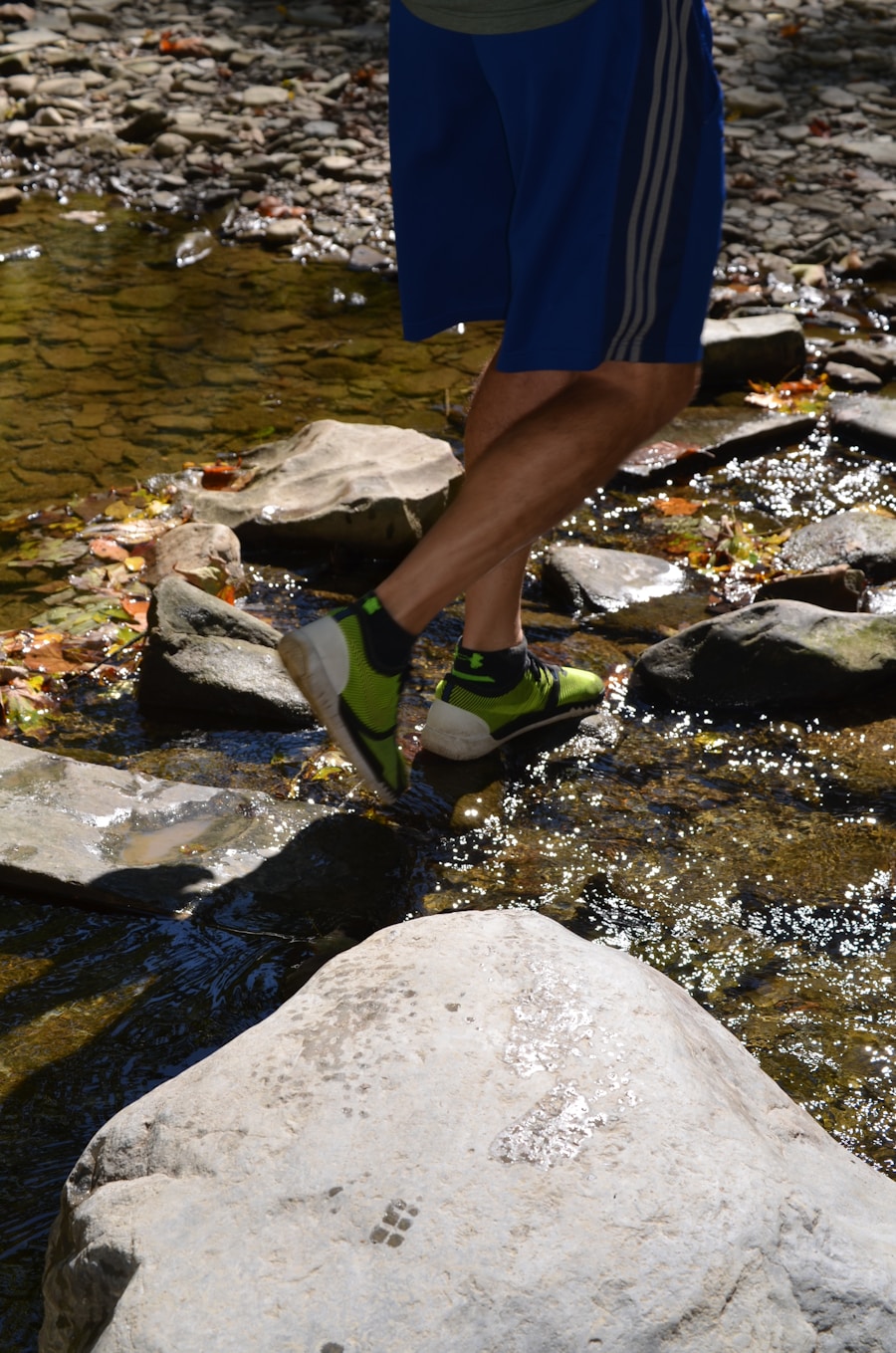
Last Updated on September 10, 2026 by Daniel Globe
Yes, you can wear hiking shoes every day. A well-fitting pair can work especially well for walking, commuting, travel, errands, and casual activities that mix pavement with parks or light trails. The main question is not whether hiking shoes are allowed off the trail, but whether their weight, cushioning, tread, waterproofing, and fit suit your normal routine.
Hiking shoes are built differently from ordinary casual sneakers. They usually have tougher uppers, more protective soles, and trail-focused traction. Those features can be useful in daily life, but they also create tradeoffs. A rugged waterproof shoe may feel great on a wet trail yet seem unnecessarily warm or stiff during an eight-hour day indoors.
Quick Answer
You can wear hiking shoes every day if they fit comfortably and match your activities. They are especially practical for walking, commuting, travel, wet weather, and mixed pavement-and-trail use. For mostly indoor days, running, formal settings, or jobs requiring certified protective footwear, another type of shoe may be a better choice.
Key Takeaways
- Hiking shoes can be comfortable everyday footwear when the fit, cushioning, and flexibility suit your feet.
- Hiking shoes are usually low-cut; hiking boots are the models that more often extend above the ankle.
- Pavement and city walking are fine, but frequent hard-surface use can gradually round off trail lugs.
- Waterproof models are useful in wet weather, while non-waterproof models may feel cooler for mostly indoor or warm-weather use.
- Do not use ordinary hiking shoes as a substitute for workplace footwear that must meet specific protective-safety requirements.
Disclosure: As an Amazon Associate I earn from qualifying purchases. Some links on this page are affiliate links, at no extra cost to you.
Are Hiking Shoes Good for Everyday Wear?
For many people, yes. Modern hiking shoes sit between trail footwear and everyday athletic shoes. According to REI’s hiking-footwear guidance, hiking shoes are generally lower-cut than hiking boots and commonly use durable uppers with moderately flexible midsoles. REI specifically lists groomed, paved, and urban trails among the environments where hiking shoes can work well.
That makes them a logical option for someone whose typical day includes sidewalks, public transportation, parks, gravel paths, travel, or occasional easy hikes.
The best everyday hiking shoe is not necessarily the toughest one. It is the pair that fits your foot, feels comfortable on your usual surfaces, and is not more rugged than your routine requires.
Comfort and Support for Daily Walking
Hiking shoes often include cushioned midsoles, structured heel areas, protective toe sections, and supportive insoles. These features can make them comfortable for long walks and mixed surfaces. However, no hiking shoe provides “unparalleled” comfort for everyone. Foot shape, width, arch shape, sole stiffness, cushioning, and fit all affect how a shoe feels.
The American Academy of Orthopaedic Surgeons recommends choosing footwear that fits the shape of your foot and leaves roughly one-half inch between the longest toe and the end of the shoe. The heel should feel secure, and the shoe should not force your toes together.
A 2026 systematic review of footwear used by people in prolonged-standing occupations also found that comfort involves a balance: softer soles can reduce impact and fatigue, while firmer construction can provide stability. More cushioning is therefore not automatically better for every person or activity.
Pro Tip: Try hiking shoes with the same socks you plan to wear every day. Walk on a hard floor before deciding. Your heel should stay secure, your toes should have room to move, and there should be no pressure point that you expect to “break in” later.
Hiking Shoes Are Not the Same as Hiking Boots
This distinction matters when discussing ankle support. Hiking shoes are generally low-cut and sit at or below the ankle. Day-hiking and backpacking boots are more likely to use mid- or high-cut collars that surround the ankle.
A higher boot collar can provide additional structure, but it is misleading to say that ordinary hiking shoes routinely wrap around the ankle or that choosing a higher shoe automatically prevents ankle sprains. Select the amount of structure that feels appropriate for your terrain, load, balance, and comfort.
Style and Fashion for Everyday Settings
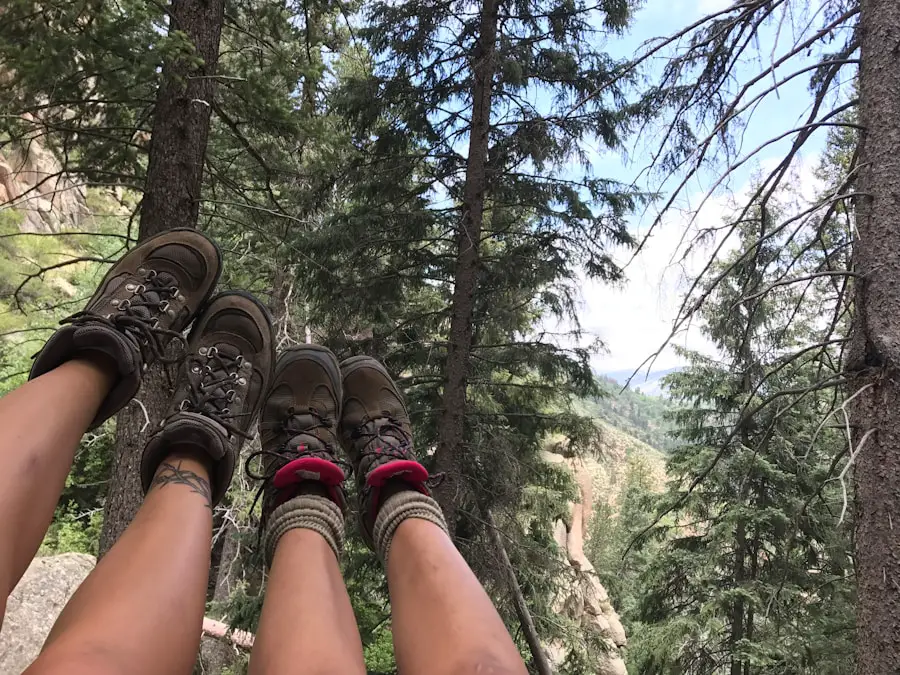
Hiking footwear no longer comes only in heavy brown leather designs. Many current hiking shoes use sneaker-like shapes, neutral colors, lightweight textiles, or cleaner silhouettes that work easily with jeans, cargo pants, casual shorts, and travel clothing.
Hiking-inspired footwear has also crossed into mainstream fashion. Vogue has highlighted hiking-inspired boots for both town and outdoor use, reflecting the broader trend of functional outdoor designs being worn casually.
Style is still personal. A technical shoe with bright colors and large trail lugs may look out of place with business clothing, while a low-profile hiking shoe in black, gray, tan, or navy can blend into casual settings much more easily.
Hiking Shoes vs. Sneakers for Everyday Use
| Feature | Hiking Shoes | Everyday Sneakers |
|---|---|---|
| Trail traction | Usually stronger on dirt, gravel, mud, and uneven ground | Usually designed mainly for smooth urban surfaces |
| Weight | Often somewhat heavier | Often lighter |
| Protection | More toe, upper, and underfoot protection is common | Usually less protective |
| Breathability | Varies; waterproof versions may feel warmer | Mesh casual or athletic models can feel cooler |
| Best everyday use | Walking, travel, wet weather, parks, mixed terrain | Indoor use, smooth pavement, casual errands |
Can You Wear Hiking Shoes on Pavement?
Yes. Walking on concrete, sidewalks, or asphalt will not damage a hiking shoe simply because it was designed for trails. REI even identifies paved and urban trails as suitable environments for many low-cut hiking shoes.
The main consideration is tread wear. Trail-oriented outsoles may use deep lugs designed to bite into loose soil. Repeated hard-surface walking gradually wears any rubber outsole, and once aggressive lugs become rounded or shallow, the shoe may lose some of the trail traction you originally bought it for.
If almost all of your walking is on smooth pavement, a walking shoe, road-running shoe, or less aggressive town-to-trail hiking shoe may feel lighter and more natural. If your week regularly mixes sidewalks, gravel, dirt paths, parks, and wet conditions, a hiking shoe becomes much easier to justify.
Durability and How Long Hiking Shoes Last
Hiking shoes are generally designed to handle abrasion, dirt, rocks, and changing terrain, so durable uppers and rubber outsoles are common. That does not mean every hiking shoe lasts longer than every sneaker, and it is not reliable to assign a universal lifespan in months.
The original examples in this article included the Merrell Moab 2, Salomon X Ultra 3, Columbia Newton Ridge Plus II, and KEEN Targhee II. Product generations have changed since some of those models were introduced, so their old model names should not be treated as current buying recommendations.
| Brand | Model Originally Listed | 2026 Context | Lifespan Guidance |
|---|---|---|---|
| Merrell | Moab 2 | An older generation; Merrell now lists the Moab 3 collection. | No reliable fixed month count; inspect tread, cushioning, upper condition, and comfort. |
| Salomon | X Ultra 3 | An older generation; Salomon currently lists the X Ultra 5. | Replace according to condition and performance rather than age alone. |
| Columbia | Newton Ridge Plus II | A boot-style example rather than a typical low-cut hiking shoe. | Warranty length is not product lifespan; ordinary wear is separate from manufacturing defects. |
| KEEN | Targhee II | An earlier generation; KEEN currently offers the Targhee IV. | KEEN states that footwear lifespan varies according to use and conditions. |
Signs It Is Time to Replace Your Hiking Shoes
- The outsole lugs are worn smooth or unevenly.
- The midsole feels noticeably flatter, harder, or less comfortable than when new.
- The heel no longer feels stable inside the shoe.
- The upper has holes, major tears, or failing seams.
- The outsole is separating from the upper.
- A waterproof shoe begins leaking because the footwear itself has been damaged.
- You consistently develop new foot discomfort even though the shoe still fits correctly.
Note: A footwear warranty should not be confused with expected lifespan. Merrell, Columbia, and KEEN currently publish one-year footwear warranties covering qualifying defects, while ordinary wear is generally excluded.
Versatility for Travel, Errands, and Work
Hiking shoes are at their best when one pair needs to cover several environments. They can take you from an airport to a long sightseeing day, from sidewalks to a city park, or from errands to an easy afternoon trail without requiring a footwear change.
They can also work for casual jobs that involve plenty of walking or standing when workplace rules permit them. However, comfort for a long shift depends on the individual shoe. A very stiff trail shoe may be less pleasant on a hospital or retail floor than a lighter walking shoe.
Warning: Ordinary hiking shoes are not automatically safety footwear. If your job exposes you to falling or rolling objects, sole-puncture hazards, electrical hazards, or another regulated risk, use the protective footwear required by your employer. OSHA’s foot-protection requirements take priority over general hiking-shoe recommendations.
Hiking shoes are also poor substitutes for sport-specific footwear. A hiking shoe is not designed like a road-running shoe, court shoe, cycling shoe, or weightlifting shoe. Use footwear intended for the activity when performance, rapid direction changes, or specialized support matters.
Waterproof or Non-Waterproof for Everyday Wear?
A waterproof hiking shoe can be an excellent everyday choice in rainy climates, during wet commutes, or when you frequently walk through damp grass, mud, or shallow puddles. Waterproof membranes such as GORE-TEX are designed to block external water while allowing water vapor to escape.
That does not mean every waterproof shoe feels as airy as a lightweight mesh shoe. REI notes that waterproof hiking boots can become warmer and less breathable, while low-cut hiking shoes are often designed with greater emphasis on moisture management and quick drying.
For mostly indoor use or hot, dry weather, a breathable non-waterproof hiking shoe may be more comfortable. For wet-weather commuting and travel, the extra weather protection may be worth the tradeoff.
Maintenance and Care for Daily-Wear Hiking Shoes
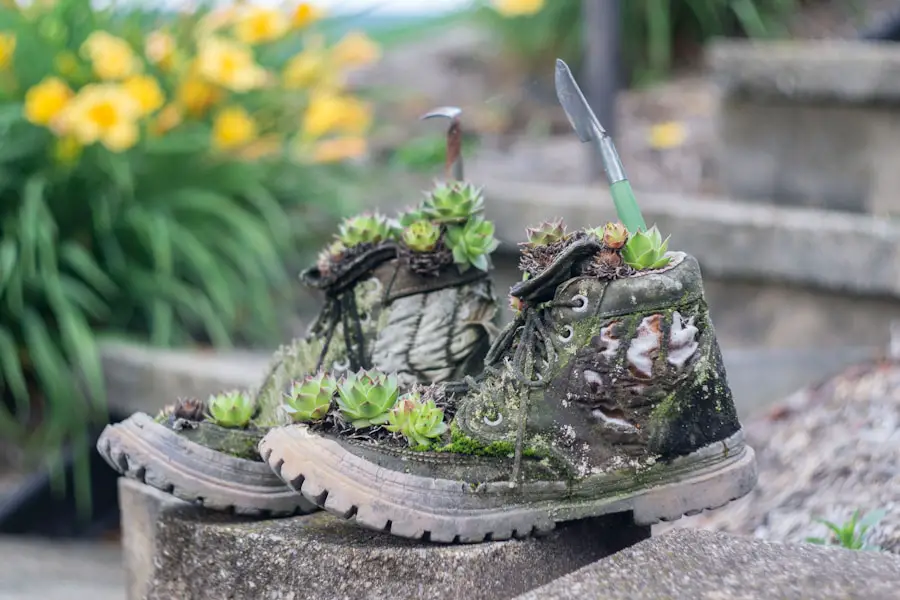
Daily wear exposes hiking shoes to pavement dust, road grime, mud, moisture, and sweat. Simple maintenance can keep the upper, outsole, and waterproof treatment working properly.
- Remove loose dirt. Brush off dried mud and debris before wet cleaning.
- Remove the laces and insoles when needed. This makes cleaning and drying easier.
- Clean gently. For compatible synthetic footwear, use lukewarm water and a small amount of mild liquid detergent. Follow the manufacturer’s instructions for leather and specialty materials.
- Air-dry naturally. Leave footwear in a ventilated area at moderate temperature.
- Avoid direct heat. Radiators, heaters, dryers, and intense direct sun can damage footwear materials or adhesives.
- Restore water repellency when needed. Use a treatment approved for the shoe’s outer material and waterproof membrane.
GORE-TEX footwear-care guidance recommends natural drying away from direct heat and advises reapplying a suitable durable water-repellent treatment when water stops beading on the outer material. It also warns that waterproofing waxes or greases can affect breathability on compatible GORE-TEX footwear.
Are Hiking Shoes Cost-Effective for Everyday Use?
They can be, but there is no guarantee that a hiking shoe will save money compared with an everyday sneaker. Cost-effectiveness depends on how often you hike, how much walking you do, the surfaces you use, and whether one pair genuinely replaces another pair you otherwise would have bought.
Someone who regularly switches between trails and town may get excellent value from one versatile pair. Someone who walks almost entirely on indoor floors and concrete may be paying for aggressive tread, waterproofing, and trail protection that provides little everyday benefit.
Price alone is also a poor measure of value. A less expensive shoe that fits perfectly and lasts for your normal use can be a better purchase than a premium shoe that feels stiff, narrow, hot, or uncomfortable.
When Hiking Shoes Are Not the Best Everyday Choice
Hiking shoes are versatile, but they are not automatically the best footwear for every day or every person. Consider another option when:
- You spend almost all day indoors and prefer very light, flexible footwear.
- Your hiking shoes feel hot during warm-weather use.
- The aggressive outsole feels awkward on your normal walking surfaces.
- Your workplace has a formal dress code.
- Your employer requires certified protective footwear.
- You need shoes specifically for running, court sports, lifting, cycling, or another specialized activity.
- The hiking shoe creates pressure, numbness, heel slipping, or toe crowding.
Should You Wear Hiking Shoes Every Day?
For the right person, hiking shoes make very practical everyday footwear. They are particularly useful for active commuters, travelers, dog walkers, people who regularly move between pavement and unpaved paths, and anyone who values a more protective shoe.
The key is to avoid choosing a hiking shoe simply because it appears tougher or more supportive. Start with fit. Make sure your toes have room, your heel stays secure, and the shoe feels comfortable on the surfaces where you will actually use it. Then decide how much trail traction, weather protection, stiffness, and weight you truly need.
A low-cut, moderately cushioned hiking shoe can be an excellent town-to-trail compromise. A heavy waterproof boot may be unnecessary for a mostly indoor routine, while a lightweight sneaker may be inadequate for someone who regularly encounters mud, gravel, rain, and uneven ground.
If you also use hiking shoes for travel and outdoor trips, pairing them with practical luggage can simplify packing. The site’s guide to 5 Must-Have Minimalist Travel Backpacks for Spring Adventures covers backpack options designed around the same idea: carrying versatile gear without unnecessary bulk.
Frequently Asked Questions
What are hiking shoes?
Hiking shoes are generally low-cut outdoor shoes designed for walking on trails and mixed terrain. Compared with many casual sneakers, they commonly provide tougher uppers, protective soles, and more trail-focused traction. They are lighter and lower-cut than most traditional hiking boots.
Can you wear hiking shoes every day?
Yes. Hiking shoes can be worn every day when they fit comfortably and suit your routine. They work particularly well for walking, commuting, travel, wet weather, parks, and days that combine pavement with light trails.
Are hiking shoes suitable for everyday use?
They can be. Choose a pair with the right width, toe room, cushioning, flexibility, and weight for your feet. A lighter low-cut hiking shoe usually adapts to everyday use more easily than a stiff backpacking boot.
What should I consider when wearing hiking shoes every day?
Check fit, weight, cushioning, outsole tread, waterproofing, breathability, dress requirements, and the surfaces you walk on most often. Also inspect the outsole and midsole regularly if the same pair serves as both your everyday shoe and your trail shoe.
Can hiking shoes be worn as casual shoes?
Yes. Many current hiking shoes use low-profile, sneaker-like designs that work with casual clothing. Neutral colors and less aggressive-looking outsoles are usually easiest to blend into an everyday wardrobe.
Are hiking shoes good for standing all day?
They can be comfortable for long periods of standing, but the answer depends on fit, sole stiffness, cushioning, and your individual needs. A supportive hiking shoe may feel excellent to one person while a lighter walking shoe works better for another.
Do hiking shoes wear out faster on pavement?
Hiking shoes can be used on pavement, but hard surfaces gradually wear rubber tread. How quickly this happens depends on the outsole compound, lug design, walking mileage, gait, and other factors. Replace or retire them from trail use when the tread becomes noticeably rounded or shallow.
Should everyday hiking shoes be waterproof?
Choose waterproof hiking shoes if rain, wet grass, mud, or puddles are common in your routine. For hot weather or mostly indoor use, a breathable non-waterproof model may feel cooler and may be all you need.
Sources
- REI Co-op — How to Choose Hiking Boots and Shoes — hiking-shoe versus hiking-boot construction, terrain suitability, waterproofing, and breathability.
- American Academy of Orthopaedic Surgeons — Shoes: Finding the Right Fit — shoe fit, toe room, support, heel control, and footwear selection.
- PubMed — Footwear and Comfort During Prolonged Standing — evidence on cushioning, stability, insoles, and comfort during prolonged standing.
- Occupational Safety and Health Administration — 29 CFR 1910.136 Foot Protection — workplace protective-footwear requirements.
- GORE-TEX — Footwear Care Instructions — cleaning, drying, and restoring durable water repellency.
- Merrell — Make It Right Guarantee — current one-year limited footwear warranty context.

