
Last Updated on July 30, 2026 by Caleb Warren
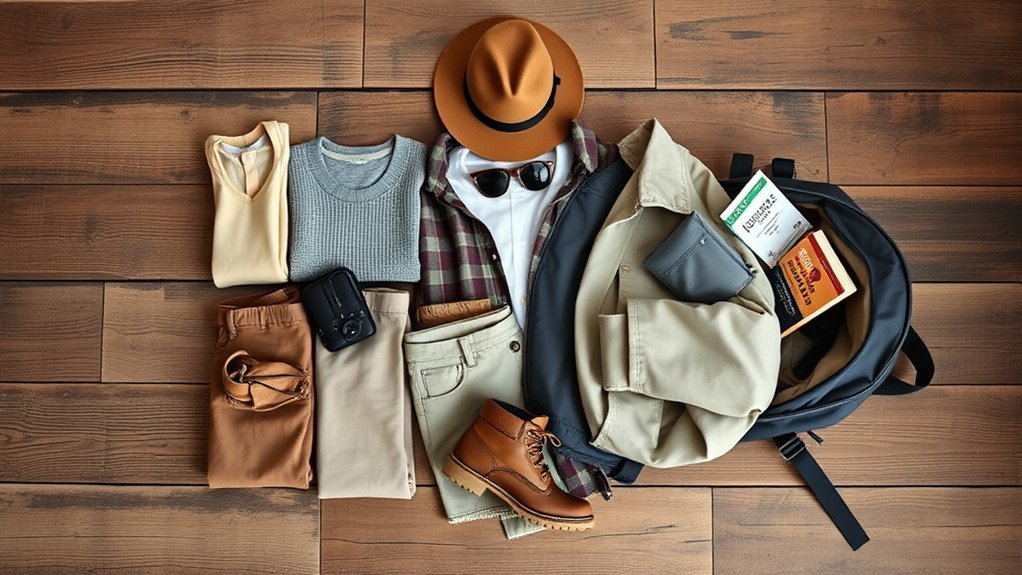
A travel capsule wardrobe helps you carry fewer clothes without leaving important needs behind. The best capsule is built around your destination, expected weather, planned activities, dress requirements, and laundry access. Instead of following one rigid packing formula, choose a small group of pieces that layer well, coordinate easily, and feel comfortable after hours of walking.
Quick Answer
Build a travel capsule wardrobe by checking the forecast and itinerary, choosing two neutrals plus one accent, and packing pieces that layer and work in at least three outfits. For a 7–10-day trip with laundry, a practical starting point is 4–5 tops, 3 bottoms, 2 layers, and 2 pairs of shoes.
Key Takeaways
- Choose clothing for the actual weather, activities, cultural expectations, and laundry schedule.
- Require most garments to work with at least three other pieces in the capsule.
- Use layers instead of packing a separate heavy outfit for every temperature.
- Limit footwear to two pairs unless a specific activity genuinely requires a third.
- Test-wear every item and carry the fully packed bag before departure.
At a Glance
| Time Required | 30–60 minutes to plan, test outfits, and pack |
| Difficulty | Easy to moderate |
| Tools Needed | Itinerary, weather forecast, laundry plan, backpack or suitcase, and an optional luggage scale |
| Cost | $0 when using clothing you already own; more only if you replace a genuine wardrobe gap |
Disclosure: As an Amazon Associate I earn from qualifying purchases. Some links on this page are affiliate links, at no extra cost to you.
What Is a Travel Capsule Wardrobe?
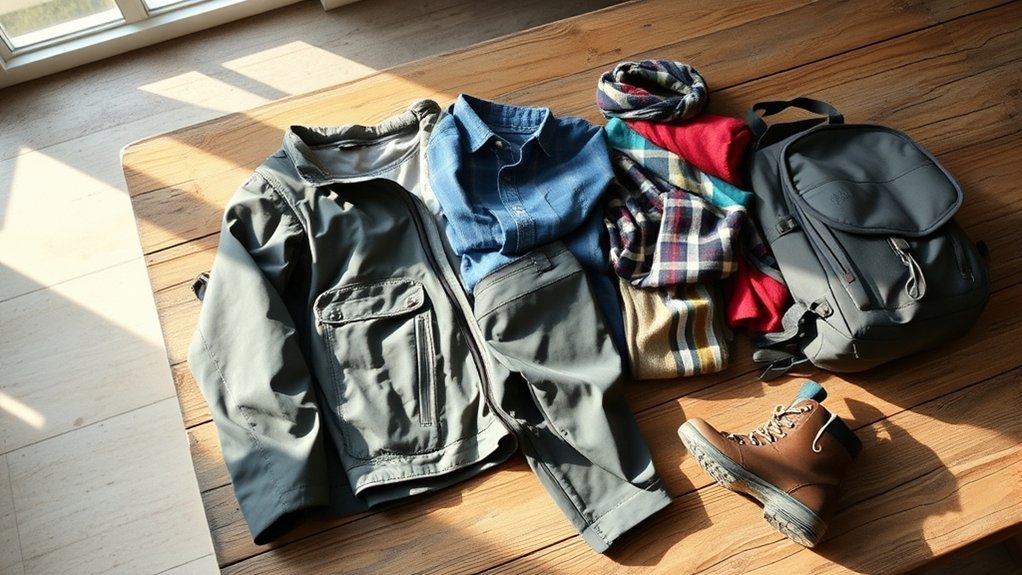
A travel capsule wardrobe is a small, carefully selected collection of clothing that can be mixed, matched, and layered. The purpose is not to own a particular number of garments. It is to remove pieces that duplicate the same job and keep the items that perform well throughout the trip.
Most pieces should meet at least three of these tests:
- They work in three or more complete outfits.
- They suit more than one activity, such as sightseeing, transit, and a casual meal.
- They can be layered without pulling, bunching, or restricting movement.
- They are comfortable enough to wear for several hours.
- They can be washed and dried within the time available.
- They coordinate with the main footwear and outer layer.
For example, four tops combined with three bottoms create 12 base pairings before you add a jacket, sweater, scarf, or other accessory. The combinations are not literally endless, but a coordinated capsule provides far more flexibility than the same number of unrelated garments.
Benefits of Packing Light With a Travel Capsule Wardrobe
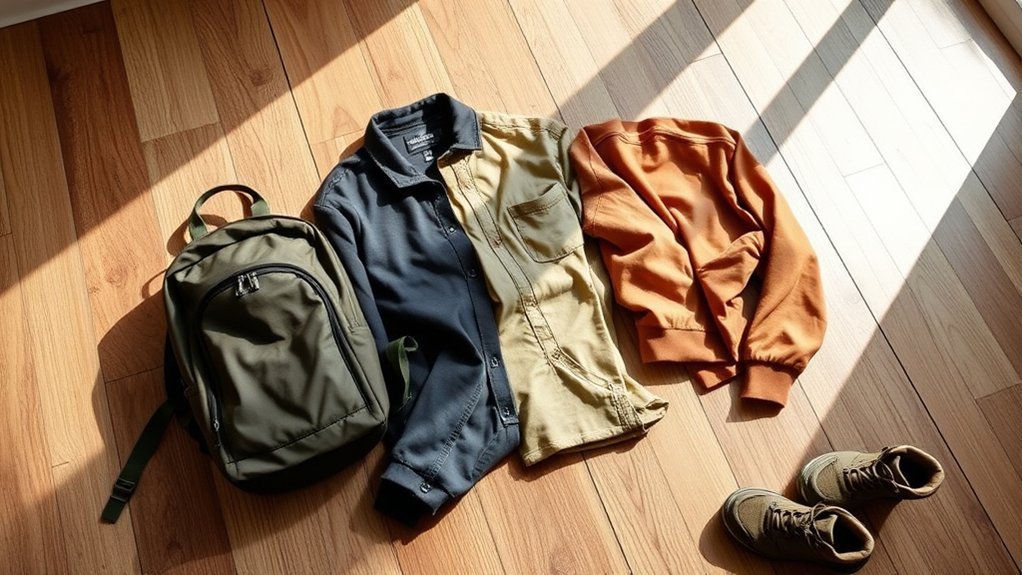
Packing light can make airports, trains, stairs, cobblestone streets, and frequent accommodation changes easier to manage. A well-planned capsule also reduces the time spent deciding what to wear because the main pieces already coordinate.
Other practical benefits include:
- Less weight: Removing duplicate and rarely used items reduces the load you carry.
- Faster packing: A repeatable list makes it easier to prepare for future trips.
- Simpler laundry: Compatible fabrics and colors can often be washed together, provided their care labels allow it.
- Better organization: Fewer garments make it easier to see what is clean, dirty, or ready to wear.
- More flexibility: Layering helps the same outfit work through changing temperatures.
- Room for essentials: A smaller clothing load leaves more space for medicine, weather gear, electronics, or souvenirs.
A successful capsule is not the smallest possible wardrobe. It is the smallest wardrobe that safely and comfortably supports the whole trip.
Essentials for a Travel Capsule Wardrobe
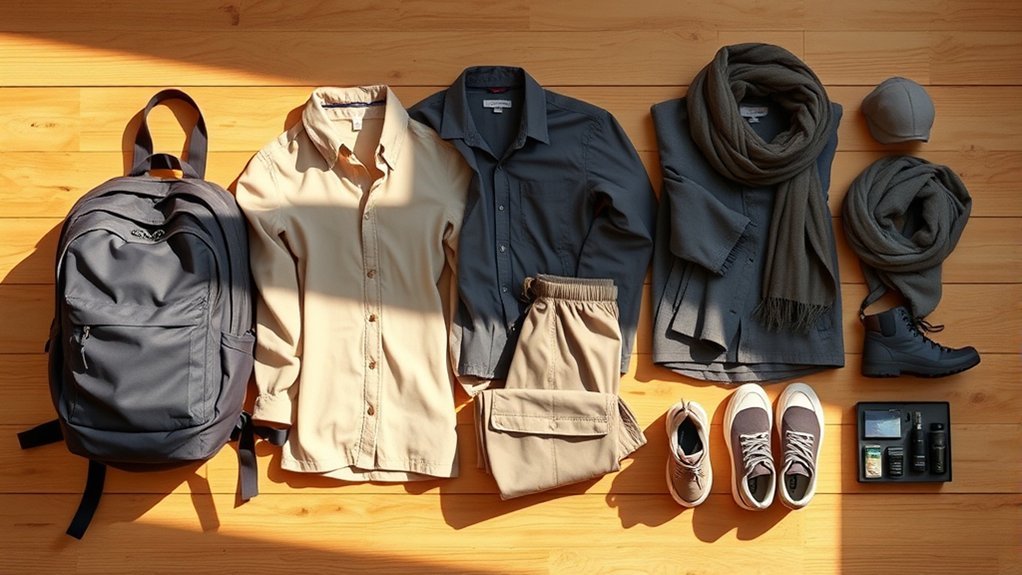
The exact pieces will change with the destination, but the original five clothing categories provide a useful foundation:
- Basic tops: Choose comfortable short- and long-sleeve tops that coordinate with every bottom. Include one slightly dressier top when the itinerary calls for it.
- Versatile bottoms: Pack trousers, shorts, jeans, a skirt, or hiking pants according to the weather and activities. Avoid bringing several bottoms that serve the same purpose.
- Lightweight jacket or sweater: Use a midlayer for warmth and a separate shell when wind or rain is likely.
- Classic dress or smart-casual outfit: A simple dress can move from sightseeing to dinner, but coordinated separates can fill the same role.
- Comfortable footwear: Select shoes for the actual terrain and test them before the trip. Foot pain can make a technically stylish capsule unusable.
A complete capsule also needs enough underwear and socks to reach the next laundry opportunity, suitable sleepwear, and any activity-specific item such as swimwear, thermal underwear, a sun shirt, or conservative clothing for religious or cultural sites.
Products Worth Considering

𝗔𝗹𝗹-𝗗𝗮𝘆 𝗖𝘂𝘀𝗵𝗶𝗼𝗻𝗶𝗻𝗴: Designed with plush insoles, these womens shoes deliver soft support step after step. Perfect as everyday womens sneakers or stylish tennis shoes womens can wear comfortably from workdays to weekends.

Sample Travel Capsule Wardrobe for 7–10 Days
This sample assumes you can wash clothing every three or four days. Adjust quantities for your personal needs, climate, activity level, and drying conditions.
- 4–5 tops: Two everyday short-sleeve tops, one long-sleeve top, one active or sun-protective top, and one smart-casual option.
- 3 bottoms: Two everyday or active bottoms and one option suited to a nicer meal or local dress expectations.
- 1 dress or coordinated alternative: Optional when the existing tops and bottoms already cover formal or cultural needs.
- 2 layers: One insulating midlayer and one wind- or rain-resistant outer layer.
- 5 pairs of underwear: Pack more when laundry will be infrequent or drying will be slow.
- 4 pairs of socks: Include activity-appropriate socks and at least one dry spare pair for longer hikes.
- 1 sleep set: Choose something that can also serve as lounge clothing when appropriate.
- 2 pairs of shoes: One primary walking or trail pair and one lighter secondary pair.
- 1–3 small accessories: Examples include a scarf, belt, compact jewelry, sun hat, warm hat, or gloves.
Note: The trip length does not automatically determine the clothing count. A 14-day trip with reliable laundry may require less clothing than a 5-day trip with mud, rain, cold temperatures, and no drying space.
Products Worth Considering
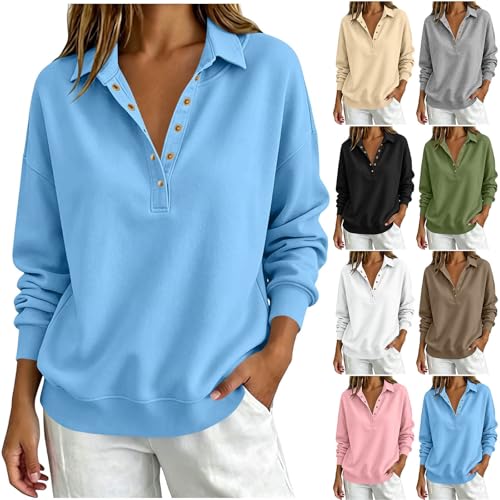
ULTRA SOFT LIGHT BRUSHED FLEECE:Balances warmth and air permeability, never feels stuffy during long hours of wear.

Soft Ribbed Stretch Fabric: Made from 60% polyester, 35% rayon, and 5% spandex, this pullover has a soft short-nap ribbed texture with comfortable stretch. The cozy surface gives womens sweaters an easy everyday feel without adding a bulky look.

Finding Your Fit: Ensure you find your ideal size by referring to our size chart in pictures 5 or by watching our sizing guide video.We recommend machine washing in cold water, line drying, and avoiding bleach for maintenance
How to Plan Your Travel Capsule Wardrobe
1. Review the Weather and Itinerary
Check the normal seasonal conditions while planning, then review the short-range forecast shortly before departure. Record the expected daytime high, nighttime low, rain, wind, humidity, and elevation changes.
List every activity that needs special clothing, including hiking, swimming, cycling, business meetings, religious sites, fine dining, or cold early-morning transportation. If your trip includes hiking or remote outdoor travel, the National Park Service Ten Essentials guidance recommends carrying extra clothing suitable for the most extreme conditions you could reasonably encounter.
2. Check Baggage and Laundry Limits
Confirm the dimensions and weight allowance for every operating airline. Do not assume that a pack accepted on one flight will be accepted on another. The International Air Transport Association notes that baggage rules can vary by airline, cabin class, and aircraft size.
Next, decide when and where you can wash clothing. Hotel laundry, a laundromat, a sink, and a campsite wash routine provide very different drying times. Pack enough base layers, underwear, and socks to reach the next realistic wash day plus one spare set.
3. Choose a Cohesive Color Palette
A simple system is to choose two neutrals and one accent color. For example:
- Navy and gray with rust
- Black and tan with green
- Brown and cream with blue
Your shoes, jacket, and main bottoms should coordinate with nearly every top. Patterns can work well, but test them next to the other pieces rather than assuming the colors match.
4. Select Fabrics for the Conditions
Choose fabric by climate and activity instead of relying on one universal “travel fabric.” For cold or wet outdoor conditions, the CDC Yellow Book recommends layers using materials such as merino wool, nylon, and polyester, with a windproof and waterproof outer layer where appropriate. For hot weather, loose, lightweight clothing that protects against sun and insects may be more useful.
Check every garment’s care label before relying on sink washing or machine drying. Avoid packing a delicate item that cannot be cleaned using the facilities available during the trip.
5. Build a Layering System
A flexible system normally includes:
- Base layer: Worn next to the skin to manage comfort and moisture.
- Midlayer: A fleece, sweater, overshirt, or light insulated jacket for warmth.
- Outer layer: A wind- and rain-resistant shell selected for the expected conditions.
Try all three layers together. Each piece may fit well alone but become tight when stacked.
6. Limit and Test Your Footwear
Footwear should match the surface, distance, weather, and load. The National Park Service hiking guidance recommends sturdy rubber-soled footwear for dirt and gravel trails and appropriate walking shoes for paved urban routes.
Wear each pair on a walk similar to the planned activity. Check for heel slipping, toe pressure, rubbing, wet-weather traction, and compatibility with your chosen socks. Do not make an untested pair your only walking shoe.
7. Test Every Outfit
Lay out each complete outfit, including shoes and outer layers. Remove any item that:
- Works with only one outfit
- Duplicates another item without adding a needed function
- Requires special care you cannot provide
- Feels uncomfortable when sitting, climbing stairs, or carrying a backpack
- Does not suit any confirmed activity
Pro Tip: Take a photo of each approved outfit before packing. The photos provide a quick visual menu during the trip and expose pieces that do not coordinate as well as expected.
How to Adapt the Capsule to Weather and Activities
Products Worth Considering

Gets iconic by Stylish design, Cycorld hiking pants for women have 3 ways to wear,offering convenient and relaxed style.

【Quick-Dry Comfort】Quick-dry, lightweight and water-resistant fabric keeps you cool, dry and comfortable during hiking, camping, travel and hot-weather outdoor adventures.

UPF 50+ fabric helps protect your skin during long days on the trail, at camp, or exploring outdoors in warm sunny conditions
Hot and Humid Destinations
- Choose loose, breathable clothing that dries within the available time.
- Pack sun-protective coverage for long periods outdoors.
- Allow extra tops or plan more frequent washing when sweating is heavy.
- Include a light layer for strong indoor air conditioning.
Cool or Cold Destinations
- Prioritize a reliable base, insulating midlayer, and protective outer shell.
- Include a warm hat, gloves, and suitable socks when the forecast requires them.
- Avoid relying on one bulky garment when several lighter layers provide better temperature control.
- Make sure the footwear has room for the socks you will actually wear.
Rainy Destinations
- Pack a tested rain shell rather than assuming a light sweater will be enough.
- Choose at least one pair of pants and one pair of shoes that can handle wet conditions.
- Carry a small bag for wet garments so they do not soak clean clothing.
- Plan additional drying time and avoid packing only slow-drying pieces.
Mixed City and Trail Trips
- Choose dark or neutral active pants that also look appropriate in town.
- Use an overshirt, cardigan, or scarf to make a simple trail outfit look more polished.
- Select footwear based on the most demanding confirmed activity, not the best-case route.
- Bring a separate technical item only when a normal travel garment cannot perform safely.
Packing Strategies and Tips for Backpacking
Effective packing strategies make clothing easier to find and keep the load manageable. The goal is not to force every trip into the same formula but to organize the approved capsule efficiently.
Pack for the hardest confirmed condition on the itinerary, then remove anything that merely duplicates another item’s job.
- Use the 54321 method as an optional memory aid: One version uses 5 tops, 4 bottoms, 3 pairs of shoes, 2 layers, and 1 accessory. Versions vary, and three pairs of shoes may be more than a lightweight trip needs.
- Treat 30 liters as an option, not a guarantee: A lightweight 30-liter backpack may suit a short, warm-weather, minimalist trip. Cold-weather clothing, camping gear, or specialized equipment may require more space.
- Roll soft items: T-shirts, underwear, and flexible activewear often pack neatly when rolled.
- Fold structured garments: Shirts, trousers, or dresses that crease easily may travel better folded or placed in a packing folder.
- Use packing cubes for organization: Cubes separate categories and simplify unpacking, but they do not reduce the actual weight of your belongings.
- Wear bulky items during transit: A jacket or primary walking shoe can save bag space when it remains comfortable through security lines and long travel days.
- Place dense items close to your back: Keep heavier items centered and stable rather than allowing them to pull from the outside of the pack.
- Test the full load: Walk for at least 20–30 minutes, climb stairs, and lift the bag into an overhead-height position when air travel is planned.
Note: A clothing capsule is only one part of an overnight wilderness-backpacking load. Shelter, sleep equipment, food, water, navigation, emergency supplies, and other essentials require separate space and planning.
Washing and Storing Clothes While Backpacking
Follow the garment care label and use the facilities available whenever possible. For sink washing, fill a clean basin or sturdy waterproof wash bag with water, add a small amount of detergent, gently agitate the garment, and rinse it thoroughly.
Do not aggressively wring delicate or stretchy clothing. Instead, press out excess water, lay the garment on a towel, roll the towel, and press again. Hang the item where airflow is allowed and make sure it is completely dry before sealing it in the backpack.
When flying from or within the United States, liquid detergent in carry-on baggage must comply with the TSA liquid-detergent limit. Powder or detergent sheets may be easier to portion, but they should remain clearly packaged.
Warning: Never wash clothing directly in a lake, river, or stream. According to Leave No Trace, even biodegradable soap can affect water quality. Wash at least 200 feet from natural water sources, minimize soap, dispose of wastewater as local rules require, and use designated facilities whenever available.
For dirty clothing, use one of these approaches:
- Washable laundry pouch: Good for separating dry dirty clothing from clean items.
- Odor-resistant dry bag: Useful when odor containment matters, but do not seal wet clothing for long periods.
- Mesh bag: Allows ventilation but does not contain odors; use it only when the garments are dry and airflow is desirable.
- Separate packing cube: A simple choice for hotel and hostel travel when the cube can be washed after the trip.
Common Capsule Wardrobe Mistakes
- Packing for imaginary events: Do not bring several formal outfits when the itinerary contains only casual activities.
- Choosing pieces by appearance alone: Test comfort while walking, sitting, bending, and carrying the packed bag.
- Bringing too many shoes: Shoes take substantial space and often add more weight than another clothing layer.
- Ignoring drying time: A garment that stays wet for two days may not support a frequent-wash capsule.
- Using only one temperature layer: A single heavy coat can be too warm indoors and insufficient during wind or rain.
- Packing brand-new footwear: Even well-reviewed shoes can cause pressure or rubbing on your feet.
- Forgetting local dress expectations: Research religious sites, workplaces, restaurants, and regional customs before finalizing the list.
- Filling every available space: Leave room for food, water, weather gear, or items acquired during the trip.
Frequently Asked Questions
How do I choose a color palette for my capsule wardrobe?
Choose two neutral colors for your main bottoms, shoes, and outer layer, then add one accent color you enjoy wearing. Lay every piece together in natural light. Keep an item only when it coordinates with several other pieces rather than one specific outfit.
What is the best way to wash clothes while backpacking?
Use a sink, designated laundry facility, or sturdy waterproof wash bag and follow each garment’s care label. Use only a small amount of detergent, rinse well, press out water with a towel, and allow the garment to dry fully. Outdoors, wash at least 200 feet from natural water and follow local wastewater rules.
How can I store dirty clothes in my backpack?
Let damp clothing dry before packing it. Store dry dirty garments in a washable laundry pouch, separate packing cube, or odor-resistant dry bag. A mesh bag improves ventilation but does not contain odors, so choose the storage method according to whether airflow or odor control matters more.
What types of shoes are best for different terrains?
Use comfortable walking shoes for paved urban routes, trail shoes or trail runners for suitable maintained trails, and supportive hiking footwear when terrain, weather, load, or personal needs demand it. Fit and traction matter more than the label. Test the shoes with your planned socks before departure.
How do I pack for varying weather conditions?
Use a base layer, an insulating midlayer, and a wind- or rain-resistant outer layer. Add destination-specific items such as a sun hat, warm hat, gloves, rain pants, or thermal underwear only when the forecast and activities justify them. Recheck the forecast shortly before leaving.
How many clothes do I need for a one-week trip?
With one laundry opportunity, a practical starting point is 4–5 tops, 3 bottoms, 2 layers, enough underwear and socks to reach wash day, sleepwear, and 2 pairs of shoes. Increase or reduce the list according to weather, sweating, activity, dress requirements, and drying time.
Can a capsule wardrobe work for cold-weather travel?
Yes. Use fewer but more capable pieces: moisture-managing base layers, an insulating midlayer, a protective shell, suitable socks, and weather-appropriate accessories. Wear the bulkiest safe layer during transit and confirm that every layer fits comfortably when worn together.
Sources
- CDC Yellow Book: Adventure Travel — clothing materials, layering, weather protection, and activity-specific footwear.
- National Park Service: Ten Essentials — extra clothing and preparation for sudden weather changes.
- National Park Service: Hike Smart — terrain-appropriate footwear, socks, rain equipment, and outdoor preparation.
- International Air Transport Association: Travel and Baggage — airline-specific baggage size and weight rules.
- Transportation Security Administration: Liquid Detergent — carry-on restrictions for liquid laundry detergent.
- Leave No Trace: Dispose of Waste Properly — safe soap use and wastewater disposal away from natural water sources.
Conclusion
A travel capsule wardrobe works best when every piece has a clear purpose. Start with the weather, itinerary, laundry schedule, and baggage limits. Choose a coordinated color palette, build a flexible layering system, limit footwear, and test every outfit before departure. With those steps, you can pack light without sacrificing comfort, weather protection, or the clothing required for the activities ahead.
