

Last Updated on July 27, 2026 by Daniel Globe
Bed bugs (Cimex lectularius) are small, parasitic insects that feed primarily on human blood. These nocturnal pests are notorious for infiltrating homes, hotels, and multi-family residential buildings, causing severe distress and discomfort. Adult bed bugs are roughly the size of an apple seed, featuring flat, oval, reddish-brown bodies. Because of their flat shape, they easily slide into minute cracks and crevices, making detection and eradication notoriously difficult without a coordinated approach.
Quick Answer
Yes, bed bugs easily travel between apartments. They crawl through wall voids, electrical outlets, plumbing conduits, and shared hallways, or hitchhike on clothing, luggage, and shared laundry facilities. Preventing spread requires sealing wall penetrations, installing outlet gaskets, using bed interceptors, and notifying building management immediately for unit-wide treatment.
Key Takeaways
- Structural Migration: Bed bugs travel between adjacent units via pipe chases, shared walls, and electrical lines.
- Human-Assisted Spread: Hitchhiking on backpacks, laundry baskets, and secondhand furniture is a leading cause of new infestations.
- Proactive Defense: Installing outlet sealers, caulking baseboards, and placing interceptor cups under bed legs block primary migration routes.
- Building-Wide Control: Treating a single apartment in isolation rarely works; adjacent units must be inspected and treated simultaneously.
How Bed Bugs Travel and Spread
Understanding how bed bugs move is essential for keeping them out of your living space. These insects lack wings and cannot fly or jump, yet they disperse across large multi-story buildings with remarkable speed through two main mechanisms.
Human-Assisted Travel (Hitchhiking)
The primary mode of long-distance bed bug transportation is hitchhiking. Bed bugs cling to fabric, seams, and dark folds in personal belongings. When people move between infested spaces and clean environments, bed bugs tag along in:
- Luggage, suitcases, and duffel bags after hotel stays
- Backpacks, purses, and coats used on public transit
- Secondhand furniture, mattresses, and upholstered chairs
- Shared laundry hampers and clothing baskets
High-Risk Environments
Buildings with frequent occupant turnover experience the highest risk of bed bug introduction. Hotels, dormitories, hostels, multi-family apartment complexes, and short-term rentals see constant movement of people and luggage, providing endless opportunities for pests to re-enter clean spaces.
Structural Migration Between Walls
In multi-unit dwellings, bed bugs do not rely solely on hitchhiking. When an infestation grows or when pests are disturbed by improper chemical sprays, they actively disperse. Bed bugs crawl through wall voids, unsealed baseboards, plumbing penetrations under sinks, heating ducts, and electrical wire conduits to access neighboring units.
Can Bed Bugs Travel Between Apartments?

Yes, bed bugs routinely travel between apartments in multi-family housing complexes, condominiums, and townhomes. According to research from the U.S. Environmental Protection Agency (EPA), multi-unit structures face a unique challenge because wall cavities, shared utility lines, and common hallways act as highways for insect movement.
If an infestation in one apartment goes untreated, bed bugs will eventually spread to adjacent units above, below, and on either side. Furthermore, social interactions within multi-unit buildings—such as visiting neighbors, sharing laundry facilities, or picking up discarded furniture from common areas—dramatically increase the chance of cross-contamination.
Warning: Never move discarded furniture or mattresses from building dumpsters or hallways into your unit. Upholstered items placed outside by neighbors are frequently infested with live bed bugs and eggs.
Factors That Affect Bed Bug Travel
| Factor | Impact on Travel & Dispersal |
| Temperature | Bed bugs are most active between 70°F and 80°F (21°C–27°C). Warm indoor temperatures accelerate breeding cycles and mobility, while extreme cold or heat reduces movement. |
| Host Availability | If a host leaves an apartment vacant, hungry bed bugs will actively migrate through walls and under doors searching for carbon dioxide cues from nearby neighbors. |
| Clutter & Hiding Spots | Excessive clutter against walls creates continuous pathways and hiding spots, making detection difficult and encouraging movement across rooms. |
| Building Density | High-density apartment complexes with shared heating pipes, drop ceilings, and common hallways allow bugs to migrate shorter distances to find new hosts. |
Building construction and resident habits significantly influence spread rates. When occupants attempt DIY extermination with repellents or bug bombs (foggers), they often end up scattering bed bugs deeper into wall voids, accelerating their migration into neighboring apartments.
Prevention Strategies for Apartment Dwellers
Preventing bed bug entry requires a combination of physical barriers, habit changes, and early inspection tactics.
Products Worth Considering

Premium Mattress Encasement: Designed to perfectly fit Queen size mattresses measuring 60 inches by 80 inches, with an 12 inch deep pocket for a snug, secure fit.

Premium Mattress Encasement: Designed to perfectly fit Queen size mattresses measuring 60 inches by 80 inches, with an 10 inch deep pocket for a snug, secure fit.

Premium Mattress Encasement: Designed to perfectly fit Twin size mattresses measuring 39 inches by 75 inches, with an 12 inch deep pocket for a snug, secure fit.
1. Seal Physical Penetrations
- Caulk Baseboards: Apply 100% silicone sealant along baseboard gaps and flooring cracks along shared walls.
- Install Outlet Gaskets: Place foam insulation gaskets behind light switches and electrical outlet faceplates, then install safety caps on unused plugs.
- Seal Pipe Escutcheons: Seal gaps around radiator pipes and plumbing conduits under kitchen and bathroom sinks using expandable spray foam or silicone caulk.
2. Create Protective Isolation Zones
- Install Bed Interceptors: Place climb-up pitfall interceptors under all bed legs and sofa feet. These dual-ring plastic cups trap bugs trying to climb up to feed or escape down to the floor.
- Encase Mattresses: Encapsulate mattresses and box springs with lab-tested, bed-bug-proof zippered encasements to prevent insects from nesting inside core materials.
- Keep Furniture Away from Walls: Maintain a 2- to 3-inch gap between beds or upholstered couches and surrounding walls.
Pro Tip: When using shared laundry facilities in apartment buildings, transport clothes in sealed plastic bags. Wash and dry items on high heat (at least 120°F / 49°C for 30 minutes) to eliminate all life stages, including eggs.
Early Detection Methods in Apartments

Early identification prevents a localized introduction from escalating into a building-wide infestation. Inspect your sleeping areas bi-weekly for these key visual indicators:
- Fecal Spotting: Small, dark brown or black ink-like dots on mattress seams, sheets, or headboards.
- Shed Exoskeletons: Translucent amber-colored skins shed by growing nymphs.
- Blood Stains: Tiny rusty smears on bed sheets caused by accidentally crushing fed bugs.
- Live Insects: Oval, reddish-brown bugs resting inside mattress tufts, behind headboards, or along frame joints.
For high-risk environments, landlords and property managers often hire trained canine detection teams. According to the Centers for Disease Control and Prevention (CDC), certified bed bug scent-detection dogs can locate low-level infestations behind drywall and baseboards with high accuracy where visual inspections fall short.
Products Worth Considering

Partially enclosed trap, designed with a see-through window
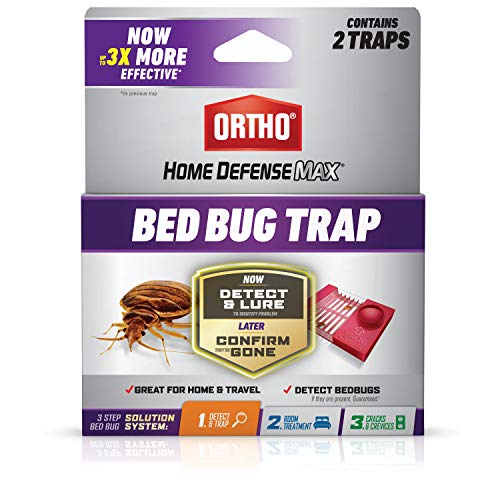
DETECT & TRAP BED BUGS: Detect and lure bed bugs from their hiding places with Ortho Home Defense Bed Bug Traps

EARLY BED BUG DETECTION — Identify early, so you can treat quickly. EcoPest Bed Bug Detector traps will alert you to a bed bug problem before an infestation starts. Bed bugs can reproduce rapidly, allowing infestations to quickly grow and spread. Identifying bed bugs early will allow you to take appropriate measures and end the bed bug cycle before it starts.
Treatment and Integrated Pest Management (IPM)
Because bed bugs travel between walls, treating a single unit in isolation rarely resolves a multi-family infestation. Effective eradication requires an Integrated Pest Management (IPM) approach coordinated by property management.
“Managing bed bugs in multi-family housing demands a building-wide strategy. Inspecting surrounding units—above, below, and adjacent—is critical to stopping structural re-infestation.”
Products Worth Considering
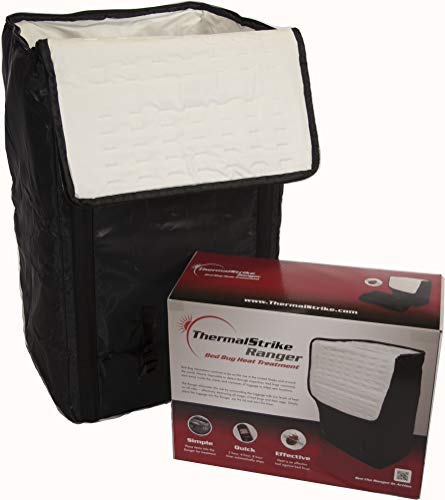
[Lethal Heating System] ThermalStrike uses a patented six-sided heating system that surrounds and destroys bed bugs, carpet beetles, moths, and other insects – including eggs, larvae, and adults. Heat in excess of 120 degrees penetrates deep into cracks and small openings.

Upgraded and reliable heating system that quickly reaches 120-155F in minutes and effectively treats bed bugs at all life stages

HIGHLY EFFECTIVE, PLANT-POWERED BED BUG KILLER: EcoVenger Bed Bug Killer uses a patented blend of botanical insecticidal compounds to combat tough insects. A published university study ranks it as the #1 most effective natural product against bed bugs among 12 products tested, outperforming traditional pesticides.
Professional Remediation Methods
- Whole-Structure Heat Treatment: Industrial heaters raise unit temperatures to 120°F–135°F (49°C–57°C), penetrating walls, furniture, and mattresses to kill bugs and eggs in a single session.
- Targeted Insecticides & Desiccants: Licensed pest control technicians apply non-repellent liquid treatments and dusts (such as silica gel or diatomaceous earth) inside wall voids, switch boxes, and baseboard crevices.
- Steam Treatment: Commercial dry steam units deliver lethal temperatures deep into soft furnishings, carpet edges, and frame joints.
hooks
Tenant Actions During Remediation
If your unit or a neighboring apartment is being treated, assist the process by clearing clutter, laundering all bedding on high heat, vacuuming carpet perimeters thoroughly, and disposing of vacuum bags immediately in outdoor trash containers.
Conclusion and Summary
Bed bugs are highly persistent pests capable of traveling between apartments through wall voids, utility conduits, shared hallways, and personal belongings. Stopping their spread requires tenant vigilance, physical preventative measures like sealing cracks and using interceptors, and open communication with building management.
If you suspect bed bugs in your apartment or notice activity in a neighboring unit, report it to your landlord or property manager immediately. Rapid, professional intervention that addresses adjacent units is the most effective way to eliminate infestations and protect multi-family living environments.
Frequently Asked Questions
What are bed bugs?
Bed bugs (Cimex lectularius) are small, wingless, reddish-brown insects that feed on human and animal blood. They are nocturnal and hide in dark cracks, mattress seams, and furniture during the day.
Can bed bugs travel from apartment to apartment?
Yes. Bed bugs move easily between apartments by crawling through wall cavities, plumbing conduits, electrical wiring runs, and under hallway doors, as well as hitchhiking on personal items.
How fast do bed bugs spread between units?
An adult bed bug can crawl up to 4 feet per minute. If a neighboring unit is vacant or untreated, bed bugs can disperse into adjacent apartments within weeks seeking a new host.
What are the primary signs of a bed bug infestation?
Common signs include itchy bite welts on your skin, small reddish-brown dark spots on sheets or mattress seams, shed insect skins, and live bugs in bed frames or headboards.
How can I prevent bed bugs from spreading into my apartment?
Seal gaps around pipes and baseboards with silicone caulk, install foam outlet gaskets behind faceplates, place bed interceptor traps under bed legs, and inspect secondhand items thoroughly before bringing them inside.
What should I do if my neighbor has a bed bug infestation?
Notify your property manager or landlord immediately in writing so they can inspect surrounding units. Install bed interceptors and mattress encasements in your unit, seal wall entry points, and avoid sharing laundry hampers or visiting the affected unit.
Sources
- U.S. Environmental Protection Agency (EPA) — Bed Bugs in Apartments & Multi-Unit Housing Guidelines
- Centers for Disease Control and Prevention (CDC) — Bed Bug Health Information & Inspection Standards
- University of Kentucky Department of Entomology — Bed Bug Dispersal, Prevention, and Control in Multi-Family Dwellings
