
Last Updated on July 24, 2026 by Tyler Morgan
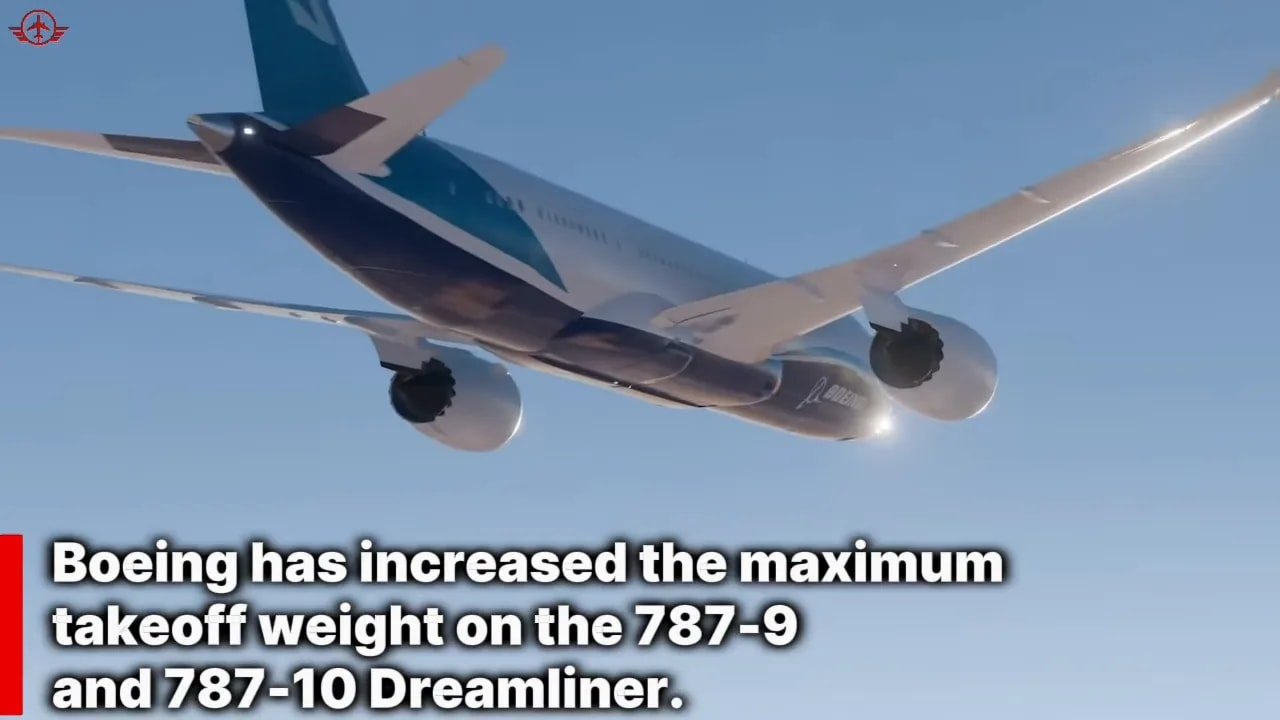
Boeing’s latest 787 Dreamliner upgrade is not a new aircraft model. It is an FAA-certified increase in maximum takeoff weight for the 787-9 and 787-10, giving airlines more flexibility to carry payload, fuel, or both. The change can improve long-haul route economics without forcing an airline to introduce a separate aircraft family.

Quick Answer
Boeing increased the certified maximum takeoff weight of the 787-9 and 787-10. The 787-9 can gain about 3 metric tons of payload or more than 560 kilometers of range, while the 787-10 can gain about 5 metric tons or more than 740 kilometers. Boeing announced FAA certification in March 2026.
Key Takeaways
- The upgrade applies to the Boeing 787-9 and 787-10, not the smaller 787-8.
- The gain is different for each variant: about 3 metric tons or 560 kilometers for the 787-9, and about 5 metric tons or 740 kilometers for the 787-10.
- Extra takeoff weight does not automatically mean extra cargo. Airlines can trade the added capacity among fuel, passengers, bags, freight, and operating reserves.
- Boeing announced FAA certification on March 23, 2026, and the first aircraft with the capability moved into delivery activities.
- The 777-9 remains a separate new-aircraft program, with Boeing targeting first delivery in 2027.
Disclosure: As an Amazon Associate I earn from qualifying purchases. Some links on this page are affiliate links, at no extra cost to you.
What Boeing Changed on the 787-9 and 787-10
The core change is an increase in maximum takeoff weight, often shortened to MTOW. MTOW is the highest approved weight at which an aircraft may begin its takeoff roll. It includes the airplane, passengers, baggage, cargo, fuel, crew, catering, and other items on board.
According to Boeing’s March 2026 certification update, the increased-MTOW option gives each variant a different performance gain.
| Variant | MTOW Increase | Approximate Extra Payload | Approximate Extra Range |
|---|---|---|---|
| 787-9 | About 10,000 lb (4,540 kg) | About 3 metric tons | More than 300 nautical miles (560 km) |
| 787-10 | About 14,000 lb (6,350 kg) | About 5 metric tons | More than 400 nautical miles (740 km) |
Boeing’s current 787 technical specifications list a maximum takeoff weight of 259,220 kg for the 787-9 and 260,360 kg for the 787-10. These are certified limits, not a promise that every flight can use the full theoretical range or payload gain.
Why More Range or More Payload Matters
A higher takeoff limit gives airlines more room to build a workable flight plan. The airline may use that room for additional fuel, more revenue payload, or a combination of both. This is a payload-range trade-off, not two benefits that always arrive together at their maximum values.
When Extra Range Is More Valuable
Additional range can help on routes that sit close to an aircraft’s normal operating limit. It may support a longer nonstop service, reduce the need for a payload restriction, or give planners more margin for strong headwinds and required fuel reserves.
A few hundred extra kilometers can matter on a marginal route, but the published figure should not be treated as a guaranteed extension for every airline. Actual range depends on cabin layout, engine choice, weather, runway length, airport elevation, air traffic routing, reserve-fuel rules, and the payload carried on that flight.
When Extra Payload Is More Valuable
On an established route, an airline may keep the same distance and use more of the takeoff allowance for revenue payload. That payload can include freight, passengers, checked bags, mail, or other items. Belly cargo can improve route revenue, but the aircraft may not always have enough cargo volume to use the full weight increase.
The upgrade gives airlines a larger operating envelope. It does not remove the normal trade-off between fuel, payload, weather margin, and airport limits.
The Biggest Advantage Is Fleet Commonality
The enhanced aircraft remain 787-9s and 787-10s. Airlines do not have to introduce a separate aircraft family, build an entirely new maintenance organization, or redesign their network around an unfamiliar model.
That commonality can reduce transition cost compared with adding a new type. Pilots, engineers, dispatchers, and ground teams already understand the 787 platform. Spare-parts planning, simulators, maintenance facilities, and operating procedures also remain within the same aircraft family.
Note: Commonality does not mean zero preparation. An airline may still need updated performance software, weight-and-balance data, manuals, dispatch procedures, airport analysis, crew notices, and approvals from its aviation regulator before using the higher certified weight.
The practical benefit is therefore not “no change.” It is a smaller and more manageable change than introducing a completely new aircraft model.
Certification and Delivery Status in 2026
Boeing announced on March 23, 2026 that the U.S. Federal Aviation Administration had certified the increased maximum takeoff weight for the 787-9 and 787-10. Boeing said the first aircraft built with the capability were moving through ticketing and delivery activities at that time.
Boeing also said all 787-9 and 787-10 aircraft assembled from December 2025 onward are structurally capable of the higher weight. Airlines can choose whether to activate the certified capability at delivery or later. That choice matters because a higher certified operating weight can affect airport charges and route planning.
Air New Zealand was identified as one of the first operators expected to use the higher-weight 787-9. Its interest is especially relevant because the airline operates long routes where extra payload margin can help reduce restrictions.
Pro Tip: When comparing aircraft range claims, check whether the number refers to maximum brochure range, a specific airline configuration, or an incremental gain from a higher certified weight. Those figures answer different questions.
How the 787 Upgrade Differs From the 777X Program
The 787 change improves an aircraft family that is already widely operated. The 777-9 is a new model still completing its certification campaign, so airlines face a larger entry-into-service process that includes training, manuals, spare parts, simulator readiness, maintenance planning, and fleet induction.
As of July 16, 2026, Boeing reported that the 777-9 test fleet had completed more than 4,800 flight-test hours and about 1,700 flights, with roughly 50% of planned certification testing complete. Boeing said most Type Inspection Authorizations had been granted, while some major test and ETOPS-related work remained. The company continues to target first delivery in 2027.
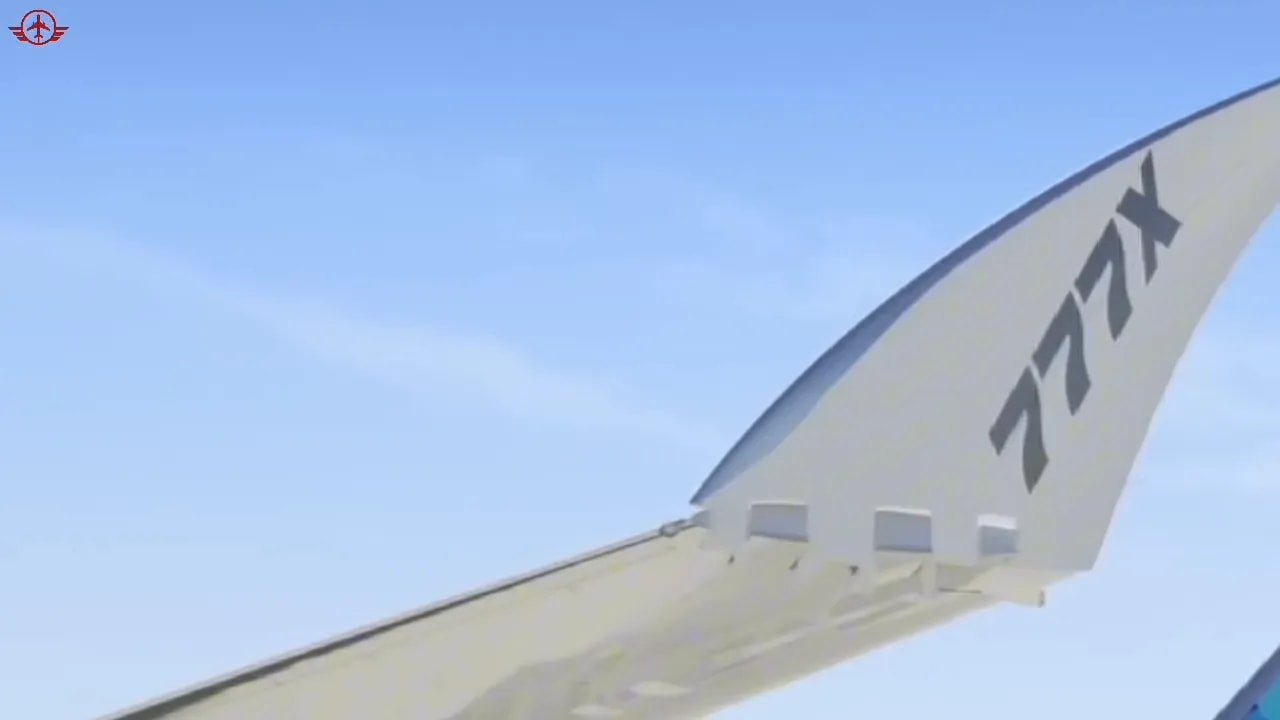
The contrast is clear. The 787 upgrade offers a near-term capability increase within an established fleet. The 777-9 promises a larger step in capacity and technology, but it also requires certification of a new model and a more complex airline introduction.
Why Airlines May Prefer the Enhanced 787 Right Now
Airlines are balancing fleet shortages, maintenance needs, fuel costs, financing, staffing, and uncertain demand. In that environment, an improvement to an aircraft already in the fleet can be easier to use than a new model with higher transition costs.
The increased-MTOW 787 can help an airline:
- carry more revenue payload on an existing long-haul route;
- reduce payload restrictions on demanding missions;
- consider longer nonstop routes;
- adjust the balance between fuel and payload by market;
- gain capability without introducing another aircraft family.
The financial result will vary by route. Cargo prices, passenger demand, airport fees, fuel burn, financing cost, and schedule reliability all affect whether activating the higher weight creates a worthwhile return.
What This Says About Boeing’s Product Strategy
The upgrade shows the value of improving an established platform. Boeing responded to airline requests for more flexibility and certified a change that airlines can activate according to their network needs.
It is reasonable to view this as a lower-risk product-development move, but one upgrade alone does not prove a complete change in Boeing’s corporate strategy. The stronger conclusion is narrower: Boeing is using the existing 787 design to add payload and range capability while the more complex 777-9 program continues through certification.
How the Upgrade Could Affect Long-Haul Route Planning
Network planners may use the higher-weight 787s to study routes that previously required a payload limit or sat just outside a comfortable operating margin. They may also assign the aircraft to cargo-heavy services where additional weight capacity produces more revenue.
Possible uses include:
- launching a longer nonstop route when the full operating analysis supports it;
- carrying more cargo or baggage on an existing route;
- reducing the number of days when weather forces a payload restriction;
- improving flexibility on flights with strong seasonal winds;
- matching each 787 variant more closely to its mission.
However, route feasibility is never based on MTOW alone. Airlines must also study takeoff and landing performance, runway conditions, obstacle clearance, diversion airports, maintenance support, crew rules, traffic rights, demand, and profitability.
What Passengers Are Likely to Notice
Passengers may not see any obvious cabin difference because the upgrade is mainly a certified operating-weight change. The aircraft can use the same general cabin products, systems, and exterior design.
The indirect effects may be more noticeable. An airline could offer a new nonstop route, carry more checked baggage or freight without a restriction, or operate a difficult route more consistently. Those benefits depend on how the airline chooses to use the extra capability.
Important Limits to the Published Performance Gains
- The figures are variant-specific. The 787-9 and 787-10 do not receive the same payload or range increase.
- Payload is not the same as cargo. Payload includes passengers, bags, freight, and other revenue items.
- Range and payload are a trade-off. An airline cannot assume it will receive the maximum extra range and maximum extra payload at the same time.
- Not every aircraft automatically uses the higher limit. The operator must choose and approve the certified weight for the airplane.
- Airport limits still apply. Runway performance, pavement ratings, weather, elevation, and local charges can affect how the capability is used.
- Real-world range varies. Airline configuration, reserves, winds, routing, and operating rules can reduce or increase practical performance.
The Real Lesson From the Boeing 787 Upgrade
The increased maximum takeoff weight is a quiet change with meaningful business value. It gives the 787-9 and 787-10 more flexibility without turning them into new aircraft types. Airlines can use the added margin for fuel, payload, or a mix that better suits a route.
The most important point is precision. The 787-9 gains about 3 metric tons of payload or more than 560 kilometers of range. The 787-10 gains about 5 metric tons or more than 740 kilometers. The FAA has certified the change, and the first capable aircraft have entered the delivery process.
For passengers, the jet may look the same. For airline planners, the higher certified weight can change which routes are practical, how much payload can be carried, and how the aircraft fits into a long-haul network.
Frequently Asked Questions
What exactly did Boeing change on the 787?
Boeing increased the FAA-certified maximum takeoff weight of the 787-9 and 787-10. This gives airlines a larger approved weight allowance for fuel and payload.
How much more range does the upgraded 787 offer?
Boeing says the 787-9 can gain more than 300 nautical miles, or about 560 kilometers. The 787-10 can gain more than 400 nautical miles, or about 740 kilometers. Actual route performance depends on payload, weather, configuration, and operating rules.
How much extra payload can the enhanced Dreamliner carry?
The 787-9 can gain about 3 metric tons of payload, while the 787-10 can gain about 5 metric tons. These are approximate mission benefits, not a guarantee for every flight.
Is the extra payload always cargo?
No. Payload can include passengers, checked bags, freight, mail, and other items. The added takeoff weight can also be used for fuel, so the airline decides how to divide the benefit for each mission.
Has the higher-weight 787 been certified?
Yes. Boeing announced on March 23, 2026 that the FAA had certified the increased maximum takeoff weight for the 787-9 and 787-10.
Can airlines activate the higher weight later?
Boeing says 787-9 and 787-10 aircraft assembled from December 2025 onward are structurally capable of the higher weight. Airlines can choose to activate the certified capability at delivery or later, subject to the required operational approvals and documentation.
Does the upgrade require a completely new fleet type?
No. The aircraft remain part of the 787 family. Airlines may still need updated manuals, performance data, procedures, software, training notices, and regulator approvals before operating at the higher weight.
How does the 787 upgrade compare with the 777X?
The 787 change is an upgrade to an aircraft family already in service. The 777-9 is a new model still completing certification. Boeing reported in July 2026 that about half of planned certification testing was complete and that first delivery remained targeted for 2027.
Sources
- Boeing: FAA clears higher takeoff weight for 787-9 and 787-10: certification date, variant-specific MTOW increases, payload gains, range gains, production status, and activation details.
- Boeing 787 Dreamliner technical specifications: current maximum takeoff weights, range figures, and family specifications.
- Boeing: 777-9 certification progress, July 2026: current flight-test totals, certification progress, remaining work, and the 2027 delivery target.
- Boeing first-quarter 2026 results: confirmation of FAA approval for the 787 weight increase and the company’s 777-9 delivery outlook.
- Federal Aviation Administration: Boeing airworthiness-certificate oversight update: current FAA oversight context for 737 MAX and 787 production certificates.


3 Comments
Pingback: Moisture-Wicking Travel Pillow Covers: Guide [2026]
Pingback: Does United Fly To St. Lucia? Complete Guide [2026]
Pingback: United Airlines WiFi: Pricing, Access & Tips [2026]