
Last Updated on July 25, 2026 by Daniel Globe
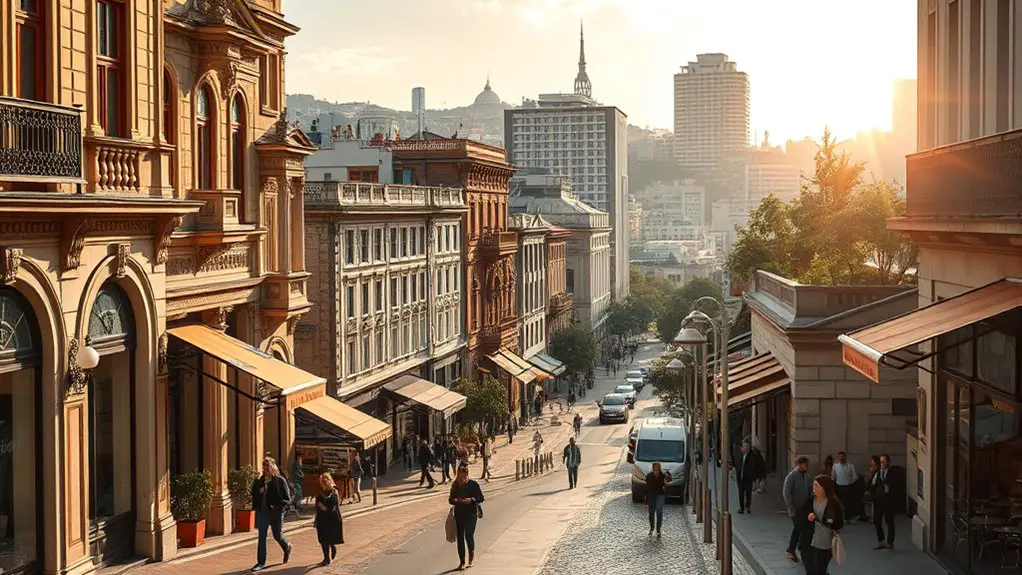
Nişantaşı gives photographers an unusually varied mix of green parkland, 19th-century architecture, fashion-focused streets, cafés, and everyday Istanbul street scenes within a compact area. The strongest places to start are Maçka Democracy Park, Teşvikiye Mosque, Abdi İpekçi Street, and the surrounding Teşvikiye and Valikonağı streets. A little planning matters, though, because some frequently listed “photo spots” are outside Nişantaşı or have photography restrictions.
Quick Answer
The best photo spots in Nişantaşı are Maçka Democracy Park for greenery and skyline layers, Teşvikiye Mosque for historic architecture, Abdi İpekçi Street for fashion and façades, and the Teşvikiye and Valikonağı side streets for urban scenes. Use Osmanbey as your transit gateway because photography inside Metro İstanbul stations requires permission.
Key Takeaways
- Start with Maçka Democracy Park, Teşvikiye Mosque, and Abdi İpekçi Street for the most varied Nişantaşı photo session.
- Early morning gives you quieter streets; late-afternoon and golden-hour light usually creates softer portraits and warmer architecture.
- Photograph Osmanbey at street level unless you have permission to shoot inside the Metro İstanbul station.
- Treat rooftop terraces as private venues: access, views, tripods, and commercial photography depend on each business’s current policy.
- Pera Museum is in Tepebaşı, Beyoğlu, not Nişantaşı, so plan it as a separate photography detour.
Disclosure: As an Amazon Associate I earn from qualifying purchases. Some links on this page are affiliate links, at no extra cost to you.
Best Nişantaşı Photo Spots at a Glance
| Spot | Best For | Best Light | Important Note |
|---|---|---|---|
| Maçka Democracy Park | Greenery, city layers, lifestyle shots | Morning or golden hour | Use paths and elevation changes for varied angles. |
| Teşvikiye Mosque | Historic architecture, symmetry, details | Morning or late afternoon | Respect worshippers and posted photography rules. |
| Abdi İpekçi Street | Fashion, façades, reflections, street scenes | Morning or late afternoon | Ask before making close-up portraits of strangers. |
| Teşvikiye, Valikonağı and Rumeli streets | Apartment façades, cafés, neighborhood details | Morning to late afternoon | Better verified targets than an unclear “Varyant Street” pin. |
| Rooftop terraces | Elevated portraits and skyline layers | Golden hour to blue hour | Private venue rules and access can change. |
| Osmanbey street level | Urban movement and commercial streets | Daytime or early evening | Metro station photography requires permission. |
| Şişli Mosque | Neo-Ottoman architecture and symmetry | Morning or late afternoon | A nearby Şişli stop rather than the heart of Nişantaşı. |
| Pera Museum | Historic façade, museum details, art | Daytime | Located in Beyoğlu, not Nişantaşı. |
The most reliable Nişantaşı photo plan is to build your route around good light and access rules rather than simply chasing a list of saved pins.
Maçka Democracy Park: Greenery and City Views
Maçka Democracy Park is one of the easiest places to add nature to a Nişantaşı photo walk. The official Visit Istanbul guide to Maçka Democracy Park places the park between Maçka and Nişantaşı and describes walking paths, recreational areas, greenery, and the Maçka–Taşkışla cable car.
The park works because the scene changes as you move. Wide lawns and mature trees can fill the frame in one direction, while higher sections can reveal urban buildings beyond the greenery in another. Instead of taking every picture from the main path, look for changes in elevation, curves in walkways, benches, and openings between trees.
For portraits, place your subject where the background includes both foliage and a hint of the surrounding city. For wider travel photographs, use the paths as leading lines. Morning usually gives you quieter frames, while late-afternoon light can add warmth and depth to the trees.
Pro Tip: Walk the park before choosing your final shooting position. A small change in elevation can turn a plain wall of trees into a layered frame with greenery in front and Istanbul’s buildings behind it.
Teşvikiye Mosque: Historic Architecture in the Heart of the Neighborhood
Teşvikiye Mosque is one of Nişantaşı’s most useful architecture photography stops, but its history is often described incorrectly online. According to the Istanbul Governorate’s Dijital İstanbul heritage guide, the first mosque on the site dates to 1794, while the present building was constructed on the same foundation in 1854 during Sultan Abdülmecid’s reign. Architect Krikor Amira Balyan combined Neo-Classical and Ottoman elements.
For photographs, concentrate on the tall façade, columns, large windows, single minaret, and the historic aiming stones associated with the development of the surrounding district. A centered composition works well for the façade, while a slight side angle can include nearby street life and show how the mosque sits inside modern Nişantaşı.
Morning light can make architectural details easier to isolate before the surrounding streets become busy. Later in the day, pedestrians and café activity create a more lived-in neighborhood scene.
Note: This remains an active place of worship. Avoid blocking entrances, photographing people during prayer without consent, or treating the interior as a studio. Follow posted instructions and staff guidance if you enter.
Abdi İpekçi Street: Fashion, Façades and Urban Portraits
Abdi İpekçi Street offers a different visual style from Maçka Park and Teşvikiye Mosque. Here, the strongest subjects are shopfront geometry, polished windows, elegant apartment façades, pedestrians, and the contrast between older buildings and contemporary retail design.
Reflections can be especially useful. Instead of photographing a storefront straight on, try placing the street or a passing pedestrian in the glass reflection. Vertical compositions work well for architecture, while a longer horizontal frame can capture several façades and the flow of the street.
For fashion-style portraits, use the architecture as context rather than allowing brand signs to dominate every photograph. Early morning is useful for cleaner backgrounds. Later in the day, you will find more pedestrian movement for street photography.
Note: Wide street scenes are different from making an identifiable close-up portrait of a stranger. For posed or close-range portraits, asking first is the respectful choice.
Teşvikiye, Valikonağı and Rumeli Streets: Better Hidden-Gem Backdrops
Some Nişantaşı photo lists refer to a “Varyant Street,” but that name is not a reliably verifiable photography destination in the neighborhood. Rather than searching for an unclear pin, spend that time exploring established streets around Teşvikiye Caddesi, Valikonağı Caddesi and Rumeli Caddesi.
These streets are better suited to the type of photographs the original “hidden street” idea promises: older apartment façades, balconies, trees, café windows, shop details, doorways, and changing layers of pedestrian traffic.
Look down side streets before walking past them. Narrower streets can compress façades into a dense urban frame, while corners give you opportunities to photograph people entering and leaving the scene instead of placing everyone directly in the center.
Details are often stronger than wide shots here. Photograph ironwork, signs, textured doors, balconies, reflections, and small architectural contrasts that show the neighborhood’s character without relying on a single famous landmark.
Nişantaşı Rooftop Terraces: Elevated Views With a Catch
Rooftop terraces can give you a higher perspective over Nişantaşı, but they should not be treated like permanent public viewpoints. Most are part of hotels, restaurants, or cafés, and access can depend on reservations, opening hours, events, weather, minimum-spend policies, and the venue’s rules on professional equipment.
Scenic Rooftop Compositions
When you find a terrace with an open view, resist the urge to shoot only the skyline. Stronger images often include a foreground element such as a table edge, plant, glass, architectural frame, or person.
Golden hour can help separate buildings from the sky, while blue hour is useful when city lights begin to appear. If the sky is much brighter than the foreground, expose for the highlights first and brighten shadows carefully later rather than losing all detail in the sky.
Photographing Drinks With a View
A coffee, mocktail, or dessert can work as a foreground subject, but the photograph should still communicate where you are. Move the glass or plate away from a cluttered table, keep some recognizable city detail behind it, and avoid extreme portrait-mode blur if it removes the sense of place.
Note: Ask the venue before setting up a tripod, light stand, large camera rig, or commercial shoot. A café allowing casual phone photos does not automatically mean it permits professional production.
Osmanbey: Photograph the Street, Not the Metro Station Without Permission
Osmanbey is a practical gateway to Nişantaşı on Istanbul’s M2 metro line, but the station itself needs an important qualification. Metro İstanbul’s published FAQ states that unauthorized photography and video recording in metro and tram stations are prohibited and that permission may be requested for photography or filming.
Warning: Do not plan an inside-the-station photo shoot at Osmanbey without authorization. Review Metro İstanbul’s current photography guidance before shooting in stations, platforms, or rail vehicles.
Urban Architecture Around the Exits
You do not need the station interior to find urban photographs. Once above ground, concentrate on street geometry, building lines, traffic, shopfronts, pedestrian crossings, and the transition between busy Şişli roads and the more polished streets leading into Nişantaşı.
A wide lens can exaggerate building lines, while a slightly longer focal length helps isolate individual pedestrians or compress several façades into one frame.
Street-Life Captures Above Ground
Osmanbey works best when you treat movement as the subject. Wait for a pedestrian to enter a clean patch of light, use reflections in shop windows, or frame people between buildings instead of photographing the crowd at random.
Slower shutter speeds can add controlled motion blur if you are comfortable with manual settings, but a phone’s live-photo or motion functions can also give you several frames to choose from.
Nearby Detour: Pera Museum Is in Beyoğlu, Not Nişantaşı
Pera Museum is worth photographing if your Istanbul itinerary extends into Beyoğlu, but it should not be listed as a Nişantaşı viewpoint. The museum’s official visitor information gives its address as Meşrutiyet Caddesi No.65, Tepebaşı–Beyoğlu.
The building itself is useful for architecture photography. It began life as the historic Bristol Hotel, and its preserved exterior façade contrasts with the modern museum interior. The museum also operates Pera Café, but the official visitor information does not describe it as a rooftop café with panoramic Golden Horn views.
Think of Pera Museum as a separate cultural-photo stop rather than something to squeeze into the middle of a Nişantaşı walking route. Check the museum’s current visitor and photography policies before photographing exhibitions.
Şişli Mosque: A Nearby Architectural Stop
Şişli Mosque is another useful architectural subject when you are already exploring the wider Şişli area. According to the Istanbul Governorate’s heritage guide, construction took place from 1945 to 1950 under architect Vasfi Egeli. The mosque uses a Neo-Classical Ottoman architectural language and includes a main dome, three semi-domes, stone walls, marble elements, and stained glass.
For exterior photography, look for symmetry around the entrance and use the minaret or dome to give vertical structure to the image. A slightly wider composition can show how the mosque sits within the dense modern Şişli streetscape.
As at Teşvikiye Mosque, remember that architectural interest does not override the building’s religious purpose. Keep entrances clear, avoid intrusive photographs of worshippers, and follow any posted restrictions.
A Simple 2–3 Hour Nişantaşı Photo Walk
A logical route prevents you from spending half your session crossing Istanbul instead of photographing it. A relaxed walk can be organized like this:
- Start near Osmanbey. Leave the station and take your first street-level photographs above ground rather than shooting inside the metro.
- Move toward Rumeli and Valikonağı. Use the apartment façades, storefronts, and intersections for urban compositions.
- Continue to Abdi İpekçi Street. Photograph fashion-oriented street scenes, reflections, architectural lines, and pedestrian movement.
- Walk to Teşvikiye Mosque. Give yourself time for exterior architecture rather than taking a quick snapshot from the curb.
- Finish at Maçka Democracy Park. Ending here near late afternoon lets you switch from architecture to greenery and make use of softer light.
Pro Tip: Reverse the route in the morning. Starting in Maçka Park gives you quieter green scenes first, then puts you on Nişantaşı’s busier streets as cafés and shops come to life.
Best Time for Photography in Nişantaşı
There is no single perfect hour because each subject benefits from different light.
| Time | Best Use | What to Expect |
|---|---|---|
| Early morning | Architecture, cleaner street scenes | Fewer pedestrians and less visual clutter. |
| Midday | Details, cafés, shaded streets | Harder overhead light; look for shade and reflections. |
| Golden hour | Portraits, park scenes, façades | Warmer, lower-angle light and stronger depth. |
| Blue hour | Rooftops and illuminated streets | A short window when ambient sky color and city lights balance well. |
Cloudy weather is not a lost day. Soft overcast light can be excellent for portraits and architectural details because it reduces harsh shadows and bright highlights.
Photography Rules and Etiquette to Know
Most of your Nişantaşı photo walk takes place on ordinary streets and in public outdoor areas, but individual locations can have different rules.
- Metro stations: Metro İstanbul states that photography and video recording in stations require permission.
- Mosques: Treat them first as places of worship. Avoid prayer times when possible, follow signs, keep entrances clear, and do not photograph worshippers intrusively.
- Cafés and rooftops: They are private businesses. Ask before bringing professional lighting, tripods, or using the space for a commercial production.
- Street portraits: Wide documentary scenes are less intrusive than pointing a camera closely at one identifiable person. Ask before making deliberate close portraits.
- Drones: Do not assume that a rooftop or park is automatically a legal launch point.
Warning: Turkey’s Directorate General of Civil Aviation states that pilots flying unmanned aircraft weighing 500 g or more must register, and flights outside designated free/green zones require flight permission. Check the current SHGM UAV registration and flight-permission system before flying rather than relying on an old travel blog or map screenshot.
Frequently Asked Questions
What time of day is best for photography in Nişantaşı?
Early morning is best when you want quieter streets and cleaner architecture shots. Late afternoon and golden hour usually give portraits, façades, and Maçka Park softer, warmer light. Midday can still work well if you use shaded streets, window reflections, and close architectural details.
Are there photography restrictions at these Nişantaşı photo spots?
Yes, depending on the location. Metro İstanbul says photography inside metro and tram stations requires permission. Mosques and private businesses can also set their own rules. Outdoor street photography is the simplest option, but remain respectful when photographing identifiable people.
Can I find public restrooms near these viewpoints?
Do not assume every photo stop has a public restroom. Maçka Park and the commercial parts of Nişantaşı give you better opportunities to plan a break, while cafés and malls may provide customer facilities. It is better to stop before beginning a long street-photo session than to rely on an unverified public facility.
What is the best season for visiting Nişantaşı?
Spring and autumn are especially attractive for outdoor photography because changing foliage adds color and texture. Summer gives you longer daylight hours but stronger midday sun, while winter can provide softer light and less leafy park scenes. Weather varies, so plan around the forecast rather than the season alone.
Are guided photography tours available in the area?
Photography tours and workshops operate across Istanbul, but Nişantaşı is not guaranteed to be included in every route. Before booking, confirm the exact neighborhoods, session length, whether the experience is instruction or a portrait shoot, and whether the operator handles any permits needed for restricted locations.
Can I fly a drone over Nişantaşı or Maçka Park?
Do not assume so. Turkey’s civil aviation rules include registration and flight-permission requirements, and the status of an area can change. Check the current SHGM UAV system for the exact aircraft, location, date, and flight category before launching.
Is Pera Museum in Nişantaşı?
No. Pera Museum is on Meşrutiyet Caddesi in Tepebaşı, Beyoğlu. It can be a worthwhile photography and culture stop on another part of your Istanbul itinerary, but it should not be counted as a Nişantaşı viewpoint.
Sources
- Visit Istanbul — Maçka Democracy Park — park location, features, and Maçka–Taşkışla cable-car context.
- Dijital İstanbul — Teşvikiye Mosque — construction history, architect, and architectural features.
- Metro İstanbul — Frequently Asked Questions — official photography and filming permission rules for stations and vehicles.
- Pera Museum — Plan Your Visit — official location, transport information, and Pera Café.
- Dijital İstanbul — Şişli Mosque — construction dates, architect, and architectural details.
- Directorate General of Civil Aviation — UAV Registration System — current drone registration and flight-permission guidance.
Conclusion
Nişantaşı is at its best photographically when you mix its different sides instead of chasing one “perfect” viewpoint. Start with the architecture of Teşvikiye Mosque, use Abdi İpekçi and the surrounding streets for urban and fashion-oriented frames, then finish among the greenery of Maçka Democracy Park. Treat rooftops as private venues, photograph Osmanbey above ground unless you have metro permission, and save Pera Museum for a separate Beyoğlu detour. With good timing and a little respect for each location, the neighborhood gives you far more variety than a simple list of Instagram pins suggests.
