
Last Updated on July 28, 2026 by Daniel Globe
Southern France changes dramatically with the seasons, and the best time to visit depends on what you want to do. The Mediterranean coast and Provence can feel warm and lively while mountain areas are still cool or snowy. For many first-time visitors, late spring and early fall offer the best balance of comfortable sightseeing weather, long days, and manageable crowds.
Quick Answer
For most travelers, the best time to visit Southern France is May through June or September. These months usually balance pleasant sightseeing weather with fewer crowds than the July-August peak. Choose late June to mid-July for Provence lavender, September for vineyards, and winter for quieter cities or mountain snow sports.
Key Takeaways
- May, June, and September are strong all-around choices for sightseeing in Provence, the French Riviera, and many Southern French towns.
- July and August are best for classic beach holidays and a lively atmosphere, but they also bring heavier demand, stronger heat, and greater wildfire concerns.
- Late June to mid-July is a useful planning window for Provence lavender, although bloom and harvest dates change with weather and elevation.
- Late August through early autumn brings grape harvest activity in Provence, while September is especially attractive for food, wine, and sightseeing trips.
- Winter is quieter along much of the Mediterranean coast but becomes peak season in Southern French mountain resorts where snow conditions allow.
Southern France by Season at a Glance
| Spring | Sightseeing, villages, gardens, hiking, markets, and the Cannes Film Festival period |
| Summer | Beaches, swimming, nightlife, festivals, lavender, and long daylight hours |
| Fall | Wine country, food, hiking, sightseeing, and lighter crowds after the summer peak |
| Winter | Quiet coastal breaks, museums, seasonal markets, and mountain snow sports |
Spring: One of the Best Times to Visit Southern France
Spring brings longer days, fresh greenery, flowering landscapes, and increasingly comfortable conditions across much of Southern France. April can still be changeable, particularly inland and at elevation, while May and June generally provide a stronger balance for travelers who want to walk through historic towns, explore markets, visit hill villages, and spend long days outdoors without the deepest summer heat.
Provence is especially attractive during this period. Vineyards return to active growth, gardens fill with color, and outdoor cafés and village markets become livelier. The French Riviera is also active without always feeling as intense as it does during the heart of the summer holidays.
One important exception is Cannes during its famous film festival. Major events can sharply increase demand for rooms, restaurants, taxis, and trains in the immediate area. The official Festival de Cannes currently lists its next edition for May 11-22, 2027, so travelers planning a May Riviera trip should check the official Festival de Cannes schedule before reserving accommodations.
Pro Tip: For a first Southern France trip built around Nice, Aix-en-Provence, Avignon, hill villages, markets, and day hikes, May through mid-June is often easier to manage than the busiest part of July and August.
Summer: The Peak Tourist Season
Summer is the classic high season across the Mediterranean side of Southern France. Beach towns fill with visitors, restaurant terraces stay busy, and long daylight hours make it easy to combine swimming, sightseeing, markets, and evening dining. The French Riviera, Provence, Languedoc coast, and other resort areas are particularly active in July and August.
Tourism data supports the seasonal pattern. According to INSEE hotel occupancy data for Provence-Alpes-Côte d’Azur, hotel occupancy reached 77.7% in July and 81.1% in August 2025, compared with 61.4% in April and 62.1% in October. Demand varies by destination and year, but July and August clearly deserve more advance planning.
July and August deliver the fullest summer atmosphere, but they also bring some of the strongest accommodation demand in Provence-Alpes-Côte d’Azur.
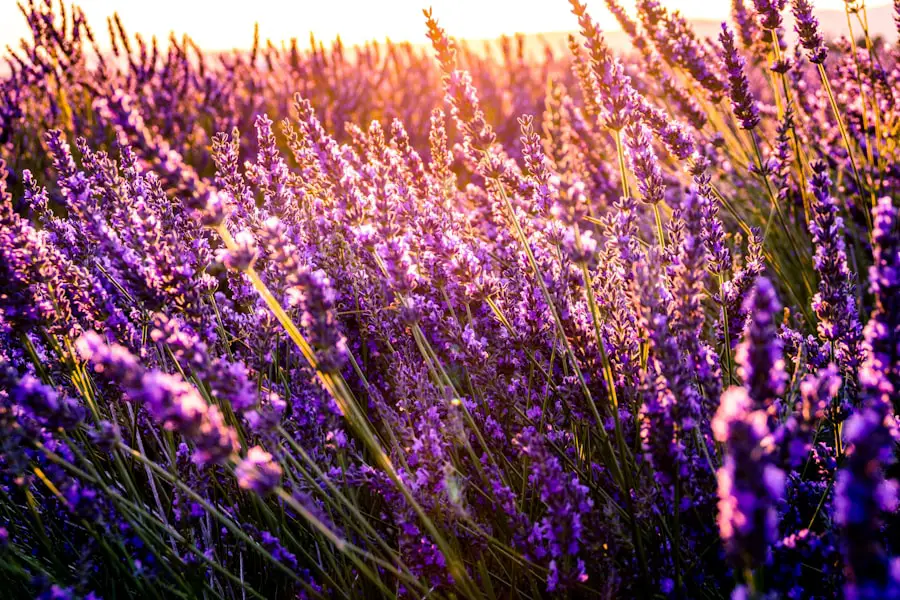
Summer also brings one of Provence’s most famous sights: lavender. Flowering dates are weather- and altitude-dependent, so there is no date that works every year. Official regional tourism information for Valensole says flowering can vary roughly between mid-June and mid-July. For travelers planning specifically around purple fields, late June into the first half of July is generally a more useful target than late summer. Check the current Valensole lavender information before traveling because cutting dates can move forward or backward.
Warning: Southern France can experience dangerous summer heat, and wildfire danger can lead to temporary restrictions or closures in natural areas. Check Météo-France Vigilance before outdoor plans. In the Var, also check the prefecture’s daily forest-massif access map during the summer fire-risk season.
If you travel in July or August, reserve popular coastal accommodations and special restaurants early. Plan exposed sightseeing and strenuous walks for cooler parts of the day, carry water, use sun protection, and build some flexibility into hiking plans in case heat or fire restrictions affect access.
Fall: Harvest and Wine Season
As summer crowds begin to ease, early fall can be one of the most rewarding times to travel through Southern France. September often keeps much of summer’s outdoor appeal while making city walks, village visits, vineyard trips, and longer drives more comfortable.
Wine country is especially interesting at this time. According to Vins de Provence, the Provence harvest season can begin during the second half of August in early coastal sectors and continue through early autumn, with later areas sometimes harvesting into October. Exact timing changes with grape variety, location, and weather.
Visitors should remember that harvest is working season, not simply a festival period. Some estates welcome tastings and tours while active vineyard or cellar work is underway; others may limit access. Booking directly with wineries is more reliable than assuming walk-in visits will be available.
Fall also requires more attention to the forecast than the original article suggested. Météo-France explains that intense Mediterranean rainfall episodes occur most often from September to mid-December and can produce very heavy rain over a short period.
Note: September can be excellent for Southern France, but “fall means less rain” is not a safe rule. Check Météo-France guidance on Mediterranean rain episodes, especially for autumn road trips and hiking plans.
Winter: A Quiet and Charming Escape
| Typical Feel | Cooler and quieter on much of the Mediterranean coast; genuinely wintry at higher elevations |
| Crowds | Usually lighter in coastal sightseeing destinations outside holidays and major events |
| Best For | Museums, city breaks, markets, coastal walks, food trips, and snow sports in mountain areas |
| Watch For | Shorter daylight, reduced seasonal opening hours, and mountain snow or road conditions |
Winter does not have one meaning across Southern France. Nice, Cannes, Marseille, Montpellier, and other Mediterranean destinations can support relaxed sightseeing trips in cooler weather, while the Southern Alps and Pyrenees enter a completely different travel season centered on snow and mountain sports.
Travelers interested mainly in architecture, markets, food, museums, and local neighborhoods may enjoy the calmer pace on the coast. The trade-off is that some seasonal businesses, beach facilities, boat services, attractions, and rural restaurants operate shorter schedules or close for part of winter.
Mountain travelers should plan around current snow, avalanche, weather, and road conditions rather than assuming that every resort has identical conditions throughout winter. Elevation can create a major difference within a relatively short driving distance.
Off-Season: Avoiding the Crowds
For Mediterranean sightseeing destinations, late fall and winter can provide a quieter version of Southern France. France’s official tourism site specifically promotes the French Riviera in the low season for slower travel, walking, villages, crafts, and seasonal local experiences.
Lower demand can sometimes translate into better accommodation value, but it should never be presented as a guarantee. Prices change with weekends, holidays, conferences, festivals, ski demand, and individual properties. A winter stay in a quiet Riviera town may be inexpensive while a mountain resort during a holiday week can be the opposite.
The biggest advantage is often pace rather than price. Historic streets, museums, markets, and viewpoints can feel easier to explore without peak-summer visitor numbers. The disadvantage is reduced daylight and a greater chance that seasonal businesses will have limited opening days.
Pro Tip: During low-season trips, check each must-see restaurant, attraction, ferry, winery, and guided tour individually. A destination may be open year-round even when a specific business operates on a reduced winter schedule.
Festivals and Events: Cultural Highlights throughout the Year
Festivals can completely change the best week to visit a city. They create memorable experiences, but they can also raise accommodation demand and make central areas busier.
The Festival de Cannes is a major May event on the French Riviera. The next edition currently listed by the organizer is scheduled for May 11-22, 2027. Travelers who are not attending the festival should still know the dates because demand can spread beyond the immediate festival venues.
Nice Jazz Fest is a summer event rather than a spring or fall festival. Its 2026 edition ran July 23-25. Future schedules should always be confirmed on the organizer’s site before booking because annual dates and programming can change.
Smaller village fêtes, food events, markets, exhibitions, and wine-related celebrations also occur throughout Southern France. Rather than building an itinerary from old festival dates, check official municipal or event-organizer calendars for the exact year of travel.
Weather Considerations: Finding the Ideal Climate
“Southern France” covers several different landscapes, so one temperature range cannot accurately describe the entire region. A traveler on the Mediterranean coast can encounter very different conditions from someone spending the same week in the Southern Alps, Pyrenees, or an inland village.
Mediterranean Coast and French Riviera
The coast is well suited to outdoor travel for much of the year. Summer brings the strongest beach weather but also greater heat exposure. Spring and early fall can be more comfortable for walking-heavy itineraries.
Provence and Inland Areas
Inland Provence can feel hotter during summer days and cooler outside the peak season than immediate coastal locations. Sun exposure is important on village walks, archaeological sites, vineyards, and open hiking routes.
Southern Alps and Pyrenees
Elevation changes everything. Mountain weather can shift quickly, and winter conditions can arrive while coastal areas remain comparatively mild. Hiking and snow-sport plans should always use local forecasts and current trail or resort information.
Autumn Mediterranean Rain
Early fall is often an excellent travel period, but the Mediterranean side of France can experience episodes of intense rainfall. Météo-France says these events occur preferentially from September to mid-December and may produce dangerous flooding.
Note: Check the forecast for the exact places on your itinerary rather than relying on a single “South of France” temperature average.
Outdoor Activities: Making the Most of Each Season
Spring is excellent for walking, cycling, sightseeing, and many lower-elevation hikes. Wildflowers and fresh vegetation add color to rural areas, while temperatures are often easier for active days than at the height of summer.
Summer favors beaches, swimming, boating, paddleboarding, evening promenades, and long outdoor days. It is also lavender season in parts of Provence. Hiking remains possible, but heat and wildfire restrictions make timing and route checks especially important.
Fall works well for vineyard visits, food-focused travel, scenic drives, cycling, and hiking when the forecast is stable. September is particularly versatile because many summer services are still operating while the heaviest holiday crowds may begin to ease.
Winter shifts the focus. Coastal cities remain useful for cultural trips and walks, while higher mountain areas offer skiing, snowboarding, snowshoeing, and other winter activities when local conditions permit.
Products Worth Considering

How to Choose the Best Dates for Your Trip
The easiest way to choose a month is to start with your main reason for traveling rather than searching for one universally “best” season.
| First-Time Sightseeing | May, June, or September |
| Beach Holiday | Late June through September, with July-August the busiest core period |
| Lavender | Usually late June to mid-July in major Provence areas; verify the current bloom |
| Wine and Harvest Atmosphere | Late August through September, extending later in some vineyards |
| Hiking and Cycling | Spring and early fall for many lower-elevation routes, subject to weather and access |
| Snow Sports | Winter, with exact timing determined by altitude and current snow conditions |
| Quietest Coastal Experience | Late fall and winter outside major holidays and events |
Products Worth Considering

Use the dried lavender blossoms to delicately fragrance your home Place in a decorative bowl to fill the room with a delicate natural lavender fragrance Fill a sachet with...
Booking and Packing Tips
Book early when your dates overlap major events, July-August beach demand, or a specific lavender window. Rural Provence trips also benefit from planning transportation in advance because many small villages, vineyards, and natural areas are easier to reach by car than by relying entirely on local transit.
In summer, prioritize lodging with the cooling and ventilation you need rather than assuming every historic property has identical air-conditioning. For spring and fall, pack layers because mornings and evenings may feel much cooler than sunny afternoons. A light rain layer is useful, particularly on itineraries that include autumn travel.
Keep the schedule flexible when outdoor activities are central to your trip. Heat warnings, thunderstorms, wildfire danger, strong winds, or mountain conditions can make a planned hiking day better suited to a museum, market, or town visit.
For specialized packing needs, travelers carrying cigars can review this travel humidor guide. Travelers choosing compact luggage may also find the carry-on suitcase guide and these minimalist travel backpack options useful when planning a lighter packing setup.
By matching the season to the experience you actually want, Southern France becomes much easier to plan. May, June, and September are excellent starting points for broad sightseeing itineraries, while summer, harvest season, and winter each become the better choice when beaches, lavender, vineyards, festivals, or snow sports are the priority.
Products Worth Considering

LIGHTWEIGHT: A half pound lighter than Maxlite 4, this spinner meets most international carry-on size limits. Case Dimensions: 21" x 14" x 9" | Overall Dimensions (includes wheels and handles): 23 x 14.5" x 9" | Weight: 5.4 lbs | Volume: 46 L.

Impact Resistant: Durable polypropylene hardshell that’s abrasion-, scratch-, and water-resistant. Expansion gusset provide up to 2" to make packing effortless.

Frequently Asked Questions
What is the best time to travel to Southern France?
For many first-time sightseeing trips, May through June and September offer the best balance of outdoor weather, open attractions, and lighter demand than the July-August peak. The ideal month still depends on whether your priority is beaches, lavender, wine, hiking, festivals, or winter sports.
What is the weather like in Southern France during the best months?
Late spring and early fall are often comfortable for sightseeing, but there is no single temperature range for all of Southern France. Coastal, inland, and mountain destinations can differ substantially. Autumn travelers should also watch for intense Mediterranean rain episodes.
Are there major festivals to consider when choosing travel dates?
Yes. The Festival de Cannes is a major May event, with the next published edition scheduled for May 11-22, 2027. Nice Jazz Fest is a summer event; its 2026 edition ran July 23-25. Always verify annual festival dates before booking because schedules can change.
Is Southern France more expensive during the best travel months?
Prices depend on the destination and exact dates. July and August usually bring strong demand in Mediterranean resorts, while Cannes and other major events can raise prices outside those months. Shoulder-season travel can offer better value in some places, but it is not guaranteed.
What are popular places to visit in Southern France?
Popular choices include the French Riviera, Nice, Cannes, Aix-en-Provence, Avignon, Provence’s hill villages, the Verdon area, the Camargue, Mediterranean coastal towns, vineyards, and mountain destinations. The best combination depends on your season and transportation plan.
When is the best time to see lavender in Provence?
Late June to mid-July is a useful general planning window for major lavender areas such as Valensole, but flowering and cutting dates change each year with weather, elevation, and location. Check current local tourism information shortly before the trip.
When should I visit Southern France for a beach holiday?
Late June through September is the main planning window for a Mediterranean beach trip. July and August provide the strongest summer atmosphere but also heavier demand and greater heat. June and September can be attractive alternatives for travelers who prefer a less intense peak-season experience.
Sources
- INSEE — Provence-Alpes-Côte d’Azur hotel occupancy — supports seasonal accommodation-demand patterns.
- Météo-France — Mediterranean rainfall episodes — supports the autumn heavy-rain guidance.
- Météo-France — heat risks and safety advice — supports summer heat precautions.
- Prefecture of the Var — forest-massif access map — supports summer wildfire-access guidance.
- Provence-Alpes-Côte d’Azur Tourism — Valensole lavender — supports bloom-season timing and yearly variability.
- Vins de Provence — vineyard seasons — supports grape-harvest timing in Provence.
