
Last Updated on September 10, 2026 by Daniel Globe
South Korea has four distinct seasons, and each one creates a very different trip. Spring brings blossoms and comfortable sightseeing weather, summer brings beaches, festivals, heat, and rain, autumn offers clear hiking conditions and colorful foliage, and winter is best for snow sports and quieter city visits.
There is no single perfect month for every traveler. Your ideal dates depend on whether you care most about mild weather, cherry blossoms, hiking, beaches, festivals, skiing, smaller crowds, or lower room rates.
Quick Answer
The best time to travel to South Korea is usually April to May or late September to October. These periods bring mild temperatures, spring blossoms or autumn color, and comfortable conditions for city walks and hiking. Visit in July or August for beaches and festivals, or December to February for skiing, but expect heat, rain, or cold.
Key Takeaways
- Best overall weather: April to May and late September to October.
- Best for cherry blossoms: Late March in southern areas through early or mid-April around Seoul, depending on the year.
- Best for autumn foliage: October into early November, with mountain and northern areas changing first.
- Best for beaches and summer festivals: July and August, although conditions are hot, humid, and sometimes rainy.
- Best for skiing and smaller crowds: December through February, outside the busy Seollal holiday period.
Disclosure: As an Amazon Associate I earn from qualifying purchases. Some links on this page are affiliate links, at no extra cost to you.
Best Time to Travel to South Korea by Season
| Season | Best For | Typical Conditions | Main Drawbacks |
| Spring March–May |
Cherry blossoms, palaces, city walks, gardens, photography | Cool in March, mild in April, warm by late May | Blossom crowds, variable bloom dates, occasional fine dust |
| Summer June–August |
Beaches, water activities, nightlife, mud and music festivals | Hot and humid, with the main rainy period generally from late June through July | Heavy rain, heat, high humidity, and possible storm disruption |
| Autumn September–November |
Hiking, foliage, cultural festivals, food markets, road trips | Warm in September, mild in October, cool or cold by November | Busy foliage weekends and Chuseok transport pressure |
| Winter December–February |
Skiing, snow scenery, hot springs, museums, seasonal food | Cold and dry, with milder temperatures along the southern coast | Freezing wind, icy paths, short daylight, and possible poor air-quality days |
South Korea Weather by Season
The Korea Tourism Organization describes South Korea as having a temperate climate with four distinct seasons. Spring and fall are generally clear and mild, summer is hot and humid, and winter is cold and dry.
Spring: March to May
Spring begins cool and can still feel wintry in early March. Conditions become much more comfortable in April, while late May may already feel warm during the afternoon.
In Seoul, official climate figures show average March temperatures of about 1.9–11°C (35–52°F), April temperatures of about 8–17.9°C (46–64°F), and May temperatures of about 13.5–23.6°C (56–74°F). Southern cities such as Busan are usually milder, especially early in the season.
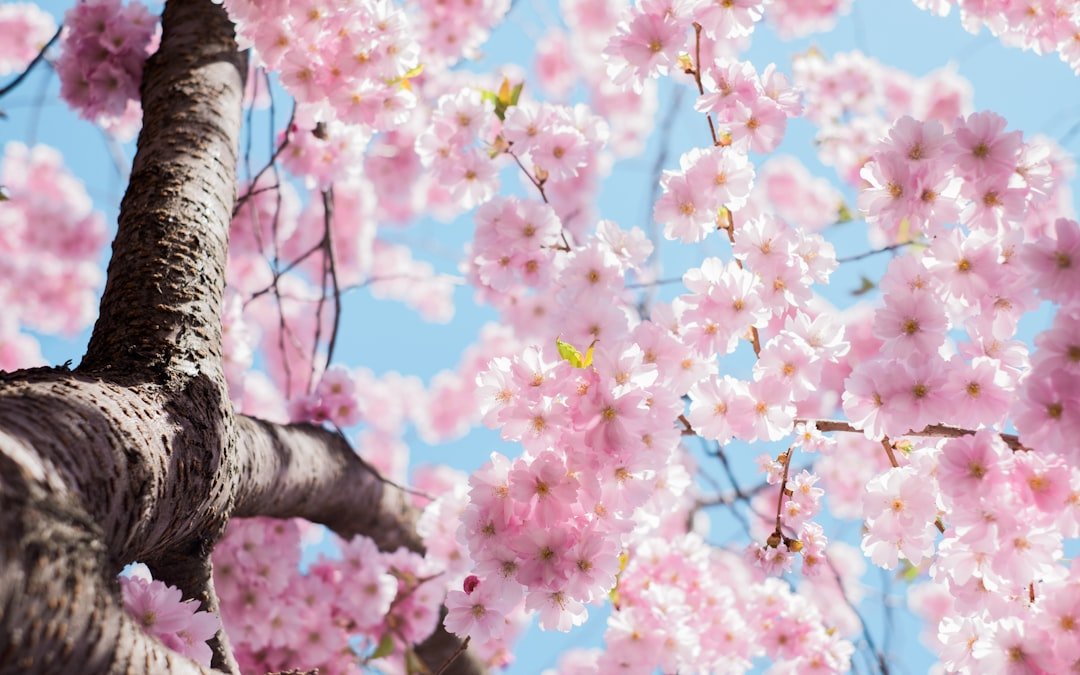
Cherry blossoms normally appear first on Jeju Island and in southern coastal areas before progressing north toward Seoul and Incheon. Peak viewing often lasts only about a week, and wind or rain can shorten it.
Note: Blossom dates change every year. For example, the official 2026 forecast placed initial blooming around March 25 in Jeju and Busan and around April 3 in Seoul, with peak bloom expected about one week later. Always check the latest Korea Tourism Organization blossom forecast before booking a blossom-focused trip.
Spring is excellent for palace visits, neighborhood walks, garden trips, and day hikes. Travelers who are sensitive to air pollution should also monitor local particulate readings, especially in early spring.
Summer: June to August
Summer is hot and humid. Seoul’s average daytime highs reach about 27.6°C (82°F) in June, 29°C (84°F) in July, and 30°C (86°F) in August, with warm nights that can make long days outdoors tiring.
The main rainy period generally falls between late June and the end of July, although its timing and intensity vary. Rain may arrive in short bursts or prolonged downpours. South Korea can also be affected by typhoons between June and October.
Warning: Check the Korea Meteorological Administration forecast each day during summer. Review its typhoon information before coastal trips, ferry journeys, island visits, or mountain hikes.
Summer is still a good choice for travelers who prioritize Busan, Jeju, Daecheon Beach, water parks, night markets, or festivals. Build indoor attractions into the itinerary so a rainy day does not derail the trip.
Autumn: September to November
Autumn is one of the best seasons for a first trip. September can remain warm and humid, but October usually brings more comfortable walking and hiking conditions. November becomes much colder, especially after sunset.
In Seoul, average temperatures fall from approximately 17.7–26.2°C (64–79°F) in September to 10.6–20.2°C (51–68°F) in October and 3.5–11.9°C (38–53°F) in November.
Foliage tends to appear first in northern and high-elevation areas before moving south. October is the most dependable month for combining city sightseeing with hiking, while early November can work well in southern regions.
Pro Tip: Visit famous foliage areas on a weekday and start early. National parks, palace grounds, and mountain cable cars can become crowded on clear October weekends.
Winter: December to February
Winter is cold and dry. Seoul’s January averages range from about -5.5–2.1°C (22–36°F), while Busan is milder at approximately -0.1–8.2°C (32–47°F). Wind can make exposed areas feel much colder.
This is the best period for skiing, snowboarding, ice festivals, hot springs, warm Korean soups, and less crowded visits to many city attractions. Snow is possible, but continuous snow cover is not guaranteed in central-city areas.
Cold waves can create icy sidewalks and transport delays. Pack an insulated coat, gloves, warm socks, and shoes with dependable traction.
Peak Tourist Seasons
South Korea does not have one universal peak tourist season. Demand rises at different times for different reasons:
- Late March to mid-April: Cherry blossom trips in Jeju, Busan, Jinhae, Gyeongju, Seoul, and other popular viewing areas.
- July and August: Domestic summer vacations, beaches, water activities, and major outdoor festivals.
- October: Autumn foliage, hiking, cultural festivals, and comfortable city weather.
- Seollal and Chuseok: Heavy domestic travel as families cross the country for the lunar holidays.
Hotels near blossom sites, beaches, festivals, and major foliage areas may have less availability on weekends. Intercity rail and bus tickets can also become difficult to secure around major holidays.
The official Korean public-holiday calendar should be checked before choosing dates because Seollal and Chuseok move each year.
Off-Peak Tourist Seasons
There is no guaranteed nationwide off-season because demand varies by city, attraction, and event. However, several periods can offer fewer crowds than the main blossom, summer-vacation, and foliage peaks:
- January and February outside Seollal: Good for museums, cafés, shopping, palaces, and winter sports, but temperatures can be severe.
- Late November to early December: Foliage crowds have faded, although landscapes may look bare and evenings are cold.
- Early March: Quieter than blossom season, but weather remains chilly and changeable.
- Rainy summer weekdays: Better availability may appear, but outdoor plans carry a greater weather risk.
Lower demand does not always mean lower prices. Concerts, conventions, school breaks, local festivals, and public holidays can raise rates at any time. Compare several date combinations before booking.
Festivals and Events
Festivals can determine the best travel dates as strongly as the weather. The following dates are verified for 2026; future schedules may change, so confirm them with the organizer before purchasing flights or nonrefundable accommodation.
| Event | Location | 2026 Dates | Why Visit |
| Jinhae Gunhangje Festival | Jinhae, Changwon | March 27–April 5 | Large cherry blossom displays, naval history, performances, and spring photography |
| Boryeong Mud Festival | Boryeong | July 24–August 9 | Mud activities, water attractions, performances, and a lively beach atmosphere |
| Andong Maskdance Festival | Andong | September 24–October 4 | Traditional mask dances, parades, workshops, and regional cultural performances |
| Jinju Namgang Yudeung Festival | Jinju | October 3–18 | Illuminated lanterns, riverside night views, history, and evening performances |
Use the live VISITKOREA festival calendar to confirm dates, operating hours, ticket requirements, cancellations, and weather-related changes.
Budget Considerations
Travel costs depend on the destination, day of the week, local events, and how early reservations are made. Spring blossom weekends, summer beach dates, October foliage weekends, and major holidays can reduce accommodation and transportation availability.
To manage the budget:
- Compare weekday and weekend hotel rates before fixing the itinerary.
- Avoid staying beside the most famous blossom or foliage site when a nearby rail-connected area is cheaper.
- Reserve intercity trains early when traveling near Seollal, Chuseok, or a major festival.
- Use free or low-cost attractions such as palace grounds, traditional markets, riverside parks, public hiking trails, and neighborhood walks.
- Choose one or two paid highlights instead of filling every day with ticketed attractions.
- Keep some flexible or refundable bookings during the rainy and typhoon periods.
The lowest advertised room rate is not always the best value. A well-located hotel near a subway or rail station can reduce both transportation costs and lost sightseeing time.
Best Time Based on Your Travel Style
- First visit to Seoul and Busan: April, May, late September, or October.
- Cherry blossom photography: Late March in the south and early to mid-April around Seoul, subject to the annual forecast.
- Mountain hiking: May, October, or early November, depending on elevation.
- Beach vacation: July or August, with flexible plans for rain.
- Festivals and nightlife: Summer and autumn offer the broadest outdoor event calendar.
- Skiing and snowboarding: December through February, with January often providing the coldest conditions.
- Smaller crowds: Early March, late November, early December, or winter dates outside Seollal.
- Travel with young children: May or October usually offers a better balance of temperature and outdoor comfort than midsummer or midwinter.
Regional Weather Differences
Seoul and Central South Korea
Seoul has hot summers and cold winters. April, May, late September, and October are the most comfortable months for long walking days. January nights regularly fall below freezing.
Busan and the Southern Coast
Busan generally has milder winters than Seoul and receives spring blossoms earlier. It is a strong choice for travelers who want coastal scenery, seafood markets, beaches, and urban attractions in one trip.
Jeju Island
Jeju usually experiences spring flowers earlier than the mainland and is popular for coastal drives, waterfalls, volcanic landscapes, and Hallasan hiking. Island weather can be windy and may change quickly, while flights and ferries can be disrupted by severe storms.
Mountain and Inland Areas
Higher elevations are cooler than nearby cities. Spring arrives later, autumn foliage can appear earlier, and winter conditions may include snow or ice. Check trail notices and local forecasts rather than relying only on the weather shown for the nearest city.
Outdoor Activities
South Korea offers excellent outdoor activities throughout the year, but choosing the right season makes them safer and more enjoyable.
- Spring: Walk around palace gardens, riverside parks, flower roads, and lower-elevation trails.
- Summer: Visit beaches, water parks, shaded valleys, and evening attractions. Avoid exposed hikes during extreme heat or storms.
- Autumn: Hike national parks, explore temple routes, cycle riverside paths, and photograph foliage.
- Winter: Ski, snowboard, visit hot springs, attend ice festivals, or explore snowy mountain areas with appropriate gear.
Popular mountain trails can be steep, rocky, wet, or icy. Wear suitable footwear, carry water, and check park restrictions before setting out. Do not enter closed trails or ignore warnings about flooding, high winds, heat, or unstable ground.
Cultural Experiences
Seasonal events are only one way to experience Korean culture. Palaces, museums, markets, temples, hanok neighborhoods, performance venues, and food districts remain valuable in every season.
In Seoul, travelers can combine Gyeongbokgung Palace, Bukchon Hanok Village, traditional markets, modern art spaces, and neighborhoods such as Insadong or Hongdae. Jeonju is known for its hanok village and regional food, Gyeongju for historic sites, Andong for traditional culture, Busan for coastal markets and film culture, and Jeju for its distinctive island landscape and customs.
Indoor cultural attractions become especially useful during midsummer rain, winter cold, or poor air-quality days. Check closure days because museums and heritage sites may change their hours around public holidays.
Weather, Typhoons, and Air Quality
Weather conditions should be checked throughout the trip rather than only before departure. Mountain, coastal, and island forecasts may differ significantly from city-center conditions.
- Heavy rain: Most likely to disrupt plans during the summer rainy period. Avoid flooded underpasses, river paths, and closed trails.
- Typhoons: Possible from June through October. Flights, ferries, beaches, and coastal attractions may close.
- Heat: July and August can be uncomfortable for long afternoon walks. Plan outdoor sightseeing early and take regular indoor breaks.
- Cold and ice: Winter wind and freezing surfaces can make exposed attractions and hiking routes hazardous.
- Fine dust: Higher particulate concentrations occur more frequently from winter through early spring. Sensitive travelers should check official readings and reduce strenuous outdoor activity when air quality is poor.
Note: Use the Korea Meteorological Administration for current weather and warnings. Air-quality information should also be checked locally, particularly between December and March.
Travel Tips and Recommendations
- Build flexibility into the itinerary. Keep at least one indoor alternative for rainy, extremely hot, or poor-air-quality days.
- Check the annual blossom and foliage outlook. Seasonal color depends on temperature, rain, wind, elevation, and location.
- Review Korean holiday dates. Seollal and Chuseok can make intercity transportation extremely busy and may change business hours.
- Reserve major transport in advance. This is especially important for holiday weekends, festivals, beach destinations, and popular foliage routes.
- Pack layers in spring and autumn. Afternoon temperatures may be comfortable while mornings and evenings remain cool.
- Protect plans against summer weather. Carry a compact umbrella or rain jacket and avoid a schedule that depends entirely on outdoor attractions.
- Follow local safety instructions. Avoid demonstrations, closed trails, flooded areas, and locations placed under severe-weather restrictions.
- Review current entry and safety information. Requirements can change, so consult the official immigration authority and the latest South Korea travel advisory before departure.
What to Pack for Each Season
Spring
Bring light layers, a medium-weight jacket, comfortable walking shoes, sunscreen, and any air-quality protection you normally use. A compact umbrella is useful for passing showers.
Summer
Pack breathable clothing, sun protection, insect repellent, a reusable water bottle, and fast-drying rain gear. Comfortable waterproof sneakers can help during wet city walks, but they should still provide ventilation and traction.
Autumn
Bring layers that can be added after sunset. Hiking travelers should carry water, a light wind-resistant jacket, and suitable trail shoes. Compact binoculars for hiking may be useful for wildlife, coastal viewpoints, and distant mountain scenery.
Winter
Pack an insulated coat, thermal layers, gloves, warm socks, lip balm, and shoes with good grip. Travelers planning remote winter hikes or long outdoor days should carry backup power; a solar charger for backpacking may be useful where charging access is limited, although cold weather can reduce battery performance.
Frequently Asked Questions
What is the best time to travel to South Korea?
April to May and late September to October are the best general choices. They usually provide mild weather for city sightseeing, palace visits, hiking, and day trips. Spring offers flowers and blossoms, while autumn brings clearer air, cultural festivals, and colorful foliage.
When is cherry blossom season in South Korea?
Cherry blossoms usually begin in late March on Jeju Island and in southern cities before reaching Seoul in early or mid-April. Exact dates change each year, and peak bloom may last only about a week. Check the annual official forecast shortly before traveling.
When is autumn foliage season in South Korea?
Autumn color generally develops from October into early November. Northern mountains and higher elevations change first, followed by central and southern areas. October is the most convenient month for combining comfortable temperatures with foliage viewing.
When is the rainy season in South Korea?
The main rainy period generally runs from late June through the end of July, but its start, length, and intensity vary. Heavy rainfall can affect trails, river paths, ferries, flights, and outdoor festivals, so keep indoor alternatives available.
Is summer a bad time to visit South Korea?
No. Summer is suitable for beaches, water activities, nightlife, and major festivals. However, July and August are hot and humid, while heavy rain or typhoons may interrupt plans. Choose air-conditioned accommodation and keep the itinerary flexible.
What is the quietest time to visit South Korea?
Early March, late November, early December, and parts of January or February can be quieter than blossom and foliage peaks. Avoid Seollal, Chuseok, major festivals, and school-vacation weekends when seeking smaller crowds.
Which Korean festivals are worth planning a trip around?
Popular choices include the Jinhae Gunhangje Festival in spring, Boryeong Mud Festival in summer, Andong Maskdance Festival in early autumn, and Jinju Namgang Yudeung Festival in October. Dates change, so confirm the current schedule before booking.
What should I wear in South Korea during spring and autumn?
Wear layers. A light or medium jacket, breathable daytime clothing, and comfortable walking shoes work well. March and November can be colder than expected, while late May and early September may feel warm during the afternoon.
Sources
- Korea Tourism Organization: Climate — seasonal conditions, city temperature averages, rainy-season timing, and travel recommendations.
- Korea Meteorological Administration — current forecasts, weather warnings, and severe-weather information.
- Korea Tourism Organization: Public Holidays — annual Seollal, Chuseok, and national-holiday dates.
- VISITKOREA Festival Calendar — current Korean festival schedules and event details.
- Seoul Metropolitan Government: Seasonal PM Management — winter and early-spring particulate pollution guidance.
- U.S. Department of State: South Korea Travel Advisory — current entry, safety, emergency, and local-law guidance.
